
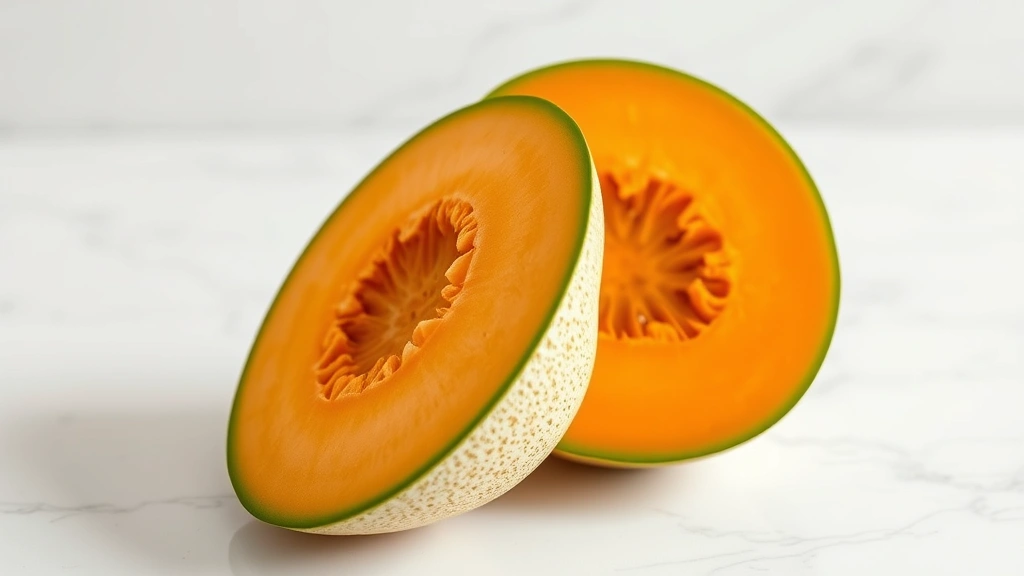
Learning how to choose a cantaloupe doesn’t require a culinary degree—just your senses and a little know-how. I’ve spent years picking melons at farmers markets and grocery stores, and I’m going to walk you through exactly what separates a mediocre melon from one that’ll blow your mind with sweetness and flavor.
Table of Contents
The Weight Test Matters Most
Here’s the golden rule: a ripe cantaloupe should feel surprisingly heavy for its size. Pick up two melons of similar dimensions—the heavier one is your winner. This density indicates higher water content and sugar concentration, which means better flavor and texture.
When you’re at the store, don’t be shy about handling melons. Cup it in both hands and feel the weight distribution. A melon that feels light is likely underripe or, worse, has started drying out internally. The heft tells you everything about what you’re getting.
I typically compare the weight to a small cantaloupe-sized rock or a similar produce item. If it feels like it’s mostly air, put it back. The best cantaloupes have that solid, substantial feel that promises juicy flesh inside.
Sniff the Stem End
Your nose is your best tool for ripeness detection. Bring the cantaloupe to your face and smell the stem end—that’s where the melon was attached to the vine. A ripe cantaloupe releases a sweet, musky aroma that’s unmistakable once you know what to look for.
If there’s no smell, the melon isn’t ready. If it smells fermented or off, skip it entirely. That sweet, honeyed scent is nature’s way of telling you the sugars have developed properly. Some people describe it as floral or slightly fruity, but the key is that it should be pleasant and inviting.
Don’t rely solely on smell—combine this with the weight test and color assessment for the most accurate selection. But honestly, once you’ve smelled a truly ripe cantaloupe, you’ll recognize it instantly every time.
Color and Netting Patterns
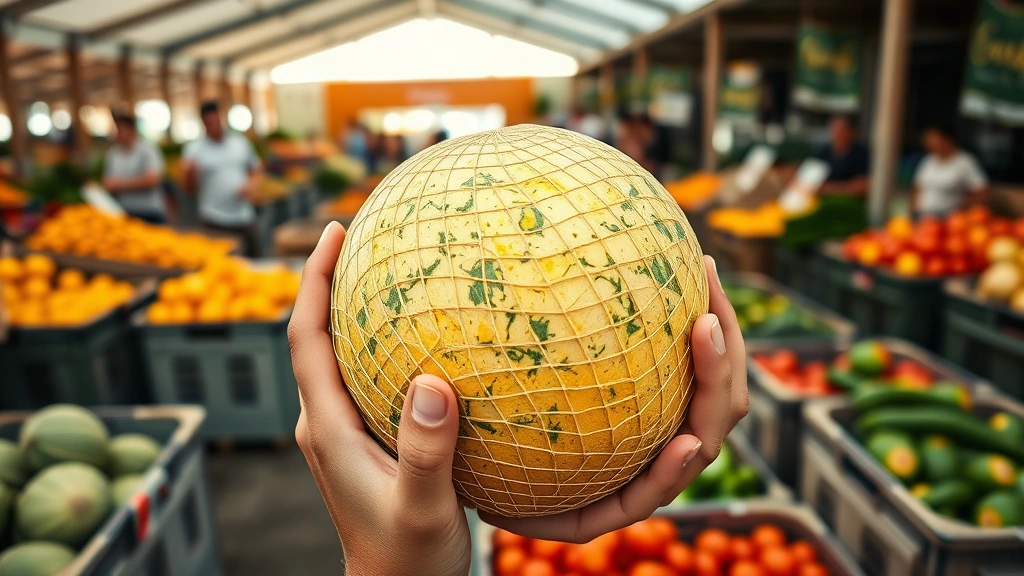
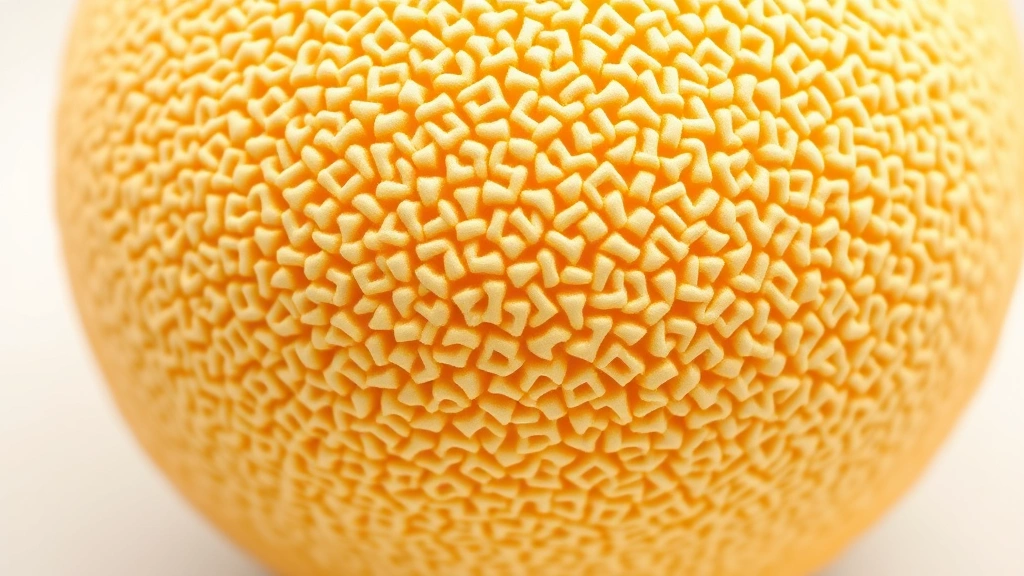
Look for a cantaloupe with a beige or tan netting pattern covering a golden-yellow background. That netting—called the rind’s “suture” pattern—should be raised and prominent, not flat or barely visible. The base color underneath should be a warm golden-yellow, not pale or greenish.
The netting pattern is actually the melon’s skin healing over cracks as it grows, and a well-developed pattern indicates proper maturation. A smooth, flat surface with little netting means the melon picked too early and won’t have developed its full sweetness.
Avoid cantaloupes with green tinges in the background color—that’s a sign of immaturity. You want that creamy, golden tone that suggests the sugars have had time to concentrate. The color should look warm and inviting, not pale or washed out.
The Tap Test Technique
Gently tap the melon with your knuckles and listen. A ripe cantaloupe produces a hollow, slightly resonant sound—not a dull thud and not a sharp ping. It’s somewhere in the middle, and it takes practice to recognize, but once you nail it, you’ll be tapping melons like a pro.
The hollow sound indicates that the flesh has separated slightly from the rind as it ripens, creating an air pocket. That’s exactly what you want. A melon that sounds solid and dense is still underripe; one that sounds papery-thin is overripe.
Combine the tap test with the weight and smell tests. Don’t rely on any single indicator alone. But that hollow ring is definitely part of the equation when you’re selecting between similar-looking melons.
Avoid Soft Spots and Bruises
Run your hands over the entire surface, feeling for soft spots, dents, or bruises. A ripe cantaloupe should be firm overall, with only slight give when you press gently near the stem end. Soft spots indicate mold or rot developing inside, and you don’t want that.
Bruises and cuts are damage points where bacteria can enter. Even small blemishes can quickly develop into larger problems. You’re looking for unblemished skin with uniform firmness—no squishy areas, no cracks, no dents that go deeper than surface level.
If a melon has been sitting in the produce bin getting jostled around, it may have internal damage you can’t see. That’s why the weight and smell tests are so critical—they help you identify problems that external inspection might miss.
Size Selection Strategy
Medium-sized cantaloupes (about 5-6 inches in diameter) tend to be the sweetest and most flavorful. They’ve had time to develop full ripeness without becoming oversized, which sometimes indicates watery flesh. Avoid the giants unless you’re feeding a crowd.
Smaller melons can be underripe, while massive ones sometimes sacrifice flavor for size. That sweet spot in the middle—medium-sized, heavy for its size, with good color and netting—is your target.
That said, size matters less than the other indicators. I’d rather pick a smaller melon that passes the weight, smell, and color tests than a large one that fails them. Focus on the fundamentals first, then use size as a tiebreaker.
Storage Tips After Purchase
If your cantaloupe isn’t quite ripe when you buy it, leave it on the counter at room temperature for a day or two. It’ll continue ripening. Once it reaches perfect ripeness, move it to the refrigerator to slow the process and extend shelf life.
A ripe cantaloupe keeps in the fridge for about a week. After you cut it, wrap the unused portion in plastic wrap and use it within 3-4 days. The cut surface will oxidize and dry out if exposed to air, so proper wrapping is essential.
Never store an unripe cantaloupe in the fridge—cold temperatures halt the ripening process. Let it finish maturing at room temperature first, then refrigerate once it’s ready to eat. This applies whether you’re planning to make an avocado shake recipe with melon additions or serve it fresh.
Ripeness Timeline at Home
Understanding the ripening timeline helps you plan purchases. A cantaloupe picked at the mature-green stage will ripen on your counter in 2-4 days. One that’s already showing color development might be ready in 24 hours. That ripe specimen at the store? Eat it today or tomorrow.
The ripening process accelerates in warm environments. If your kitchen is warm, check daily. In cooler homes, add another day or two to the timeline. You can also place the melon in a paper bag with a banana or apple—the ethylene gas they produce speeds ripening.
Don’t try to force ripening in the fridge. It won’t work. Room temperature is essential for proper sugar development and flavor concentration. Once it’s ripe, refrigeration simply preserves that ripeness rather than creating it.
Frequently Asked Questions
Can you ripen a cantaloupe after cutting it?
No. Once you cut a melon, ripening stops. The flesh won’t develop any additional sweetness. This is why you must select a ripe melon before cutting. If you accidentally cut one too early, you’re stuck with less-than-ideal flavor.
What’s the difference between a cantaloupe and a honeydew?
Cantaloupes have netted, tan rinds and orange flesh, while honeydews have smooth, pale green or yellow rinds with light green flesh. Selection methods differ slightly—honeydews should feel heavier and have a creamy-yellow rind when ripe. Both are melons, but they’re different species with distinct flavor profiles.
Is it safe to eat cantaloupe with small cracks?
Small surface cracks are usually fine if the melon is otherwise firm and smells good. However, deep cracks or bruises that expose the flesh create entry points for bacteria. When in doubt, choose a different melon. It’s not worth the risk.
How do you know if a cantaloupe is overripe?
An overripe cantaloupe will have soft spots, a very strong (sometimes fermented) smell, and may feel mushy when pressed. The flesh inside might be mealy or have a grainy texture. Overripe melons are past their prime and should be avoided.
Why do some cantaloupes have no smell?
Lack of aroma indicates underripeness. The sugars haven’t developed yet, so the volatile compounds that create that sweet smell haven’t formed. Give it more time on the counter, or choose a different melon that’s further along in ripening.
Can you store cantaloupe in the freezer?
Yes, but the texture changes significantly. Frozen cantaloupe becomes mushy when thawed, making it unsuitable for fresh eating. However, it works fine in smoothies, blended drinks, or as a frozen treat. Cut it into chunks, freeze on a tray, then transfer to freezer bags for storage up to 3 months.
What’s the best time of year to buy cantaloupe?
Peak season is June through September in North America, when local melons flood the market. They’re cheaper, fresher, and more flavorful. You can find cantaloupes year-round, but off-season melons often come from long-distance shipments and don’t taste as good.
The Bottom Line
Choosing a perfect cantaloupe comes down to five core checks: weight (should feel heavy), smell (sweet and musky at the stem), color (golden-yellow with prominent netting), tap test (hollow sound), and surface condition (firm, unblemished). Master these, and you’ll consistently pick melons that deliver on flavor and texture.
Don’t overthink it. Trust your senses, handle the melons without embarrassment, and compare multiple options. The best cantaloupes announce themselves through their weight, aroma, and appearance. Once you develop this skill, you’ll never waste money on a disappointing melon again.
Whether you’re planning to serve cantaloupe fresh, incorporate it into a dessert, or use it as an ingredient in something more elaborate like banana bread recipe variations, starting with the right melon makes all the difference. Take your time at the produce section, follow these proven tips, and your taste buds will thank you.


