
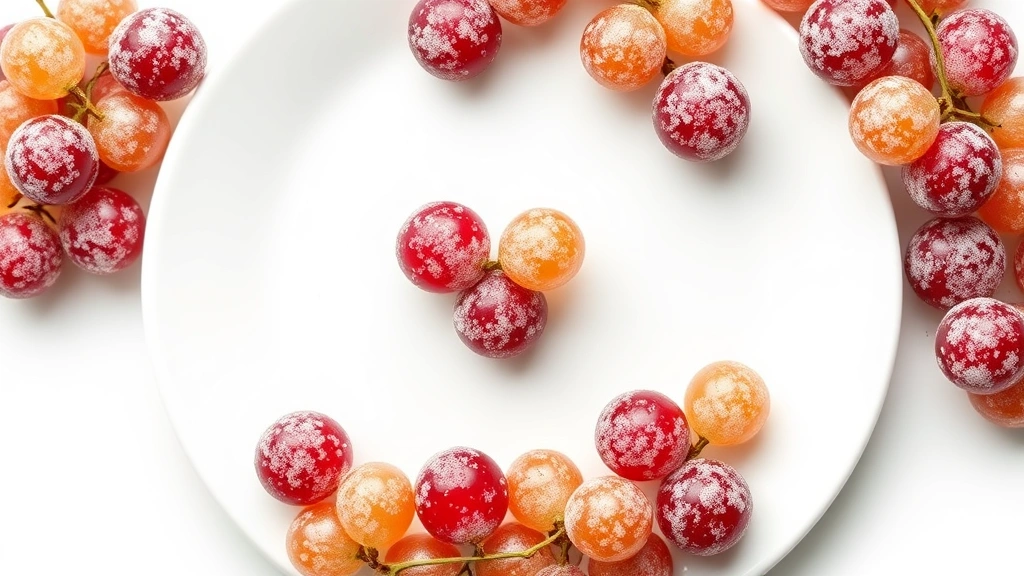
A candied grapes recipe transforms ordinary fruit into a gourmet treat that looks fancy but tastes even better. Whether you’re prepping for a dinner party, need an elegant dessert topper, or just want to impress yourself with something homemade, candied grapes deliver that perfect balance of crispy sugar coating and juicy fruit inside. I’ve made these countless times, and honestly, they’re foolproof once you understand the basic technique.
Table of Contents
What Are Candied Grapes?
Candied grapes are fresh grapes coated in a crystallized sugar shell that hardens as it dries. The magic happens when you dip each grape in a simple sugar syrup, then roll it in granulated sugar. The result? A gorgeous, glossy coating that crunches between your teeth before you hit that burst of cool, sweet juice. They’re nothing like the artificial grape candy you remember from childhood—these are the real deal, with actual fruit inside.
Think of them as nature’s candy with a homemade twist. The technique is similar to candying other fruits, though grapes work particularly well because their natural tartness plays beautifully against the sugar coating. You can make them in under 30 minutes of active work, though they do need drying time.
Ingredients You Need
Here’s what you’ll gather before you start. This is a refreshingly short ingredient list:
- 2 pounds fresh grapes (red, green, or mixed—seedless works best)
- 2 cups granulated sugar (divided: 1 cup for syrup, 1 cup for rolling)
- 3/4 cup water
- 2 tablespoons light corn syrup (prevents crystallization during cooking)
- 1/4 teaspoon cream of tartar (optional but helpful)
- Parchment paper (for drying)
That’s it. No fancy equipment needed beyond a small saucepan and a shallow bowl. The corn syrup and cream of tartar are your insurance policy against grainy texture, but I’ve made these without them in a pinch.
Step-by-Step Process
Step 1: Prepare Your Grapes
Rinse your grapes thoroughly and pat them completely dry with paper towels. Moisture is the enemy here—any water clinging to the surface will prevent the sugar from adhering properly. If you’re using grapes with stems, leave them on (they make great handles). For stemless grapes, work quickly once they’re dry since they’ll start sweating if they sit around.
Step 2: Make the Sugar Syrup
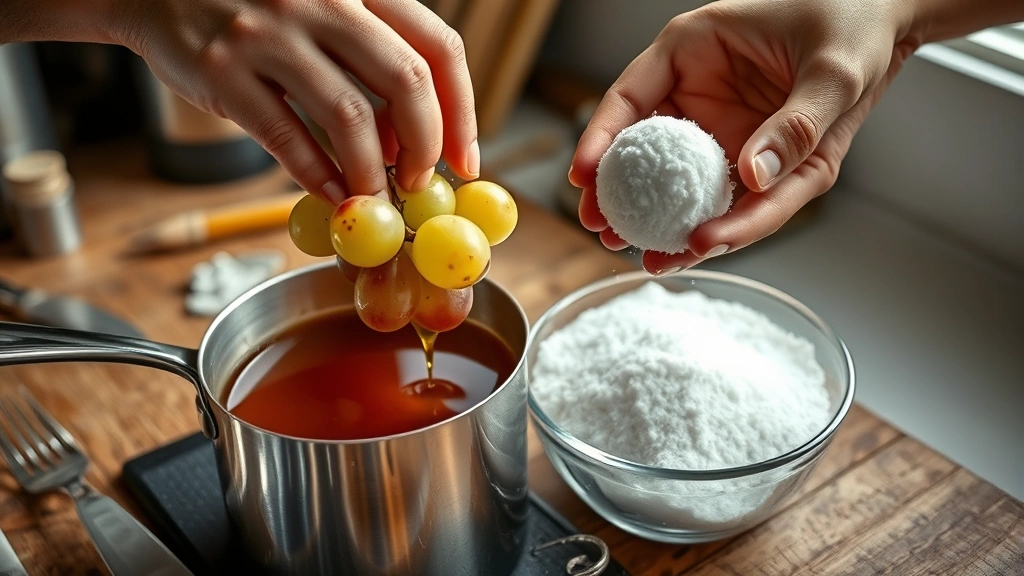
Combine 1 cup sugar, 3/4 cup water, corn syrup, and cream of tartar in a small saucepan. Heat over medium heat, stirring occasionally until the sugar dissolves completely. Once it’s dissolved, stop stirring—just let it bubble gently for about 3-4 minutes. You’re not trying to make caramel here; you just want a thin syrup that coats a spoon. A candy thermometer should read around 220°F (soft-ball stage), but honestly, you don’t need one if you trust your gut.
Step 3: Cool the Syrup Slightly
Let the syrup cool for 2-3 minutes off the heat. You want it warm enough to stay liquid but cool enough that it won’t cook the grapes. Test by dipping your finger in—it should feel hot but bearable. This step prevents the grapes from splitting or becoming mushy.
Step 4: Dip and Roll
Pour the remaining 1 cup of granulated sugar into a shallow bowl. Working quickly, dip each grape into the warm syrup, coating it completely. Let the excess drip off for a second, then immediately roll it in the granulated sugar. The syrup acts like glue, making the sugar crystals stick. Place each finished grape on a parchment-lined baking sheet. Don’t worry about them touching—they won’t stick together once dry.
Step 5: Let Them Set
Leave the grapes on the parchment at room temperature for at least 2-4 hours, though overnight is ideal. You’ll see the coating transform from wet and sticky to crispy and crystalline. Resist the urge to touch them—let them dry completely before handling.
Drying and Storage
Once your candied grapes have dried completely, transfer them to an airtight container. They’ll keep at room temperature for up to 3 days, though I’ve found they’re best eaten within 24 hours when the coating is crispiest. If you need them to last longer, store them in the refrigerator for up to a week—just bring them to room temperature before serving so the coating doesn’t get sticky.
Pro tip: Don’t store them in the fridge right after making them. Let them reach full room temperature first, or condensation will ruin that hard-earned crispy coating. Think of it like how you’d handle fresh cookies.
Flavor Variations
Once you master the basic technique, the possibilities expand. Add 1/2 teaspoon vanilla extract to the syrup for a subtle depth. For something bolder, try infusing the syrup with a cinnamon stick or a few cardamom pods while it simmers. Some people add a pinch of sea salt to the rolling sugar—sounds weird, but it’s genuinely excellent with red grapes.
You can also color your rolling sugar with food coloring (just a drop or two) for a festive look, or mix in some finely chopped pistachios or freeze-dried raspberries for texture contrast. The beauty is that once you understand the base candied grapes recipe, you can customize it endlessly.
Troubleshooting Tips
Sticky coating that won’t harden: Your syrup was too cool when you dipped, or your grapes weren’t dry enough to start. Make sure everything is bone dry before beginning, and keep that syrup warm (but not hot).
Grainy, crystalline texture: This happens when sugar crystallizes during cooking. That’s where the corn syrup and cream of tartar come in—they prevent this. If it happens anyway, reheat gently and try again.
Grapes splitting or bursting: Your syrup was too hot. Let it cool for a full 3-5 minutes before dipping. Also, make sure grapes are at room temperature, not cold from the fridge.
Sugar coating falls off: The grapes weren’t dry enough, or you didn’t let the syrup cool enough. Both issues prevent proper adhesion. Also, handle them gently once coated—rough handling will shake loose sugar off.
Serving Suggestions
Candied grapes work beautifully as a standalone dessert, especially arranged on a simple white plate. They’re also stunning as a topper for vanilla ice cream, cheesecake, or panna cotta. Try nestling them into a cheese board alongside aged cheddar and dark chocolate—the contrast is phenomenal.
For something more adventurous, crumble them over Greek yogurt with granola, or use them to garnish a champagne cocktail. They’re elegant enough for a dinner party but casual enough for snacking straight from the container while you’re watching TV. If you’re making edible cookie dough or other homemade treats, candied grapes make an impressive accompaniment.
Frequently Asked Questions
Can you use frozen grapes?
Technically yes, but I don’t recommend it. Frozen grapes release too much moisture as they thaw, which interferes with the sugar coating. Fresh grapes give you that perfect crispy-outside-juicy-inside texture. If you must use frozen, thaw them completely and pat them extra dry.
How long do candied grapes last?
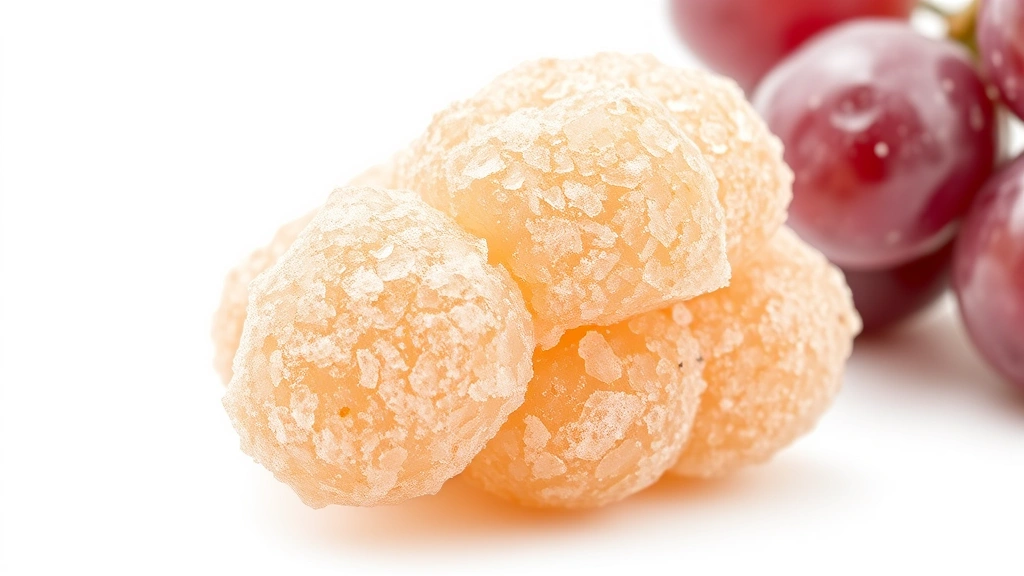
At room temperature in an airtight container, they’ll stay crispy for about 24 hours. In the fridge, they’ll last up to a week, though the coating may soften slightly. They don’t freeze well—the moisture from thawing ruins the texture.
Do you need a candy thermometer?
Not essential, but it helps. If you don’t have one, use the soft-ball test: drop a bit of syrup into cold water. It should form a soft ball that holds its shape but isn’t hard. Or just cook for 3-4 minutes after the sugar dissolves and trust that it’ll work.
Can you make these ahead?
Yes, but with limitations. Make them the morning of your event for best results. They’re technically edible for a few days, but the coating gradually softens as it absorbs moisture from the grapes. Fresh is always better here.
What’s the difference between candied and frosted grapes?
Good question. Frosted grapes use egg white instead of syrup, creating a matte, crystalline finish. This candied grapes recipe uses cooked sugar syrup, resulting in a glossier, harder coating. Both are delicious—it’s just a style preference.
Can you use this method on other fruits?
Absolutely. Strawberries, raspberries, and blackberries work beautifully. Adjust drying time based on size—smaller berries dry faster. The technique is the same; the results are equally impressive. It’s similar to the principle behind keeping fresh fruit looking pristine, though this method actually improves appearance.
Why do some recipes use egg white?
Egg white creates a different texture—frostier and more matte. The syrup method I’ve shared here creates a glossier, harder candy shell. Both work; it depends on whether you want that glossy candy-store look or a more delicate, frosted appearance.
Final Thoughts
Making a candied grapes recipe at home is one of those kitchen projects that feels fancy but requires almost no skill. You’re literally just dipping fruit in sugar syrup and rolling it in sugar. Yet somehow, the result looks like you spent hours in a professional kitchen. That’s the beauty of it.
Start with the basic recipe I’ve outlined, nail the technique, then experiment with flavors and colors. Before long, you’ll be making these regularly for desserts, cheese boards, and just because. Your friends will ask for the recipe, and you’ll get to explain that it’s embarrassingly simple—which somehow makes them taste even better.
The key is respecting the process: dry grapes, warm syrup, quick dipping, and patient drying. Get those three things right, and you’re golden. Now get to it—fresh grapes won’t candy themselves, and these taste best when made fresh.


