
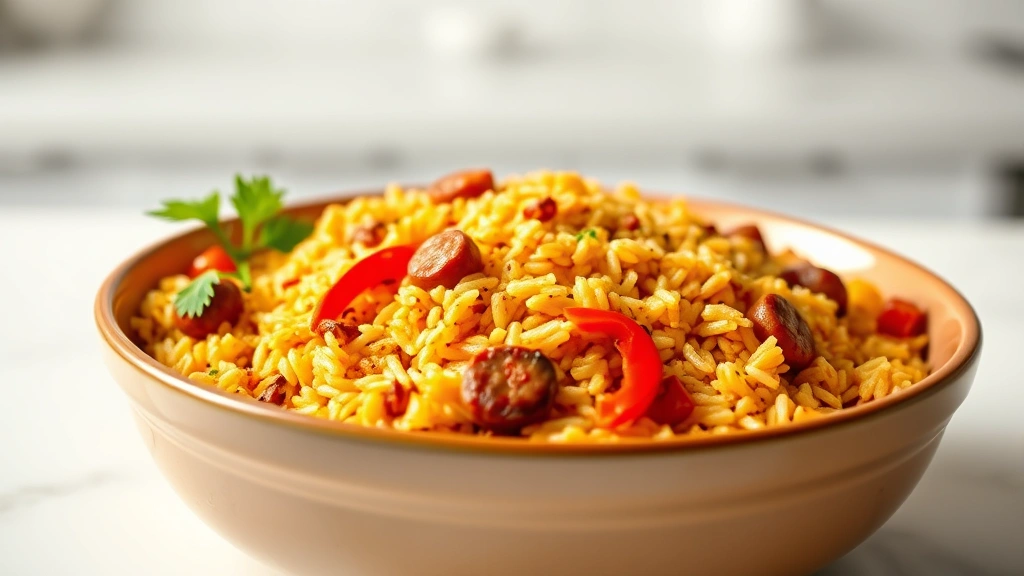
A proper cajun rice recipe is the backbone of Louisiana kitchen magic—it’s where bold flavors meet simple technique, and honestly, it’s one of the easiest dishes you can master at home. Whether you’re cooking for a weeknight dinner or feeding a crowd, this one-pot wonder delivers restaurant-quality results without the fuss. I’ve made this dozens of times, and I’m going to walk you through exactly how to nail it every single time.
Table of Contents
What Makes Cajun Rice Different
The magic in a cajun rice recipe comes from the holy trinity—onions, celery, and bell peppers—sautéed until they’re caramelized and packed with flavor. This isn’t just rice with stuff mixed in; it’s a technique where you’re building layers of taste from the ground up. The rice doesn’t get boiled separately and tossed together; instead, it toasts in the fat, absorbs the aromatic flavors, and cooks right in the broth. That’s what separates authentic cajun rice from plain rice pilaf.
What really gets me excited is how forgiving this dish is. You can adjust the heat level, swap proteins, add vegetables—it’s your canvas. The core technique stays the same, and once you’ve got that down, you’re golden.
Gather Your Ingredients
Here’s what you need for a solid four-serving batch:
- 2 tablespoons vegetable oil or butter
- 1 medium yellow onion, diced
- 1 red bell pepper, diced
- 2 celery stalks, diced
- 3 cloves garlic, minced
- 1½ cups long-grain white rice (uncooked)
- 3 cups chicken or vegetable broth
- 1 teaspoon paprika (smoked if you’ve got it)
- ½ teaspoon cayenne pepper
- 1 teaspoon dried thyme
- ½ teaspoon black pepper
- ½ teaspoon salt (adjust to taste)
- ¼ teaspoon garlic powder
- 2 bay leaves
- 4 ounces diced tomatoes (fresh or canned)
- 1 pound andouille sausage, sliced (optional but recommended)
- 2 tablespoons fresh parsley, chopped (for garnish)
The beauty here is you’re not buying specialty items. Everything’s available at your regular grocery store. If you can’t find andouille, use any smoked sausage—it’ll still taste fantastic.
Prep Work Matters Most
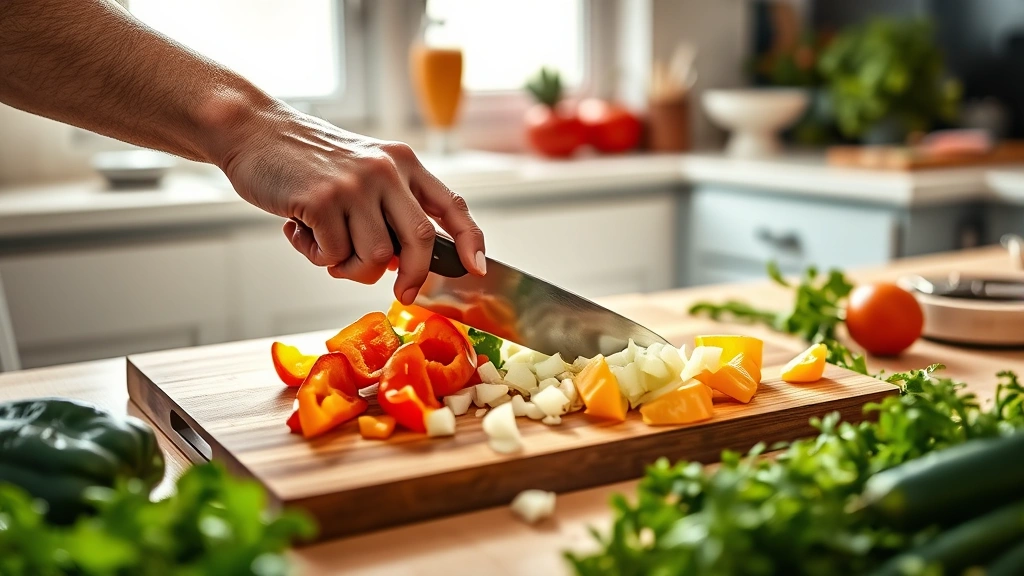
This is where patience pays off. Get your mise en place set up—that’s chef talk for having everything prepped and ready before you start cooking. Dice your onion, bell pepper, and celery into roughly the same size pieces. This ensures even cooking and consistent flavor distribution throughout your dish.
Mince your garlic fresh; don’t use the jarred stuff for this one. The difference is noticeable. If you’re using sausage, slice it into half-inch rounds. Having everything ready means you won’t be scrambling mid-cook, and your timing stays tight.
One pro tip: measure out your spices into a small bowl before you start. When you need them, they go in fast and even. No hunting through your spice rack while something’s burning.
Build Your Flavor Base
Heat your oil or butter in a large, heavy-bottomed pot or Dutch oven over medium-high heat. Once it’s shimmering, add your diced sausage if you’re using it. Brown it for 3-4 minutes, stirring occasionally, then remove it to a plate. Don’t clean the pot—that browned stuff stuck to the bottom is pure flavor gold.
Drop in your onion, bell pepper, and celery. This is the holy trinity doing its thing. Stir frequently for 5-7 minutes until the vegetables are softened and starting to caramelize at the edges. The onions should be translucent, and you should smell something incredible.
Add your minced garlic and cook for another minute, stirring constantly. Garlic burns fast, so watch it. You want it fragrant and golden, not brown and bitter.
The Cooking Technique
Now pour in your uncooked rice. Stir it constantly for 2-3 minutes. This toasting step is crucial—it coats each grain with fat and gives it a slightly nutty flavor. You’ll hear it clicking against the pot as it toasts.
Sprinkle in all your dry spices: paprika, cayenne, thyme, black pepper, salt, and garlic powder. Stir for 30 seconds so everything’s coated evenly. Add your bay leaves and diced tomatoes, stirring to combine.
Pour in your broth slowly while stirring. This prevents lumps and helps the rice cook evenly. Bring everything to a boil, then reduce heat to low, cover with a tight-fitting lid, and let it simmer for 18-20 minutes. Don’t peek. Seriously. Every time you lift that lid, you’re letting steam escape and messing with your cooking time.
When the timer goes off, remove from heat and let it sit, covered, for 5 minutes. This resting period lets the rice finish absorbing any remaining liquid. Fluff with a fork, stir in your cooked sausage, taste, and adjust seasoning if needed.
Common Mistakes to Avoid
The biggest mistake I see is rushing the vegetable prep. If your trinity isn’t properly caramelized, your base lacks depth. Give it time. Another common error is using too much liquid or cooking on too high heat, which turns your rice into mush. Stick to the 2:1 broth-to-rice ratio and keep that heat low during the simmer.
Don’t skip the toasting step with the rice. It makes a real difference in texture and flavor. And for the love of all things delicious, don’t stir the rice while it’s cooking. You’re not making risotto here. The only time you stir is before the liquid goes in.
One more thing: taste as you go. If your broth is already salty, you might need less added salt. This is where experience and adjustment come into play.
Variations to Customize
Want to make this your own? Add diced chicken breast along with the sausage for extra protein. Throw in some diced steamed carrots for sweetness and color. Some folks add okra, which is traditional in New Orleans-style versions. You could also incorporate shrimp if you want to go seafood route—add it in the last 5 minutes of cooking.
If heat isn’t your thing, reduce the cayenne or skip it entirely. Want more spice? Add hot sauce to taste at the end. The framework stays solid; you’re just changing the players.
For a vegetarian version, skip the sausage and use vegetable broth instead of chicken. Add more vegetables—mushrooms, green beans, corn. The technique remains identical.
Serving Suggestions
Serve your cajun rice hot with a garnish of fresh parsley and maybe a squeeze of lime juice. It pairs beautifully with grilled chicken, fried fish, or blackened catfish. A simple green salad on the side cuts through the richness nicely.
This dish also works as a side for pulled pork or brisket. Some people serve it alongside homemade apple sauce for contrast, which sounds odd but works if you’re doing a fusion thing.
For a complete meal, you could also make this the star and serve it with cornbread and collard greens. That’s a proper Southern spread right there.
Storage and Reheating
Leftovers keep in an airtight container in the fridge for 3-4 days. To reheat, add a splash of broth or water to a pot, warm over medium heat, stirring occasionally, until heated through. You can also microwave individual portions with a little liquid added—about 1-2 minutes, stirring halfway through.
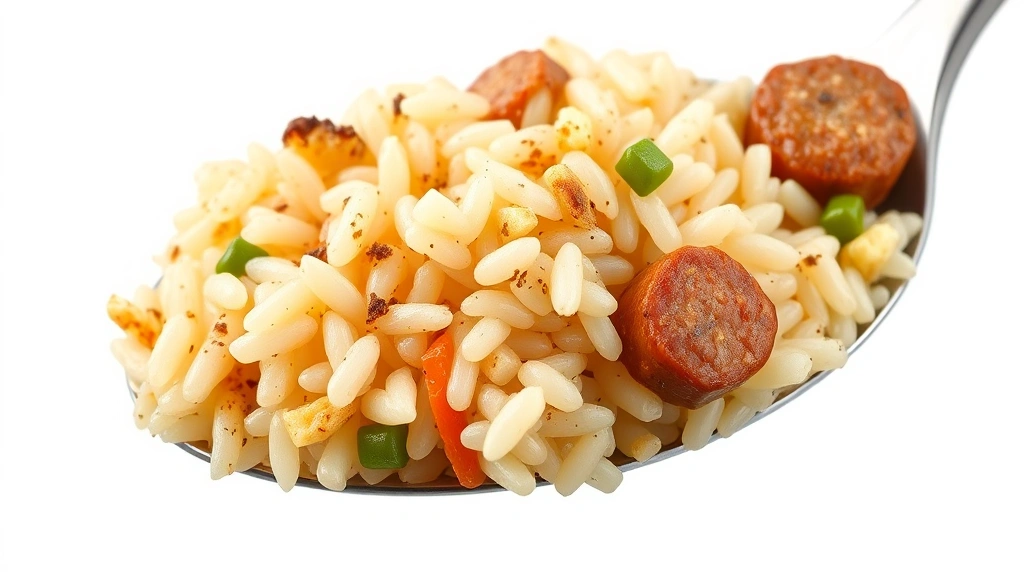
This dish freezes well too. Let it cool completely, portion it into freezer bags or containers, and freeze for up to 3 months. Thaw overnight in the fridge before reheating.
Frequently Asked Questions
Can I use brown rice instead of white rice?
You can, but you’ll need to adjust your cooking time to 40-45 minutes and increase your broth to 3½ cups. Brown rice has a different texture and won’t give you that tender, slightly creamy result you get with white rice. For traditional cajun rice, stick with long-grain white.
What if my rice comes out too dry?
You likely cooked it too long or on too high heat. Next time, reduce your cooking time by 2-3 minutes and keep that heat at a true simmer, not a rolling boil. If it happens, add a bit of warm broth and cover for another 5 minutes.
Is andouille sausage necessary?
Nope. It adds authentic flavor and richness, but you can use regular smoked sausage, kielbasa, or even skip meat entirely. The rice stands on its own with just the holy trinity and spices.
Can I make this in a rice cooker?
You can sauté your trinity and sausage in a pot first, then transfer everything to a rice cooker with the broth and spices. It’ll work, but you lose some of the toasted rice flavor and the ability to adjust seasoning during cooking. The stovetop method gives you more control.
How do I adjust the heat level?
Start with the cayenne amount I listed, taste after cooking, and add hot sauce or more cayenne to individual servings. This lets everyone customize their heat level without affecting the whole pot.
What’s the difference between this and dirty rice?
Dirty rice typically includes ground meat mixed throughout, while cajun rice uses sausage slices and focuses more on the vegetable base. The seasoning profile is similar, but the texture and meat distribution differ.
Final Thoughts
A solid cajun rice recipe is something every home cook should have in their rotation. It’s budget-friendly, comes together in about 45 minutes start to finish, and tastes like you spent hours in the kitchen. The technique is straightforward once you understand the why behind each step—toasting the rice, building the flavor base, respecting the cooking time.
Start with this recipe exactly as written. Get comfortable with it. Then start playing around. Add different proteins, experiment with vegetables, adjust spices to your preference. That’s when cooking becomes fun instead of following instructions.
For more inspiration on building flavor in simple dishes, check out our guide on Burmese food mohinga recipe, which uses similar layering techniques. You might also enjoy exploring how to make squid game cookies if you want to branch into desserts, or how to make apple cider for a seasonal beverage that pairs nicely with Southern meals.
Get in that kitchen and make this. Your family’s going to love it, and you’re going to feel like a pro. That’s the whole point.


