

A cajun boil recipe is your ticket to throwing an unforgettable backyard feast that’ll have folks talking for weeks. This one-pot wonder combines fresh seafood, vegetables, and bold Cajun spices into a messy, delicious celebration that’s perfect for feeding a crowd. Whether you’re a seasoned cook or just getting your feet wet in the kitchen, I’ll walk you through everything you need to know to nail this Louisiana classic.
Table of Contents
- What Is a Cajun Boil?
- Essential Ingredients You’ll Need
- Prep Work Matters Most
- Step-by-Step Cooking Process
- Getting Seasoning Balance Right
- Timing Is Everything
- Serving and Presentation Tips
- Storage and Leftover Ideas
- Variations and Creative Upgrades
- Common Mistakes to Avoid
- Frequently Asked Questions
- Final Thoughts
What Is a Cajun Boil?
Think of a cajun boil as the ultimate communal meal—everything cooks together in one massive pot of seasoned boiling water. You’re talking shrimp, crab, crawfish, corn, potatoes, sausage, and garlic all swimming in a spiced broth that tastes like Louisiana itself. The beauty of this dish is that it’s forgiving, scalable, and absolutely designed for entertaining. You dump ingredients in at different times, let the pot do the heavy lifting, and boom—dinner’s ready.
The tradition comes straight from the bayou where Cajun families would gather around these massive pots at festivals and celebrations. It’s communal eating at its finest, where you crack open shells, peel shrimp, and share laughs with the people around you. That’s the real magic of a cajun boil recipe.
Essential Ingredients You’ll Need
Let’s talk about what goes into making this work. You’ll need:
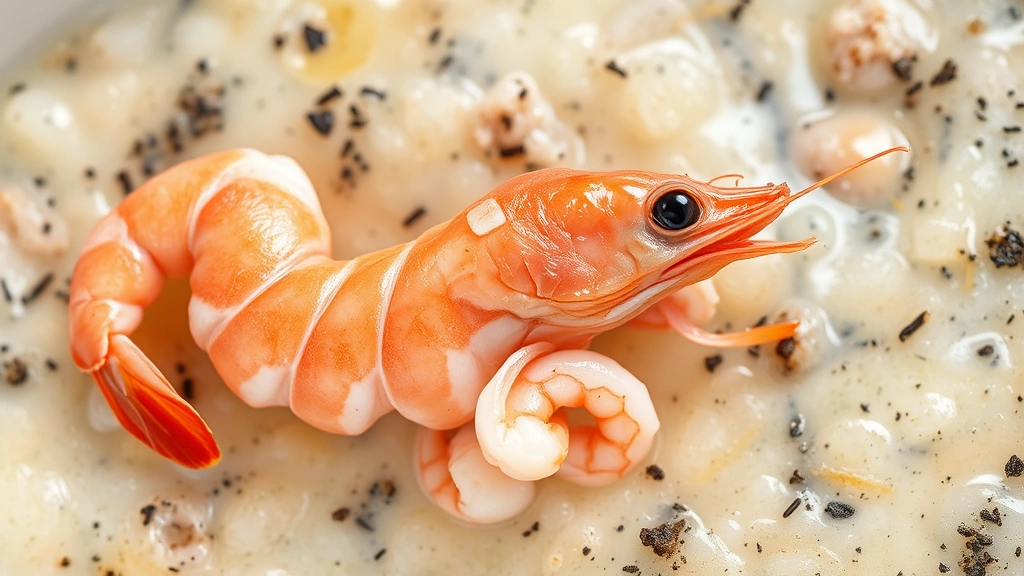
The Seafood: Fresh shrimp (1.5-2 lbs), live crawfish (2-3 lbs), crab legs or whole crabs, and mussels if you’re feeling fancy. Don’t cheap out on the seafood—quality matters here.
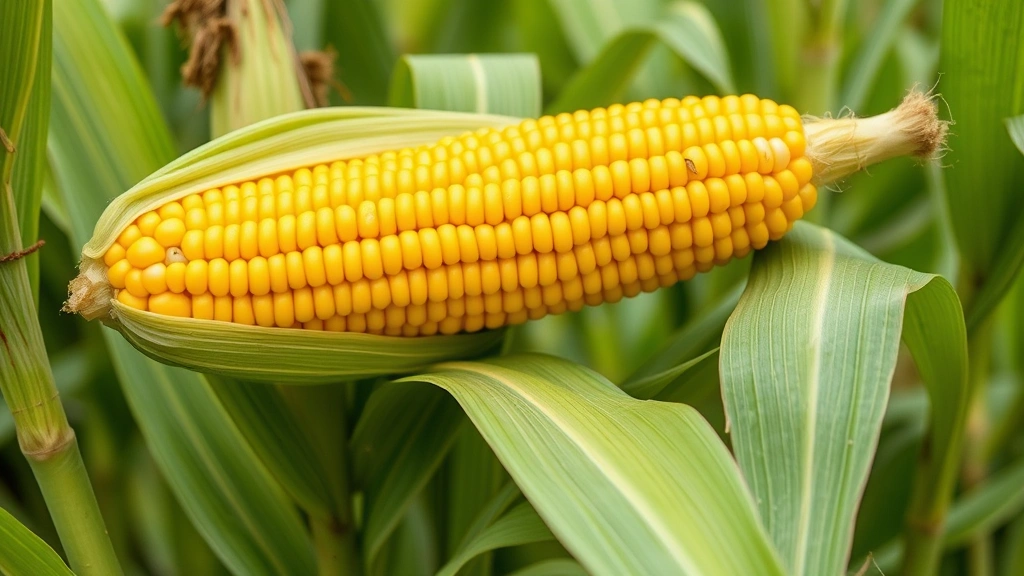
The Vegetables: Potatoes (new potatoes work best), corn on the cob, onions, garlic cloves (lots of them), and celery. These soak up all those incredible spices.
The Proteins: Andouille sausage is traditional—slice it into chunks. Some folks add smoked sausage or kielbasa depending on what they’ve got on hand.

The Seasonings: This is where the Cajun magic happens. You need Old Bay seasoning, cayenne pepper, paprika, thyme, bay leaves, whole peppercorns, and salt. Fresh lemon juice and Worcestershire sauce round things out. For a deeper dive into sauce-making fundamentals, check out our Bearnaise Sauce Recipe for technique inspiration.
The Broth Base: Water or seafood stock, plus butter for finishing. Some cooks swear by adding beer to the pot.

Prep Work Matters Most
Here’s where most home cooks cut corners, and it costs them. Proper prep work is the difference between a mediocre boil and one that’ll make people ask for your recipe.
Start by cleaning your seafood properly. If you’re using live crawfish or crabs, rinse them thoroughly under cold water to remove any mud or debris. Don’t skip this step—nobody wants grit in their teeth. Pat them dry with paper towels before they go into the pot.

Chop your vegetables into consistent sizes. Cut potatoes into quarters, chunk the onions, mince the garlic, and slice the sausage into 1-inch pieces. When everything’s roughly the same size, it cooks evenly. Consistency is key.
Set up a prep station near your stove with all ingredients measured and ready. This isn’t just fancy chef stuff—it’s practical. Once you start boiling, you won’t have time to hunt for that jar of bay leaves.

Step-by-Step Cooking Process
Fill a massive pot (we’re talking 20+ quarts) about three-quarters full with water. Bring it to a rolling boil over high heat. You want genuine, aggressive boiling—not a gentle simmer.
Once boiling, add your seasoning base: Old Bay, cayenne, paprika, thyme, bay leaves, peppercorns, and salt. The water should taste like the ocean—bold and assertive. Taste it. If you’re hesitant to taste it, you need more seasoning.
Add your potatoes first. They take the longest (about 15 minutes), so get them in the water early. While they’re cooking, this is your chance to prep any last-minute items.
After 5 minutes, add the sausage chunks and onions. Let them cook together for another 5 minutes. The sausage will flavor the broth beautifully, and the onions will soften up.

Add corn on the cob and celery next. These need about 5-7 minutes. Your potatoes should be getting tender by now.
Here’s the critical part: add your seafood in stages based on cooking time. Crawfish and crabs go in first (about 5 minutes), then shrimp (3-4 minutes), and mussels last (just 2-3 minutes). Overcooked shrimp turns rubbery—nobody wants that. You’re looking for that sweet spot where everything’s cooked through but still tender.

Add minced garlic in the final minute. Fresh garlic added at the end keeps its punch. Finish with fresh lemon juice and a good hunk of butter. This creates a silky, rich broth that ties everything together.
Getting Seasoning Balance Right
This is where your palate becomes your best tool. The broth should taste bold—almost aggressively seasoned. Remember, you’re boiling everything in this liquid, so it needs to be flavorful enough to season all the vegetables and seafood as they cook.

Start with what the recipe calls for, then taste and adjust. Add more cayenne if you want heat, more Old Bay for that classic seafood flavor, more salt if it tastes flat. Don’t be shy. You can always add more seasoning; you can’t take it out.
Some cooks add a splash of hot sauce (Crystal or Frank’s work great) or a pinch of smoked paprika for depth. Others throw in a beer or two for complexity. These are your creative tweaks. For more sauce inspiration and flavor-building techniques, explore our Boursin Recipes for ideas on building rich, layered flavors.

The key is balance. You want heat, salt, earthiness, and brightness all playing together. If one element dominates, dial it back or boost the others to match.
Timing Is Everything
This is the real craft of making a cajun boil recipe work. Everything needs to finish at roughly the same time, which is why the staggered addition method matters so much.

Potatoes: 15-18 minutes total
Sausage: 10-13 minutes total

Corn: 7-10 minutes total
Crawfish/Crab: 5-7 minutes total

Shrimp: 3-4 minutes total
Mussels: 2-3 minutes total

These times assume vigorous boiling. If your water drops to a simmer, add a couple minutes to everything. Use a timer on your phone—don’t wing it. The difference between perfectly cooked shrimp and rubbery shrimp is literally 60 seconds.
Test doneness by pulling out a piece of seafood and checking it. Crawfish should be bright red and the meat should pull cleanly from the shell. Shrimp should be opaque and firm but not hard. When in doubt, pull everything out a minute early rather than a minute late.
Serving and Presentation Tips
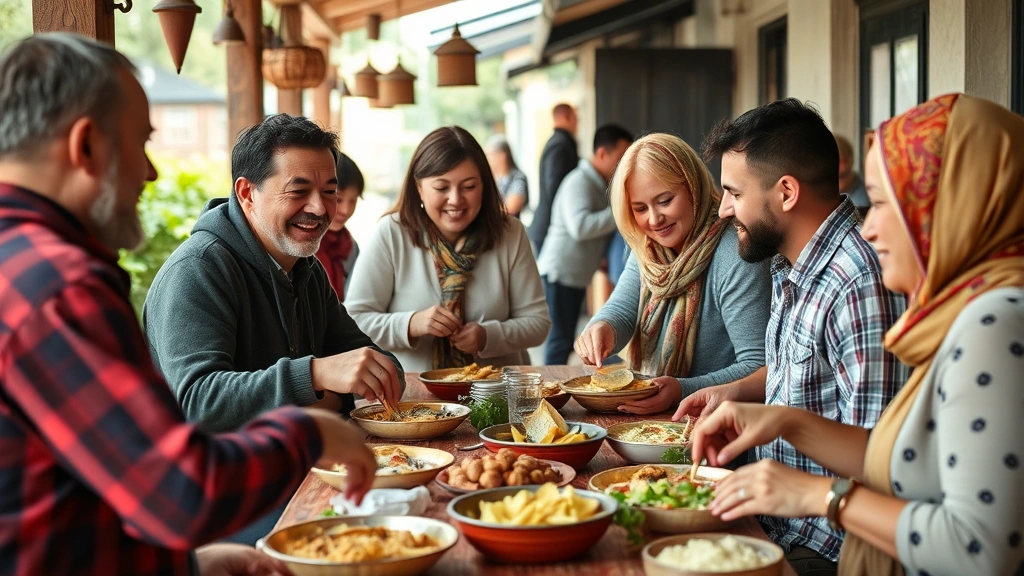
Drain everything in a massive colander, but save some of that broth—you’ll want it for dipping. Spread your boil across a newspaper-lined table or large platter. This is communal eating, so presentation is about abundance and accessibility, not fancy plating.
Set out small bowls of melted butter mixed with fresh lemon juice for dipping. Have extra Old Bay seasoning available for folks who want to sprinkle more on. Put out cocktail forks, nutcrackers, and plenty of napkins—this meal is intentionally messy.

Serve with crusty bread to soak up the broth and maybe a simple green salad on the side. If you want to explore complementary vegetable preparations, check out our Beet Greens Recipe for side dish inspiration.
The atmosphere matters as much as the food. Gather people around, crack shells together, and enjoy the mess. This is food meant for conversation and connection.
Storage and Leftover Ideas
If you somehow have leftovers (which is rare), store them in airtight containers in the fridge for up to 3 days. Keep the seafood separate from the vegetables if possible—seafood gets mushy when stored with liquid for too long.
Leftover seafood makes incredible po’boy sandwiches. Shred the meat, mix it with a little mayo and hot sauce, pile it on crusty bread, and you’ve got lunch gold. The vegetables can go into seafood pasta, rice bowls, or a simple soup.

Don’t throw away that broth. It’s liquid gold for making seafood stock or adding flavor to rice or grains. Freeze it in ice cube trays and you’ve got instant flavor bombs for future cooking.
Variations and Creative Upgrades
Once you’ve nailed the basic cajun boil recipe, you can start experimenting. Some folks add clams or oysters. Others throw in mushrooms or bell peppers. I’ve seen creative cooks add smoked paprika for depth, or a splash of apple cider vinegar for brightness.

Want to explore different flavor profiles? Check out our Asian Recipes for inspiration on how different cuisines build bold, layered flavors—you can apply those principles to your boil.
You could do a low-country boil variation with shrimp and grits elements, or a Cajun-Asian fusion by adding soy sauce and ginger. The foundation is solid enough to support creativity.

Some cooks make a “crawdad boil” focusing primarily on crawfish, while others do a “shrimp boil” with minimal other seafood. Scale the recipe to what you can find fresh and what your crowd prefers.
Common Mistakes to Avoid
Don’t start with cold water and expect it to work. You need a vigorous, rolling boil before anything goes in. The temperature matters for proper cooking and flavor extraction.

Don’t underseasoning. This is the most common mistake I see. People get timid with the spices and end up with bland broth. Be bold. Taste constantly and adjust.
Don’t overcrowd the pot with seafood all at once. Yes, it’s tempting to dump everything in, but you’ll drop the water temperature and everything will steam instead of boil. Add in stages.
Don’t forget about that seafood. Set a timer. Walk away and you’ll come back to rubber shrimp and overcooked crawfish. It happens faster than you think.
Don’t skip the fresh garlic at the end. It makes a real difference in brightness and freshness. Garlic cooked too long becomes mellow; garlic added at the end keeps its punch.
Frequently Asked Questions
Can I make a cajun boil recipe ahead of time?
Not really. This is a fresh-cooked dish meant to be eaten immediately. You can prep all your ingredients hours ahead and even get your broth seasoned and ready to boil, but the actual cooking should happen right before serving. The seafood especially needs to be cooked to order.
What if I can’t find live crawfish?
Use frozen crawfish—they work fine. Thaw them completely before boiling. You can also substitute with extra shrimp, crab, or even lobster tails. The principle stays the same; you’re just adjusting what goes in the pot.
How much should I make per person?
Plan on about 1.5-2 pounds of seafood per person, plus vegetables. A good rule of thumb: if you think you have enough, make 25% more. People eat more of this stuff than they expect to.
Can I use a smaller pot?
You can, but you’ll need to work in batches or reduce quantities significantly. A cajun boil really shines when you’ve got that massive pot going. If you’re cooking for just 2-4 people, scale everything down proportionally but keep the same timing logic.
What’s the best seasoning ratio?
Start with 1/4 cup Old Bay per 20 quarts of water, then adjust to taste. Add cayenne to preference (I usually do 2-3 tablespoons for medium heat), paprika for color and mild flavor, bay leaves, peppercorns, and salt to taste. The exact ratio matters less than tasting and adjusting as you go.
Can I make this vegetarian?
Technically yes, but you’d lose the whole point. You could make a vegetable boil with potatoes, corn, mushrooms, and other veggies in heavily seasoned water, but it wouldn’t really be a cajun boil anymore. It would just be boiled vegetables. Stick with the seafood for the real experience.
Final Thoughts
A cajun boil recipe is more than just food—it’s an experience, a gathering, a celebration. When you nail it, you’re not just feeding people; you’re creating memories. The combination of fresh seafood, bold spices, and communal eating hits something primal and joyful.
Start with the basics, taste constantly, and don’t be afraid to adjust. The beauty of this dish is that it’s forgiving enough for beginners but deep enough for experienced cooks to keep exploring. Whether you’re feeding a backyard full of friends or just a small group, this cajun boil recipe will deliver.
The next time someone asks what you’re cooking, tell them you’re making a proper cajun boil. Then watch their eyes light up. That’s when you know you’re doing something right.


