
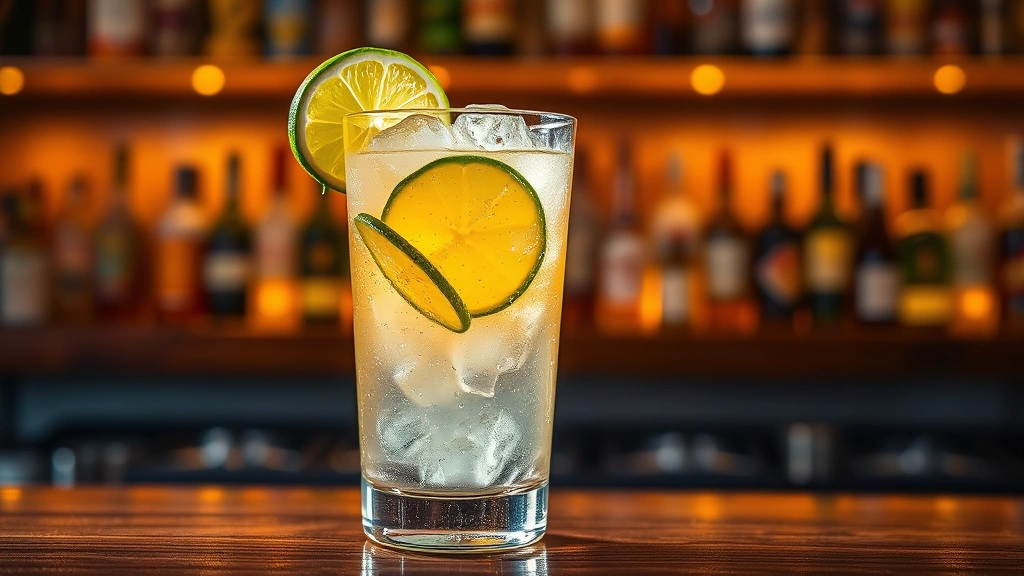
A caipirinha recipe is your ticket to mastering Brazil’s most iconic spirit-based drink, and honestly, once you nail this one, you’ll be making them for every gathering. This isn’t some fussy cocktail that requires a bartending degree—it’s straightforward, refreshing, and absolutely dependable when you know the fundamentals.
Table of Contents
What Is a Caipirinha?
The caipirinha is Brazil’s national cocktail, and it’s been that way for centuries. At its core, it’s a simple drink: lime, sugar, cachaça (a Brazilian spirit made from sugarcane), and ice. That’s it. No fancy mixers, no complicated layering, no umbrella required. The magic happens when you understand how these four components work together to create something that’s crisp, balanced, and dangerously easy to drink.
What makes this drink special is the technique. Unlike many cocktails where ingredients are just shaken and strained, the caipirinha demands that you muddle—essentially crush—fresh lime and sugar together to release oils and juice. This step is where most home bartenders either succeed brilliantly or stumble.
Essential Ingredients
Let’s talk about what you actually need. You’ll need:
- Cachaça: 2 ounces (60 ml) of quality Brazilian cachaça—this is non-negotiable
- Fresh limes: 1 medium lime, cut into wedges
- Sugar: ½ ounce (15 ml) or about 2 teaspoons of white granulated sugar
- Ice: Crushed ice works best, but cubes will do
That’s genuinely all you need. The simplicity is the whole point. When you’re making a drink with so few ingredients, each one needs to be top-notch. Grab fresh limes—not the bottled juice, not the concentrate. Fresh. The sugar should be standard white granulated, nothing fancy. And the cachaça? That’s where you invest your effort.
Step-by-Step Guide
Here’s how to build your caipirinha from the ground up:
Step 1: Prep Your Lime Cut your lime into 4 wedges. You want pieces that are big enough to handle but small enough to fit in your glass. Leave the pith on—that white stuff between the skin and the flesh contains oils that add complexity.
Step 2: Add Sugar to Glass Pour your sugar into a sturdy glass. Use a rocks glass or something with similar weight and capacity (about 10-12 ounces). Don’t use thin glassware—you’re about to apply some force.
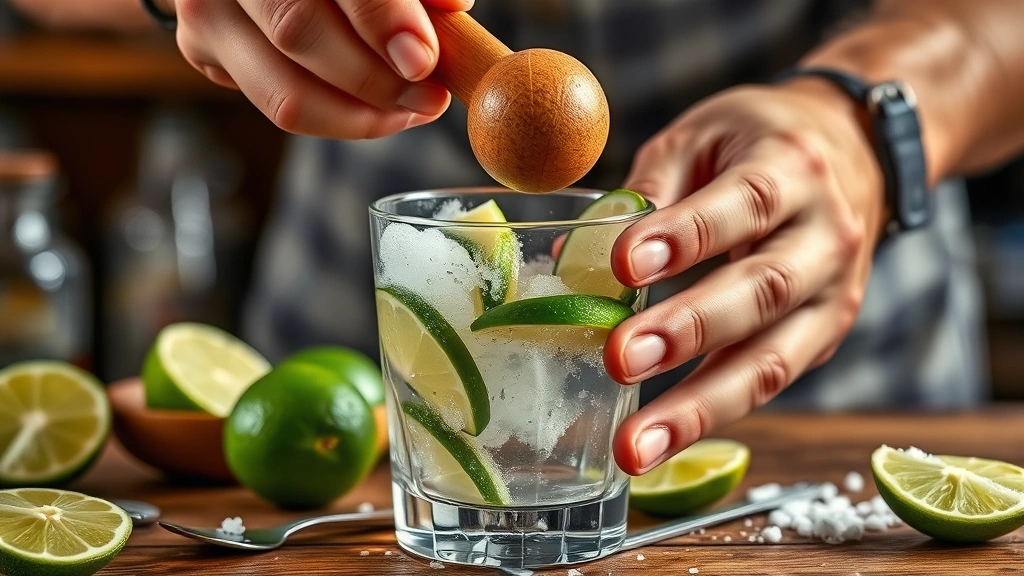
Step 3: Muddle Lime and Sugar Place your lime wedges into the glass on top of the sugar. Using a muddler (or the back of a wooden spoon), press down firmly and twist. You’re not trying to pulverize the lime into oblivion—you’re gently crushing it to release juice and oils while keeping the pith intact. This should take about 10-15 seconds of work.
Step 4: Fill with Ice Add your crushed ice to fill the glass about three-quarters full. If you only have regular ice cubes, break them up a bit or use them as-is—the drink will still work fine.
Step 5: Pour Cachaça Measure out 2 ounces of cachaça and pour it over the ice and muddled lime. Stir briefly to combine.
Step 6: Top and Taste Add a splash more ice if needed, give it a final gentle stir, and taste. The balance should be tart from the lime, slightly sweet from the sugar, and warming from the cachaça.
Mastering the Muddling
This is where most people go wrong. Muddling isn’t about destroying the lime—it’s about coaxing out its best qualities. Press down with steady pressure, then give the muddler a quarter-turn twist. Do this maybe 3-4 times. You want to see juice pooling at the bottom of the glass and smell the bright citrus oils being released.
The biggest mistake? Over-muddling. If you crush the lime too aggressively, you’ll break down the pith and release bitter compounds that’ll make your drink taste harsh. Light pressure, controlled movements, that’s your mantra. Think of it like working with dough—you’re being deliberate and respectful of the ingredient.
If you don’t have a proper muddler, a wooden spoon handle works in a pinch. Just make sure whatever tool you use has a flat end and won’t splinter into your drink.
Choosing Your Cachaça
Cachaça is where this drink lives or dies. It’s a Brazilian spirit distilled from fresh sugarcane juice, and it’s got a character all its own—grassy, slightly sweet, with a peppery finish. Not all cachaça is created equal.
For your first caipirinha, grab something in the $20-30 range. Brands like Leblon, Sagatiba, or Pitu are solid, widely available, and won’t break the bank. As you get more into making these drinks, you can explore premium options or aged cachaça (which creates a different, richer drink).
Avoid the cheap stuff. You can taste the difference immediately, and it’ll ruin what should be a bright, balanced cocktail. This is one of those cases where spending a few extra dollars genuinely matters.
Avoiding Common Mistakes
Let’s talk about what goes sideways:
Using bottled lime juice: This is the cardinal sin. Bottled juice is oxidized, tastes flat, and will make your caipirinha taste like a chemistry experiment. Fresh lime only.
Adding too much sugar: The drink should be refreshing, not a dessert. Stick to the ½ ounce measurement. You can always add a bit more if needed, but you can’t take it out.
Skimping on ice: The ice cools the drink and slightly dilutes it as it melts, which is actually desirable. A warm caipirinha is nobody’s friend.
Forgetting to stir: After you pour the cachaça, give it a gentle stir to combine everything. This helps the sugar dissolve and ensures even flavor distribution.
Using the wrong glass: A rocks glass is standard for a reason. It’s sturdy enough for muddling and the right size for the drink’s proportions.
Variations and Twists
Once you’ve mastered the classic, you can explore variations. The Blackberry Mojito Recipe shares similar muddling techniques and can inspire fruit-forward versions of your caipirinha.
Fruit Caipirinhas: Swap the lime for other fruits. Strawberry, pineapple, and passion fruit all work beautifully. Muddle them the same way—gently and with respect.
Caipirinha with Different Spirits: Some bartenders make versions with vodka (caipiroska) or rum (caipirissima). These are fun experiments, but the classic cachaça version is the real deal.
Batidas: If you want something creamier, look into batidas, which add condensed milk or fruit juice to cachaça. They’re related but distinctly different.
You might also enjoy exploring complementary drinks like the Blue Lagoon Recipe for other tropical cocktail inspiration, or venture into non-alcoholic territory with an Avocado Shake Recipe for a different kind of refreshment.
Serving Like a Pro
Presentation matters. Serve your caipirinha in a chilled rocks glass—stick it in the freezer for 10 minutes before you start mixing if you can. The cold glass keeps the drink colder longer.
Some bartenders like to add a lime wheel as garnish, perched on the rim. It’s optional but adds a nice visual touch. Make sure your ice is fresh and your glassware is clean and dry before you start.
Serve immediately after making. This isn’t a drink that sits around well—the ice melts, the flavors dilute, and the whole thing loses its punch. Make it, drink it, enjoy it.
If you’re hosting a gathering with Brazilian-inspired food, pair your caipirinhas with something like Authentic Jambalaya Recipe for a fun fusion experience, or keep things simple with fresh fruit platters to avoid browning issues you can prevent with the tips from How to Keep Apples from Turning Brown.
Frequently Asked Questions
Can I make a caipirinha without cachaça?
Technically yes, but it won’t be a real caipirinha. You could use vodka (caipiroska) or rum (caipirissima), but you’d lose the distinctive grassy, peppery character that makes the drink special. Cachaça is worth seeking out—it’s not that hard to find anymore.
How much ice should I use?
Fill the glass about three-quarters full with ice after muddling. This ensures the drink stays cold throughout and provides proper dilution as the ice melts. Crushed ice is ideal because it melts slightly faster and creates a better texture, but regular cubes work fine.
Is the pith really necessary?
Yes. The white pith between the skin and the flesh contains oils and compounds that add complexity and balance to the drink. If you remove it completely, you’ll lose some of the caipirinha’s character. Leave it on when you muddle.
What if my drink is too strong?
You likely need more ice or a splash of water. The cachaça should be balanced by the lime and sugar, not overwhelming. If you find your drinks consistently too strong, try using 1.5 ounces of cachaça instead of 2, or add slightly more lime.
Can I make caipirinhas in batches?
You can prep a batch of muddled lime and sugar ahead of time, but don’t add the cachaça or ice until you’re ready to serve. The lime oxidizes and loses brightness if it sits too long. Mix individual drinks as they’re ordered for best results.
How long does cachaça last once opened?
Cachaça is a spirit with high alcohol content, so it’ll last indefinitely once opened. Store it in a cool, dark place away from direct sunlight. Unlike wine, it doesn’t degrade once the bottle is open.
What’s the difference between cachaça and rum?
Cachaça is made from fresh sugarcane juice, while most rum is made from molasses (a byproduct of sugar refining). This gives cachaça a fresher, grassier flavor profile. Rum tends to be heavier and more caramel-forward. They’re distinct spirits with different characteristics.
Wrapping It Up
The caipirinha recipe is genuinely one of the easiest cocktails to master once you understand the fundamentals. It’s not about fancy techniques or rare ingredients—it’s about respecting simple, quality components and treating them with care. Fresh lime, good cachaça, proper muddling, and cold ice. That’s the whole formula.
Start with the classic version and nail it. Once you’ve made a few that taste balanced and refreshing, branch out into variations. The skills you build making caipirinhas will transfer to other cocktails and mixed drinks. You’re learning the language of bartending through one of its clearest dialects.
The beauty of this drink is that it’s equally at home at a beach party in Rio or a backyard gathering in your neighborhood. It’s unpretentious, it’s delicious, and once you’ve made a few, you’ll understand why Brazil claims it as their national treasure. Now get some fresh limes and get to work.


