
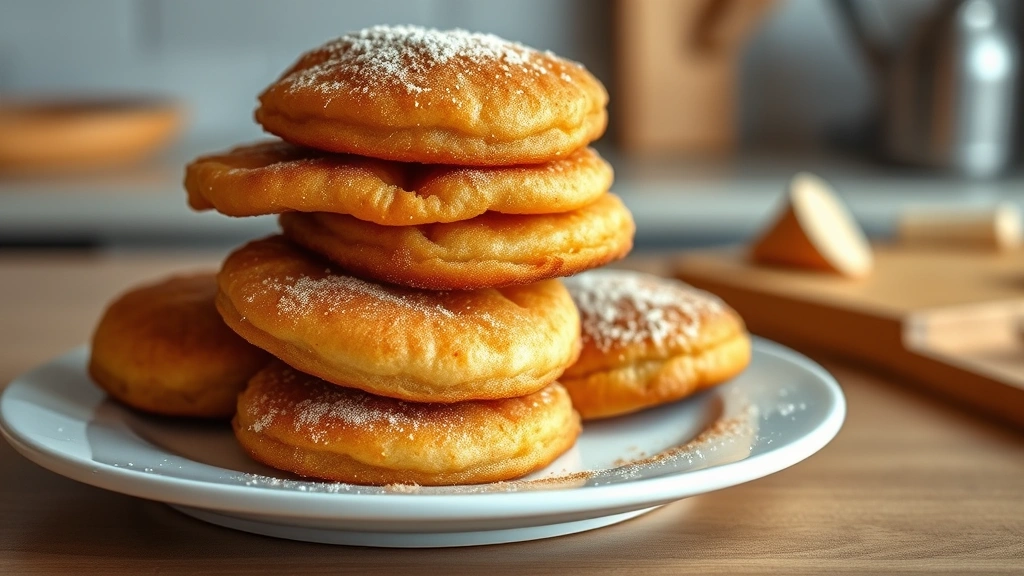
A buñuelos recipe is your ticket to making crispy, golden-fried pastries that taste like they came straight from a Mexican bakery—except you made them in your own kitchen in under 30 minutes. These sweet, cinnamon-sugar coated fritters are the real deal: simple ingredients, minimal fuss, maximum flavor. Whether you’re hosting a dinner party or craving a late-night treat, buñuelos deliver that authentic Mexican experience without requiring a culinary degree.
Table of Contents
What Are Buñuelos?
Buñuelos are traditional Mexican fried pastries that sit somewhere between a churro and a donut in the dessert universe. They’re made from a simple dough, fried until golden and crispy on the outside while staying tender inside, then dusted with cinnamon sugar. The texture is light and airy—nothing dense or heavy. You’ll find them at Mexican festivals, street vendors, and family celebrations throughout Mexico and the American Southwest.
The beauty of this buñuelos recipe is that it requires zero special equipment or hard-to-find ingredients. Everything you need is probably already in your pantry. The dough comes together in minutes, and the actual frying takes maybe 15 minutes total.
Ingredients You Need
Here’s what goes into an authentic buñuelos recipe:
- 2 cups all-purpose flour
- 1 tablespoon sugar
- 1 teaspoon baking powder
- ½ teaspoon salt
- 2 tablespoons vegetable oil (plus more for frying)
- ½ cup warm water (approximately)
- Oil for deep frying (vegetable or peanut oil works best)
- ¼ cup sugar (for coating)
- 2 teaspoons ground cinnamon (for coating)
That’s it. No eggs, no milk, no complicated additions. This minimalist approach is what makes authentic buñuelos so accessible. The dough is vegan-friendly and comes together faster than you’d think.
Step-by-Step Guide
Mixing the Dough: Combine your flour, sugar, baking powder, and salt in a large bowl. Make a well in the center and pour in the 2 tablespoons of vegetable oil and warm water. Mix with a wooden spoon or your hands until a shaggy dough forms. The dough should be soft but not sticky—add water a tablespoon at a time if it’s too dry, or dust with flour if it’s tacky.
Kneading: Transfer the dough to a clean counter and knead for about 3-4 minutes until it becomes smooth and elastic. You’re not making bread here, so don’t overwork it. Just enough to bring everything together into a cohesive ball.
Resting: Cover the dough with a damp cloth and let it rest for 10 minutes. This relaxes the gluten and makes rolling much easier. This step is worth the wait—trust me.
Rolling Out: Divide the dough into 12-16 equal pieces and roll each into a ball. On a lightly floured surface, use a rolling pin to flatten each ball into a thin circle about ¼-inch thick. Think tortilla thickness, maybe slightly thicker. The thinner you roll, the crispier your buñuelos will be.
Frying Technique Matters
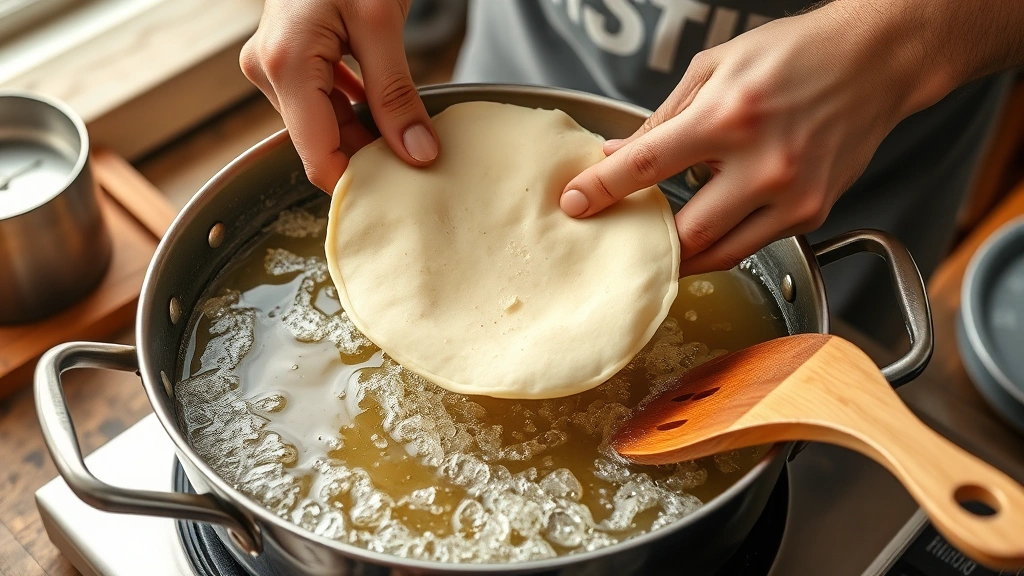
Heat your oil to 375°F (190°C). Use a thermometer—this is non-negotiable. Too cool and your buñuelos absorb oil and turn greasy. Too hot and they brown before cooking through.
Carefully slide one dough circle into the hot oil. It should immediately start bubbling and sizzling. Fry for about 1-2 minutes on the first side until it puffs up and turns golden. Flip and fry the other side for another 1-2 minutes. Use a slotted spoon to transfer to a paper towel-lined plate.
Work in batches and don’t overcrowd the oil. Each buñuelo needs space to cook evenly. The oil temperature will drop when you add dough, so give it 30-60 seconds to recover before adding the next piece.
Coating and Serving
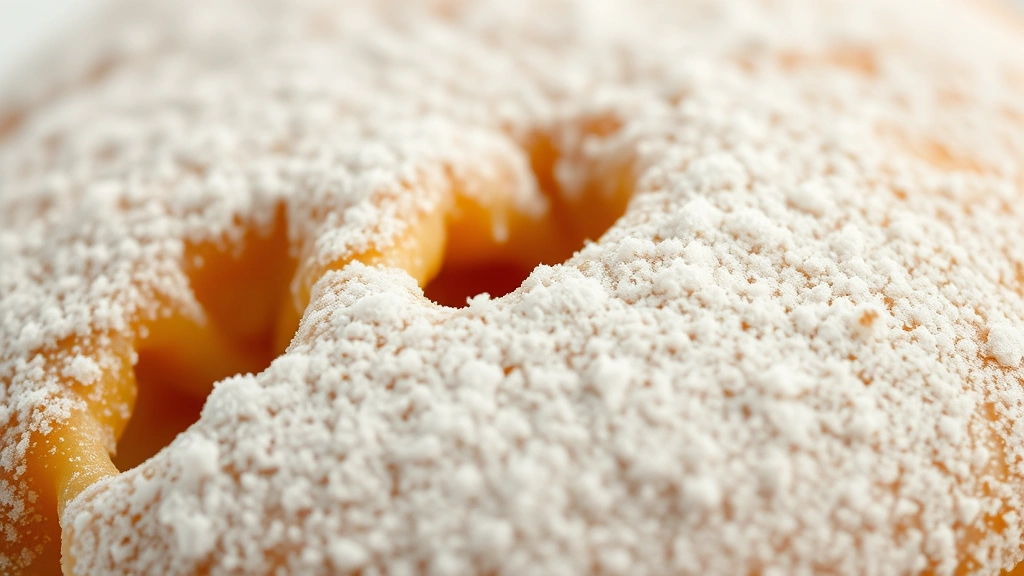
While your buñuelos are still warm, mix the ¼ cup sugar with 2 teaspoons of cinnamon in a shallow bowl. Toss each warm buñuelo in the mixture, coating both sides generously. The warmth of the pastry helps the sugar stick beautifully.
Serve immediately—buñuelos are best eaten fresh and warm. They’re perfect on their own, but you can also serve them with chocolate sauce for dipping, dulce de leche, or even a drizzle of honey. If you’re looking for drink pairings, a warm caramel macchiato is surprisingly complementary to buñuelos.
Pro Tips & Tricks
Temperature Control: Invest in a candy/deep-fry thermometer. It’s the single biggest factor in buñuelos success. Eyeballing it doesn’t cut it.
Oil Quality: Use fresh vegetable or peanut oil. Avoid olive oil—the flavor doesn’t work, and it has a lower smoke point. If you’ve used oil for frying before, strain it through cheesecloth and reuse it once more, then discard.
Dough Consistency: If your dough is too dry, the buñuelos will crack during frying. Too wet and they’ll be greasy. Aim for a soft, smooth dough that holds together but isn’t sticky.
Rolling Thickness: Thinner buñuelos (around ⅛-inch) get crispier. Thicker ones stay softer inside. Choose based on your preference. Some people like a crispy exterior with a tender center—that’s the sweet spot at ¼-inch.
Batch Cooking: Make all your dough balls and roll them out before you start frying. This way you’re not juggling dough preparation while managing hot oil.
Storage & Shelf Life
Buñuelos are best eaten the day they’re made, but they’ll keep in an airtight container for 2-3 days at room temperature. They’ll lose some crispiness over time—that’s just the nature of fried pastries.
To refresh day-old buñuelos, pop them in a 300°F oven for 5 minutes. This restores some of the crispness. You can also freeze uncoated buñuelos (after frying) in a freezer bag for up to a month. Thaw at room temperature and re-crisp in the oven before coating with cinnamon sugar.
Variations & Twists
Anise-Flavored Buñuelos: Add 1 teaspoon of anise seeds to your dough for a traditional Mexican twist. Crush them slightly before adding to release the flavor.
Cheese Buñuelos: Some regional variations include crumbled queso fresco mixed into the cinnamon sugar coating. It sounds odd but works beautifully with the sweetness.
Chocolate-Dipped: Melt dark chocolate and dip half of each buñuelo after coating with cinnamon sugar. Let it set on parchment paper.
Dulce de Leche Filling: If you’re feeling ambitious, make a small pocket in each dough circle, add a teaspoon of dulce de leche, seal the edges, and fry. It’s like a fried empanada dessert.
These variations keep your buñuelos recipe fresh and exciting for repeat batches. Your family will appreciate the creativity.
Frequently Asked Questions
Can I bake buñuelos instead of frying them?
Not really. The whole appeal of buñuelos is the crispy, fried exterior. Baking produces a completely different texture—more like a biscuit than a buñuelo. If you’re avoiding fried foods, consider making buckwheat bread instead, which offers a different but equally satisfying texture.
Why are my buñuelos turning out greasy?
Your oil temperature is too low. If it’s below 350°F, the dough absorbs oil instead of frying quickly. Use a thermometer and maintain 375°F throughout cooking. Also, make sure you’re not overcrowding the pan—too many buñuelos at once drops the temperature significantly.
Can I make the dough ahead of time?
Yes. Prepare the dough, cover it tightly with plastic wrap, and refrigerate for up to 8 hours. Let it come to room temperature before rolling out. You can also freeze the dough balls for up to a month—thaw overnight in the fridge before rolling.
What’s the difference between buñuelos and churros?
Churros use a choux dough (similar to cream puffs) piped into long strips, while buñuelos use a simple dough rolled flat and cut into circles. Buñuelos are also typically smaller and often puffier. Churros are usually served with chocolate sauce, while buñuelos get the cinnamon sugar coating.
Can I use whole wheat flour?
You can substitute up to 50% whole wheat flour, but your buñuelos will be denser and less fluffy. Whole wheat absorbs more water, so you might need to adjust the water amount slightly. For the most authentic texture, stick with all-purpose flour.
How do I know when the oil is ready?
Use a thermometer—no guessing. If you don’t have one, drop a small piece of dough in the oil. It should sizzle immediately and rise to the surface within 5-10 seconds. If it sinks or browns too quickly, adjust your heat.
Can I make mini buñuelos?
Absolutely. Roll the dough thinner and cut into smaller circles using a biscuit cutter. They’ll cook faster—maybe 45 seconds per side. Mini buñuelos are perfect for parties or if you want portion control.
Final Thoughts
This buñuelos recipe proves that authentic Mexican desserts don’t require complicated techniques or rare ingredients. With just flour, water, oil, and spices, you can create something that tastes like it came from a professional kitchen. The 30-minute timeline is real—from mixing dough to serving warm pastries.
The key is respecting the process: proper oil temperature, thin rolling, and quick frying. Once you nail those three things, you’ll be making buñuelos that rival anything you’d find at a street fair. Your family will be asking for them regularly, and you’ll have a go-to dessert that impresses every single time.
So grab your thermometer, heat that oil, and get ready to make some magic happen in your kitchen. Buñuelos are waiting.


