

A solid brussels sprouts recipe balsamic is one of those kitchen staples that transforms a vegetable most people avoid into something genuinely crave-worthy. If you’ve been intimidated by these little green orbs or written them off as bitter disappointments from childhood dinners, it’s time to reconsider. The magic happens when you combine high heat, quality balsamic vinegar, and a no-nonsense approach to roasting. I’m going to walk you through exactly how to nail this every single time.
Table of Contents
Choosing Your Brussels Sprouts
Start with the right raw material. You want firm, dense brussels sprouts with tight leaves and no yellowing or soft spots. Size matters more than you’d think. Smaller sprouts (about 1 to 1.5 inches in diameter) roast more evenly and develop better caramelization than oversized ones. If you end up with larger specimens, cut them in half lengthwise to ensure consistent cooking.
The fresher your produce, the sweeter the final result. That natural sweetness is what makes this balsamic brussels sprouts recipe work so well. When you hit them with heat, the sugars concentrate and the balsamic vinegar amplifies those caramelized notes. Look for brussels sprouts that feel heavy for their size—that density indicates they’re packed with moisture and flavor.
Prep Work Matters
Don’t skip the cleaning step. Rinse your brussels sprouts under cool running water and pat them completely dry with a kitchen towel. Any moisture clinging to the surface will steam rather than roast, and you’ll miss out on that crucial browning. This is the difference between soggy disappointment and crispy-edged perfection.
Trim the stem end, removing any yellowed or damaged outer leaves. You don’t need to go crazy here—just remove what’s obviously past its prime. Leave the inner leaves intact; they’ll crisp up beautifully in the oven. If you’re working with larger sprouts, halve them lengthwise, keeping the core intact so the leaves stay connected during roasting.
Seasoning Strategy
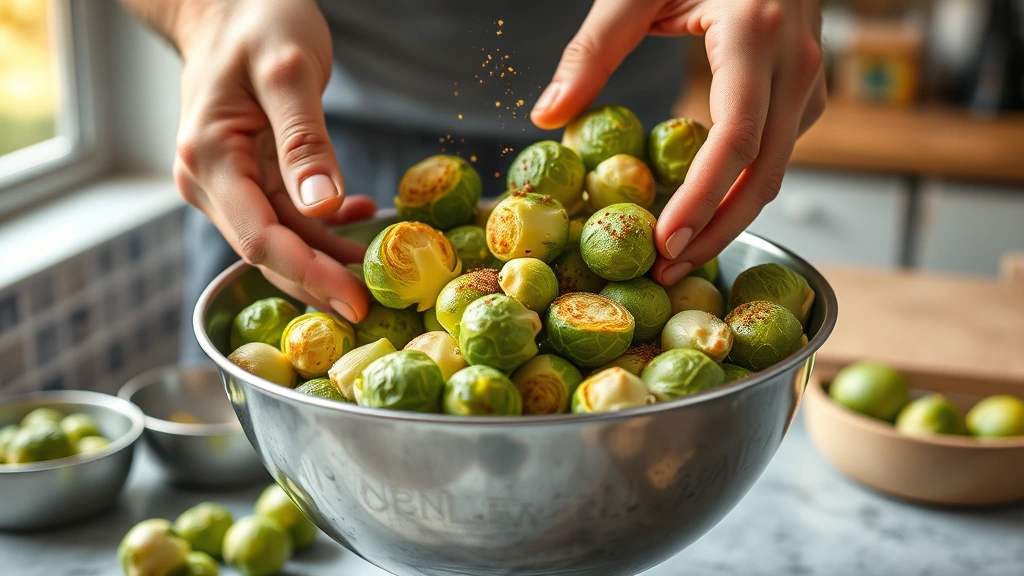
This is where most home cooks go wrong. They under-season. Toss your prepared brussels sprouts in a large bowl with quality olive oil—about 3 tablespoons per pound of sprouts. Add kosher salt and freshly ground black pepper. Don’t be timid. You want every piece coated evenly. A pinch of garlic powder and a light dusting of smoked paprika add depth without overwhelming the natural flavor.
Some recipes call for honey or maple syrup at this stage. I prefer to keep the seasoning simple here and let the balsamic vinegar handle the sweet-savory complexity. Save your upgrades for after roasting, when you can taste and adjust as needed. This approach gives you more control over the final flavor profile.
Roasting Technique
Spread your seasoned brussels sprouts in a single layer on a rimmed baking sheet, cut-side down. Don’t crowd the pan. You want space between each piece so steam can escape and air can circulate. If you’re roasting a large batch, use two baking sheets rather than piling everything onto one.
The cut-side-down positioning is critical. That flat surface makes direct contact with the hot pan, creating a caramelized crust. You’re essentially searing them in the oven. Flip them halfway through cooking so the rounded sides get some color too. This two-sided approach creates texture contrast—crispy exterior, tender interior.
Balsamic Glaze Magic
Here’s the real secret to an outstanding brussels sprouts balsamic recipe: use a quality balsamic vinegar. You don’t need the 25-year-old barrel-aged stuff, but avoid the cheap supermarket versions that taste like sweetened vinegar water. Look for balsamic from Modena or Reggio Emilia if possible.
In a small saucepan, combine 1/3 cup balsamic vinegar with 1 tablespoon honey or maple syrup. Heat gently over medium heat, stirring occasionally, until it reduces to about 3 tablespoons of glossy, syrupy liquid. This takes 8-10 minutes. You’re concentrating the flavors and creating a coating that’ll stick to your roasted sprouts. The reduction should coat the back of a spoon and drip slowly when tilted.
Timing and Temperature
Set your oven to 400°F (200°C). This temperature is hot enough to create serious caramelization without burning the outer leaves before the interior cooks through. Roast for 20-25 minutes total, flipping halfway through at the 12-minute mark.
You’re looking for deep brown, almost blackened spots on the outer leaves. This isn’t burning—it’s the Maillard reaction creating complex, savory flavors. The leaves should be crispy, and when you pierce the center with a fork, it should be tender but not mushy. Timing varies slightly based on your oven’s actual temperature and the size of your sprouts, so start checking at 20 minutes.
Serving Suggestions
Remove the roasted brussels sprouts from the oven and immediately transfer them to a clean bowl. Drizzle with your balsamic reduction while they’re still hot—the warmth helps the glaze adhere and creates a light caramelized coating. Toss gently to coat evenly.
This dish works as a standalone side, but it’s also fantastic tossed with warm farro or quinoa for a grain bowl. Add some crumbled goat cheese or toasted nuts for protein and richness. If you’re looking for more substantial meal ideas, check out our Authentic Jambalaya Recipe for inspiration on building complete dinner plates.
Troubleshooting Tips
If your brussels sprouts come out pale and steamed rather than caramelized, your oven temperature was too low or you overcrowded the pan. Next time, verify your oven temperature with an oven thermometer and give each sprout breathing room.
If they’re burnt on the outside but raw inside, your heat was too high or you didn’t flip them. Stick with 400°F and flip at the halfway mark. If they’re mushy, you roasted them too long. Start checking at 18 minutes instead of 20.
Bitterness usually indicates you’re using old, large sprouts or you’ve overdone the cooking. Fresher, smaller sprouts and careful timing solve this. The balsamic vinegar should add sweetness that balances any residual bitterness naturally.
Variations and Upgrades
Once you’ve nailed the basic technique, experiment with additions. Crispy bacon bits, toasted walnuts, or candied pecans add textural contrast. A sprinkle of Parmesan cheese after roasting brings umami depth. For inspiration on sweet-savory combinations, our How to Make Candy Apples article explores similar flavor balancing principles.
Try adding a splash of aged balsamic vinegar directly to the pan after flipping for extra complexity. Or finish with a drizzle of truffle oil for a luxurious version. Some cooks add a pinch of red pepper flakes for heat, or a touch of Dijon mustard for tang.
Storage and Leftovers
Roasted brussels sprouts with balsamic keep well in an airtight container in the refrigerator for up to 4 days. They’re actually better the next day after the flavors have melded. Reheat gently in a 325°F oven for about 8 minutes to restore some crispness, or eat them cold straight from the fridge—they’re delicious either way.
Don’t store the balsamic glaze with the sprouts if you want to maintain maximum crispness. Apply it fresh each time you serve. If you’re meal prepping, store the roasted sprouts separately and glaze them just before eating.
Frequently Asked Questions
Can I make this recipe ahead of time?
Yes. Roast the brussels sprouts up to 3 days in advance and store them in an airtight container. Make your balsamic reduction separately and store it in a jar. Combine them just before serving for the best texture and flavor impact.

What if I don’t have balsamic vinegar?
Red wine vinegar mixed with a touch of honey creates a similar profile, though it won’t be quite as complex. Apple cider vinegar works in a pinch too. You could also use conversion measurements if you need to scale the recipe differently.
How do I prevent burnt edges?
Lower your oven temperature to 375°F and add 5 minutes to the cooking time. Use parchment paper under your sprouts to diffuse heat from the pan bottom. Flip them more frequently if you see excessive browning developing.
Can I use frozen brussels sprouts?
Fresh is always better for this recipe, but frozen works in a pinch. Thaw them completely, pat them very dry, and proceed as normal. They may not caramelize quite as well since they’ve lost some moisture during freezing, but they’ll still be tasty.
What size pan should I use?
A standard 18×13-inch rimmed baking sheet works perfectly for about 1.5 pounds of brussels sprouts. Don’t use a smaller pan or you’ll crowd them. If you have more than 2 pounds, use two sheets.
Is this recipe vegetarian?
Yes, as written. If you add bacon, it becomes omnivorous. The base recipe is completely plant-based and works great for vegetarian and vegan diets.
How much balsamic reduction do I need?
About 1/3 cup of vinegar reduces to roughly 3 tablespoons of glaze, which coats 1.5 pounds of brussels sprouts nicely. Scale proportionally if you’re making more or less.
Final Thoughts
A great brussels sprouts recipe balsamic is genuinely simple—good ingredients, proper technique, and respect for the cooking process. You’re not doing anything complicated here. You’re just applying heat, timing, and balance to transform a humble vegetable into something restaurant-quality.
The beauty of this approach is that it works every single time once you understand the principles. Start with fresh sprouts, don’t overcrowd your pan, flip halfway through, and finish with quality balsamic reduction. That’s the formula. Master these basics, and you’ll have a side dish that impresses everyone at your table.
For more cooking fundamentals and kitchen techniques, explore our collection of recipes and guides. Whether you’re working on precision measurement skills or expanding your culinary repertoire, the same attention to detail applies across the board.


