
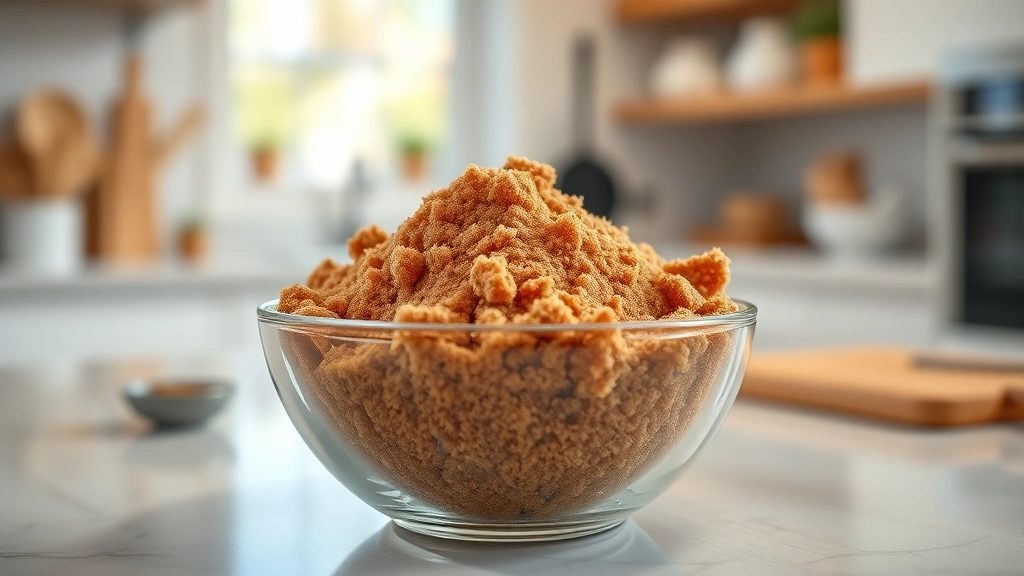
A brown sugar recipe isn’t complicated—it’s actually one of the easiest kitchen hacks you can master. Whether you’ve run out of brown sugar mid-baking or just want to know what’s really in that box, making it at home takes five minutes and two ingredients. No fancy equipment, no chemistry degree required. Just your kitchen staples and a little know-how.
Table of Contents
The Classic Two-Ingredient Method
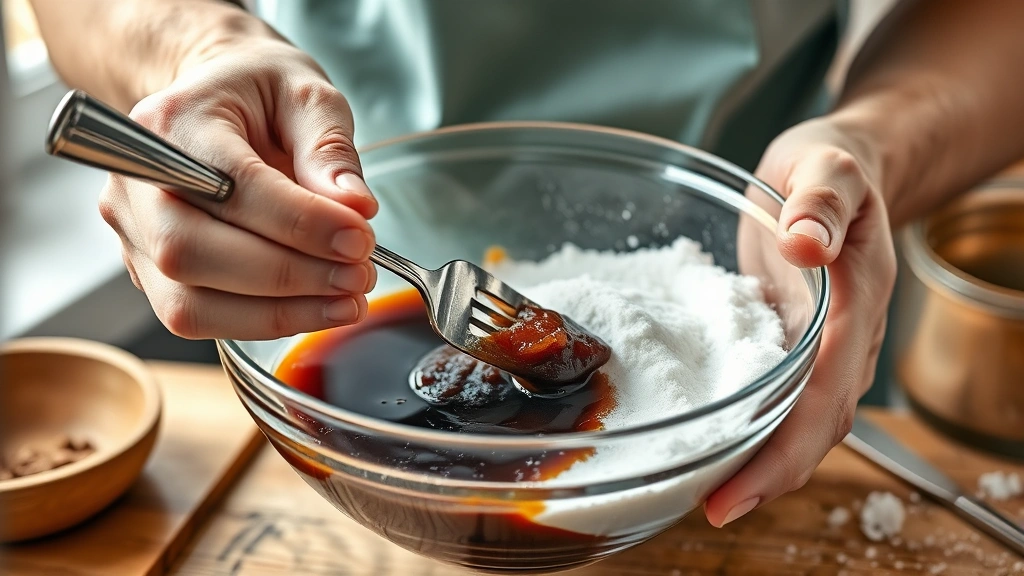
Here’s the reality: brown sugar is just white granulated sugar plus molasses. That’s it. No mystery ingredients, no industrial processing you can’t replicate. The brown sugar recipe that works best starts with one cup of white sugar and one tablespoon of molasses.
Grab a mixing bowl and combine your white sugar with molasses. Use a fork or small whisk to break up any clumps in the molasses first—cold molasses can be stubborn. Then mix thoroughly until the color is even throughout. You’re looking for a uniform tan or brown color with no white streaks. Takes about two minutes of stirring, and you’ve got fresh brown sugar that tastes better than store-bought because it’s literally fresher.
The beauty of this brown sugar recipe is that you control the moisture content. Store-bought versions often contain additives to keep them from hardening. Homemade brown sugar will be slightly drier, but that’s actually an advantage if you’re using it in recipes like authentic bolognese recipe sauces where you want defined texture rather than clumping.
Honey Brown Sugar Variation
Not a molasses fan? Try the honey brown sugar recipe instead. Use one cup of white sugar with one tablespoon of honey. The flavor profile shifts slightly—honey brings a floral sweetness that molasses can’t match. This variation works particularly well in baking recipes where you want subtle complexity.
The mixing process is identical. Combine, stir until even, and you’re done. Honey-based brown sugar tends to stay slightly softer than molasses-based versions, which some bakers prefer. If you’re making something like Amish cinnamon bread recipe, the honey variation adds an extra dimension that complements the spices beautifully.
One heads-up: honey brown sugar absorbs moisture from the air faster than molasses-based versions. Store it in an airtight container and use within a week for best results.
Dark vs Light Brown Sugar
The difference between dark and light brown sugar comes down to molasses content. Light brown sugar uses less molasses—about one tablespoon per cup of white sugar. Dark brown sugar uses more—typically two to three tablespoons per cup.
For a light brown sugar recipe, stick with the basic one-tablespoon ratio. For dark brown sugar, increase the molasses to two tablespoons. The color should be noticeably darker, almost chocolate-brown. Dark brown sugar has a deeper, more caramel-forward flavor that works great in savory applications like barbacoa recipe slow cooker dishes where you want rich, complex sweetness.
Light brown sugar is more versatile for general baking. Use it when a recipe just says “brown sugar” without specifying. Dark brown sugar is your choice when you want that molasses flavor to shine through—cookies, brownies, and slow-cooked meat rubs benefit from the extra depth.
Storage and Freshness Tips
Homemade brown sugar is best used immediately, but you can store it for several weeks. The key is keeping moisture out while preventing it from drying completely. Use a mason jar with a tight-sealing lid, or even a ziplock bag with as much air pressed out as possible.
If your brown sugar hardens—and it will eventually—don’t toss it. Place a slice of bread or a damp paper towel in the container overnight. The moisture redistributes, and your sugar softens back up. This works because brown sugar wants to absorb moisture, which is why it clumps in the first place.
Store in a cool, dark place away from direct sunlight. Room temperature is fine; you don’t need to refrigerate it. A kitchen cabinet away from the stove works perfectly. Check it weekly during the first month to monitor moisture levels and adjust storage as needed.
Using Homemade Brown Sugar
Your homemade brown sugar recipe works identically to store-bought in any baking application. Cookies, cakes, muffins—use the same measurements. The flavor might actually be slightly better because you’re using fresh molasses rather than molasses that’s been sitting in a warehouse.
In cookies, brown sugar creates chewiness. In cakes, it adds moisture and subtle caramel notes. In quick breads, it deepens the flavor profile. If you’re baking something like checking how long it takes to preheat an oven for brown sugar recipes, standard oven temperatures apply—no adjustments needed.
One advantage of homemade brown sugar: you can adjust the molasses content to your taste. Prefer more molasses flavor? Add an extra half-tablespoon. Want it milder? Use three-quarters of a tablespoon. This customization is something you can’t do with commercial products.
Emergency Substitutes Explained
If you don’t have molasses on hand, you can make a brown sugar recipe using other liquid sweeteners. Maple syrup works—use one tablespoon per cup of sugar. The flavor shifts toward maple, which is perfect for some applications and less ideal for others. Dark maple syrup gives you a darker sugar; light maple syrup stays lighter.
Honey, as mentioned, is another solid substitute. So is dark corn syrup or even a mixture of white sugar with a tiny bit of food coloring mixed with water. These aren’t ideal long-term solutions, but they work in a pinch when you need brown sugar immediately.
The most important thing: whatever liquid you use, it needs to be something that adds flavor and color, not just moisture. Water alone won’t work because it’ll evaporate and you’ll be left with white sugar again.
Making Larger Batches
If you bake frequently, make a bigger batch of brown sugar recipe at once. The ratios scale perfectly: two cups white sugar with two tablespoons molasses, three cups white sugar with three tablespoons molasses, and so on. Mix in a larger bowl and store in multiple containers.
A food processor speeds up larger batches. Pulse the white sugar and molasses together for 30 seconds to ensure even distribution. This is especially helpful if you’re making dark brown sugar with extra molasses—the processor ensures no pockets of concentrated molasses that would be unpleasantly strong.
Label your containers with the date and type (light or dark). If you’re making both varieties, this prevents confusion mid-recipe. Store each batch separately since dark brown sugar’s extra molasses means it’ll soften faster than light brown sugar.
Troubleshooting Common Issues
If your brown sugar recipe turns out too dry, you didn’t use enough molasses or it wasn’t mixed thoroughly. Next time, add an extra half-tablespoon of molasses and mix for a full three minutes. If it’s too wet and clumpy, you used too much molasses. Reduce by half a tablespoon next time.
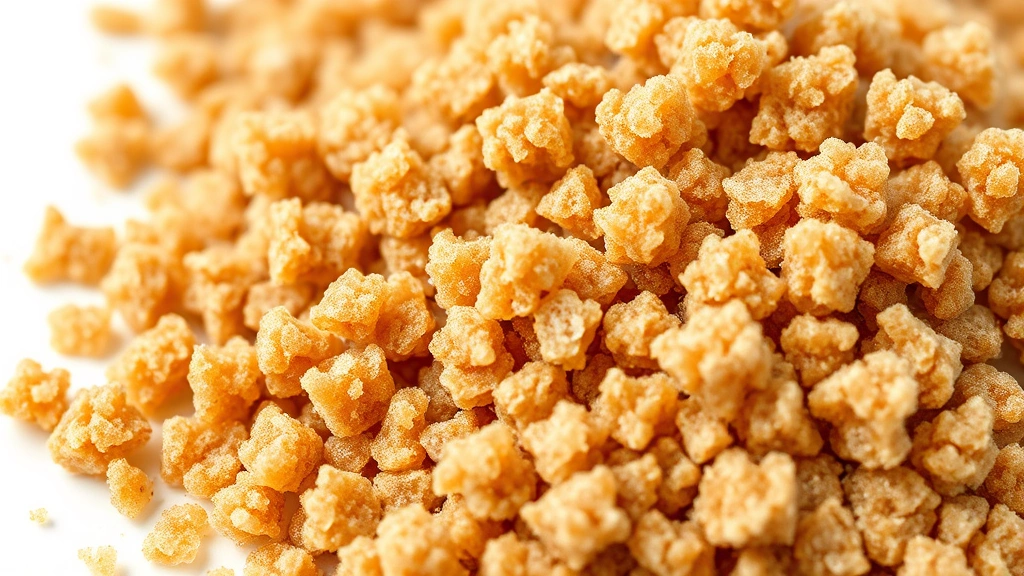
If the color is uneven with white and brown streaks, you haven’t mixed long enough. Use a fork to really work the molasses into the sugar, breaking up any clumps. A small hand mixer on low speed works great for this—30 seconds and it’s perfectly incorporated.
If your brown sugar hardens quickly, increase storage container seal quality. Switch to a mason jar instead of a regular container. If it hardens in the jar, you’re storing it somewhere too dry or warm. Move it to a cooler location or add a moisture regulator packet designed for brown sugar storage.
Frequently Asked Questions
Can I use blackstrap molasses instead of regular molasses?
Yes, but the flavor will be significantly stronger and more bitter. Blackstrap molasses is great for specific applications like barbecue rubs or spice cookies, but it’s overpowering in delicate baked goods. Start with half a tablespoon and taste-test before committing to a full batch.
How long does homemade brown sugar last?
Properly stored in an airtight container, homemade brown sugar lasts 4-6 weeks. It won’t spoil, but it will harden and may develop off-flavors if exposed to air. Make smaller batches more frequently if you want the freshest product.
Is homemade brown sugar cheaper than store-bought?
Yes. Molasses costs pennies, and white sugar is inexpensive. Making your own saves money, especially if you bake regularly. A one-pound bag of brown sugar costs $2-3; you can make the equivalent for under 50 cents.
Can I make brown sugar in a food processor?
Absolutely. Pulse white sugar and molasses together for 30-45 seconds. This ensures even distribution and is faster than hand-mixing, especially for larger batches. Just don’t over-process—you’ll create a paste rather than granulated sugar.
What if my recipe specifies dark brown sugar but I only have light?
You can use light brown sugar as a substitute, but the flavor will be milder. The recipe will still work. If you want to match the flavor profile more closely, add an extra tablespoon of molasses to your next batch and use that instead.
Does brown sugar recipe work in savory cooking?
Yes. Brown sugar adds depth to savory sauces, glazes, and rubs. It’s particularly good in Asian-inspired dishes, barbecue sauces, and slow-cooked meat dishes. Dark brown sugar works better than light for savory applications because of its stronger molasses flavor.
Can I substitute honey for molasses 1:1?
Not quite. Honey is sweeter than molasses, so use slightly less—about three-quarters of a tablespoon per cup of sugar instead of a full tablespoon. This prevents the brown sugar from becoming overly sweet and losing the subtle molasses character you’re after.
Final Thoughts
Making a brown sugar recipe at home is one of those kitchen skills that feels fancier than it actually is. You’re not creating something complex; you’re just understanding what brown sugar actually is and reproducing it with ingredients you probably already have. Once you’ve made it once, you’ll never stress about running out mid-recipe again.
The best part? Homemade brown sugar tastes fresher and you can customize the molasses content to match your exact preferences. Whether you’re baking cookies, making a barbecue glaze, or sweetening your morning coffee, you’ve got the knowledge to make brown sugar whenever you need it. Keep molasses in your pantry, and you’re always three minutes away from fresh brown sugar.


