
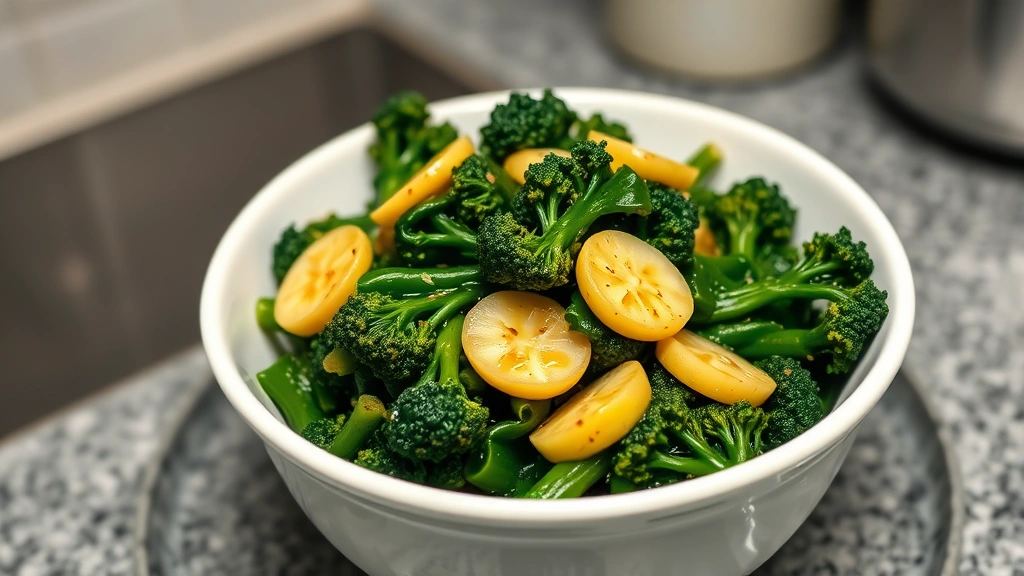
A broccoli rabe recipe doesn’t need to be complicated—in fact, the Italian way is refreshingly simple and ready in 15 minutes flat. If you’ve never cooked this slightly bitter, leafy green before, you’re missing out on one of the easiest vegetable dishes that’ll make you look like you spent hours in the kitchen. We’re talking garlic, olive oil, a pinch of red pepper flakes, and boom—dinner’s done.
Table of Contents
What Is Broccoli Rabe?
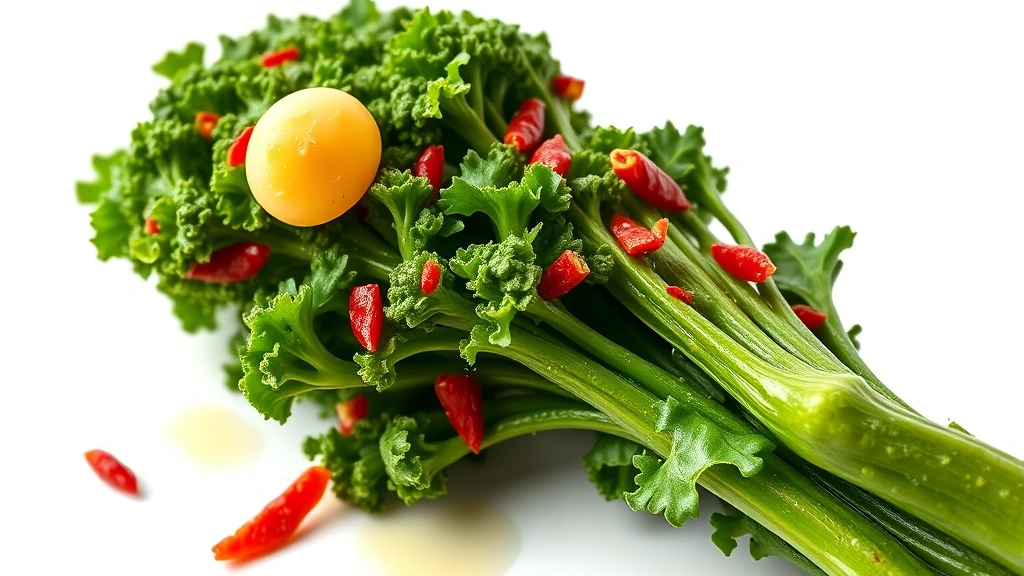
Broccoli rabe—also called rapini—is a leafy green vegetable that looks like broccoli’s scrappy cousin. Instead of one big head, you get long stems with smaller florets and lots of leaves. The flavor’s got a slight bitter edge, which is exactly what makes it so addictive when prepared right. It’s a staple in Italian, Chinese, and Portuguese cooking for good reason. You’ll find it at most grocery stores year-round, though it’s best in cooler months. Don’t confuse it with regular broccoli—they’re different plants entirely, and broccoli rabe cooks way faster.
Gather Your Ingredients
Here’s what you need for an authentic broccoli rabe recipe that serves 4 as a side dish:
- 1.5 pounds fresh broccoli rabe
- 6 cloves garlic, sliced thin
- 1/4 cup extra-virgin olive oil
- 1/2 teaspoon red pepper flakes (adjust to taste)
- Salt and black pepper
- Optional: 1/4 teaspoon nutmeg or a squeeze of lemon juice
That’s genuinely it. The beauty of this broccoli rabe recipe is that quality ingredients shine through. Use good olive oil—it’s not a place to skimp. If you’re making this as part of a larger meal, consider pairing it with something hearty like how to make gravy from drippings for a complete dinner setup.
Prep Work Matters
Rinse your broccoli rabe under cold water and pat it dry—moisture is your enemy when you’re trying to get good flavor. Now here’s the key: trim about an inch off the bottom of the stems. Those bottom bits are woody and tough. You’re not throwing away the whole stem though; the upper stems are tender and totally edible. Some people peel the thicker stems with a vegetable peeler to remove the fibrous outer layer, which is a nice touch if you’ve got the time. Cut everything into 2-3 inch pieces so it cooks evenly. Keep the florets and leaves separate from the stems—they cook at different speeds.
Blanch the Greens
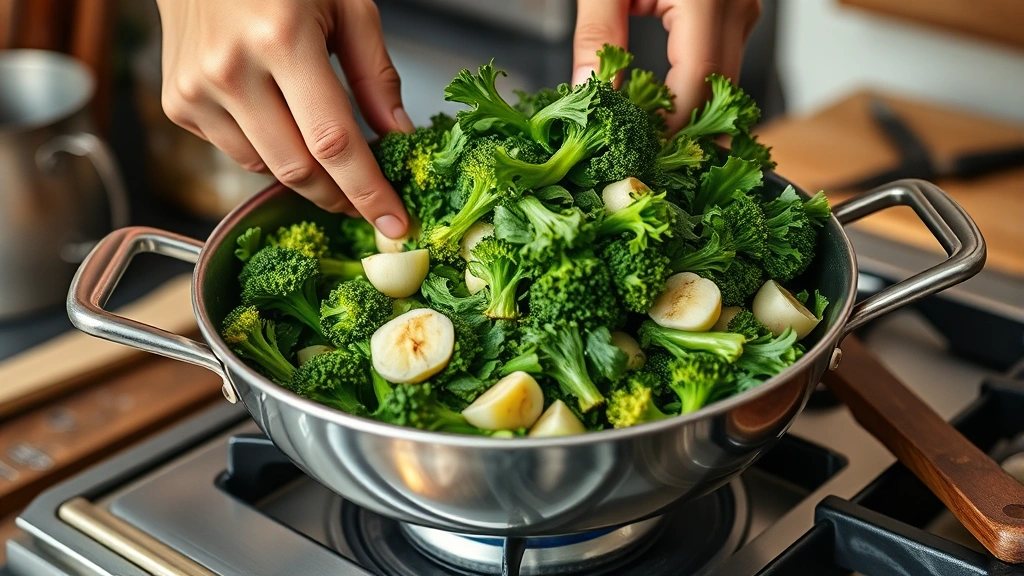
Bring a large pot of salted water to a rolling boil. We’re talking heavily salted—like the sea. Drop in your broccoli rabe stems first since they need a head start. After about 2 minutes, add the florets and leaves. You’re looking for tender-crisp, not mushy. Total blanching time is usually 3-4 minutes. You want the broccoli rabe to still have some bite to it. Drain it in a colander and let it sit for a minute to stop cooking. Don’t rinse it—that’s a common mistake. You want it slightly damp so the garlic oil clings to it properly.
Garlic Oil Magic
While the broccoli rabe is blanching, get your garlic ready. Slice it thin—not minced, sliced. There’s a difference in how it cooks and tastes. Heat your olive oil in a large skillet over medium heat. Once it shimmers, add the garlic slices. Here’s where patience pays off: let them cook slowly for about 2-3 minutes, stirring occasionally. You’re not trying to brown them hard; you want them golden and fragrant. Add your red pepper flakes and cook for another 30 seconds. This blooms the spice and distributes the heat evenly through the oil.
Bring It Together
Now dump your drained broccoli rabe into that gorgeous garlic oil. Toss everything together over medium heat for about 2 minutes. The greens will absorb the oil and flavor. Season with salt and black pepper to taste. If you’re using nutmeg, just a whisper—like 1/8 teaspoon—adds a subtle warmth that elevates the whole dish. A squeeze of fresh lemon juice at the end brightens everything up. Taste as you go. This broccoli rabe recipe is forgiving, but seasoning is personal.
Serving Suggestions
Serve this immediately while it’s still warm. It’s perfect alongside grilled chicken, roasted fish, or pasta. Italians often pair it with sausage or use it as a pizza topping. You can toss it with pasta and a bit of the cooking water to make it creamier. Some folks serve it on crusty bread with a drizzle of good olive oil for a simple starter. It’s also excellent cold the next day as part of a salad or antipasto platter. Think about pairing your broccoli rabe with other homemade sides—if you’re making a full Italian spread, how to make apple sauce works great for dessert.
Storage Tips
Store leftovers in an airtight container in the fridge for up to 4 days. The broccoli rabe will soften slightly as it sits, which is fine. You can reheat it gently in a skillet with a splash of olive oil, or eat it cold straight from the container. Don’t freeze it—the texture gets weird. If you’re batch-cooking for the week, this broccoli rabe recipe holds up better than most greens because of the oil coating protecting it from oxidation.
Variations to Try
Once you’ve nailed the basic broccoli rabe recipe, start experimenting. Add anchovy paste to the garlic oil for a deeper umami kick. Toss in some white wine before adding the greens for acidity. Use garlic-infused oil if that’s your thing. Some people add a handful of raisins or pine nuts for texture contrast—very Sicilian. You can substitute half the olive oil with butter for richness, though that’s not traditional. If you want something completely different, check out how to make apple cider for a completely different flavor profile to pair with your meal prep.
Frequently Asked Questions
Can I skip the blanching step?
You can, but you shouldn’t. Blanching removes bitterness and ensures even cooking. If you skip it, the stems stay tough while the leaves get mushy. Give it the 3-4 minutes—it’s worth it.
Is broccoli rabe the same as regular broccoli?
No. Broccoli rabe is leafier, more bitter, and cooks faster. Regular broccoli is milder and has a bigger head. They’re different plants, so don’t swap them one-to-one in recipes.
What if I can’t find broccoli rabe?
You can substitute with regular broccoli, kale, or even spinach, but the flavor profile changes. Broccoli rabe has a specific bitterness that’s hard to replicate. Check Asian markets or specialty grocers if your regular store doesn’t carry it.
How do I know when it’s done cooking?
The broccoli rabe should be tender but still have a slight firmness when you bite it. It shouldn’t be limp or mushy. Taste a piece—your mouth will tell you when it’s right.
Can I make this ahead?
Yes, you can prepare it a few hours ahead and reheat gently. The flavor actually improves as it sits because the oil continues to infuse the greens. Just store it covered in the fridge.
What’s the best olive oil for this recipe?
Use extra-virgin olive oil with a fruity or peppery note. This isn’t a refined oil situation. You want to taste the quality. Splurge a little here—it makes a real difference in the final dish.
How spicy should this be?
Start with 1/2 teaspoon red pepper flakes and adjust from there. Some people like it barely warm, others want serious heat. Build your tolerance as you go.
This broccoli rabe recipe is your ticket to looking like a home cooking pro without spending an hour in the kitchen. Fifteen minutes from start to finish, and you’ve got a side dish that’ll have people asking for the recipe. The Italian method works because it respects the ingredient—no fancy techniques, just good technique applied to quality greens and oil. Once you master this version, you’ll find yourself making it constantly. It’s that good, and that simple.


