

Learning breast massage how to perform it correctly can help you manage discomfort, improve circulation, and support overall breast health. Whether you’re dealing with tenderness, lymphatic congestion, or just want to incorporate this wellness practice into your routine, understanding the proper technique matters. This guide walks you through everything you need to know to do it safely and effectively at home.
Table of Contents
Why Breast Massage Matters
Breast tissue responds well to gentle, intentional touch. Regular massage can help reduce cyclical breast pain, improve lymphatic flow, and increase body awareness. Many people experience breast tenderness related to hormonal cycles, and massage offers a natural way to address this without medication. The practice also supports overall wellness by promoting relaxation and reducing tension in the chest area. Think of it like giving your body a chance to reset—similar to how you’d apply cologne with intentional care, massage requires attention to detail and proper technique.
Prep Before You Start
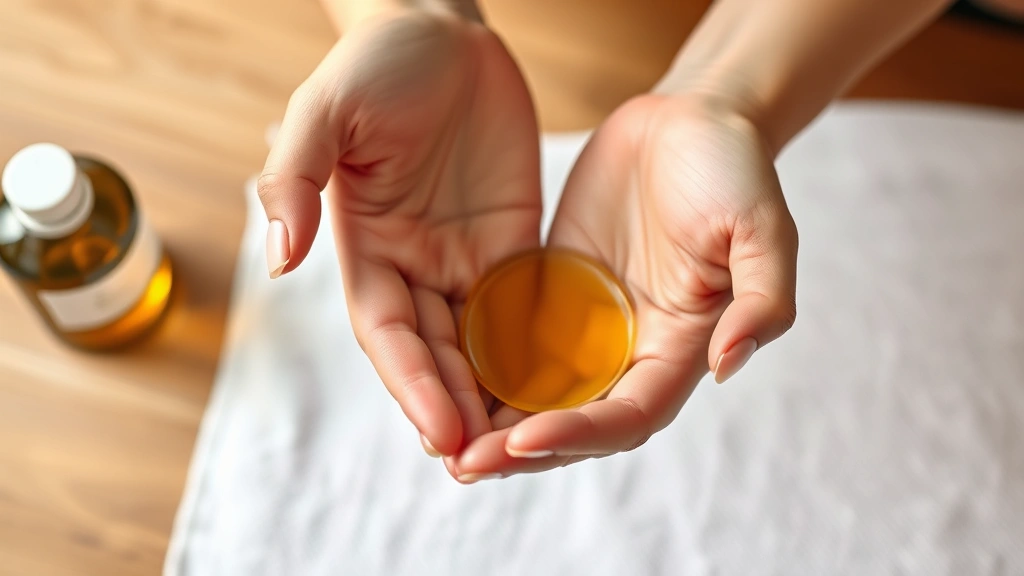
Before you begin any massage routine, set yourself up for success. Find a warm, private space where you won’t be interrupted. Wash your hands thoroughly and trim your fingernails to avoid scratching delicate skin. Gather a good massage oil or lotion—coconut oil, jojoba oil, or a specialized breast massage oil works well. Warm the oil between your palms before applying it to your skin. Wear comfortable, loose clothing that you can easily move in. The goal is to create an environment where you feel relaxed and can focus entirely on the technique. Some people prefer dimmed lighting and soft music to enhance the calming effect.
The Circular Motion Technique
The circular motion is the foundation of effective breast massage. Start at the outer edge of your breast and use your fingertips or palm to make small, slow circles moving inward toward the nipple. Use gentle pressure—think of it as the same pressure you’d use when cleaning delicate gold jewelry. Work your way around the entire breast in a clockwise direction, covering all areas including the upper chest and underarm region where lymph nodes sit. Spend about 2-3 minutes on each breast. The key is consistency and patience—slow, deliberate movements work better than rushing. Pay special attention to any areas that feel tender or congested, but don’t press hard into pain.
Lymphatic Drainage Method
Lymphatic drainage focuses on moving fluid through your system toward the lymph nodes. Start with light strokes from your breast area upward toward your collarbone and neck, where major lymph nodes are located. Use your whole hand with very gentle pressure—this isn’t a deep tissue massage. Work in smooth, upward motions, pausing briefly at the collarbone to allow the lymphatic system to process. Follow this with gentle strokes from the outer breast toward the underarm, where axillary lymph nodes sit. This method is particularly helpful if you’re experiencing swelling or congestion. Many people find this technique most effective when done in the morning or evening as part of a wellness routine, much like how you’d carefully measure windows with precision.
Pressure Guidelines Matter
The pressure you apply makes all the difference between effective massage and potential irritation. Start with very light pressure—about the weight of a few coins resting on your skin. Gradually increase slightly if it feels comfortable, but never press hard enough to cause pain. Your breast tissue is delicate and responds better to gentle, consistent touch than aggressive pressure. If you have implants, cysts, or any breast concerns, use even lighter pressure and consider consulting a healthcare provider first. A good rule of thumb: if you wouldn’t press that hard on your eyelid, don’t press that hard on your breast. Listen to your body and adjust accordingly. Some days you might prefer lighter touch, and that’s perfectly fine.
Timing and Frequency
Consistency beats intensity when it comes to breast massage benefits. Aim for 5-10 minutes per session, performed 3-4 times per week. Many people find the best results by doing massage during specific times—after ovulation if you experience cyclical tenderness, or whenever you notice discomfort. Some prefer morning sessions to start the day with lymphatic stimulation, while others find evening massage more relaxing. You don’t need to spend hours on this; even a quick 5-minute session provides benefits. Think of it like learning a new skill—regular, short practice sessions work better than occasional marathon efforts. If you’re interested in becoming a chiropractor or massage therapist, understanding frequency and timing becomes even more important for client care.
Common Mistakes to Avoid
Many people rush through breast massage or apply too much pressure right away. Avoid pressing directly on the nipple area with intensity—this is sensitive tissue that needs gentle handling. Don’t skip the upper chest and underarm regions; these areas contain important lymph nodes. Another common mistake is using massage oil that’s too cold—always warm it first. Some people try to massage through pain rather than stopping when discomfort occurs. Your body gives signals for a reason; respect them. Also avoid massaging if you have active infection, fever, or unexplained breast lumps without medical clearance. Finally, don’t expect overnight results—breast massage is a practice that works best over weeks and months of consistent application.
When to Seek Professional Help
While self-massage is safe for most people, certain situations warrant professional guidance. If you have new breast lumps, persistent pain that doesn’t improve with massage, or a history of breast surgery, consult your doctor first. Professional massage therapists trained in breast massage can provide personalized technique adjustments and address specific concerns. If you’re recovering from surgery or dealing with lymphedema, a certified lymphatic drainage specialist offers expertise that self-massage can’t match. Similarly, if you’re taking medication or have underlying health conditions, a healthcare provider can advise whether massage is appropriate. Think of professional help as an investment in learning—just as you’d learn proper techniques for removing acrylic paint, learning from experts ensures you’re doing things right.
Frequently Asked Questions
Is breast massage safe for everyone?
Breast massage is generally safe for most people, but certain conditions require medical clearance first. Always consult your doctor if you have breast implants, active infections, unexplained lumps, or a history of breast cancer. Pregnant women should check with their healthcare provider before starting any new massage routine.
How long does it take to see results?
Most people notice improvements in tenderness and comfort within 2-3 weeks of consistent practice. Lymphatic benefits may appear sooner, sometimes within a few days. Results vary based on individual factors, consistency, and the specific concern being addressed.
Can men benefit from breast massage?
Yes, men can benefit from gentle chest massage for relaxation, circulation improvement, and tension relief. The techniques remain the same, using light pressure and circular motions on the chest area.
What’s the best oil to use?
Coconut oil, jojoba oil, sweet almond oil, and specialized breast massage oils all work well. Choose something that feels good on your skin and doesn’t cause irritation. Avoid heavily fragranced products if you have sensitive skin.
Should I massage during my period?
Yes, light massage during your period can actually help with comfort and circulation. Just use extra-gentle pressure since breast tissue may be more sensitive during this time.
Can massage prevent breast cancer?
While massage supports overall health and circulation, it’s not a cancer prevention method. Regular self-exams and professional screenings remain essential for early detection. Use massage as part of a comprehensive wellness approach, not as a substitute for medical care.
Final Thoughts
Mastering breast massage how to do it properly gives you a powerful self-care tool that costs nothing beyond basic oil and takes just minutes per session. The key is starting gently, staying consistent, and listening to your body’s feedback. Whether you’re addressing tenderness, supporting lymphatic health, or simply adding a wellness practice to your routine, these techniques work best when performed with intention and care. Start this week with just one session, and gradually build the habit into your regular self-care schedule. Your body will thank you for the attention and care.


