
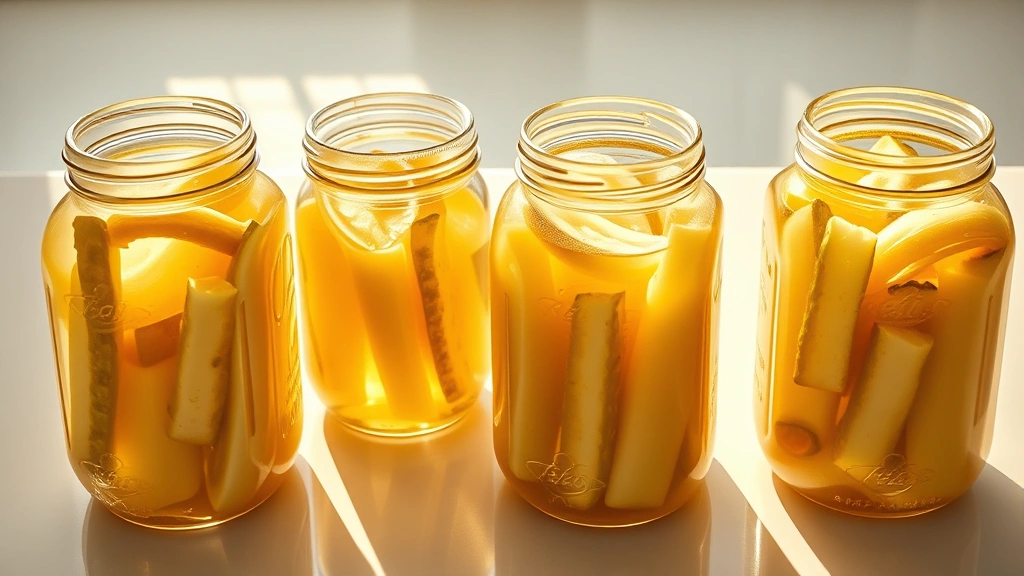
A bread and butter pickle recipe is one of those kitchen projects that feels fancy but honestly couldn’t be simpler—and I’m here to walk you through it like we’re standing in the kitchen together. These tangy-sweet pickles have been a pantry staple for generations, and once you make your first batch, you’ll understand why. The crisp cucumbers, that perfect balance of vinegar and sugar, and the warm spice notes make them impossible to stop eating straight from the jar.
Table of Contents
Why Make Homemade Pickles
Store-bought pickles are fine, but homemade ones hit different. You control the sweetness level, the spice intensity, and you know exactly what’s going into them—no mystery preservatives or additives. Plus, there’s something genuinely satisfying about opening a jar you made yourself months ago and having perfectly preserved pickles ready to go. It’s one of those old-school kitchen skills that actually saves money once you get rolling, and the whole process takes maybe an hour from start to finish.
Gather Your Ingredients
Here’s what you’ll need for a basic bread and butter pickle recipe that yields about four pint jars:
- 4 pounds pickling cucumbers (Kirby or similar small varieties work best)
- 2 large onions, sliced thin
- 3 cups white vinegar (5% acidity)
- 2½ cups sugar
- 2 tablespoons salt
- 1 tablespoon mustard seeds
- 1 teaspoon celery seeds
- ½ teaspoon turmeric
- 4-5 whole cloves per jar
- 2-3 bay leaves
Don’t skip the pickling cucumbers—regular slicing cucumbers have too much water content and won’t stay crisp. You’ll also want sterilized mason jars (pint or quart size), a large stainless steel pot, a funnel, and jar lifters if you have them (tongs work too).
Prepare the Cucumbers
Start with fresh cucumbers picked or purchased within a day or two. Wash them thoroughly under cold running water and scrub gently with a vegetable brush to remove any dirt or blossom ends. The blossom end contains enzymes that can soften pickles, so trim about ¼ inch off that end. Slice the cucumbers into spears, rounds, or chips—whatever size appeals to you. I prefer spears because they’re easier to grab from the jar and they look impressive.
Slice your onions thin and have all your spices measured out and ready. This is what cooks call mise en place, and it makes the actual pickling process smooth and stress-free. It’s the same principle whether you’re making gravy from drippings or any other recipe—prep everything first, then execute.
Make the Pickling Brine
In your large pot, combine the vinegar, sugar, and salt. Bring it to a rolling boil over medium-high heat, stirring occasionally to dissolve the sugar. Once it’s boiling, add the mustard seeds, celery seeds, turmeric, and bay leaves. Let it simmer for about 2 minutes so the spices bloom and release their flavors into the liquid. You’ll notice the brine taking on a golden color from the turmeric—that’s exactly what you want.
The brine is the backbone of your pickles, so don’t rush this step. The longer those spices simmer, the more developed your final flavor will be. This is where the magic happens, transforming simple cucumbers and onions into something genuinely crave-worthy.
Pack and Process Jars
While the brine is simmering, get your jars ready. Sterilize them by running them through a hot dishwasher cycle or boiling them for 10 minutes. Place a few whole cloves in the bottom of each jar, then start layering your cucumber spears and onion slices. Don’t pack them too tightly—leave about ½ inch of headspace at the top. The pickles need room for the brine to circulate.

Carefully pour the hot brine over the cucumbers, filling each jar to within ½ inch of the rim. Use a clean cloth to wipe the jar rims, then place the lids on and screw the bands down until they’re snug but not over-tight. Process the jars in a boiling water bath for 10 minutes (adjust for altitude if you’re above 1,000 feet). When you remove them, let them cool on the counter. You’ll hear the satisfying pop as each lid seals—that’s your signal that they’re shelf-stable.
Storage and Shelf Life
Once sealed, these pickles will keep in a cool, dark pantry for at least a year. The flavor actually improves over a few weeks as everything melds together. After opening, store them in the refrigerator and they’ll stay good for several months. The longer they sit, the softer they become, so eat them within the first few months if you prefer maximum crunch.
If you’re concerned about the canning process, you can also make refrigerator pickles by skipping the water bath—just pour the hot brine over the cucumbers in jars and refrigerate immediately. They’ll be ready to eat in about a week and will keep for a couple of months in the fridge. It’s less commitment and still delicious.
Flavor Variations Worth Trying
Once you’ve nailed the basic bread and butter pickle recipe, experiment with variations. Add sliced jalapeños for heat, fresh dill for an herbaceous note, or a cinnamon stick and a few peppercorns for something deeper. Some people swear by adding a splash of bourbon or apple cider vinegar instead of all white vinegar. You could even try this same basic technique with other vegetables—it works surprisingly well for asparagus if you’re looking to expand your pickling repertoire.
The beauty of homemade pickles is that you can adjust the recipe to match your taste. Like things sweeter? Add another ¼ cup sugar. Prefer vinegar forward? Reduce the sugar slightly. This is your kitchen laboratory, and there are no wrong answers as long as you maintain proper canning safety.
Common Pickle Problems
Soft or mushy pickles usually mean you didn’t trim the blossom ends or you waited too long to process them. Use fresh cucumbers and work quickly. If your pickles are too salty, you added too much salt—measure carefully next time or reduce it by a teaspoon. If they’re not sour enough, increase the vinegar slightly or let them age longer before eating.
Cloudiness in the brine is usually harmless (often just sediment), but if you see actual mold or smell anything off, discard the batch. Proper canning prevents most problems, so follow the water bath steps carefully and don’t skip the sterilization.
Frequently Asked Questions
Can I use regular cucumbers instead of pickling cucumbers?
Technically yes, but they won’t stay as crisp. Pickling varieties have fewer seeds and less water content. If that’s all you have, trim the ends and use them, but expect softer results.

How long before pickles are ready to eat?
They’re technically ready immediately after cooling, but flavor improves significantly over 2-3 weeks. Patience pays off here.
Do I need special canning equipment?
A large pot, mason jars, and lids are the essentials. Jar lifters and funnels make things easier but aren’t required. Tongs and a regular funnel work fine.
What if my lids don’t seal?
If a lid doesn’t pop and seal after cooling, refrigerate that jar and use it within a few weeks. Don’t try to store it at room temperature without a proper seal.
Can I reuse the brine?
Not for canning purposes—always make fresh brine for food safety. But you can reuse it for quick refrigerator pickles if you boil it first.
Why add turmeric if it’s just for color?
Turmeric adds a subtle earthy flavor beyond just the golden hue. It’s a traditional spice in bread and butter pickles and contributes to that classic taste.
Final Thoughts
Making a bread and butter pickle recipe at home is genuinely one of the easiest preserving projects you can tackle. It requires no special skills, minimal equipment, and ingredients you probably already have or can grab at any grocery store. The process is forgiving, the results are delicious, and you’ll feel like a genuine kitchen pro when you’re serving homemade pickles months later.
Start with one batch, taste as you go, and adjust the recipe to your preferences. Once you realize how simple this is, you’ll be making pickles every summer. They’re perfect alongside sandwiches, on charcuterie boards, chopped into potato salad, or honestly just eaten straight from the jar while standing in front of the fridge at midnight. That’s the real test of a good pickle recipe.
For more food preservation inspiration, check out how to make specialty recipes or explore other kitchen techniques. And if you’re looking to expand your kitchen skills beyond the stove, learning something like proper kitchen maintenance keeps your whole cooking space running smoothly.


