
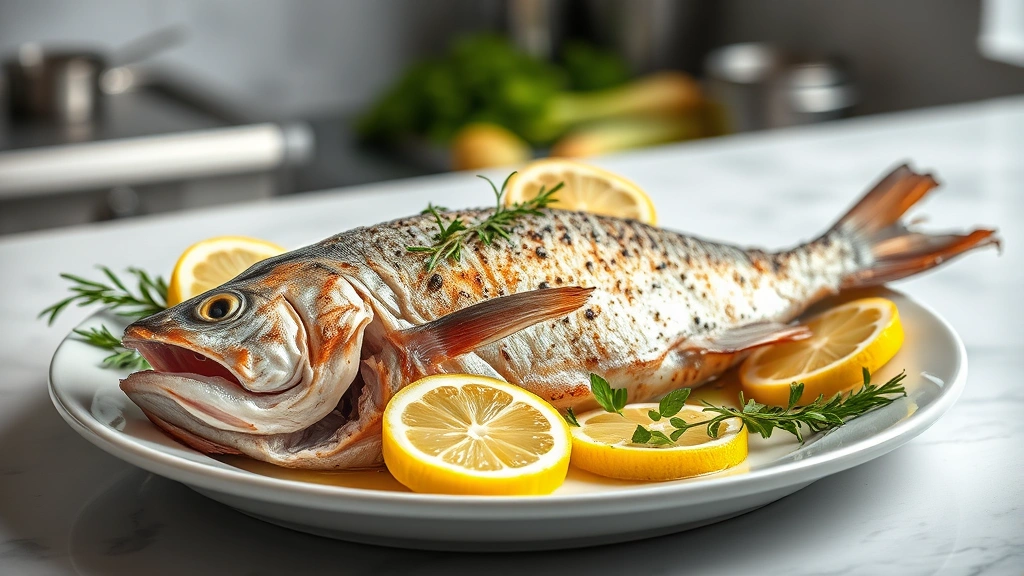
A branzino recipe is your ticket to restaurant-quality fish at home without the fuss or the bill. This Mediterranean sea bass cooks in minutes, stays moist and flaky, and tastes like you’ve been practicing for years. Whether you’re roasting it whole or pan-searing fillets, branzino is forgiving, elegant, and honestly one of the easiest proteins to master in your kitchen.
Table of Contents
Why Branzino Wins
Branzino (also called European sea bass) has a delicate, slightly sweet flavor that doesn’t intimidate beginners. The meat is lean but stays moist during cooking because of its natural oils. Unlike some fish that fall apart or dry out, branzino holds together beautifully whether you roast it whole or fillet it. The skin crisps up nicely when you treat it right, and the bones pull away cleanly from cooked flesh. This is the fish that makes you look like you know what you’re doing, even if you’re winging it.
Picking Fresh Fish Matters
Quality starts at the fish counter. Look for branzino with clear, bright eyes (not cloudy), firm flesh that springs back when you press it, and a fresh ocean smell—not fishy or ammonia-like. Ask your fishmonger when the fish arrived and request it whole or cut to order. Fresh branzino should be cooked within a day of purchase. If you’re buying frozen, thaw it in the fridge overnight, never at room temperature. The difference between fresh and poor-quality fish shows immediately once you start cooking.
Whole Roasted Branzino
Roasting a whole branzino is the showstopper move. Preheat your oven to 425°F. Pat the fish dry inside and out—moisture is the enemy of crispy skin. Season generously with salt and pepper, then stuff the cavity with lemon slices, fresh herbs (thyme, rosemary, or dill work great), and a few garlic slivers. Rub the outside with olive oil, a pinch more salt, and pepper. Place on a lined baking sheet and roast for 12-15 minutes depending on size. The fish is done when the flesh near the backbone is opaque and flakes easily. You can check for doneness by gently separating the flesh from the bone—it should release cleanly without resistance.
Pan-Seared Fillets Method
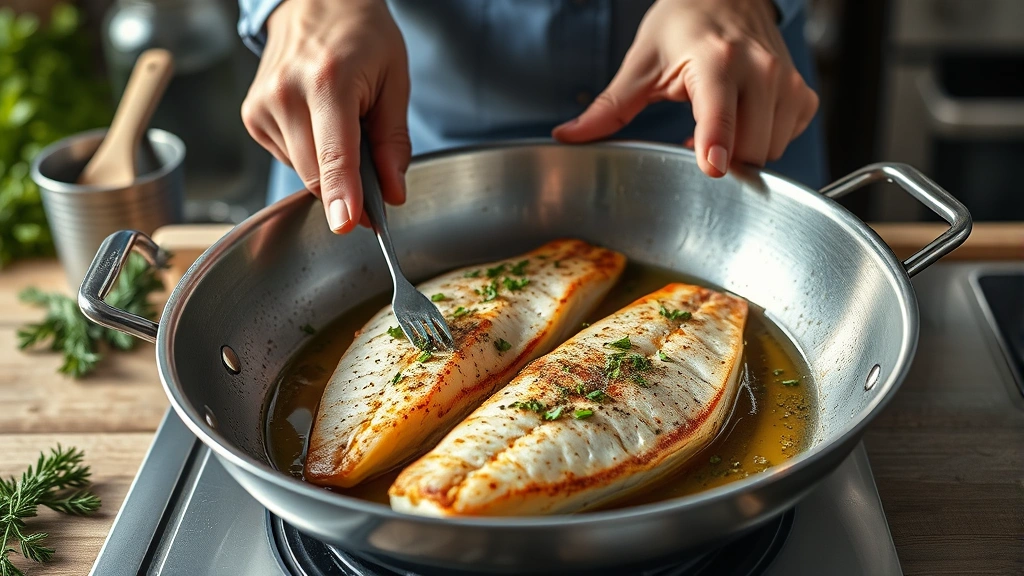
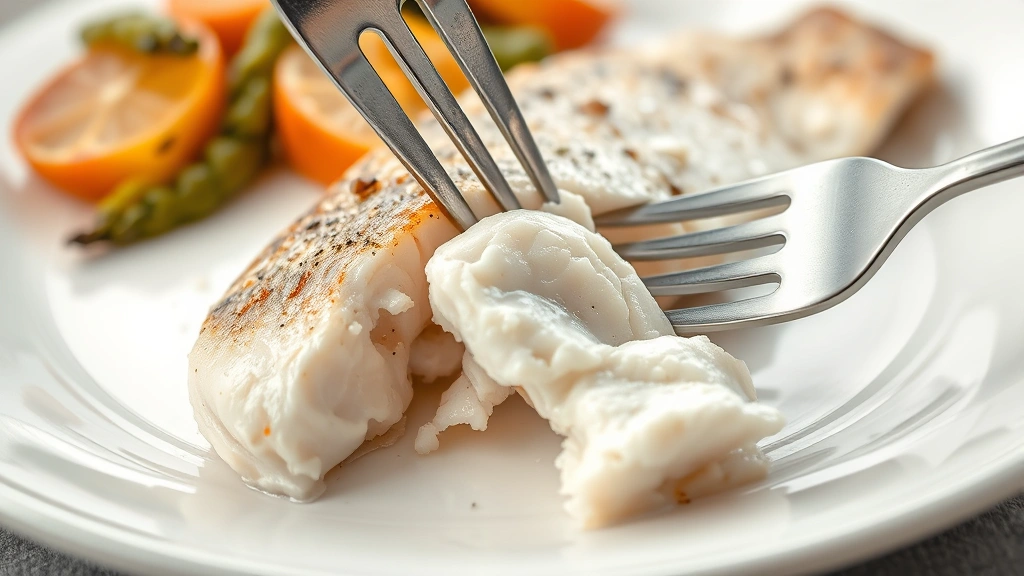
For fillets, ask your fishmonger to skin them or do it yourself with a sharp knife and steady hand. Pat fillets completely dry—this is non-negotiable for a good sear. Heat a skillet over medium-high heat with olive oil until it shimmers. Season fillets on both sides with salt and pepper just before they hit the pan. Place skin-side up first (if skin is still attached) and don’t move them. Let them sear for 3-4 minutes until golden, then flip carefully and cook another 2-3 minutes. The fillet should be opaque throughout and flake apart with gentle pressure from a fork. Overcooked branzino becomes dry fast, so pull it at the first sign of doneness.
Mediterranean Flavor Combos
Branzino pairs with classic Mediterranean ingredients because they’re meant for each other. Try a simple combination: whole roasted fish with lemon, olive oil, and capers. Or go bolder with cherry tomatoes, olives, and oregano scattered around the fish as it roasts. Pan-seared fillets shine with a quick pan sauce—deglaze the skillet with white wine or lemon juice, add butter and fresh herbs, and spoon it over the fish. Fennel, white wine, garlic, and fresh parsley create a restaurant-level dish. The beauty of branzino is that it doesn’t need heavy sauces; bright, acidic, herbaceous flavors let the delicate fish shine. You can also layer flavors carefully by building your seasoning profile gradually rather than dumping everything in at once.
Timing and Doneness
This is where most home cooks mess up. Branzino cooks fast—typically 12-15 minutes for a whole 1.5-pound fish, 5-7 minutes for fillets. Set a timer and check early rather than late. The safest method is an instant-read thermometer: aim for 145°F in the thickest part of the flesh. Visually, the flesh should be opaque and white, not translucent. When you separate the flesh from the bone, it should come away cleanly without any gray or translucent sections. Overcooked branzino tastes dry and loses its delicate appeal, so err on the side of slightly underdone—carryover heat will finish the cooking.
Sides That Matter
Don’t let bland sides undermine your beautiful fish. Roasted asparagus with garlic and lemon takes 15 minutes. Orzo pasta tossed with olive oil, lemon zest, and fresh herbs complements the fish perfectly. A simple green salad with vinaigrette cuts through the richness. Roasted potatoes with rosemary, grilled zucchini, or sautéed spinach all work. The goal is something fresh and bright that echoes the Mediterranean theme. Avoid heavy cream sauces or overly complex sides that compete with the fish. If you’re planning a special dinner, timing your sides to finish with the fish takes practice but impresses everyone at the table.
Storage and Leftovers
Cooked branzino keeps in the fridge for up to 3 days in an airtight container. Reheat gently in a low oven (300°F) with a splash of water to avoid drying it out. Leftover flaked branzino makes excellent salads, pasta dishes, or grain bowls. Mix it with mayo and herbs for a simple sandwich. Store raw branzino on the coldest part of your fridge (usually the bottom shelf) and use within a day. Freezing raw branzino is possible but affects texture; if you do freeze it, wrap it tightly and use within 3 months.
Frequently Asked Questions
Can I substitute another fish for branzino?
Yes. Halibut, sea bass, flounder, or cod work similarly. Adjust cooking time based on thickness—thicker fillets need a few extra minutes. The flavor profile differs slightly, but the technique remains the same.
Should I remove the skin before cooking?
For whole roasted branzino, keep the skin on—it protects the delicate flesh and crisps beautifully. For pan-seared fillets, skin-on creates texture, but skinless fillets are easier for beginners. Ask your fishmonger to leave it on or remove it based on your preference.
What’s the best oil for cooking branzino?
Extra virgin olive oil is traditional and flavorful, but it has a lower smoke point. For high-heat pan-searing, use regular olive oil or avocado oil. Save your best extra virgin for finishing drizzles and sauces.
How do I know if the branzino is fresh?
Fresh branzino has clear, bright eyes; firm flesh that springs back; and a clean ocean smell. Avoid fish with cloudy eyes, soft flesh, or any fishy or ammonia odor. When in doubt, ask your fishmonger—they’re your best resource.
Can I cook branzino on the grill?
Absolutely. Oil the grill grates well, preheat to medium-high, and grill whole fish or fillets for 4-6 minutes per side depending on thickness. Use a fish basket or foil packet to prevent sticking. The grill adds subtle smoky notes that complement the delicate flavor.
Conclusion
A branzino recipe doesn’t need to be complicated to be impressive. Whether you roast it whole with lemon and herbs or pan-sear fillets with a quick pan sauce, this Mediterranean fish delivers restaurant results in 30 minutes. The key is starting with fresh fish, keeping your technique simple, and watching the clock carefully. Once you nail branzino, you’ll cook it regularly because it’s fast, forgiving, and genuinely delicious. Your dinner guests will think you’ve been training in a professional kitchen—and you can let them believe it.


