
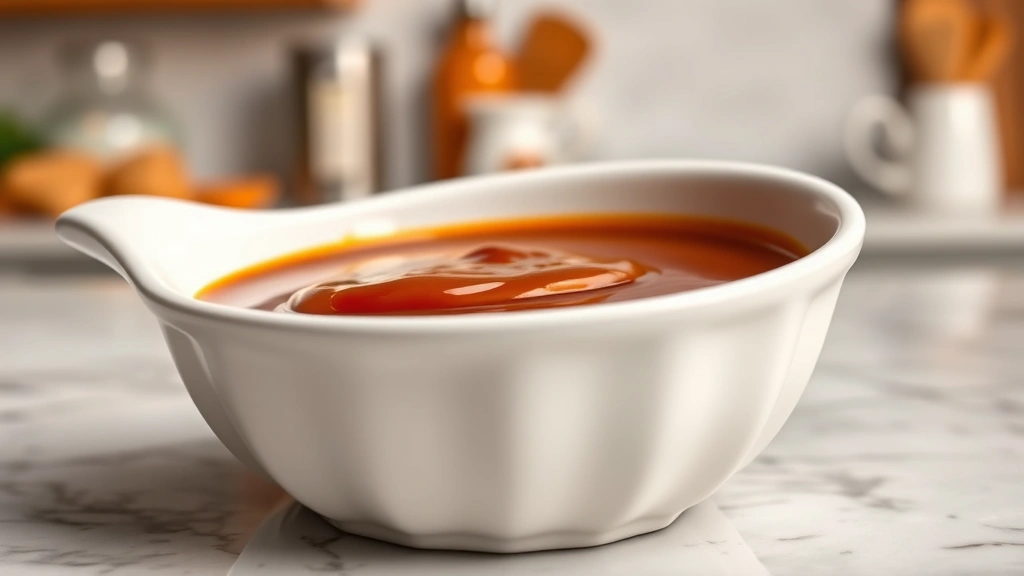
A bourbon sauce recipe is one of those kitchen moves that makes you look like you know what you’re doing—even if you’re just winging it. This rich, slightly sweet glaze with a whiskey kick transforms ordinary grilled chicken, ribs, or glazed ham into something that tastes like you spent all day in the kitchen. The best part? You can nail it in under 20 minutes with ingredients you probably already have hanging around.
Table of Contents
What Is Bourbon Sauce?
Bourbon sauce is a glaze that combines the warmth of whiskey with sweet and savory elements to create a complex flavor profile that sticks to meat like it was meant to be there. Think of it as the bridge between barbecue sauce and a proper glaze—smoother than BBQ, more intentional than a simple brown sugar coating. The alcohol cooks off, leaving behind that deep, slightly smoky character that makes people ask for your recipe.
This sauce works because bourbon brings vanilla, caramel, and oak notes naturally. When you reduce it with butter, brown sugar, and a touch of acid (usually vinegar or mustard), you’re building layers of flavor that develop as the sauce simmers. It’s not complicated, but it feels fancy.
Ingredients You Need
Here’s what goes into a solid bourbon sauce recipe that actually tastes like something:
- ½ cup bourbon whiskey – The star. Don’t use the bottom-shelf stuff, but you don’t need a $60 bottle either. Mid-range is perfect.
- ¼ cup butter – Adds richness and helps everything emulsify.
- ⅓ cup brown sugar – Sweetness and body. Dark brown gives more molasses depth.
- 2 tablespoons Dijon mustard – Cuts the sweetness and adds complexity.
- 1 tablespoon apple cider vinegar – Brightness and tang.
- 1 teaspoon Worcestershire sauce – Umami and savory depth.
- ½ teaspoon black pepper – Bite and warmth.
- ¼ teaspoon cayenne pepper (optional) – Heat, if you want it.
- Salt to taste – Brings everything into focus.
The beauty of this ingredient list is flexibility. If you don’t have apple cider vinegar, use regular vinegar or even a squeeze of lemon. No Worcestershire? Skip it or use soy sauce. The bourbon is the non-negotiable anchor.
Step-by-Step Process
Step 1: Prepare Your Workspace
Grab a medium saucepan (not tiny, not huge—medium matters for even reduction). Have all your ingredients measured and ready before you start. This isn’t about being fancy; it’s about not scrambling while something’s heating up. Set your heat to medium and let the pan warm for about a minute.
Step 2: Toast the Bourbon
Pour the bourbon into the warm pan. You’ll hear it sizzle slightly. Let it sit for about 30 seconds—this wakes up the alcohol and begins the cooking-off process. If you want to be extra careful about the alcohol content, you can carefully ignite it with a long match (optional, but it looks cool and definitely burns off more alcohol). Just let the flame die naturally; don’t blow it out. If you skip the flambé, no problem—the alcohol will still cook off as the sauce simmers.
Step 3: Build the Base
Add the butter to the bourbon and let it melt completely, about 1-2 minutes. Once it’s melted and combined, add the brown sugar, Dijon mustard, apple cider vinegar, and Worcestershire sauce. Stir everything together until the sugar starts to dissolve. You’re looking for a smooth, unified mixture with no lumps of sugar hanging around.
Step 4: Simmer and Reduce
Lower the heat to medium-low and let the sauce bubble gently for 8-10 minutes. This is where the magic happens. The liquid reduces, the flavors concentrate, and the sauce thickens slightly. You should see it reduce by about one-third of its original volume. Stir occasionally to keep things moving and prevent sticking on the bottom. The sauce will look thinner than you want at first—that’s normal. It’ll thicken as it cools.
Step 5: Season and Finish
Add the black pepper, cayenne (if using), and a pinch of salt. Taste it. Seriously, taste it. Does it need more sweetness? Add a tablespoon of brown sugar. More tang? A splash more vinegar. More heat? More cayenne. This is your sauce—make it yours. Once you’re happy, remove it from heat and let it cool for 5 minutes before using.
Cooking Temperatures & Timing
Temperature control is everything with this sauce. Too hot and you’ll burn the sugar and lose the delicate bourbon flavors. Too cool and nothing reduces properly.
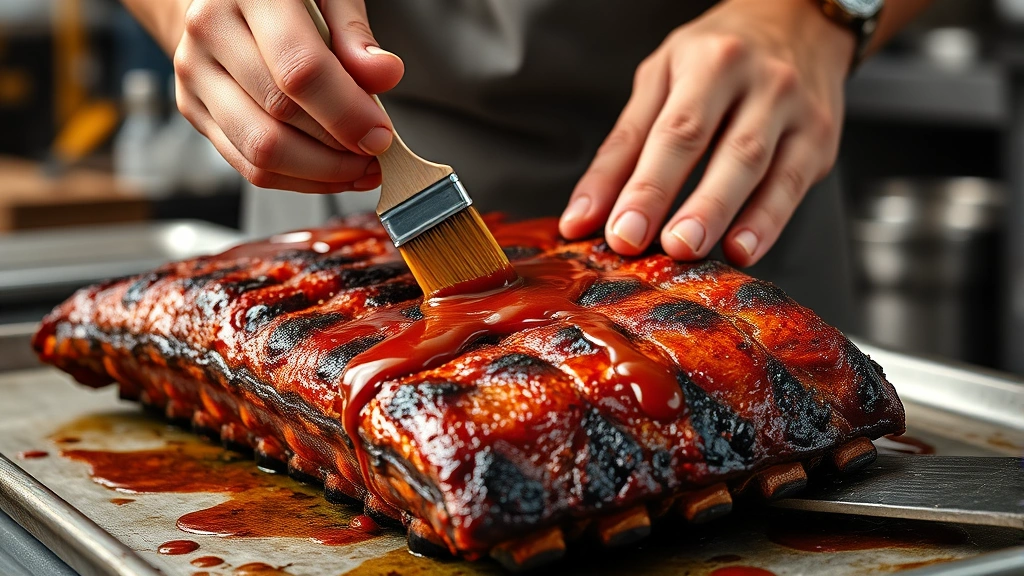
Initial Heat (Step 2): Medium heat, about 350-375°F if you’re using a thermometer. Just enough to get the bourbon warm and start the process.
Reduction Heat (Step 4): Medium-low, around 275-300°F. You want a gentle bubble, not an aggressive boil. If you see big rolling bubbles, turn it down. This takes 8-10 minutes depending on your stove. Some stoves run hot; some run cool. Watch the sauce, not the clock.
Total Time: About 15-18 minutes from start to finish, including cooling time. You can make this while your meat is on the grill or resting.
Flavor Variations & Twists
Once you’ve nailed the basic bourbon sauce recipe, here’s where you get creative:
Spicy Kick: Add ½ teaspoon of smoked paprika and increase cayenne to ½ teaspoon. Maybe throw in a pinch of chipotle powder. This pairs killer with ribs.
Maple Version: Replace half the brown sugar with pure maple syrup. Reduces the sweetness slightly and adds woodsy depth. Perfect for ham or bacon-wrapped items.
Mustard-Forward: Use whole grain mustard instead of Dijon and increase it to 3 tablespoons. Adds texture and tang. Great with pork chops.
Honey Glaze: Add 2 tablespoons of honey during the reduction. Creates a glossier, more caramelized finish. Looks professional when it sets.
Coffee Depth: Add 1 tablespoon of strong brewed coffee or espresso powder. Sounds weird, tastes incredible. Deepens the bourbon notes without making it taste like coffee.
Try pairing this with baked chicken legs for a weeknight dinner that feels special, or serve alongside jambalaya for a full Southern spread.
Storage and Shelf Life
Your bourbon sauce keeps well, which is the kind of thing that makes meal prep actually possible.
Refrigerator: Store in an airtight container for up to 2 weeks. The sauce will thicken more as it cools completely and the butter solidifies slightly. That’s fine—just reheat gently before using.
Freezer: This sauce freezes beautifully for up to 3 months. Use ice cube trays to freeze it in portions, then pop the cubes into a freezer bag. Grab what you need when you need it.
Reheating: Warm it gently on the stove over low heat or in the microwave in 15-second bursts, stirring between each burst. Don’t blast it on high heat or you’ll break the emulsion and end up with separated, greasy sauce.
Pairing Suggestions
This sauce isn’t picky, but it does have preferences. It loves:
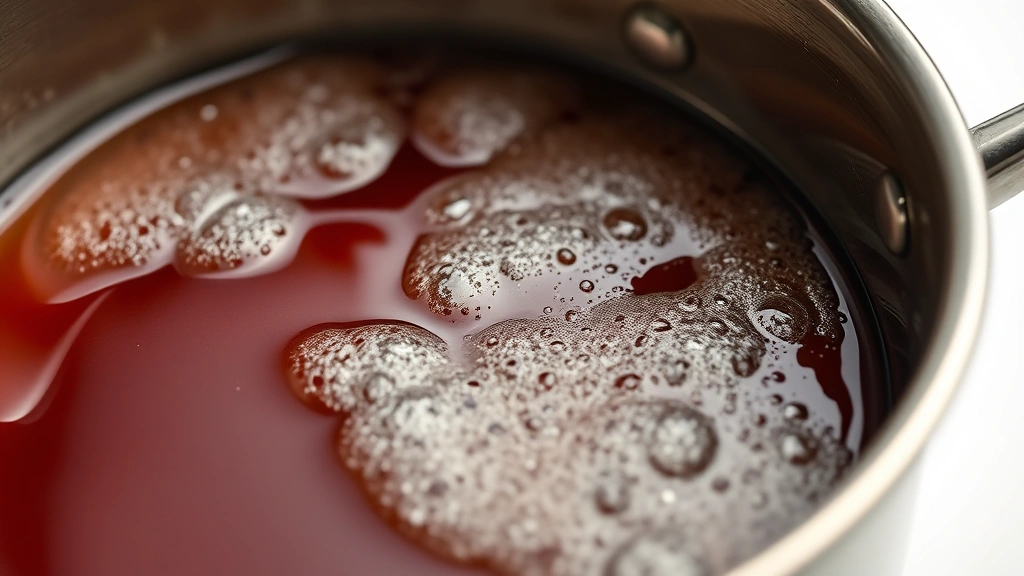
- Grilled or smoked meats: Ribs, brisket, pulled pork, chicken breasts. The bourbon plays beautifully with smoke.
- Glazed ham: Apply it in the last 20 minutes of baking. Creates a gorgeous caramelized crust.
- Salmon: Brush it on during the last few minutes of cooking. The sweetness balances the richness of the fish.
- Duck breast: The bourbon cuts through the fat in a way that feels intentional.
- Grilled vegetables: Brush on zucchini, bell peppers, or eggplant. Adds sophistication to simple sides.
Serve it on the side as a dipping sauce, brush it on during cooking, or drizzle it over plated meat just before serving. It’s versatile enough to work in all three scenarios.
Troubleshooting Common Issues
Sauce is too thin: Let it reduce longer. If it’s already off the heat, return it to medium-low and simmer for another 3-5 minutes. It’ll thicken more as it cools.
Sauce broke or looks separated: This happens when the heat was too high. Remove it from heat immediately. Add a tablespoon of cold butter and whisk vigorously off the heat. If that doesn’t work, strain the sauce through a fine mesh sieve and start over with a fresh stick of butter—it’s not ideal, but it saves the batch.
Too sweet: Add more vinegar or Worcestershire sauce, a teaspoon at a time. Acid cuts sweetness effectively.
Not enough bourbon flavor: You can’t add more bourbon after cooking (it needs to reduce), but you can add a splash of bourbon extract (¼ teaspoon) or increase the Worcestershire sauce. Next time, use a higher-quality bourbon.
Tastes flat: Salt is your friend. Add it gradually, a pinch at a time. Salt doesn’t make things taste salty—it makes them taste like themselves, just more so.
Frequently Asked Questions
Can I make bourbon sauce without alcohol?
Technically yes, but you’re missing the point. The bourbon brings specific vanilla and caramel notes that are hard to replicate. If you absolutely can’t use alcohol, substitute with beef or chicken broth mixed with a splash of vanilla extract and a touch of smoked paprika. It won’t be the same, but it’ll still taste good.
Does the alcohol cook off completely?
Mostly, yes. Simmering for 8-10 minutes removes most of the alcohol content—studies suggest about 75-85% burns off through heat. If you’re concerned about any remaining alcohol (for kids or dietary reasons), flambé the bourbon at the beginning, which removes more of it upfront.
Can I use this sauce cold?
You can, but it’s better warm or at room temperature. Cold bourbon sauce gets thick and sticky from the butter solidifying. If you want to serve it cold, thin it slightly with a splash of vinegar or broth before chilling.
What’s the best bourbon to use?
Mid-range Kentucky bourbon works perfectly. Maker’s Mark, Woodford Reserve, or Buffalo Trace are solid choices—around $25-35 per bottle. Save the expensive stuff for sipping. Avoid bottom-shelf bourbon; it tastes harsh when reduced. Avoid super-premium bottles; you’re cooking with it, not showcasing it.
How much sauce does this recipe make?
About 1 cup of finished sauce, which glazes 8-10 servings of meat generously or 12-15 if you’re using it as a drizzle. The recipe doubles easily if you’re feeding a crowd.
Can I make this in a slow cooker?
Not really. Slow cookers don’t reduce sauces effectively—the liquid just sits there. Stick with the stovetop method. It’s only 15 minutes anyway.
For more inspiration on what to serve alongside your bourbon sauce, check out refried beans or beans and greens for hearty sides that won’t compete with your glaze.
Final Thoughts
A solid bourbon sauce recipe is one of those kitchen skills that pays dividends. You’ll find yourself making it for weeknight dinners, weekend cookouts, and those times when you want to impress someone without actually trying that hard. The five-step process is straightforward enough that you can do it without thinking, but the result tastes intentional and sophisticated. Start with the basic recipe, nail it a couple of times, then play around with the variations until you find your version. That’s how good cooking actually works—start simple, build confidence, then make it yours. This sauce does exactly that.


