
Learning bourbon cocktail recipes is like building a solid foundation in your home bar—once you nail the classics, you’ve got the skills to improvise and create your own variations. Whether you’re hosting friends or just looking to elevate your Friday night ritual, these ten essential drinks will transform you from casual drinker to confident mixologist.
Table of Contents
The Classic Old Fashioned
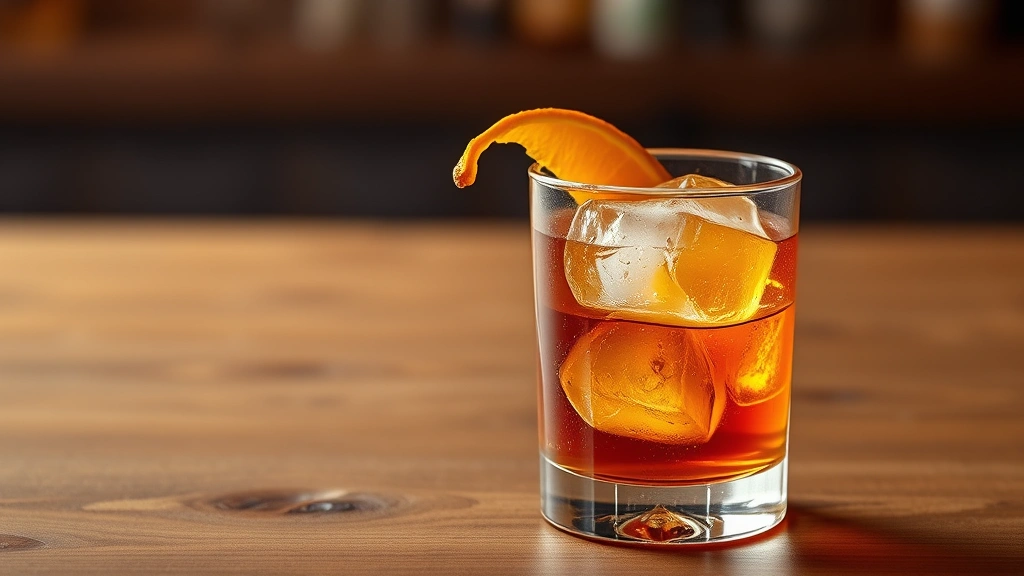
Start here—this is the gateway bourbon cocktail recipe that teaches you everything you need to know. An Old Fashioned demands respect because it’s deceptively simple: bourbon, sugar, bitters, and ice. That’s it. No fancy ingredients to hide behind.
The technique matters more than anything. You’re building flavor layers, not just mixing liquids. Start with a sugar cube (or half teaspoon of sugar) in your glass. Add two to three dashes of Angostura bitters and a small splash of water. Muddle gently—and I mean gently—until the sugar dissolves. You’re not crushing anything; you’re just encouraging the sugar to break down. Add a large ice cube or several smaller ones, then pour in 2 ounces of quality bourbon. Stir for about 30 seconds. Express the oils from an orange peel over the drink and drop it in as garnish.
Choose your bourbon wisely here. This drink doesn’t hide flaws. Mid-range bourbons like Buffalo Trace or Woodford Reserve shine in an Old Fashioned because their flavor profiles are balanced and approachable.
Manhattan: Perfected
The Manhattan is where you learn about balance—how spirit, vermouth, and bitters work together to create something greater than the sum of its parts. This is a drink that rewards precision.
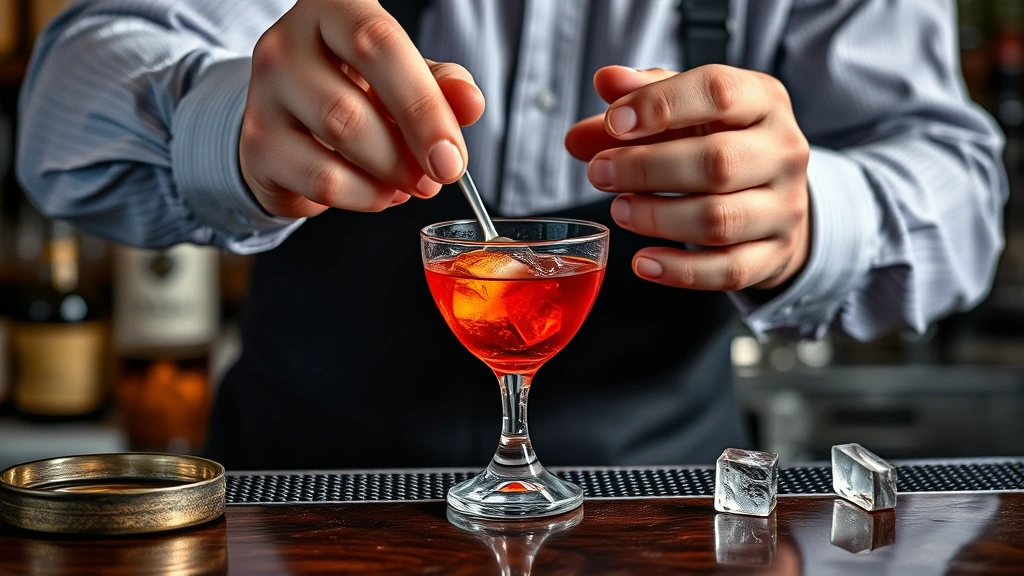
You’ll need 2 ounces of bourbon, 1 ounce of sweet vermouth, and 2 dashes of Angostura bitters. Stir these together with ice for about 30 seconds until properly chilled and diluted. Strain into a coupe glass and garnish with a cherry. The cherry isn’t decoration; it’s part of the flavor profile.
The secret? Use fresh vermouth. Once you open that bottle, it oxidizes. Replace it every couple of months. A stale Manhattan tastes flat and one-dimensional. Fresh vermouth adds complexity and rounds out the bourbon’s edges. This is also where you’ll appreciate the difference between wheated bourbons (like Maker’s Mark) and rye-heavy bourbons (like Four Roses). Try both and taste the distinction.
Sazerac Tradition
The Sazerac is New Orleans in a glass—it’s the official cocktail of that city for good reason. This drink teaches you about absinthe’s role as a flavor modifier rather than a main ingredient.
Here’s the process: rinse a rocks glass with absinthe (about a quarter ounce) and discard the excess. This coats the glass with anise flavor. Add ice, then pour in 2 ounces of rye bourbon (traditionally rye, though bourbon works), 1/2 ounce of Peychaud’s bitters, and 1/4 ounce of simple syrup. Stir well. Express lemon peel oils over the drink and add a lemon twist as garnish.
The absinthe rinse is crucial. It’s a technique you’ll use in other drinks once you understand it. You’re not trying to taste absinthe directly; you’re using it to add a subtle herbal background note that makes the bourbon taste more complex and interesting.
Mint Julep Summer Sipper
A proper Mint Julep is refreshing, but it’s also a lesson in respecting your ingredients. Fresh mint is non-negotiable. Dried mint from last year? No. Mint syrup? Absolutely not.
Grab 8-10 fresh mint leaves and place them in a julep cup (or rocks glass). Add 1/2 ounce of simple syrup and gently slap the mint against the bottom—this releases oils without shredding the leaves. Add crushed ice (not cubes—crushed ice is important here because it melts faster and dilutes the drink properly). Pour in 2 ounces of bourbon. Stir for about 15 seconds. Top with more crushed ice and garnish with a sprig of mint and a straw.
This drink teaches you about temperature control. The crushed ice melts quickly, which means your drink stays cold but also gets properly diluted. Drink it relatively fast—as the ice melts, the balance shifts. That’s not a flaw; that’s the nature of the drink.
Whiskey Sour Foundation
The Whiskey Sour is where you learn about acid balance. This drink is built on the principle that citrus and spirit need each other.
Combine 2 ounces of bourbon, 3/4 ounce of fresh lemon juice, and 1/2 ounce of simple syrup in a shaker with ice. Shake vigorously for about 10 seconds. Strain into a rocks glass filled with fresh ice. If you want to get fancy, top with a float of egg white for silky texture (optional but recommended).
Fresh lemon juice is absolutely essential. Bottled lemon juice will make you regret the entire drink. A fresh Whiskey Sour tastes bright, balanced, and clean. You’ll understand immediately why this is a foundational recipe. Many other drinks build on this base—the Amaretto Sour, the New York Sour—once you master the bourbon version.
Maker’s Mark Variations
Maker’s Mark is a wheated bourbon, which means it uses wheat instead of rye as its secondary grain. This makes it smoother and slightly sweeter than rye-heavy bourbons. Understanding this difference helps you choose the right bourbon for different drinks.
In a Maker’s Mark Old Fashioned, you’ll notice the sweetness is more pronounced. The bourbon itself contributes vanilla and caramel notes rather than the spicier character you get from rye bourbons. Some people prefer this; others find it less interesting. Neither is wrong—it’s about knowing what you’re getting.
Try making the same cocktail with both Maker’s Mark and a rye-forward bourbon like Four Roses. Taste them side by side. This is how you develop your palate. You’ll start to understand which bourbons work best in which drinks. Wheated bourbons shine in drinks where you want smoothness and sweetness to dominate. Rye-heavy bourbons work better when you want spice and complexity.
Bourbon Smash Technique
The Bourbon Smash is essentially a Whiskey Sour with fresh fruit. It teaches you about incorporating seasonal ingredients without overwhelming the bourbon.
Muddle 6-8 fresh raspberries or blackberries in your shaker with 1/2 ounce of simple syrup. Add 2 ounces of bourbon, 3/4 ounce of fresh lemon juice, and ice. Shake vigorously for 10-12 seconds. Double strain (using both a regular strainer and a fine mesh strainer) into a rocks glass with fresh ice. Garnish with a berry and mint sprig.
The double strain is important here—it removes berry pulp and seeds that would otherwise cloud your drink and create texture issues. This technique applies to any drink where you’re muddling fruit or herbs. You’re adding flavor without adding unwanted solids.
The Bourbon Smash also teaches you about seasonal drinking. In summer, when berries are fresh and abundant, this drink tastes incredible. In winter, when you’re using frozen berries or old preserves, it’s less impressive. Respecting seasonality makes you a better bartender.
Vieux Carré Complexity
The Vieux Carré is the most complex drink on this list. It combines bourbon, rye, cognac, Bénédictine, sweet vermouth, and bitters. It’s a drink that teaches you about how multiple spirits work together.
Combine 1/2 ounce of bourbon, 1/2 ounce of rye, 1/2 ounce of cognac, 1/4 ounce of Bénédictine, 1/4 ounce of sweet vermouth, and 2 dashes of Angostura bitters with ice. Stir for 30 seconds. Strain into a rocks glass with a large ice cube. Garnish with a cherry and lemon twist.
This drink shows you that bourbon doesn’t always need to be the star. Sometimes it’s part of an ensemble cast. The Vieux Carré is rich, complex, and warming—perfect for sipping slowly. It also teaches you about ingredient quality. When you’re using multiple spirits, cheap versions of any of them will drag down the entire drink.
Pappy Punch Batch Cocktails
Once you’ve mastered individual drinks, batch cocktails let you prepare bourbon cocktail recipes ahead of time. This is essential for entertaining. A Pappy Punch (a bourbon-based punch) can be mixed in advance and served from a pitcher or punch bowl.
For a batch that serves 8-10 people, combine 16 ounces of bourbon, 8 ounces of fresh lemon juice, 4 ounces of simple syrup, and 4 ounces of water in a pitcher. Stir well. Chill until serving time. When ready to serve, add ice and top with club soda if you want it lighter. Garnish with citrus wheels and fresh mint.
Batch cocktails teach you about scale and balance. The ratios need to work for larger volumes, and you need to account for the fact that ice will melt and dilute the drink over time. This is also where you might reference our batch margarita recipe for similar principles applied to a different spirit.

Four Roses Finale
Four Roses is a high-rye bourbon with a spicy, complex profile. It’s excellent for drinks where you want the bourbon to be front and center and slightly assertive.
A Four Roses Old Fashioned will taste noticeably different from a Maker’s Mark version. The spice comes through more clearly. The finish is longer and more complex. This is your final lesson in understanding how bourbon selection changes the drinking experience.
Use Four Roses in drinks where you want complexity and character. Use Maker’s Mark when you want smoothness and approachability. Use mid-range options like Buffalo Trace or Woodford Reserve when you want balance. There’s no “best” bourbon for cocktails—there’s only the right bourbon for the specific drink you’re making.
Mastering the Fundamentals
These ten bourbon cocktail recipes teach you everything you need to know about cocktail construction. You’ve learned muddling, shaking, stirring, straining, and double straining. You understand how to balance spirit, citrus, sweetness, and bitters. You know why fresh ingredients matter and how bourbon selection changes the final product.
From here, you can experiment. Try making a Bourbon Sidecar (substituting bourbon for cognac in the classic recipe). Create your own variations. The foundation is solid. You also might explore complementary recipes like our chicken legs baking guide for pairing food with your cocktails, or check out our baby carrots recipe for simple side dishes that complement a bourbon-focused evening.
The real mastery comes from repetition. Make these drinks multiple times. Taste them. Adjust based on your preferences. Notice how small changes—an extra dash of bitters, a slightly longer stir, a different bourbon—shift the flavor profile. This is how you become truly confident in the craft.
Frequently Asked Questions
What’s the difference between bourbon and whiskey?
All bourbon is whiskey, but not all whiskey is bourbon. Bourbon must be made in the USA, contain at least 51% corn, and aged in new charred oak barrels. Other whiskeys (like scotch or rye) have different requirements. For cocktails, this distinction matters because bourbon’s sweetness and vanilla notes (from corn and charred oak) make it ideal for mixed drinks.
Should I use expensive bourbon in cocktails?
No. Save your rare, expensive bourbons for sipping neat. For cocktails, use mid-range bourbons ($25-$40 per bottle). They have good flavor without the premium price tag. Expensive bourbons often have subtle complexity that gets lost when mixed with other ingredients. You’re wasting money using them in cocktails.
Why does fresh lemon juice matter so much?
Bottled lemon juice is oxidized and tastes harsh and flat. Fresh lemon juice is bright and balanced. The difference is immediately noticeable in a Whiskey Sour or Bourbon Smash. Always squeeze fresh juice. It takes 30 seconds and completely changes the quality of your drink.
What ice should I use?
Large ice cubes melt slowly, keeping your drink cold without over-diluting it. Crushed ice melts quickly, which is perfect for drinks like Mint Juleps where you want rapid dilution. Standard ice cubes are fine for most drinks. Avoid ice from your freezer’s ice maker if possible—it often absorbs freezer odors. Use filtered water or buy clear ice from a specialty ice company if you’re serious about cocktails.
Can I make these drinks without a cocktail shaker?
Yes, but it’s harder. For shaken drinks (anything with citrus or egg white), you really need a shaker. For stirred drinks (Old Fashioned, Manhattan, Vieux Carré), you can stir in a mixing glass with a bar spoon. A basic cocktail kit costs $20-$30 and includes everything you need.
How do I know if I’m stirring long enough?
Stir for about 30 seconds. You’ll notice the outside of the mixing glass gets cold and condensation forms. Your drink should taste properly chilled and slightly diluted (from the melting ice). If it tastes too strong or warm, you haven’t stirred long enough.
What’s the best bourbon for beginners?
Buffalo Trace, Woodford Reserve, or Maker’s Mark. They’re balanced, approachable, and not overly expensive. They work well in almost any bourbon cocktail recipe. Once you’ve made drinks with these, you can experiment with more specialized bourbons.


