
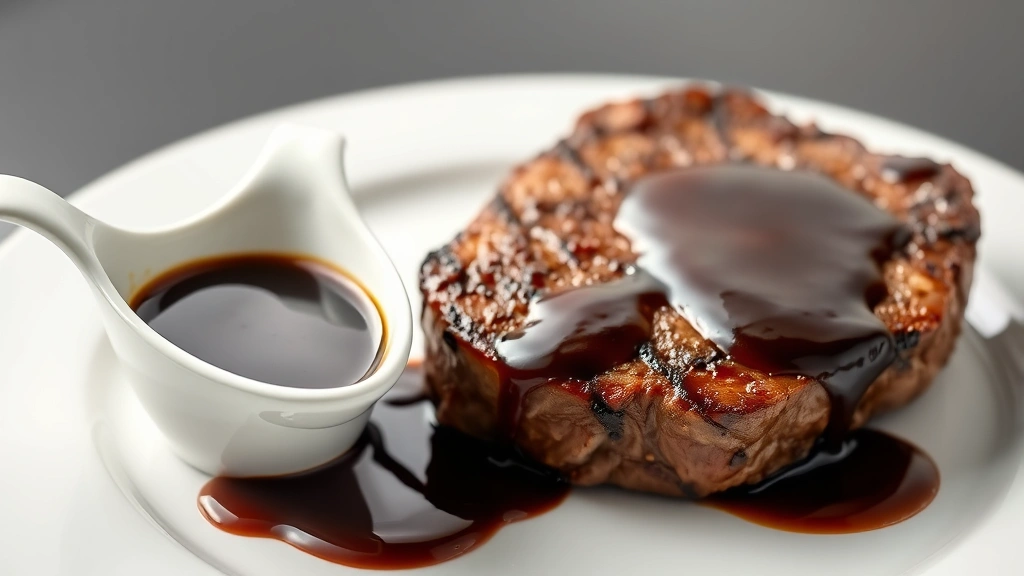
A bordelaise sauce recipe is your ticket to restaurant-quality meals at home. This rich, wine-based sauce has been a cornerstone of French cuisine for centuries, and once you understand the fundamentals, you’ll realize it’s far less intimidating than it sounds. Think of it like building a solid foundation in your workshop—get the basics right, and everything else falls into place.
Table of Contents
What Is Bordelaise Sauce?
Bordelaise sauce originates from the Bordeaux region of France and represents one of the five mother sauces in classical French cooking. It’s a dark, glossy sauce built on a foundation of beef stock and red wine—typically Bordeaux wine itself—reduced down to concentrate the flavors. The sauce gets its signature depth from bone marrow, shallots, and thyme, creating something that tastes far more complex than the ingredient list suggests.
What makes this sauce special is how it transforms simple components through patience and technique. You’re essentially coaxing out every ounce of flavor through careful reduction and proper emulsification. It’s the kind of sauce that makes a simple grilled steak taste like you’ve been cooking professionally for decades.
Essential Ingredients You’ll Need
Let’s start with what you’re actually working with. For a proper bordelaise sauce recipe, you’ll need:
- Red wine: A decent Bordeaux or similar dry red wine (750ml bottle). Don’t use cooking wine—use something you’d actually drink.
- Beef stock: Quality beef broth or stock (2 cups). Homemade is ideal, but good store-bought works.
- Bone marrow: 2-3 ounces of beef marrow bones. This is the secret weapon that gives bordelaise its luxurious mouthfeel.
- Shallots: 3-4 medium shallots, minced fine. They provide aromatic sweetness.
- Fresh thyme: 2-3 sprigs. This herb is non-negotiable.
- Bay leaf: 1 leaf for background depth.
- Butter: 2 tablespoons cold, cut into cubes. This finishes the sauce.
- Salt and pepper: To taste, naturally.
Quality matters here. You can’t make a stellar sauce from mediocre ingredients—it’s like trying to build something solid with cheap materials. Your sauce will only be as good as what goes into it.
Building Your Flavor Base
Start by getting your mise en place together—that’s fancy talk for having everything prepped and ready. Mince your shallots finely so they’ll dissolve into the sauce rather than leaving chunks. Strip the thyme leaves from their stems. Have your bone marrow ready to go.
In a heavy-bottomed saucepan or Dutch oven, melt a tablespoon of butter over medium heat. Once it’s foaming, add your minced shallots. Cook them gently for 3-4 minutes, stirring occasionally, until they’re soft and translucent. You’re building an aromatic foundation here—don’t rush it or let them brown. This step is crucial because it mellows the shallot’s sharp bite and releases their natural sugars.
Add your fresh thyme sprigs and bay leaf to the pan. Let them toast in the butter for about 30 seconds—you’ll notice the kitchen suddenly smells incredible. This is when the volatile oils from the herbs release, and you’re capturing that in your sauce.
The Wine Reduction Technique
This is where the magic happens. Pour in your entire bottle of red wine. It’ll look like a lot of liquid, but trust the process. Increase the heat to medium-high and bring the wine to a gentle boil.
Here’s where patience becomes your best friend: you’re going to reduce this wine by about 75 percent. This means letting it bubble away until you’ve gone from roughly 750ml down to about 200ml. This concentrates the wine’s flavors dramatically while cooking off the harsh alcohol bite. It typically takes 15-20 minutes of steady simmering.
You’ll know it’s ready when the sauce coats the back of a spoon and leaves a trail when you drag your finger across it. The wine should smell rich and sweet, not sharp and vinegary. If you’re uncertain, keep reducing—you can always add more stock later if needed.
While your wine reduces, you can prepare your bone marrow. If using marrow bones, carefully scoop out the marrow from inside the bones and chop it into small pieces. Some people prefer to blanch it first in boiling water for 2 minutes, then shock it in ice water. This removes impurities and gives you cleaner marrow.
Creating the Perfect Consistency
Once your wine has reduced properly, pour in your beef stock. The mixture should return to a simmer. Let it bubble gently for another 8-10 minutes, allowing the wine and stock to marry and develop deeper flavor complexity.
Now add your chopped bone marrow to the simmering sauce. It’ll soften and begin to incorporate, enriching the sauce with fat and collagen that creates that silky mouthfeel you’re after. Stir gently to distribute it evenly. Let this simmer for another 5 minutes.
Strain the sauce through a fine-mesh strainer into a clean saucepan, pressing gently on the solids to extract all the flavorful liquid. Discard the solids—you’ve extracted everything valuable from them. This step gives you a refined, smooth sauce without any grittiness.
Taste your sauce. Season with salt and pepper to your preference. Remember that you’re going to finish it with cold butter, which will add a subtle richness, so don’t over-salt at this stage.
Finishing Touches Matter
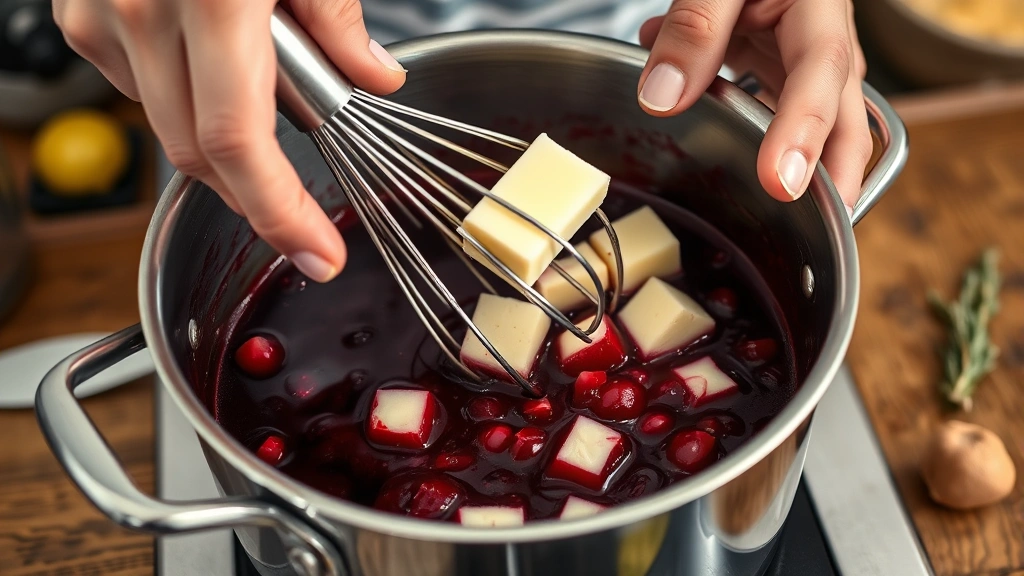
The final step separates a good bordelaise from a great one. Take your saucepan off the heat and let it cool for about 30 seconds. Cut your cold butter into small cubes—cold butter is essential here.
Add one cube of butter and whisk constantly until it’s fully incorporated and the sauce becomes glossy. This is called mounting with butter, and it creates an emulsion that gives the sauce a silky, luxurious texture. Add the remaining butter cubes one at a time, whisking continuously. Each cube should fully incorporate before you add the next.
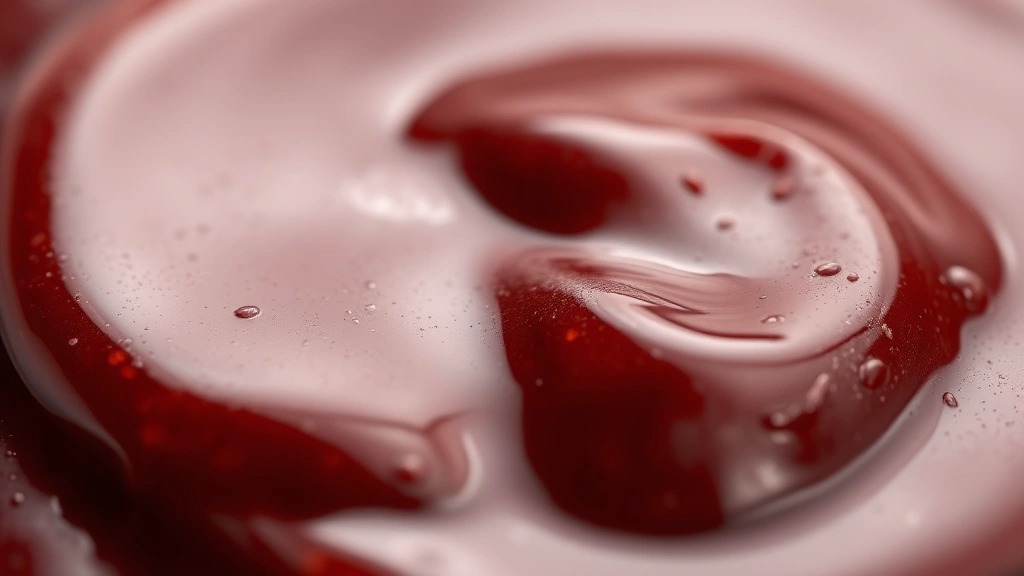
The sauce should now look rich, dark, and glossy—almost like liquid velvet. If you’ve done this correctly, you’ve created an emulsion where tiny butter droplets are suspended throughout the sauce, creating that restaurant-quality finish. This is why temperature control matters—if the sauce gets too hot, the emulsion breaks and you get a greasy, separated mess.
Best Serving Suggestions
Bordelaise sauce is the perfect companion for quality beef. A thick-cut ribeye steak, filet mignon, or even a prime rib roast becomes something extraordinary when finished with a spoonful of this sauce. You can also use it with steamed crab legs for a luxurious surf-and-turf experience.
Some traditional applications include serving it alongside beef Wellington, topping grilled lamb chops, or finishing a beef tenderloin. The sauce’s richness means a little goes a long way—you don’t want to drown your protein in it, just add enough to enhance and complement.
Temperature matters for serving. Bordelaise should be warm but not piping hot—around 140-150°F is ideal. If it’s too hot, it can separate. If it’s too cool, the flavors become muted. Serve it in a warm sauce boat on the side, or spoon it directly onto the plate just before serving.
Storage and Make-Ahead Tips
One of the best things about bordelaise sauce is that it actually improves after a day or two as the flavors continue to develop. You can make it up to 3 days ahead and store it in an airtight container in the refrigerator. The sauce will solidify when cold due to the fat content—that’s perfectly normal.
To reheat, place the sauce in a heavy-bottomed pan over low heat, stirring occasionally until it’s warmed through. You can thin it slightly with a splash of beef stock if it’s become too concentrated. Don’t reheat it aggressively or at high temperatures, as this can break the emulsion.
You can also freeze bordelaise for up to 3 months. Freeze it in ice cube trays for portion control, then transfer the cubes to a freezer bag. Thaw overnight in the refrigerator before reheating gently on the stovetop.
Common Mistakes and Fixes
If your sauce breaks and becomes greasy or separated, don’t panic. You can often save it. Remove it from heat and whisk in a tablespoon of cold beef stock or water. If that doesn’t work, start with a fresh egg yolk in a clean bowl and slowly whisk in the broken sauce, creating a new emulsion.
If your sauce tastes too acidic or wine-forward, you didn’t reduce it enough. Next time, let the wine reduce further before adding stock. If it tastes thin and watery, you need more reduction or a bit more bone marrow for body.
If you can’t find bone marrow, you can substitute with a tablespoon of beef marrow fat or even a small amount of beurre manié (equal parts butter and flour mixed into a paste) whisked in gradually, though this changes the sauce slightly. You can also check preservation techniques for keeping ingredients fresh while you’re sourcing components.
Some cooks add a splash of cognac or brandy to their bordelaise for extra depth. If you want to try this, add it to the shallots before the wine and let it reduce for a minute to cook off the harsh alcohol.
Frequently Asked Questions
Can I make bordelaise sauce without bone marrow?
Yes, though the sauce won’t have quite the same luxurious mouthfeel. You can substitute with beef marrow fat, a knob of beef kidney fat, or even a small amount of good-quality beef butter. Some traditional recipes use a light roux (equal parts butter and flour) to thicken and enrich the sauce instead. The bone marrow version is superior, but these alternatives work in a pinch.
What type of red wine should I use?
Ideally, use a Bordeaux wine—a Cabernet Sauvignon or Bordeaux blend works beautifully. If you don’t have access to Bordeaux, use any good-quality dry red wine with medium to full body. Avoid super tannic wines that might overpower the sauce. And remember: use wine you’d actually drink. Cooking wine is often loaded with salt and additives that will ruin your sauce.
How long does bordelaise sauce take to make?
Start to finish, plan on about 45 minutes to an hour. The wine reduction alone takes 15-20 minutes, and you need to let flavors develop properly. This isn’t a quick sauce, but most of that time is passive—you’re just letting things simmer while you prep other components of your meal.
Can I use store-bought beef stock instead of homemade?
Absolutely. Quality matters more than source. Look for low-sodium beef stock so you can control the salt level yourself. Avoid the ultra-cheap stuff that tastes like salt water. Mid-range and premium store-bought stocks work fine. If you’re making this regularly, consider making your own stock in batches and freezing it—it’s an investment that pays dividends.
Is bordelaise sauce gluten-free?
Yes, the traditional recipe is naturally gluten-free since it relies on reduction and emulsification rather than flour-based thickening. However, always check your beef stock label—some commercial stocks contain gluten or are processed in facilities with gluten. If you’re cooking for someone with celiac disease or gluten sensitivity, use certified gluten-free stock.
What’s the difference between bordelaise and béarnaise sauce?
These are completely different sauces. Béarnaise is an emulsion-based sauce made with egg yolks, butter, and tarragon vinegar—it’s creamy and lighter. Bordelaise is a wine-based reduction that’s darker and richer. They’re both classic French sauces, but they’re used differently. Béarnaise typically tops steaks or fish, while bordelaise is more versatile across beef dishes.
Mastering Your Bordelaise Game
A proper bordelaise sauce recipe is one of those kitchen skills that seems complicated until you actually do it once. Then you realize it’s just about understanding a few core techniques: building aromatic foundations, reducing wine to concentrate flavors, and finishing with cold butter to create a silky emulsion. Once those concepts click, you can make this sauce reliably every single time.
The beauty of bordelaise is that it elevates simple ingredients into something special. A decent steak becomes memorable. A weeknight dinner becomes an occasion. And the best part? Once you’ve mastered this sauce, you understand the fundamental techniques behind dozens of other classic French sauces. You’re not just learning to make one sauce—you’re building a foundation of culinary knowledge that’ll serve you for years.
Start with quality ingredients, be patient with your reductions, and don’t skip the finishing step with cold butter. Those three things will take you from amateur to confident in one evening. The next time someone asks how you made such an incredible sauce, you’ll know exactly what to tell them.
For more kitchen techniques, check out how to steam broccoli as a perfect vegetable side, or explore caramel popcorn for dessert inspiration after your elegant meal.


