
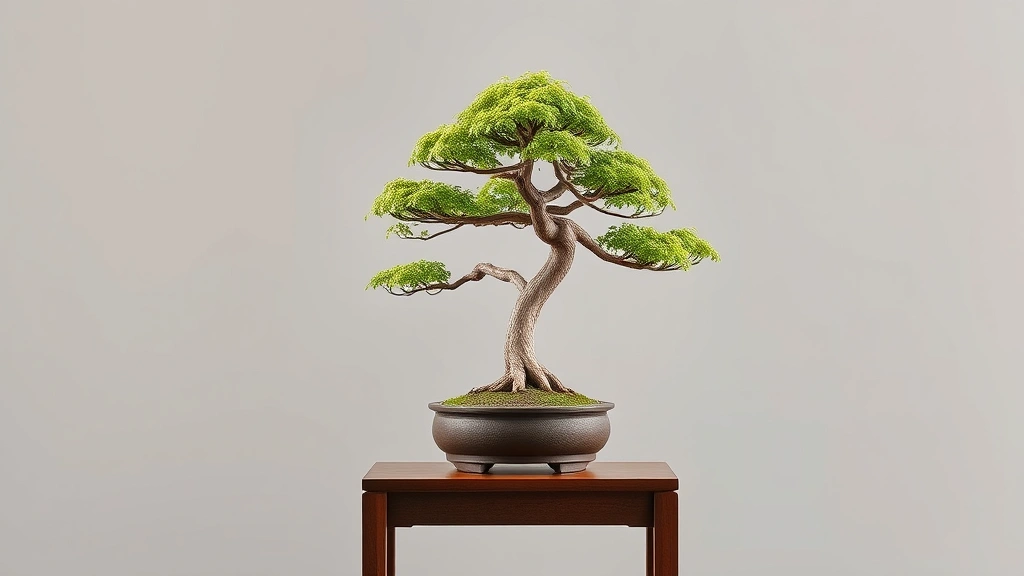
Learning bonsai tree how to take care might seem intimidating at first, but honestly, it’s more about consistency than complexity. These miniature trees aren’t some magical plant species—they’re regular trees trained and pruned into compact forms. With the right approach, you can keep your bonsai thriving for decades. This guide walks you through everything you need to know, from watering schedules to seasonal adjustments, so you can grow confident in your bonsai care routine.
Table of Contents
Understanding Your Bonsai Tree
Before diving into care routines, you need to understand what you’re actually working with. A bonsai isn’t a genetically dwarf plant—it’s a normal tree kept small through careful cultivation. The species matters tremendously. Some bonsai varieties, like Ficus trees, tolerate indoor conditions better than others. Junipers, pines, and maples are outdoor enthusiasts that need seasonal temperature changes. Your first decision should be: indoor or outdoor bonsai? This determines your entire care approach.
The pot your bonsai lives in is part of the design, not just a container. Shallow pots with drainage holes are standard because bonsai soil needs excellent drainage. The tree’s age and style also influence care—a 5-year-old informal upright needs different attention than a 20-year-old formal cascade.
Watering Schedule and Technique
This is where most beginners stumble. Watering your bonsai tree how to take care routine starts with understanding that the small pot dries out faster than regular houseplants. Check soil moisture daily by inserting your finger about half an inch deep. If it feels dry, water thoroughly until it drains from the bottom. If it’s still moist, wait another day.
The frequency depends on your climate, pot size, soil type, and season. In summer, you might water daily. In winter, every 2-3 days. Tap water works fine, but if your tap water is heavily chlorinated, let it sit overnight before using. Always water at the base of the tree, not the foliage—wet leaves invite fungal issues. Use a watering can with a fine rose (sprinkler head) to avoid washing away soil.
Humidity matters too. Bonsai trees appreciate moisture in the air, especially indoor trees. Mist the foliage in the morning, place the pot on a humidity tray filled with pebbles and water (keeping the pot above water level), or group multiple trees together to create a microclimate.
Light Requirements Explained
Most bonsai species need 5-6 hours of direct sunlight daily. Indoor trees placed near south-facing windows work well, but be careful—glass magnifies sunlight intensity and can scorch leaves. Outdoor bonsai typically do better with morning sun and afternoon shade, especially in hot climates.
If you’re growing indoors and natural light is limited, consider a full-spectrum grow light positioned 6-12 inches above the canopy. Run it 12-14 hours daily. Insufficient light causes weak growth, sparse foliage, and elongated branches—the opposite of the compact form you’re cultivating.
Rotate your tree every week or two so all sides receive balanced light. This prevents lopsided growth and keeps the shape uniform.
Soil and Repotting Basics
Standard potting soil is too dense for bonsai. These trees need fast-draining soil that still retains some moisture. Professional bonsai soil typically combines akadama (a clay product), pumice, and bark in varying ratios depending on species. You can buy pre-mixed bonsai soil or create your own using these components in roughly equal parts.
Repotting happens every 1-2 years in spring, just as new growth emerges. Gently remove the tree from its pot, loosen the root ball with your fingers or a root hook, and trim any circling roots. Prune back about one-third of the roots—this encourages new feeder roots and keeps the tree compact. Place fresh soil in the bottom of the pot, position the tree at the same depth it was before, and fill in around the sides. Water thoroughly and keep in shade for a week while roots recover.
The pot size matters. Too large and soil stays wet too long. Too small and you’re watering constantly. The pot should be roughly as wide as the tree’s canopy and deep enough for the root system.
Pruning and Shaping Methods
Pruning is how you maintain your bonsai’s shape and encourage dense growth. There are two types: maintenance pruning and structural pruning. Maintenance pruning removes new growth that disrupts the desired silhouette—do this throughout the growing season. Pinch or cut back branches that extend beyond your vision of the tree’s shape.
Structural pruning happens less frequently and involves removing larger branches to establish or refine the overall form. Use sharp, clean pruning shears or scissors. Make cuts just above a leaf node or branch junction, angling slightly away from the remaining bud. Never leave stubs—they won’t heal properly and invite disease.
For thicker branches, use a concave pruner to remove them flush with the trunk, creating a clean wound that heals better than a flat cut. Some enthusiasts apply wound sealant, though modern thinking suggests letting the tree compartmentalize naturally—it’s more effective long-term.
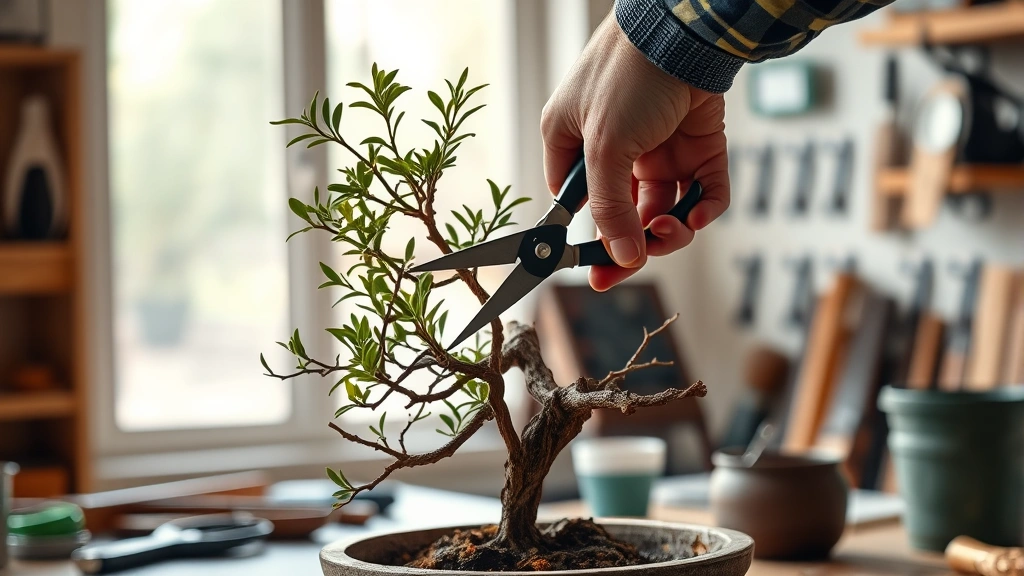
Wiring is another shaping tool. Wrap aluminum or copper wire around branches to guide their growth into desired positions. Wire stays on for several months, then gets removed. Check monthly to ensure it’s not cutting into the bark as the branch thickens.
Feeding Your Bonsai
Frequent repotting and watering leach nutrients from bonsai soil faster than regular potting. Feed your tree every 2-4 weeks during the growing season (spring and summer) with a balanced, water-soluble fertilizer diluted to half strength. Reduce feeding in fall and stop entirely in winter when most trees enter dormancy.
Specialized bonsai fertilizers are available and formulated specifically for these needs, but any balanced fertilizer (like 10-10-10) works. Some enthusiasts prefer organic options like fish emulsion or seaweed extract. The key is consistency—regular light feeding beats occasional heavy feeding.
Watch your tree’s response. Pale leaves suggest nitrogen deficiency. Purple-tinged foliage might indicate phosphorus issues. Adjust your feeding schedule based on what you observe.
Pest and Disease Control
Indoor bonsai can attract spider mites, scale insects, and mealybugs. Outdoor trees face aphids, caterpillars, and various beetles. Check your tree weekly for signs: webbing, sticky residue, spotted leaves, or tiny moving insects on stems and undersides of leaves.
Start with the gentlest approach. Spray infested areas with water to dislodge soft-bodied pests like aphids. For persistent problems, use neem oil or insecticidal soap, following label directions carefully. Isolate affected trees from others to prevent spread.
Fungal and bacterial diseases develop in overly humid, poorly ventilated conditions. Improve air circulation, avoid wetting foliage during humid evenings, and remove any dead leaves or debris from the soil surface promptly. If you see powdery mildew or leaf spots, remove affected leaves and treat with a fungicide if needed.
Prevention beats treatment every time. Healthy, well-maintained trees resist pests and disease far better than stressed ones.
Seasonal Care Adjustments
Spring is your busiest season. Trees wake from dormancy with vigorous growth. Increase watering, begin feeding, and start your pruning and wiring work. This is repotting season too. Watch for pests emerging in warming weather.
Summer means consistent watering (sometimes daily), regular feeding, and vigilant pruning to maintain shape. Heat stress is real—ensure adequate humidity and afternoon shade in extremely hot climates. Some trees appreciate being moved outdoors for the season.
Fall brings slower growth as temperatures drop. Gradually reduce feeding and watering. Some deciduous trees drop leaves—this is normal. Prepare outdoor trees for winter by moving them to protected locations.
Winter is dormancy for most species. Water less frequently, stop feeding, and reduce pruning to minimal maintenance only. Indoor trees near heating vents suffer from dry air—increase misting or use a humidity tray. Outdoor trees need frost protection depending on your climate and species hardiness.
Common Beginner Mistakes
Overwatering kills more bonsai than any other single factor. That tiny pot dries out fast, but not instantly. Stick to the finger-test method. Underwatering is less common but equally harmful—leaves will brown and drop if soil stays dry too long.
Neglecting light is another killer. Bonsai aren’t low-light plants. They need bright conditions to thrive. If your space can’t provide this naturally, invest in a grow light.
Inconsistent care disrupts the tree’s rhythm. Missing watering days, skipping feeding for months, then suddenly fertilizing heavily—this stress shows immediately in weak growth and vulnerability to pests.
Using regular potting soil instead of bonsai-specific mix leads to waterlogged roots and rot. It’s worth buying proper soil.
Finally, expecting instant results frustrates new enthusiasts. Bonsai development takes years. You’re training a living thing, not assembling furniture. Patience and consistency matter more than perfection.
Frequently Asked Questions
How often should I water my bonsai?
Check soil moisture daily with the finger test. Water when the top half-inch feels dry. Frequency varies by season, pot size, and species—typically every 1-3 days in growing season, less in winter. Never let soil completely dry out, but avoid constant wetness.
Can I keep my bonsai indoors?
Some species tolerate indoor conditions well (Ficus, Schefflera, Jade trees). Others absolutely need outdoor seasonal cycles (Junipers, Maples, Pines). Check your specific species requirements. Indoor trees need bright light—a south-facing window or grow light is essential.
When should I repot my bonsai?
Repot in spring just as new growth emerges, typically every 1-2 years. Fast-growing young trees might need annual repotting. Slow-growing mature trees might go 2-3 years. Signs you need repotting: roots circling the soil surface, water running straight through the pot, or stunted growth despite proper care.
What’s the best fertilizer for bonsai?
Any balanced, water-soluble fertilizer works—10-10-10 NPK is standard. Specialized bonsai fertilizers are convenient but not necessary. Feed every 2-4 weeks during growing season at half strength. Organic options like fish emulsion work too. Stop feeding in winter when trees are dormant.
How do I know if my bonsai is dying?
Signs of trouble include yellowing or browning leaves that drop, brittle branches, slow or no growth despite proper care, pest infestations, or soft, mushy stems (root rot). Address the most likely cause: check watering frequency, light levels, feeding schedule, and inspect for pests. Isolate the tree from others while you diagnose and treat the issue.
Do I need special tools for bonsai care?
Sharp pruning shears, a small watering can with a fine rose, and a root hook are the essentials. Concave pruners help with thicker branches. Wire and wire cutters are useful for shaping. You don’t need expensive specialized tools—quality regular gardening tools work fine, as long as they’re clean and sharp.
Wrapping It Up
Taking care of your bonsai tree how to take care comes down to understanding your specific species, maintaining consistent watering and light, pruning regularly, and feeding during growing season. These aren’t finicky plants—they’re just plants grown in containers that dry out faster and need more attention to detail. Start with a forgiving species like Ficus, establish a daily checking routine, and you’ll develop an intuition for what your tree needs.
The beauty of bonsai isn’t just the miniature tree itself—it’s the relationship you build through hands-on care. You’ll notice subtle changes week to week, celebrate new growth, and gradually refine your technique. For more detailed guidance on specific care techniques, check out resources from Family Handyman, which covers plant care fundamentals, or This Old House, which includes seasonal gardening guides. The Bob Vila site also offers useful plant care tips for beginners.
Your bonsai will reward consistency with healthy growth, beautiful foliage, and that satisfying miniature tree aesthetic you’re after. Stick with it, learn from mistakes, and enjoy the process.


