
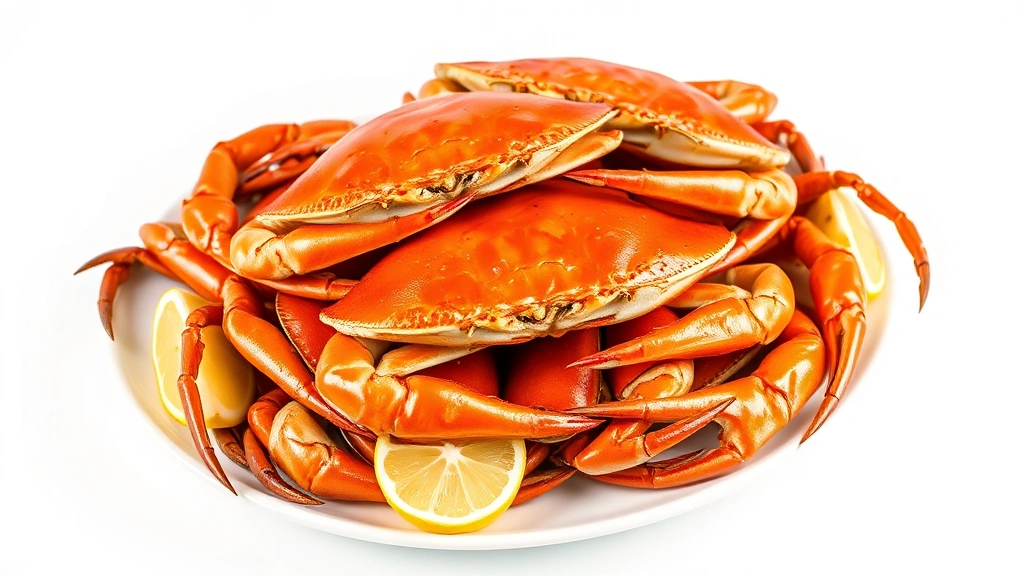
A proper boiling crab recipe is one of those kitchen skills that looks intimidating but becomes second nature once you nail the fundamentals. Whether you’re hosting a casual backyard feast or just craving fresh, succulent crab meat for dinner, knowing how to boil crabs right transforms the entire experience from mediocre to memorable.
Table of Contents
Selecting Fresh Crabs
Before you even think about water temperature, you need to start with quality crabs. Fresh is non-negotiable here. When you’re at the market or seafood counter, look for crabs that are lively and responsive—they should move their legs when handled. A crab that’s sluggish or unresponsive has been dead too long and won’t deliver that sweet, tender meat you’re after.
Check the shell for any soft spots or cracks. The shell should feel firm and substantial. If a crab feels light for its size, skip it—that means it’s already molted and the meat hasn’t filled back in. The best crabs are those caught recently, ideally within the last day or two. Ask your fishmonger when they received their stock.
Size matters too, but not always in the way you’d think. Larger crabs aren’t automatically better. Medium-sized crabs (around 1.5 to 2 pounds each) actually cook more evenly and tend to have better flavor than massive ones. They’re also easier to handle and extract meat from, making your boiling crab recipe less of a wrestling match.
Prep Work Essentials
Once you’ve got your crabs home, refrigerate them immediately if you’re not cooking right away. They’ll keep for a day or two in the coldest part of your fridge. Before boiling, rinse each crab under cold running water to remove any debris, sand, or seaweed clinging to the shell.
Some folks prefer to humanely kill the crab before boiling by chilling it in the freezer for 15-20 minutes first, which makes the process quicker and less stressful for the animal. You can do this by splitting the shell down the center with a sharp chef’s knife or by destroying the two nerve centers (one at the front, one at the back). This step is optional but worth considering if you’re sensitive to these things.
Have your equipment ready: a massive pot (at least 12-16 quarts for multiple crabs), a colander, kitchen shears or a crab cracker, a mallet, and clean towels. Organization here saves you from frantic searching while crabs are cooking.
Boiling Water Setup
Fill your pot with enough water to cover the crabs by about 2 inches. This is crucial—insufficient water means uneven cooking and potential sticking. For every gallon of water, add about 1/4 cup of salt. Yes, that’s a lot, but crabs are ocean creatures and need that salinity to taste right. You can also add vinegar (1/4 cup per gallon) to help tenderize the meat slightly.
Bring the water to a rolling boil before adding any crabs. This ensures consistent cooking from the moment they hit the water. Some recipes call for beer, Old Bay seasoning, or other aromatics in the water—these are nice touches but not essential. If you want to explore more flavor combinations, check out our Asian Recipes section for inspiration on complementary dishes.
Pro tip: If you’re cooking a large batch, work in stages rather than overcrowding the pot. Overcrowding drops the water temperature too much and leads to uneven cooking. Your crabs deserve better than that.
Cooking Time Guide
Once the water is at a full boil, carefully place the crabs in headfirst. They’ll thrash around—this is normal. Return the water to a boil, then reduce heat slightly to maintain a steady, vigorous boil without boiling over.
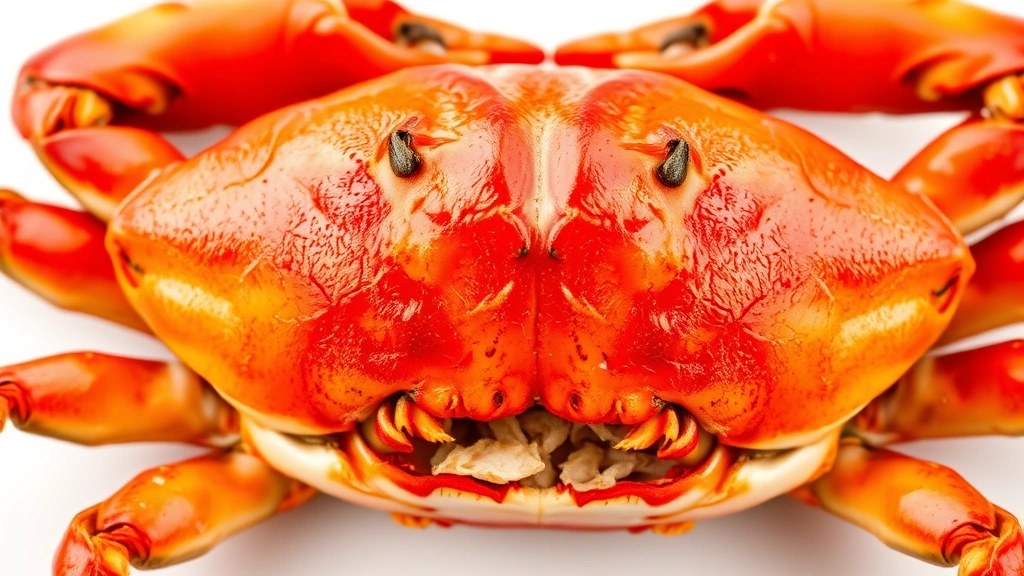
Cooking time depends on crab size. For 1.5 to 2-pound crabs, expect 18-25 minutes. Larger crabs (2.5-3 pounds) need 25-30 minutes. The key indicator is when the shell turns a bright red-orange color. This color change happens around the 15-minute mark, but don’t pull them out yet—the meat inside needs that full time to cook through and become tender.
Undercooked crab is mushy and unpleasant; overcooked crab becomes rubbery and tough. Stick to the timing for your crab size, and you’ll hit that perfect sweet spot every time. A kitchen timer is your best friend here.
Seasoning Strategies
The beauty of a boiling crab recipe is that you can adjust flavors to match your preferences. Beyond salt in the water, consider these additions:
Old Bay Seasoning: The classic choice. Add 2-3 tablespoons per gallon of water. It brings that traditional Maryland steamed crab flavor without overpowering the natural sweetness.
Garlic and Ginger: Crush a few cloves of garlic and add 2-inch slices of fresh ginger to the water. This creates an Asian-inspired profile that pairs beautifully with rice or noodles like How to Make Ramen in the Microwave.
Lemon and Herbs: Halve 2-3 lemons and add them to the water along with bay leaves, thyme, and peppercorns. This gives a brighter, Mediterranean feel.
Spicy Route: Add cayenne pepper, red pepper flakes, and hot sauce directly to the water for heat lovers. Start with 1 teaspoon of cayenne and adjust from there.
The seasoning happens in the water, not after cooking, which means the flavor penetrates the meat rather than sitting on the surface. This is a key difference between boiling and steaming.
Cooling and Handling
When the cooking time is up, use a slotted spoon or tongs to carefully remove the crabs from the boiling water. Place them on a clean towel or cutting board to cool. They’ll be extremely hot, so don’t rush this step. Let them sit for at least 10-15 minutes before handling.
While they’re cooling, you can prepare an ice bath if you want to speed things up—this also stops the cooking process instantly. Fill a large bowl with ice water and submerge each crab for a couple of minutes. This is particularly useful if you’re cooking multiple batches and need to free up your pot.
Once cooled enough to handle comfortably, the crabs are ready for meat extraction. The shell will still be warm, which actually makes the meat easier to separate from the shell.
Extracting Meat Properly
Start by twisting off the legs and claws. These come off surprisingly easily once the crab is cooked. Set them aside. Now flip the crab over and look for the small triangular flap on the underside—this is the apron. Lift it up and pull it away completely.
Insert your thumbs into the opening where the apron was and pull the top shell away from the body. The yellowish material you see is the hepatopancreas (basically the liver)—some people consider this a delicacy, others discard it. Your choice.
You’ll see the gills now, which look like gray feathery structures. Remove these and discard them. Rinse the body under cool water to remove any remaining gills or debris. Now you’re left with the meat-filled body.
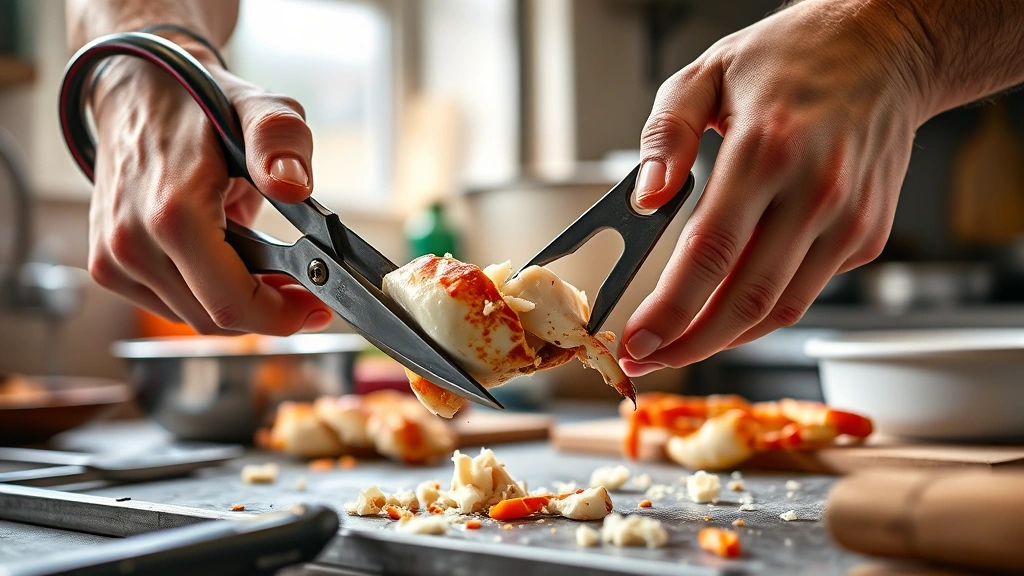
The body contains large chunks of meat in the chambers. Use a small fork or your fingers to pick out these pieces. Don’t rush—patience here yields more meat. For the legs and claws, crack them with a mallet or crab cracker and use a small fork to extract the meat inside. It’s tedious work, but worth every second.
Storage Tips
Fresh boiled crab meat keeps in the refrigerator for 3-4 days in an airtight container. Don’t leave it sitting in water—it’ll absorb moisture and become mushy. Store it dry, and only add sauce or dressing when you’re ready to eat.
For longer storage, freeze the meat in freezer bags or containers for up to 3 months. Thaw it overnight in the refrigerator before using. The texture will be slightly softer than fresh, but the flavor remains excellent. Frozen crab meat works great in crab cakes, pasta dishes, or bisques.
If you have leftover whole cooked crabs, wrap them tightly in plastic wrap and refrigerate for 3-4 days. You can reheat them gently in steaming water or use the meat in various dishes.
Troubleshooting Common Issues
Mushy Meat: This usually means overcooking. Reduce your cooking time by 2-3 minutes next time. It can also indicate the crabs were already dead before cooking—always start with fresh, lively specimens.
Rubbery Texture: Overcooking is the culprit here. Stick closer to the lower end of your time range. Also check that your water is actually boiling—a low simmer won’t cook evenly.
Watery Meat: This happens when you store cooked crab in water or when you don’t let it cool properly before extracting. Always cool on a towel and store dry.
Lack of Flavor: Your water wasn’t salty enough, or you skipped seasoning additions. Remember: 1/4 cup salt per gallon is the baseline. Taste your water before adding crabs—it should taste noticeably salty, like ocean water.
Uneven Cooking: You probably overcrowded the pot or the water temperature dropped too much. Cook in smaller batches and maintain a vigorous boil throughout.
Frequently Asked Questions
How long do you boil crabs?
For 1.5 to 2-pound crabs, boil for 18-25 minutes. Larger crabs (2.5-3 pounds) need 25-30 minutes. The shell should turn bright red-orange, and the meat should be opaque and tender throughout.
Do you kill crabs before boiling?
It’s not strictly necessary, but many people prefer to humanely kill crabs first by chilling them or destroying their nerve centers. This reduces stress on the animal and can speed up cooking slightly. Either method is acceptable.
Can you boil frozen crabs?
Yes, but thaw them first in the refrigerator for best results. Frozen crabs take longer to cook and may have uneven texture. If you must cook from frozen, add 5-10 minutes to the cooking time.
What’s the difference between boiling and steaming crabs?
Boiling fully submerges the crab in seasoned water, which penetrates the meat more deeply. Steaming uses steam above water and tends to preserve more delicate flavors. Both methods work; boiling is faster and more forgiving for beginners.
Can you reuse the boiling water?
You can, but refresh the salt and seasonings if cooking multiple batches. The water gets cloudy from crab debris, so you might want to strain and replace it for the cleanest results.
What should the water temperature be?
The water should be at a rolling boil (212°F at sea level) when you add the crabs. Maintain a vigorous boil throughout cooking. Don’t let it drop to a simmer, or cooking becomes uneven.
Wrapping It Up
Mastering a boiling crab recipe is about respecting the ingredient and following a few simple rules: start with fresh crabs, use plenty of salted water, maintain a vigorous boil, and time it right. There’s no mystery here, just straightforward technique that anyone can execute in their home kitchen.
The payoff is incredible—sweet, tender, succulent crab meat that tastes like the ocean in the best possible way. Whether you’re planning a casual weeknight dinner or impressing guests at a summer gathering, this method delivers consistently excellent results. Pair your boiled crab with simple sides like melted butter, lemon wedges, and crusty bread, or get creative with complementary recipes like Alfajores Recipe for dessert or explore other seafood preparations.
Once you’ve done this a few times, you’ll develop an intuition for it. You’ll know by the smell when the water is ready, by the color when the crabs are done, by the weight when you’re holding quality specimens. That’s when cooking stops being a checklist and becomes pure pleasure. Now get out there and boil some crabs.
For more cooking inspiration and related recipes, visit Blinchiki Recipe or explore our full Asian Recipes collection. And if you’re looking to diversify your cooking methods, check out our guide on Air Fryer Sweet Potato Recipe for alternative techniques. For sauce pairing ideas, see our Alabama White Sauce Recipe.


