
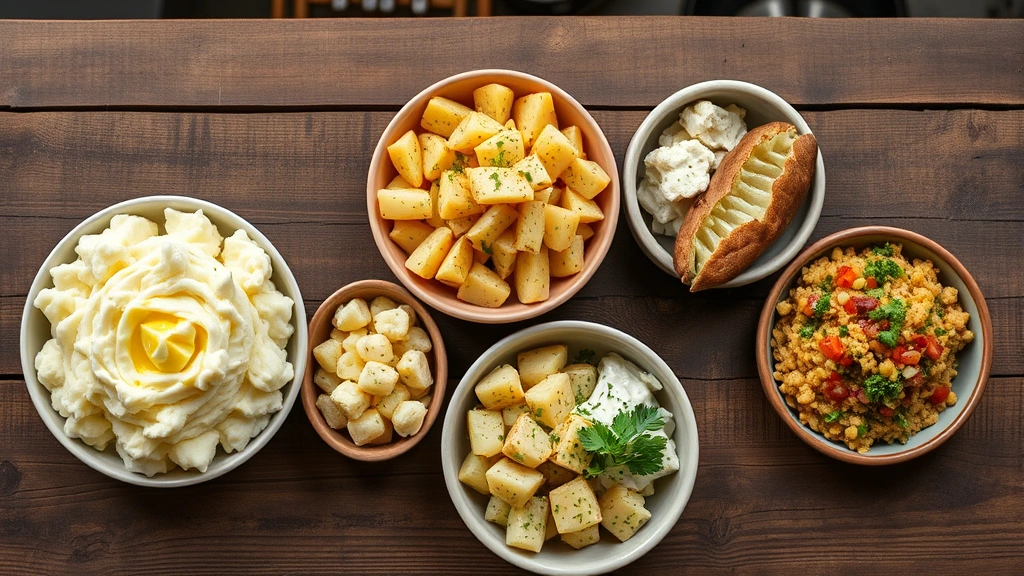
Boiled potato recipes are the backbone of home cooking—simple, forgiving, and endlessly adaptable. Whether you’re a kitchen novice or a seasoned cook looking for quick weeknight wins, boiled potatoes deserve a spot in your regular rotation. They’re cheap, nutritious, and honestly, there’s something deeply satisfying about transforming a humble spud into something your whole family will devour.
Table of Contents
Getting the Basics Right
Before we dive into specific boiled potato recipes, let’s nail down the fundamentals. The difference between mushy disappointment and perfectly tender spuds comes down to three things: potato selection, water timing, and knowing when to stop.
Start with the right potato type. Waxy potatoes like fingerlings and red potatoes hold their shape beautifully—perfect for salads and side dishes. Starchy varieties like russets break down more easily, making them ideal for mashing. Choose your weapon based on what you’re building.
Fill a pot with cold water, add your potatoes, and bring everything to a boil together. This matters more than you’d think. Starting in cold water ensures even cooking throughout. Add a generous pinch of salt—your potatoes should taste like the sea, not like sadness.
Timing depends on size. Small potatoes take 10-15 minutes. Medium ones need 15-20. Large potatoes can take 20-30 minutes. The real test? Pierce one with a fork. If it slides through with zero resistance, you’re done. Overcooked potatoes turn to mush; undercooked ones are a texture nightmare.
Creamy Mashed Potatoes
This is where boiled potato recipes get comfortable. Mashed potatoes are the ultimate comfort food, and they’re impossible to mess up once you understand the technique.
Boil 2 pounds of russet potatoes until they’re fall-apart tender—about 20 minutes for medium chunks. Drain them thoroughly; excess water is the enemy of creamy mash. Return them to the pot (or a bowl if you’re using a ricer, which I highly recommend for silky results).
Heat 1 cup of milk or cream with 4 tablespoons of butter until steaming. Gradually fold this into your potatoes, mashing as you go. Don’t overwork them—you want creamy, not gluey. Season aggressively with salt and white pepper. A pinch of nutmeg adds unexpected depth that guests will notice but won’t identify.
For loaded mashed potatoes, fold in crispy bacon bits, sharp cheddar, fresh chives, and sour cream. Serve with homemade gravy from drippings for the ultimate side dish.
Classic Potato Salad
Potato salad separates the casual cooks from the ones who actually care. The secret is dressing your potatoes while they’re still warm.
Boil 3 pounds of red potatoes until just tender—don’t go overboard here. Drain and cut into bite-sized chunks while still hot. Toss immediately with 1/2 cup of warm vinaigrette made from quality olive oil, white wine vinegar, and Dijon mustard. Let them soak up all that flavor for 15 minutes.
Add diced celery, red onion, and fresh dill. In a separate bowl, whisk together mayo, sour cream, and a touch of Dijon. Fold this into the warm potatoes along with chopped hard-boiled eggs. The warm potatoes will absorb the dressing properly, giving you layers of flavor instead of bland mayo-coated chunks.
Chill for at least 2 hours before serving. This recipe pairs beautifully with refried beans for a complete summer meal.
Garlic & Herb Boiled Potatoes
Sometimes simple is best. This recipe proves that boiled potato recipes don’t need complexity to be memorable.
Boil 2 pounds of baby potatoes with 6-8 smashed garlic cloves and fresh rosemary sprigs. The garlic softens and infuses the cooking water, creating subtle flavor throughout. When the potatoes are tender, drain them well.
Toss with good quality olive oil, fleur de sel, cracked black pepper, and fresh herbs—parsley, chives, and thyme work beautifully. A squeeze of fresh lemon juice brightens everything up. That’s it. Serve warm or at room temperature.
Buttery New Potatoes
New potatoes are small, waxy, and perfect for quick cooking. This recipe highlights their natural sweetness.
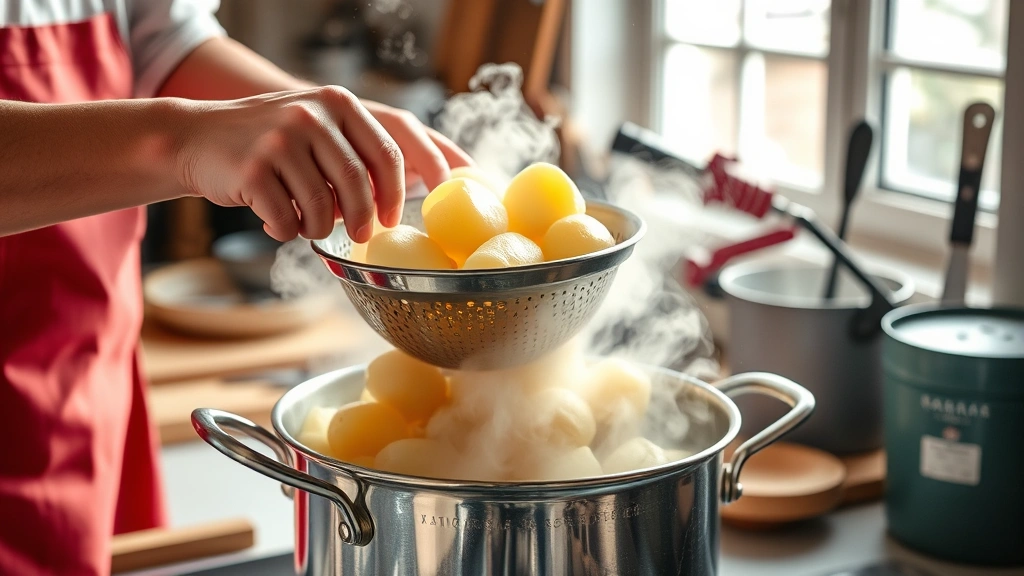
Boil 1.5 pounds of new potatoes with their skins on until tender—about 12-15 minutes. Drain thoroughly. Return to the pot with 3 tablespoons of good butter, fresh mint, and sea salt. Toss gently until everything is coated and the potatoes are glossy.
The skin provides texture and nutrition, so don’t peel them. Serve hot alongside grilled fish or roasted chicken. The butter and mint combination is practically foolproof.
Loaded Jacket Potatoes
Jacket potatoes (what Americans call baked potatoes) can also be made by boiling, creating a softer, fluffier interior than traditional baking.
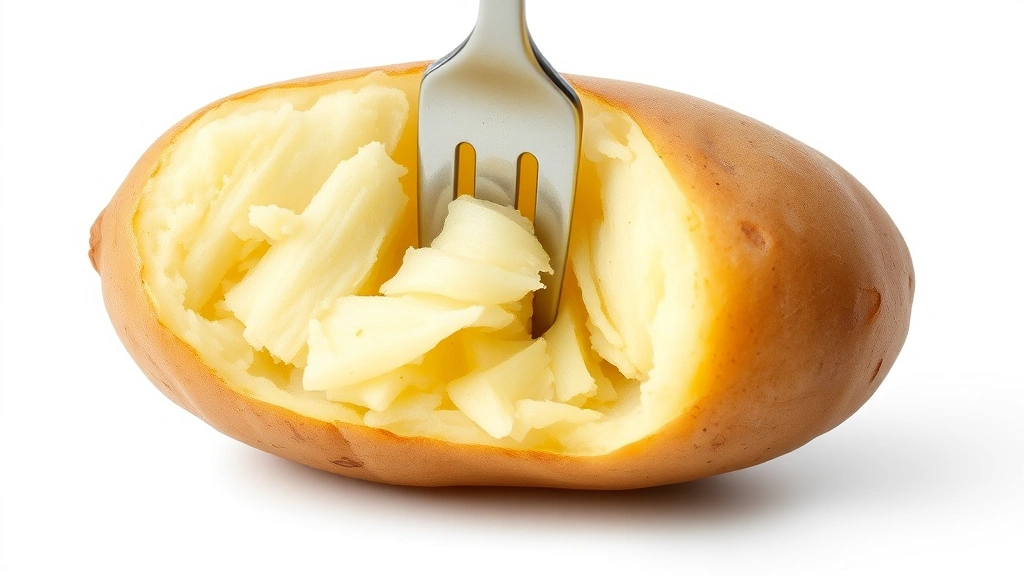
Boil large russet potatoes for 25-30 minutes until completely tender. Split them open and fluff the insides with a fork. Top with sour cream, crispy bacon, sharp cheddar, fresh chives, and a pat of butter. Some people add chili, pulled pork, or sautéed mushrooms. The beauty of jacket potatoes is that they’re a blank canvas.
Irish Colcannon
This traditional Irish dish transforms boiled potato recipes into something with real character and depth.
Boil 2 pounds of potatoes until tender, then mash them roughly—you want some texture here, not complete smoothness. In a separate pot, sauté 1 pound of shredded cabbage and 4 sliced scallions in butter until soft and slightly caramelized.
Fold the cabbage mixture into the mashed potatoes along with 1/2 cup of warm milk and extra butter. Season with salt and pepper. The result is earthy, comforting, and absolutely worth the minimal effort. Serve with a well in the center filled with melting butter.
Spiced Aloo Gobi
This Indian-inspired dish brings boiled potato recipes into global territory. It’s vegetarian, vegan-friendly, and packed with flavor.
Boil 1.5 pounds of potatoes until just tender, then cut into 1-inch cubes. Heat 3 tablespoons of oil in a large pan and add 1 tablespoon of cumin seeds, letting them toast for 30 seconds. Add diced onions and cook until golden.
Stir in 2 tablespoons of ginger-garlic paste, 1 teaspoon of turmeric, 1 teaspoon of cumin powder, and 1/2 teaspoon of cayenne. Add your boiled potatoes and 1 pound of cauliflower florets (either boiled briefly or raw). Toss everything together, cooking for 5-7 minutes until the cauliflower is tender.
Finish with fresh cilantro, a squeeze of lemon, and salt to taste. This recipe proves that boiled potato recipes can be sophisticated and globally inspired.
Creamy Potato Soup
A proper potato soup starts with—you guessed it—boiled potatoes. This version is rich, warming, and ready in under an hour.
Boil 3 pounds of potatoes with celery, carrots, and onion until everything is very tender. Strain, reserving the cooking liquid. Mash the vegetables roughly or puree them partially for texture.
Return to the pot and add 2 cups of chicken or vegetable broth and 1 cup of heavy cream. Simmer gently for 10 minutes, allowing flavors to meld. Season aggressively with salt, white pepper, and a pinch of nutmeg.
Garnish with crispy bacon, sharp cheddar, fresh chives, and sour cream. For a lighter version, skip the cream and use more broth instead. This soup pairs well with homemade apple sauce on the side for a complete meal.
Pro Tips for Perfect Results
Here’s what separates mediocre boiled potato recipes from the ones people actually remember:
Size matters: Cut potatoes into uniform pieces so they cook evenly. Aim for 1.5 to 2-inch chunks.
Salt the water: Your potatoes should taste seasoned, not bland. Use enough salt that the water tastes noticeably salty.
Don’t skip the cold water start: It ensures even cooking from the outside in.
Drain thoroughly: Excess water dilutes flavor and creates mushy texture. Let them sit in the colander for a minute.
Warm your additions: If you’re adding butter, cream, or milk, warm it first. Cold additions cool down your potatoes and prevent proper absorption.
Taste as you go: Seasoning is personal. Start conservative and adjust upward.
Frequently Asked Questions
How long do boiled potatoes last in the refrigerator?
Properly stored boiled potatoes keep for 3-4 days in an airtight container. They’re perfect for quick weeknight meals—just reheat gently with a splash of water or broth to restore moisture.
Can I boil potatoes ahead of time?
Absolutely. Boil them the night before, cool completely, and refrigerate. This actually makes some recipes easier since you can focus on the flavor components when you’re cooking.
What’s the difference between waxy and starchy potatoes?
Waxy potatoes (red, fingerling, new potatoes) have less starch and hold their shape during cooking—ideal for salads and soups. Starchy potatoes (russets, Idahos) break down more easily, making them perfect for mashing and baking.
Why do my boiled potatoes taste bland?
You’re probably not salting the water enough. The cooking water should taste noticeably salty, like seawater. Also, season your finished dish after cooking—boiled potato recipes need salt at multiple stages.
Can I use the potato cooking water for anything?
Yes! This starchy water is excellent for bread baking, soups, and as a base for vegetable broth. Don’t waste it—it adds body and nutrition to other dishes.
How do I know when potatoes are done?
Pierce the largest potato with a fork. It should slide through with absolutely no resistance. If it sticks even slightly, give it another 2-3 minutes.
Are boiled potatoes healthy?
Absolutely. Potatoes are nutrient-dense, providing potassium, vitamin C, and B vitamins. Boiling preserves these nutrients better than some cooking methods. The key is watching what you add—go easy on heavy creams and stick with olive oil and herbs when possible.
Can I freeze boiled potatoes?
Yes, though texture changes slightly. They work best in soups and mashed potato recipes after freezing. Cool completely, store in freezer bags, and use within 3 months. Thaw in the refrigerator before using.
Final Thoughts
Boiled potato recipes are proof that cooking doesn’t require fancy techniques or exotic ingredients to be delicious. A humble potato, properly cooked and thoughtfully seasoned, becomes the foundation for countless meals. Whether you’re making simple buttered new potatoes on a Tuesday night or impressing guests with creamy colcannon, these recipes deliver.
The key is respecting the ingredient and understanding the fundamentals—proper seasoning, even cooking, and thorough draining. Once you’ve mastered those, you can confidently build whatever variation suits your mood and your pantry. Start with what appeals to you, practice it a few times, and before long, boiled potato recipes will be second nature. Your kitchen, your family, and your weeknight schedule will all thank you.


