
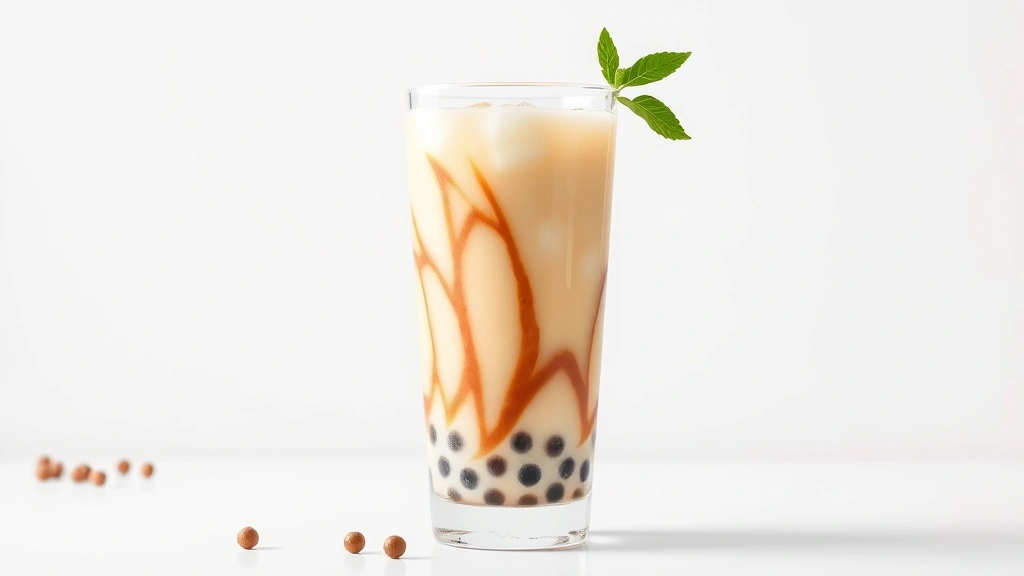
Boba story recipes have become the ultimate gateway into homemade bubble tea craftsmanship, and honestly, once you nail these ten essential drinks, you’ll never go back to overpaying at cafes. I’ve spent years experimenting with tapioca pearls, flavor combinations, and brewing techniques in my own kitchen workshop, and I’m here to walk you through the exact recipes that’ll make you the boba master among your friends.
Table of Contents
Classic Milk Tea Foundation
Let’s start with the backbone of all boba story recipes—the classic milk tea base. This is where precision matters, and I’m not being dramatic. You’ll need loose-leaf black tea (I prefer Assam), whole milk, sweetened condensed milk, and patience. Brew 2 tablespoons of loose-leaf black tea in 8 ounces of hot water for exactly 4 minutes. Not 3, not 5. The extraction window is tight, and over-steeping creates bitter notes that’ll sabotage your entire drink.
Once steeped, strain the tea immediately and let it cool to room temperature. Add 3 tablespoons of sweetened condensed milk and 2 ounces of whole milk. This ratio creates that signature creamy texture without overwhelming the tea flavor. Some people like to add a touch of vanilla extract here—about ¼ teaspoon—which adds depth without being obvious. Chill everything thoroughly before assembly. Temperature control is critical in boba craftsmanship, similar to how precision matters when you’re making a best bloody mary recipe with exact ingredient ratios.
Cooking Perfect Tapioca Pearls
Here’s the secret that separates casual boba drinkers from actual craftspeople: most people ruin their pearls during cooking. Bring a large pot of water to a rolling boil—use at least 6 cups for every ½ cup of dry pearls. This prevents sticking and ensures even cooking. Add your pearls and stir immediately for the first 2 minutes. They’ll sink, then float. Once they float, reduce heat to medium and set a timer for 20-25 minutes depending on pearl size.
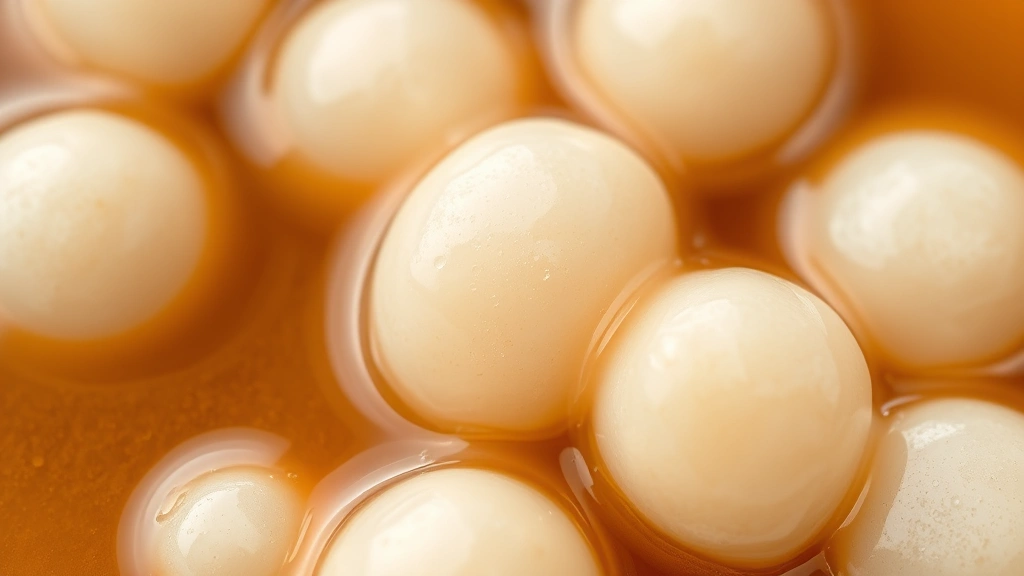
The pearls are done when they’re translucent with just a tiny white dot in the center—that’s the starch core that gives you that perfect chewy texture. Drain them immediately and rinse with cold water. Don’t skip this step. Then transfer to a bowl with brown sugar syrup (we’ll cover this next). The warm pearls absorb the syrup flavor as they cool, creating that signature taste you’re chasing. Store cooked pearls in their syrup for up to 8 hours.
Brown Sugar Boba Syrup
Brown sugar syrup is the flavor backbone that transforms basic tapioca into something special. Combine 1 cup of brown sugar with ½ cup of water in a saucepan over medium heat. Stir constantly until the sugar dissolves completely—about 3-4 minutes. Once dissolved, let it simmer for another 2 minutes without stirring. This concentrates the flavor and creates that rich, almost caramel-like depth.
Remove from heat and let it cool completely before using. The syrup thickens as it cools, which is exactly what you want. If you’re making multiple batches for the week, store this in an airtight container in the refrigerator for up to 2 weeks. Some advanced boba story recipes add a pinch of sea salt or a cinnamon stick during the simmering phase. Experiment here—this is where you develop your signature style.
Taro Boba Drink
Taro is that gorgeous purple root vegetable that tastes like a cross between vanilla and nutmeg. For one drink, you’ll need your classic milk tea base, but substitute the black tea with 2 tablespoons of taro powder mixed into ½ cup of hot water first. Whisk this thoroughly until there are no lumps—this is crucial for texture. Let it cool slightly, then add to your milk mixture.
The ratio here is 4 ounces of taro mixture, 3 ounces of whole milk, and 2 tablespoons of sweetened condensed milk. The taro powder can clump if you’re not careful, so I always strain the entire mixture through a fine-mesh sieve before chilling. Add your cooked tapioca pearls to the bottom of your glass, pour the taro milk tea over ice, and you’ve got yourself a cafe-quality drink that cost you about 80 cents to make.
Matcha Latte Boba
Matcha brings that earthy, slightly bitter green tea complexity that pairs beautifully with creamy milk and sweet pearls. Sift 1 teaspoon of matcha powder into a small bowl—sifting removes lumps and ensures smooth texture. Add 2 ounces of hot water (not boiling, around 160-170°F) and whisk vigorously until you get a frothy consistency. This takes about 1 minute of dedicated whisking.
Pour this into your glass with ice, then add 4 ounces of whole milk and 1 tablespoon of sweetened condensed milk. Top with your tapioca pearls. The beauty of matcha boba is that it’s naturally less sweet than other variations, so it appeals to people who find standard boba too sugary. Quality matters here—invest in ceremonial-grade matcha, not the culinary stuff. The difference is night and day in terms of flavor smoothness.
Mango Smoothie Boba
This is where we move into fruit-forward territory. Blend 1 cup of fresh or frozen mango chunks with ½ cup of coconut milk and 3 tablespoons of honey until completely smooth. Strain through a fine-mesh sieve if you want ultra-smooth texture, though some people prefer keeping the pulp for more body. Pour this into a glass with ice, add ½ cup of whole milk, then top with your tapioca pearls.
The mango-coconut-milk combination creates this tropical vibe that’s perfect for summer. If you’re using frozen mango, let it thaw slightly first—you want it cold but not ice-hard when blending. The honey here is key; it adds sweetness without the artificial taste of simple syrup. This recipe pairs beautifully with the adrenal cocktail recipe approach of using natural ingredients for maximum flavor impact.
Tiger Stripe Technique
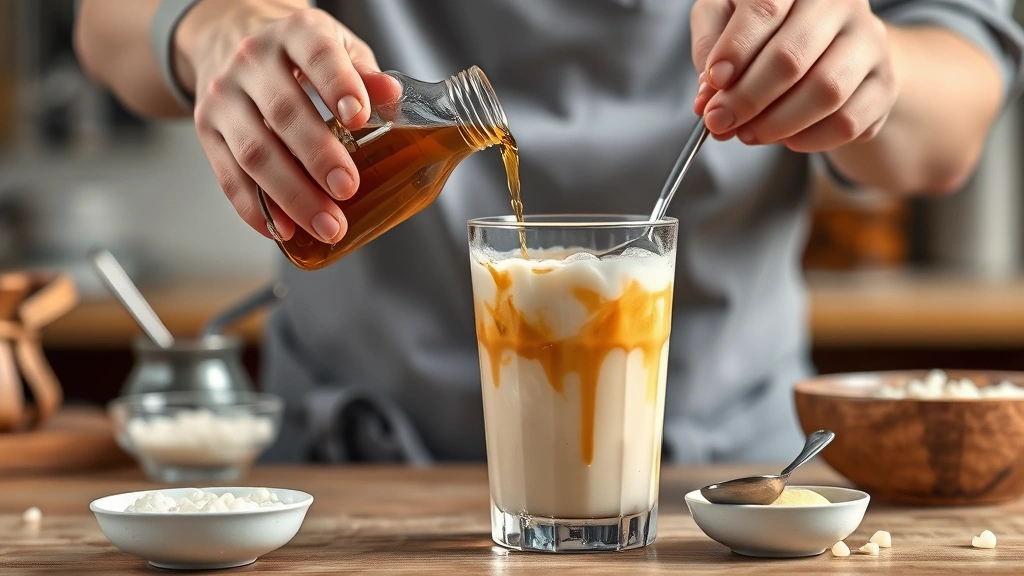
Tiger stripe boba is visually stunning and surprisingly simple to execute. It’s that Instagram-worthy drink with brown sugar caramel dripping down the inside of the glass. Here’s the technique: coat the inside of your glass with brown sugar syrup using the back of a spoon. Work quickly and let gravity do some of the work. The syrup should create thick vertical streaks.
Fill the glass with ice, pour your milk tea base over it, then add your pearls. The syrup creates those gorgeous stripes as the drink sits. It’s not just for looks either—those syrup streaks add concentrated sweetness bursts as you drink. This technique works with any of your boba story recipes, but it’s most striking with lighter-colored drinks like matcha or classic milk tea. Practice this a few times before attempting it for guests.
Fruit Tea Variations
Beyond mango, there’s a whole universe of fruit-forward boba drinks. Strawberry boba uses fresh strawberry puree (about ¾ cup per drink) mixed with your milk tea base. Passion fruit boba uses passion fruit pulp—you can find frozen packets at most Asian markets. Lychee boba uses lychee syrup or fresh lychee puree. The formula stays consistent: fruit component plus milk tea plus pearls.
The key is balancing fruit intensity with the tea flavor. You don’t want the tea completely buried. I typically use a 1:1 ratio of fruit puree to milk tea base, then adjust sweetness with honey or simple syrup to taste. Fresh fruit always beats artificial flavoring in these recipes. Yes, it’s slightly more work, but the flavor difference is absolutely worth it. Store fruit purees in airtight containers for up to 3 days.
Temperature & Timing Mastery
Temperature control separates mediocre boba from exceptional boba. Your tea should be brewed with water between 195-205°F—not boiling. Boiling water extracts too much tannin and creates harsh flavors. Your ice should be fresh and hard, not partially melted. Your pearls should be warm when added to the drink, which helps them release flavor into the surrounding liquid.
Timing matters equally. Pearls stay perfectly chewy for about 30 minutes after cooking. After that, they start getting mushy. Brew tea fresh for each drink if possible—pre-brewed tea sitting around loses complexity. If you’re making multiple drinks at once, brew in batches rather than one giant batch. The precision here mirrors how temperature matters when you’re making chipotle aioli recipe components—small adjustments create major flavor differences.
Storage & Freshness Tips
Cooked pearls are best consumed within 8 hours but can stretch to 12 hours if stored properly in their brown sugar syrup. Keep them in an airtight container at room temperature—refrigerating them makes them rubbery. Pre-brewed tea lasts 24 hours in the refrigerator, though flavor starts degrading after about 12 hours. Brown sugar syrup keeps for 2 weeks refrigerated. Matcha powder stays fresh for about 1 month after opening if stored in an airtight container away from light.
For batch preparation, I recommend cooking pearls fresh daily if you’re making drinks regularly. It’s only 30 minutes of work and the quality difference is noticeable. Keep your tea brewing simple and fresh. Store all liquid components separately and assemble drinks to order. This approach takes maybe 5 minutes per drink once you’ve got your system dialed in, and you’ll have cafe-quality results consistently.
Frequently Asked Questions
What’s the difference between tapioca pearls and popping boba?
Tapioca pearls are chewy spheres made from tapioca starch that you cook in boiling water. Popping boba are smaller spheres with a liquid center that burst when you bite them. They’re different products entirely. Tapioca pearls are traditional and what most people think of as boba. Popping boba adds a fun textural element but requires different sourcing and handling.
Can I make boba story recipes without a tea infuser?
Absolutely. Use a fine-mesh strainer or even a coffee filter. The key is ensuring your tea leaves don’t end up in the final drink. Some people use a small glass jar with a lid, add tea leaves and hot water, let it steep, then strain. Low-tech solutions work perfectly fine—you’re just separating leaves from liquid.
Why does my boba taste bitter?
Over-steeped tea is the usual culprit. Set a timer and stick to it. Also check your water temperature—if it’s too hot, it extracts excessive tannins. Another possibility is stale tea leaves. Buy fresh loose-leaf tea from reputable sources and store in airtight containers away from light and heat.
How do I get the tiger stripe effect perfect?
Practice and patience. Use a spoon to coat the glass interior with brown sugar syrup, working quickly. The syrup should be thick enough to cling but not so thick it won’t flow. Room temperature syrup works better than cold syrup for this technique. Do a few practice runs before showing off to friends.
Can I use powdered milk instead of whole milk?
You can, but the texture and mouthfeel suffer noticeably. Whole milk creates that luxurious creamy texture that makes boba drinks special. If you’re dairy-free, oat milk or coconut milk work beautifully as substitutes. Avoid skim milk—it doesn’t have enough fat to create proper richness.
Master Your Boba Game
These boba story recipes represent the foundation of home bubble tea mastery. Start with the classic milk tea, nail your tapioca pearl cooking, then branch into flavor variations as you gain confidence. The beauty of making boba at home is that you control every variable—tea quality, sweetness level, milk type, pearl texture. You’ll quickly realize why cafe boba costs $6-8 per drink when you’re making cafe-quality versions for under a dollar.
The investment is minimal: loose-leaf tea, tapioca pearls, brown sugar, and milk. The knowledge required is straightforward once you understand the core principles of temperature, timing, and ratio. Spend a weekend experimenting with these recipes, dial in your preferences, and you’ll have a skill that impresses people and saves you serious money long-term. This is craftsperson-level work applied to beverages, and it’s absolutely worth mastering. Now get in your kitchen and start brewing.


