
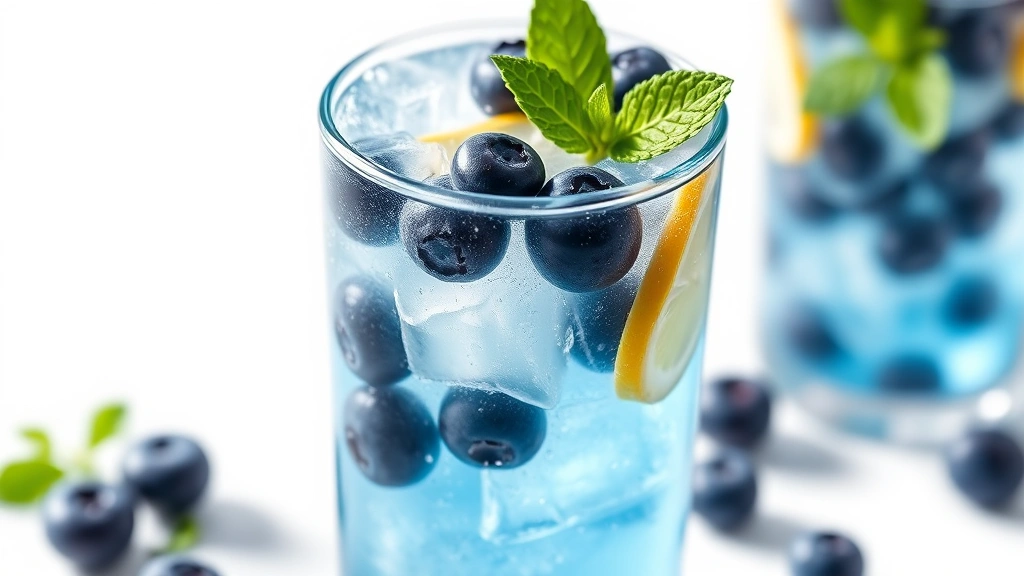
Making a blueberry lemonade recipe at home is one of those simple pleasures that tastes way better than anything you’ll find in a store. I’m talking fresh, tart, and naturally sweet—the kind of drink that hits different on a hot afternoon. Whether you’re hosting a backyard gathering or just want something refreshing to sip while you’re working on projects around the house, this recipe delivers big flavor without any fuss.
Table of Contents
Why Homemade Matters
Store-bought lemonades are loaded with artificial flavors and way too much sugar. When you make your own blueberry lemonade, you control every single element. You know exactly what’s going in—fresh lemons, real blueberries, and water. No mystery ingredients. The flavor profile is brighter, more complex, and honestly more satisfying. Plus, there’s something deeply satisfying about crafting your own beverages from scratch, just like building something with your own two hands.
Ingredients You Need
Here’s what you’ll gather for this recipe:
- Fresh blueberries: 2 cups (fresh or frozen work equally well)
- Fresh lemons: 6-8 medium lemons (you need about 1 cup of juice)
- Water: 6 cups cold water
- Honey or sugar: ½ to ¾ cup (adjust to taste)
- Optional: Fresh mint leaves, a pinch of sea salt
The beauty of this blueberry lemonade recipe is that you probably have most of these items already. Fresh blueberries are the star here—they bring natural sweetness and gorgeous color that makes this drink visually stunning.
Step-by-Step Process
Let’s walk through this like we’re building something solid. First, juice your lemons. Cut them in half and use a citrus juicer or just squeeze them by hand—you want about 1 cup of fresh lemon juice. Strain out any seeds or pulp if you prefer a cleaner drink, but I like leaving a little pulp for texture.
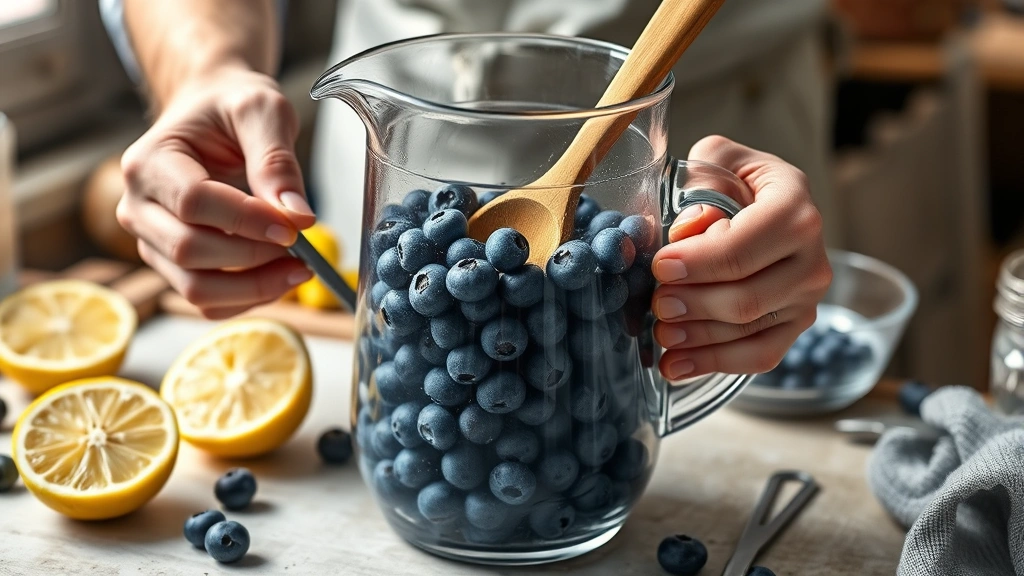
Next, measure out your blueberries. If you’re using frozen ones, no need to thaw them first. Fresh blueberries are ideal because they’re at peak flavor, but frozen works great too and often costs less. Place your blueberries in a large pitcher or bowl—this is your mixing station.
Pour your lemon juice over the blueberries. Let them sit for about 5 minutes so the flavors start mingling. This isn’t a long wait, but it makes a difference in the final taste.
Blending Technique
Here’s where technique matters. You can go two routes: muddle or blend. For a more rustic approach, use a wooden spoon or muddler to gently crush the blueberries in the pitcher. This releases their juices without pulverizing them completely, which keeps the texture nice. If you want a smoother, more integrated drink, transfer everything to a blender and pulse until smooth. Don’t over-blend—you’re looking for a uniform color, not a frothy mess.
I prefer the blender method for this blueberry lemonade recipe because it creates a more cohesive flavor throughout the drink. The blueberry essence distributes evenly rather than settling at the bottom.
Straining and Clarity
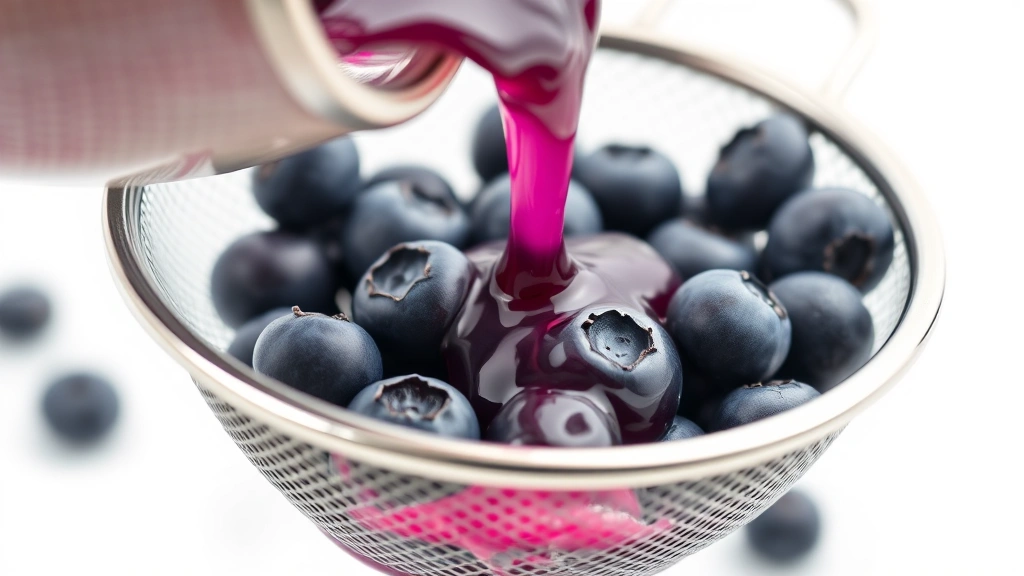
After blending, you’ll want to strain the mixture through a fine-mesh sieve or cheesecloth. This removes the blueberry skins and seeds, giving you that beautiful clear-purple liquid. Push gently with the back of a spoon to extract every bit of flavor without forcing the solids through. This step takes a few minutes but makes the difference between a cloudy drink and a professional-looking beverage.
Save the strained solids—you can use them in smoothies, yogurt, or desserts. Nothing goes to waste.
Getting Sweetness Right
Add your honey or sugar to the blueberry-lemon mixture and stir thoroughly until dissolved. Start with ½ cup and taste. This is critical—you want tartness and sweetness in balance. The blueberries add natural sweetness, so you might need less than you think. If it’s too tart, add another tablespoon of honey. If it’s too sweet, add more cold water. This is your adjustment phase, and it’s perfectly fine to dial it in over a couple of tastings.
Pro tip: Use honey for a smoother, more refined sweetness, or regular sugar if you want a brighter, crisper taste. Either works beautifully in this blueberry lemonade recipe.
Serving Suggestions
Pour your finished concentrate into a large pitcher and add your 6 cups of cold water. Stir well. Add ice cubes generously—crushed ice works better than large cubes because it chills the drink faster without diluting it as much.
For presentation, drop a few fresh blueberries into each glass along with a lemon slice and a sprig of fresh mint. This looks restaurant-quality and tastes incredible. Serve immediately while everything’s cold and refreshing.
Storage Tips
Your finished blueberry lemonade keeps in the refrigerator for up to 3 days in a sealed pitcher. The flavor actually deepens slightly on day two, which is nice. If you want to store it longer, make the concentrate (everything except the final water addition) and keep that for up to a week. Then add water fresh each time you want a glass.
You can also freeze this drink in popsicle molds for homemade blueberry lemonade pops—perfect for hot days and surprisingly refreshing.
Variations and Tweaks
Once you’ve mastered the basic blueberry lemonade recipe, you can experiment. Add fresh ginger for a spicy kick—just muddle a tablespoon of ginger with the blueberries. Throw in some fresh basil for an herbal twist. If you want more tartness, add an extra lemon. Want it lighter? Use more water and less honey.
Some people add a splash of sparkling water at the end for a fizzy version—that’s fantastic too. You can even make a boozy version with vodka or rum for adult gatherings. The base recipe is flexible, so play around and find your perfect balance.
Troubleshooting Common Issues
Drink too tart? Add more honey or sugar, a tablespoon at a time. You can also add more water to dilute the tartness.
Not enough blueberry flavor? You might have used frozen blueberries that lost some punch, or you didn’t let them sit long enough with the lemon juice. Next time, increase to 2.5 cups of blueberries or add a tablespoon of blueberry jam for extra intensity.
Cloudiness or separation? Make sure you’re straining properly through a fine sieve. If it’s separating after sitting, just stir before serving—this is normal and doesn’t affect taste.
Too sweet? Dial back the honey next time, or add fresh lemon juice to balance it out.
Frequently Asked Questions
Can I use frozen blueberries?
Absolutely. Frozen blueberries work great and are often cheaper. They release their juice just as readily as fresh ones. No thawing needed—just toss them in frozen.
How much lemon juice do I really need?
Around 1 cup from 6-8 medium lemons is the sweet spot. Larger lemons might give you more juice, so adjust accordingly. You want that tart backbone that makes the blueberries pop.
Can I make this ahead for a party?
Yes. Make the concentrate the morning of your event and store it in the fridge. Add water and ice right before serving so it stays cold and crisp. Your guests will be impressed.
What if I don’t have a blender?
Muddle the blueberries by hand with a wooden spoon or the back of a fork. It takes more elbow grease but delivers the same result. Strain carefully afterward.
Is this blueberry lemonade recipe naturally vegan?
Yes, if you use sugar instead of honey. Both work perfectly, so pick whichever aligns with your preferences.
Can I reduce the sugar content?
Definitely. Start with ¼ cup honey and add more only if needed. The blueberries bring natural sweetness, so you might surprise yourself with how little added sugar you actually need.
How many servings does this make?
This recipe yields about 8-10 glasses depending on glass size. Perfect for a small gathering or a week’s worth of refreshments.
Final Thoughts
Making your own blueberry lemonade recipe is straightforward, rewarding, and way more delicious than anything premade. You’re working with real ingredients, controlling the flavor profile, and ending up with something genuinely special. Whether you’re sipping it solo on the porch or serving it at a backyard gathering, this drink delivers. The combination of tart lemon and sweet, juicy blueberries is timeless for a reason. Give this recipe a shot, tweak it to your taste, and enjoy the fruits of your labor. That’s the craftsman’s way.


