
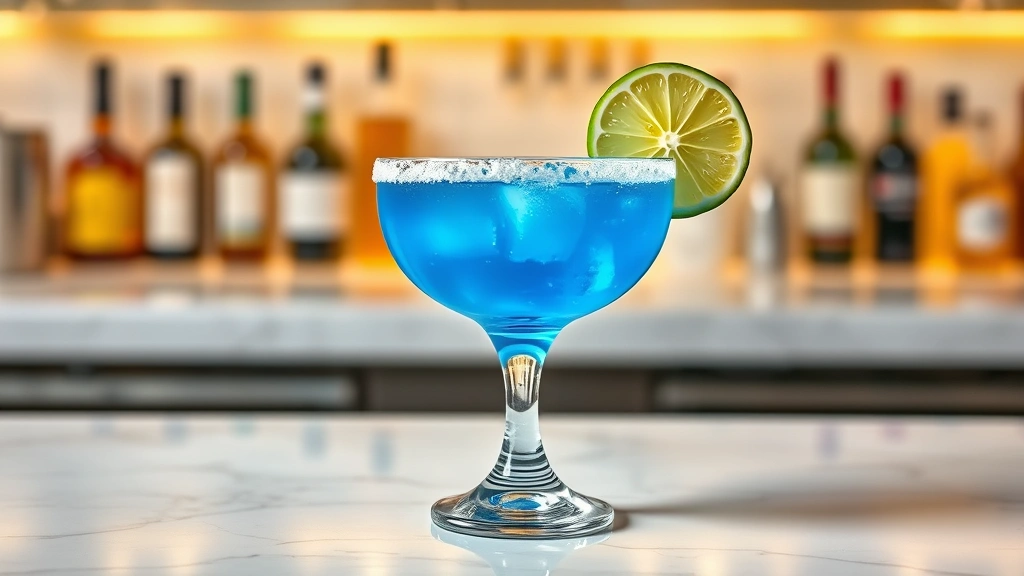
A blue margarita recipe is your ticket to impressing friends with a vibrant, delicious cocktail that looks as good as it tastes. Whether you’re hosting a backyard gathering or just want to shake things up at home, mastering this electric blue drink is easier than you’d think. Let me walk you through the process like we’re standing at the bar together, and I’ll show you exactly how to nail it every single time.
Table of Contents
What Makes It Blue?
The signature blue color in a blue margarita recipe comes from blue curaçao, a liqueur made from dried peels of the Laraha citrus fruit. This isn’t just food coloring—it’s actual flavor. Blue curaçao brings a subtle orange note with a hint of bitterness that balances beautifully against the tequila and lime. The magic happens when you combine it with clear spirits; the blue hue becomes that Instagram-worthy electric color everyone loves. Think of it like mixing paints—the base spirits are your canvas, and the curaçao is what brings the whole picture to life. Some bartenders use alternative blue liqueurs, but authentic curaçao gives you the best flavor profile. You can find quality brands at any decent liquor store, and honestly, it’s worth spending a couple extra bucks for the good stuff because it makes a noticeable difference in the final drink.
Gather Your Ingredients
Here’s what you’ll need for a proper blue margarita recipe that serves one:
- 1.5 oz premium silver tequila – This is your foundation. Don’t cheap out here; silver tequila has the purest agave flavor.
- 1 oz fresh lime juice – Bottled won’t cut it. Squeeze real limes. The difference is night and day.
- 0.5 oz blue curaçao – This is your star ingredient. It provides color and that citrusy complexity.
- 0.5 oz triple sec or Cointreau – Adds smoothness and additional orange notes without overpowering the blue curaçao.
- 0.25 oz fresh agave nectar or simple syrup – Balances the acidity. Agave nectar pairs better with tequila-based drinks.
- Ice cubes – Use fresh, quality ice. Old freezer ice absorbs odors and dilutes faster.
- Lime wheel for garnish – Presentation matters, and it adds a fresh citrus aroma when you sip.
- Margarita salt (optional) – For rimming the glass. Some prefer Tajín seasoning for a spicy kick.
Pro tip: chill your glassware before you start mixing. A cold glass keeps your drink at the perfect temperature longer and enhances the overall experience.
Essential Equipment Setup
You don’t need a fancy home bar to make a stellar blue margarita recipe, but having the right tools makes the job cleaner and faster. Here’s what actually matters:
- Cocktail shaker – Either a Boston shaker (two-part metal) or a cobbler shaker (three-part with built-in strainer). I prefer Boston shakers because they’re faster once you get the technique down.
- Jigger – Get one with dual measurements (typically 1.5 oz and 0.5 oz sides). This ensures consistency every single time.
- Bar spoon – For stirring and layering if you want to get fancy.
- Citrus juicer – A handheld juicer works great. Electric ones are overkill for home use.
- Hawthorne strainer – Fits over your shaker to strain ice out smoothly.
- Margarita glass – The classic wide-rimmed coupe or rocks glass. If you don’t have one, use a regular rocks glass or even a wine glass in a pinch.
Set everything up before you start mixing. This is called mise en place, and it’s the difference between looking like you know what you’re doing and scrambling around mid-pour.
Step-by-Step Method
Now we get to the actual blue margarita recipe execution. Follow these five steps precisely:
Step 1: Prepare Your Glass – If you want a salt rim, wet the rim of your margarita glass with a lime wedge, then dip it into coarse margarita salt or Tajín. Rotate the glass so the salt adheres evenly. This step is optional but highly recommended for that classic margarita experience.
Step 2: Fill Your Shaker – Add ice to your cocktail shaker until it’s about three-quarters full. Use fresh ice, not ice that’s been sitting around. The quality of your ice directly affects the quality of your drink because it melts slower and dilutes less.
Step 3: Add Liquid Ingredients – Using your jigger, measure out 1.5 oz tequila, 1 oz fresh lime juice, 0.5 oz blue curaçao, 0.5 oz triple sec, and 0.25 oz agave nectar. Pour them all into the shaker. The order doesn’t matter much, but I like to go spirits first, then citrus and sweetener last so they sit on top.
Step 4: Shake Hard and Fast – Seal your shaker and shake vigorously for about 10-15 seconds. You want to hear the ice rattling aggressively. This chills the drink quickly and incorporates the ingredients evenly. Don’t be timid here—commitment is key.
Step 5: Strain and Serve – Place your Hawthorne strainer over the shaker and pour the drink into your prepared glass. The strainer keeps ice out while letting the liquid flow smoothly. Garnish with a lime wheel, and serve immediately. The drink should be ice-cold and perfectly balanced.
Perfecting Your Technique
Making a blue margarita recipe consistently requires understanding a few technical details that separate good drinks from great ones. Temperature control is everything. Your shaker and glass need to be cold before you start. If you’re making multiple drinks, keep your glassware in the freezer. The colder everything is, the less ice you need to melt to chill the drink, which means less dilution and better flavor.
Shaking technique matters more than most people realize. When you seal your shaker, make sure it’s tight—no leaks. Position your hands so one hand holds the base and the other holds the top. Shake at about shoulder height with quick, controlled motions. The goal is rapid, consistent movement, not wild flailing. Listen to the ice—a good shake sounds crisp and rhythmic, not dull.
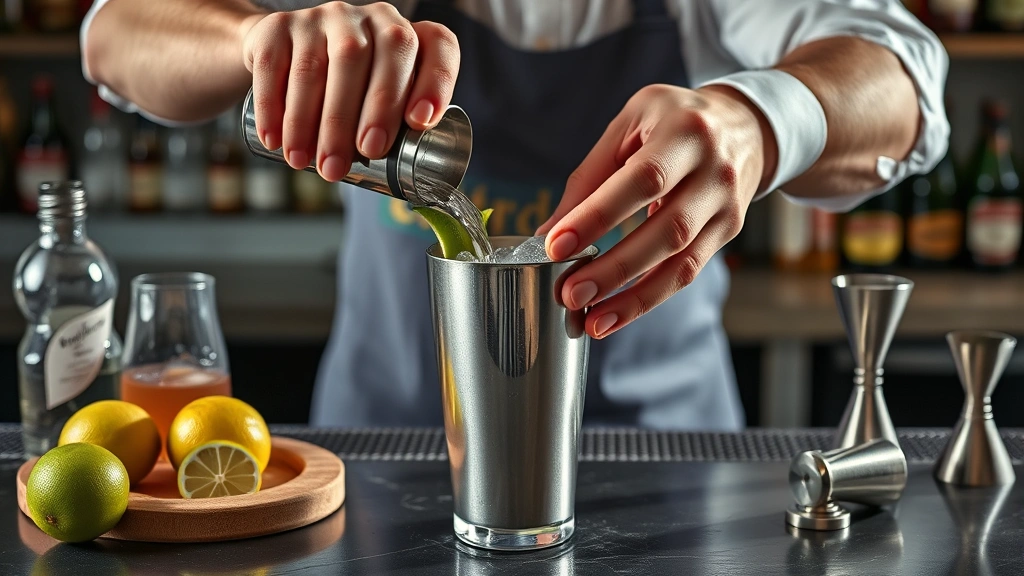
Measurement precision keeps your drinks consistent. Using a jigger every single time removes guesswork. Even experienced bartenders use jiggers because consistency is what builds reputation. If you eyeball it, one drink might be too strong and the next too weak. That’s sloppy.
The dilution factor is crucial. When you shake a drink with ice for 10-15 seconds, you’re melting a small amount of ice intentionally. This dilution is necessary—it mellows the alcohol and creates a smoother mouthfeel. Under-shaking leaves your drink too strong and too warm. Over-shaking dilutes it too much and makes it watery. The sweet spot is that 10-15 second window where everything comes together perfectly.
Variations and Twists
Once you’ve mastered the classic blue margarita recipe, you can start experimenting. A frozen blue margarita uses the same ingredients but blended with crushed ice instead of shaken. It’s creamier and more refreshing on hot days. Just blend everything together until it reaches a slushy consistency.
For a spicy blue margarita, add a small slice of jalapeño to the shaker before shaking, or rim your glass with Tajín seasoning instead of salt. The heat plays beautifully against the citrus notes.
A blue margarita pitcher is perfect for parties. Multiply the recipe by however many drinks you want to make, combine everything in a large pitcher, and chill. You can prepare it an hour ahead and just pour over ice when guests arrive. This approach lets you focus on how to make Facebook post shareable with photos of your creation instead of constantly mixing drinks.
Try substituting mezcal for half the tequila to add a smoky dimension. Or use coconut tequila for a tropical twist. Some bartenders add a splash of pineapple juice for sweetness and color variation. The base blue margarita recipe is flexible—experiment and find what you like.
Storage and Prep Tips
If you’re preparing blue margarita recipe components ahead of time, here’s how to do it right. Fresh lime juice keeps in the refrigerator for about 3-4 days in an airtight container. Don’t juice limes more than a day ahead if you can help it—the flavor degrades. Agave nectar and simple syrup stay fresh indefinitely in sealed bottles at room temperature.
Your spirits don’t need refrigeration, but keeping them cool is nice. Blue curaçao, tequila, and triple sec are shelf-stable. However, if you’re making drinks for a party, pre-chill your bottles in the freezer for 30 minutes before service. Cold spirits mean less ice dilution needed.
For batch preparation, mix your liquid ingredients (minus ice) in a pitcher and refrigerate. When guests arrive, shake each serving individually with fresh ice. This maintains quality better than pre-mixing everything. If you absolutely must batch-mix and chill, do it no more than 2-3 hours ahead, and shake it again gently before serving to redistribute settled ingredients.
Glassware should be washed and dried just before use. Residual water or dust affects taste and appearance. If you’re doing multiple drinks, keep clean glasses stacked in the freezer so they’re always ready to go.
Troubleshooting Common Issues
Your blue margarita recipe tastes too strong or too boozy? You’re not shaking long enough or hard enough. Proper shaking dilutes the drink slightly and chills it thoroughly, which mellows the alcohol burn. Shake for the full 10-15 seconds with commitment.
Drink tastes too sour or acidic? You’re using bottled lime juice or old lime juice. Fresh-squeezed lime juice is essential. Also, check your agave nectar ratio—if you’re using less than 0.25 oz, increase it slightly. Different lime varieties have different acidity levels, so adjust the sweetener to taste.
The blue color looks pale or washed out? You’re not using enough blue curaçao, or your curaçao is old and has faded. Use the full 0.5 oz, and if your bottle has been open for over a year, it’s time to replace it. Also, make sure you’re using actual blue curaçao, not blue food coloring mixed with other liqueurs.
Drink is too diluted or watery? Your ice is old or low-quality, or you’re shaking too long. Use fresh ice cubes and stick to the 10-15 second shake window. If your freezer smells funky, your ice will taste funky.
The salt rim keeps falling off? Your glass rim wasn’t wet enough when you dipped it. Use a lime wedge to thoroughly wet the rim, making it sticky enough for salt to adhere. Some bartenders use egg white or simple syrup for extra stickiness if needed.
Frequently Asked Questions
Can I make a blue margarita recipe without blue curaçao?
Technically yes, but it won’t be authentic. You could use blue food coloring with triple sec, but you’d lose the distinctive flavor profile that makes a blue margarita special. Blue curaçao is affordable and worth having on hand. If you absolutely can’t find it, some bars use blue Curacao substitutes like Bols Blue, which works in a pinch.
What’s the difference between blue curaçao and triple sec?
Both are orange-flavored liqueurs, but blue curaçao is colored and has a slightly different flavor profile with more bitterness. Triple sec is clear and sweeter. They’re often used together in a blue margarita recipe because they complement each other—the curaçao provides color and complexity, while triple sec adds smoothness.
Can I use frozen lime juice?
Avoid it if possible. Frozen lime juice loses aromatic compounds during freezing and thawing. Fresh-squeezed is always superior. If you must use bottled juice, buy the best quality you can find, but fresh is really the way to go. Squeezing limes takes two minutes and makes a huge difference.
Should I rim my glass with salt or sugar?
Salt is traditional for margaritas and enhances the citrus flavors. Sugar would make it too sweet. However, some people prefer no rim at all. It’s personal preference, but if you’re following a classic blue margarita recipe, salt is the way to go.
How much should I shake the drink?
Shake vigorously for 10-15 seconds. This is long enough to chill the drink and incorporate ingredients without over-diluting. If you’re making multiple drinks back-to-back, you might go slightly shorter (10 seconds) because your shaker stays colder. If your shaker has warmed up, go the full 15 seconds.
Can I make this drink ahead for a party?
You can mix the liquid ingredients in a pitcher 2-3 hours ahead and keep it refrigerated, then shake individual servings with fresh ice when guests arrive. Alternatively, batch-shake everything into a pitcher with ice and serve immediately. Don’t let mixed drinks sit more than 30 minutes before serving—they get watery and the flavors flatten.
What’s the best tequila for this recipe?
Use 100% agave silver (blanco) tequila. Brands like Patrón, Don Julio, Espolòn, and Sauza Hornitos are solid mid-range options. You don’t need top-shelf for a margarita, but you do need real tequila, not a mixto (which contains added sugars). The agave flavor is important to the overall balance.
Why does my blue margarita recipe taste different each time?
Inconsistency comes from variations in measurements, shaking duration, ice quality, or ingredient freshness. Use a jigger every time, shake for exactly 10-15 seconds, use fresh ice, and keep your lime juice fresh. These variables compound—miss on a couple and the drink changes noticeably.
A blue margarita recipe is one of those drinks that rewards precision and attention to detail. Master the fundamentals, and you’ll make consistently excellent cocktails that taste like they came from a professional bar. The ingredients are simple, the technique is straightforward, and the results are impressive. Now get out there and start mixing. Your friends are going to love these. For more entertaining tips, check out how to play Bananagrams to pair with your cocktails, or learn how to say hello in Portuguese if you’re hosting international guests. You could even add music to Google Slides for a party presentation, and change background color on Instagram Story to match your drink’s vibrant blue hue when you post about your cocktail night.


