
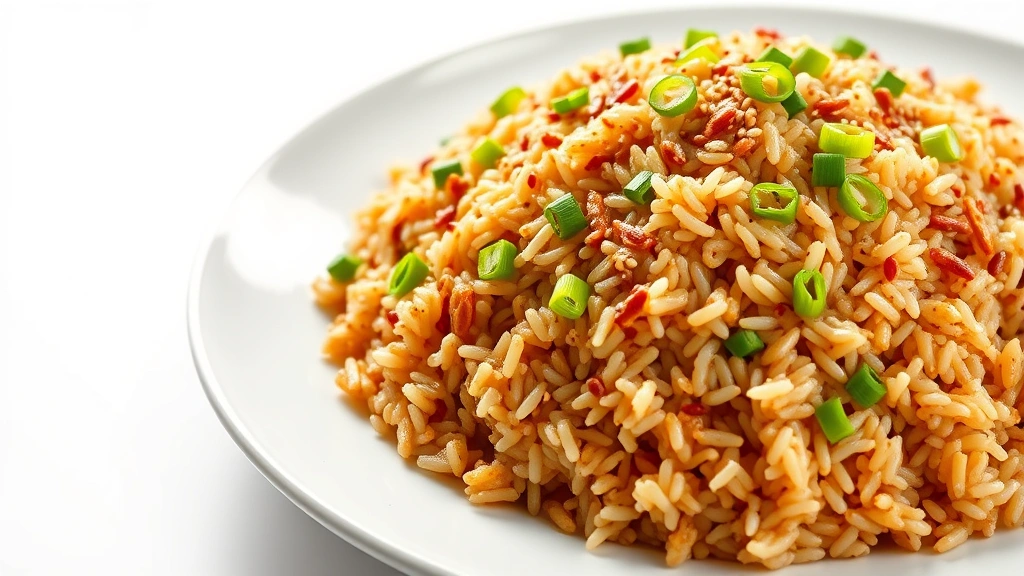
A blackstone fried rice recipe transforms your griddle into a wok-style cooking machine, delivering restaurant-quality results right in your backyard. If you’ve got a Blackstone or similar flat-top griddle, you’re sitting on one of the best tools for making fried rice that rivals any takeout joint. I’m going to walk you through everything—from prep work to plating—so you can nail this every single time.
Table of Contents
Rice Prep is Everything
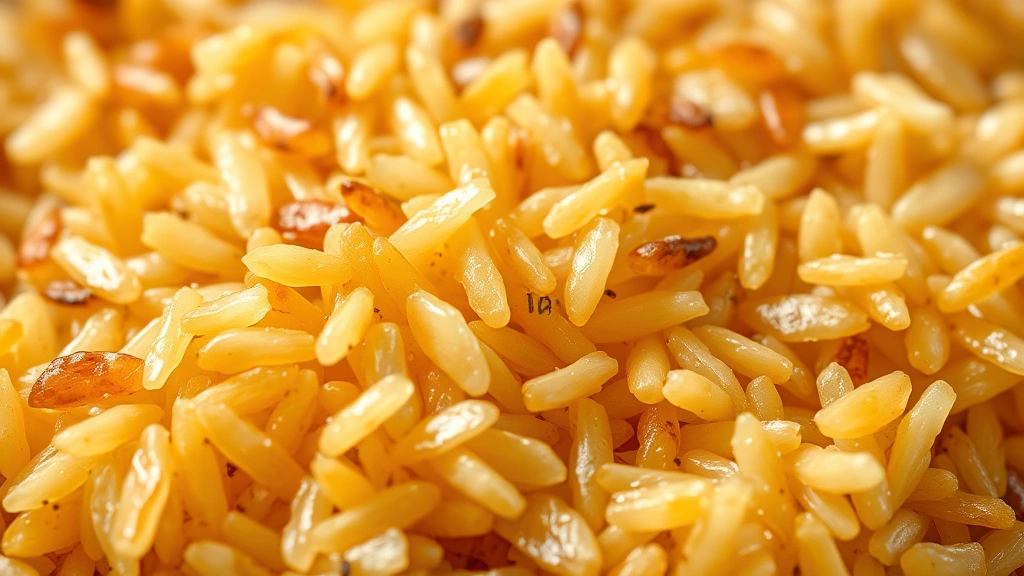
Here’s the dirty secret about fried rice: it’s not really about the cooking—it’s about preparation. Day-old rice is non-negotiable. Fresh, hot rice will turn into a mushy mess on your Blackstone griddle because it’s loaded with moisture. You want rice that’s been refrigerated overnight, which allows the starches to set up and the grains to separate.
Cook your rice the day before using a standard 1:2 ratio (one cup rice to two cups water). Let it cool completely, then spread it out on a baking sheet before refrigerating. This prevents it from clumping into one giant brick. When you pull it out the next day, break up any clusters with your fingers—you want individual, dry grains.
The rice should feel slightly firm and not stick together. If you squeeze a handful and it holds its shape, it still has too much moisture. Ideal fried rice rice should crumble apart instantly.
Setting Up Your Griddle
Your Blackstone is your canvas here. Preheat it to medium-high heat for about 5 minutes. You want it hot enough that a drop of water dances across the surface, but not so hot that everything burns instantly. Most people run their griddle around 375-400°F for fried rice work.
Coat the cooking surface lightly with oil—about 2 tablespoons of vegetable or peanut oil spread across the entire griddle with a paper towel. Peanut oil is ideal because it has a higher smoke point and adds subtle flavor, but vegetable oil works fine too. Don’t use olive oil; it’ll smoke and taste off.
Have all your ingredients prepped and within arm’s reach. This is a fast-moving process once you start, and you can’t pause to chop an onion mid-cook. Mise en place—everything in its place—is your best friend here.
Core Ingredients You Need
Let’s talk baseline ingredients for a solid blackstone fried rice recipe. You need:
- 3 cups day-old cooked rice (cold)
- 3 eggs, beaten
- ½ cup diced onion
- ½ cup diced carrots
- ½ cup peas (frozen is fine)
- 3 cloves garlic, minced
- 3 tablespoons soy sauce
- 1 tablespoon oyster sauce
- 1 teaspoon sesame oil
- 2 tablespoons vegetable oil
- Salt and white pepper to taste
- 2 green onions, sliced (for garnish)
This makes about 4 servings. These ratios are flexible—adjust vegetables based on what you like. The key is keeping the rice-to-sauce ratio balanced so you don’t end up with soggy rice.
The Cooking Technique
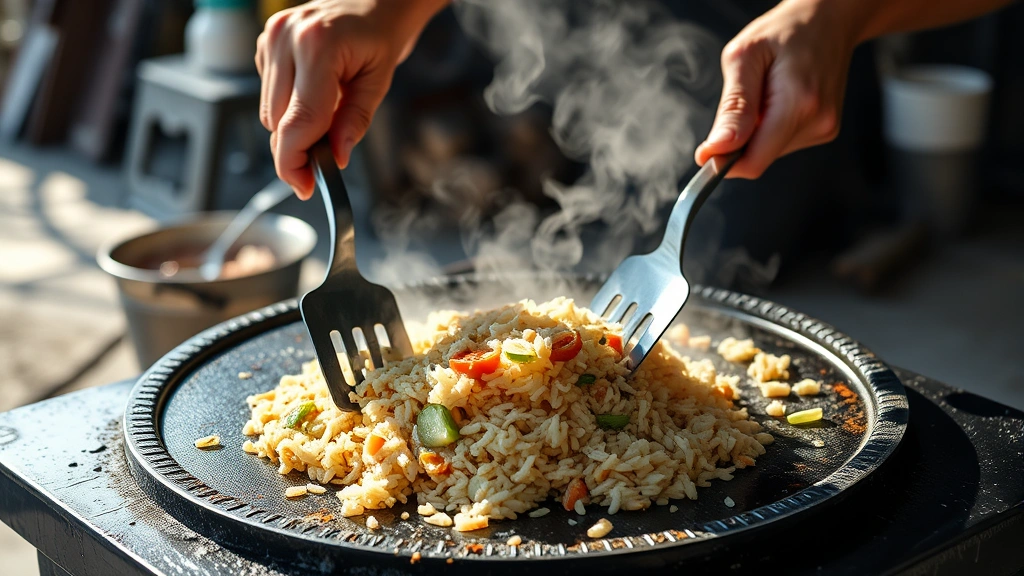
Start by pushing your rice to the sides of the griddle, creating a well in the center. Pour in beaten eggs and scramble them until they’re about 80% cooked—still slightly wet. Then break them into small pieces and mix them throughout the rice. This takes about 2 minutes.
Push everything to the sides again and add another tablespoon of oil to the center. Add your onions and carrots (the harder vegetables that need more time). Let them cook for 2-3 minutes, stirring occasionally. They should start to soften but still have some crunch.
Add minced garlic and cook for 30 seconds—just enough to release the aroma. If you cook it longer, it’ll burn and taste bitter. Now add the peas and any other quick-cooking vegetables. Stir everything together and let it cook for another minute.
Push everything to the sides one more time. Pour your soy sauce, oyster sauce, and sesame oil into the center of the griddle. Let it heat for 10 seconds so the flavors activate, then mix it all together thoroughly. The rice should be well-coated and fragrant.
Seasoning and Flavor Balance
Taste as you go. Soy sauce is salty, so go easy initially. You can always add more, but you can’t take it out. A pinch of white pepper (not black—it looks weird in fried rice) adds heat without visible specks. Some people add a dash of sriracha or chili oil for kick, but that’s optional.
If your fried rice tastes flat, it’s usually one of three things: not enough salt, missing umami (add a teaspoon more oyster sauce), or lacking brightness (squeeze of lime juice or a splash of rice vinegar works wonders). Keep these flavor boosters nearby and adjust to your taste.
The sesame oil is crucial—don’t skip it. It adds a toasted, nutty depth that makes people ask what your secret ingredient is. But use it sparingly; a little goes a long way.
Adding Protein Smart
Eggs are built into the base recipe, but you can add more protein. Diced ham, shrimp, or chicken breast work great. The key is cooking protein separately before adding it to the rice, or cooking it on your griddle while the rice cooks on another section.
If using shrimp, cook it until just pink (about 2 minutes per side), then set it aside. Add it back in during the final mixing so it doesn’t overcook and turn rubbery. Chicken should be diced small and cooked through before mixing in. Ham can go in raw since it’s already cooked.
For a vegetarian version, skip the meat entirely and add an extra egg or some cashews for crunch and richness. Tofu works too—press it first to remove moisture, then cube and pan-fry until golden before adding to the rice.
Vegetable Timing Matters
Not all vegetables cook at the same rate on a hot griddle. Hard vegetables like carrots and onions need 3-4 minutes. Medium vegetables like bell peppers need 2-3 minutes. Quick-cooking stuff like peas, corn, and green onions need just 30 seconds to a minute.
This is why layering your cooking matters. Start with the hardest vegetables, then add softer ones in stages. If you dump everything in at once, you’ll end up with mushy carrots and raw onions, which is the opposite of what you want.
Pro tip: if you’re using fresh vegetables instead of frozen, cut them smaller so they cook faster on the griddle. Frozen vegetables are actually ideal for fried rice because they’re already partially cooked and won’t release excess water.
Mistakes to Avoid
Using fresh rice is the #1 killer. It turns into paste. Period. Don’t do it. If you forgot to cook rice the day before, spread hot rice on a sheet pan and let it cool completely, then refrigerate for at least 2 hours before using.
Overcrowding the griddle is mistake #2. Work in batches if you’re making a large quantity. The rice needs space to move around and get that slight char on the griddle. Crowding it just steams everything.
Adding sauce too early or all at once is mistake #3. The rice will absorb it unevenly and some grains will be soggy while others are dry. Add sauce at the end and mix thoroughly.
Finally, don’t forget to taste and adjust. Every griddle runs slightly different, and ingredient brands vary. What works perfectly for me might need tweaking for your setup. Trust your palate.
Serving and Storage
Plate your fried rice immediately and top with sliced green onions and sesame seeds if you’ve got them. Serve it hot—fried rice doesn’t hold temperature well, so get it on plates quickly.
Leftover fried rice keeps in an airtight container in the fridge for up to 4 days. Reheat it on your Blackstone griddle with a splash of soy sauce and a touch of oil. It’ll taste almost as good as fresh. You can also freeze it for up to 2 months, though texture degrades slightly.
If you want to learn more about outdoor cooking techniques, check out our guide on Banana Bars Recipe for dessert ideas to follow your meal. For other griddle-friendly recipes, explore How to Make Edible Cookie Dough for creative griddle applications.
Frequently Asked Questions
Can I use instant rice for fried rice?
Technically yes, but it’s not ideal. Instant rice is already broken down and will turn mushy faster. If that’s all you have, use it cold and cook quickly over high heat, stirring constantly. Regular long-grain rice aged overnight is always better.
What’s the best oil for cooking fried rice?
Peanut oil is the gold standard because of its high smoke point and subtle flavor. Vegetable oil and canola oil work fine too. Avoid olive oil, butter, and coconut oil for this application—they have lower smoke points or competing flavors.
How do I get that restaurant-style char on fried rice?
High heat and patience. Don’t stir constantly. Let the rice sit on the hot griddle for 20-30 seconds at a time before stirring. This creates light browning on the grains. The Blackstone’s flat surface is perfect for this because you can create hot and cooler zones.
Can I make fried rice without eggs?
Yes, but eggs add protein and richness. If you’re skipping them, add another protein source like shrimp, chicken, or tofu. Or just load up on vegetables and serve it as a side dish rather than a main course.
Should I use white or brown rice?
White rice is traditional and works best for fried rice. Brown rice has a chewier texture and nuttier flavor, which some people prefer, but it doesn’t get the same light, fluffy texture. If using brown rice, cook it a day ahead and refrigerate it just like white rice.
How do I prevent fried rice from being greasy?
Use less oil than you think you need. Start with 2 tablespoons total and add more only if the rice sticks. The rice itself contains some oils, and you’re not deep-frying here. If it ends up greasy, you used too much oil or cooked it too long at too low a temperature.
Can I prep ingredients the night before?
Absolutely. Chop all your vegetables, beat your eggs, measure your sauces, and store them in containers. This makes the actual cooking process super fast—just show up and execute. This is how restaurants do it.
What’s the difference between fried rice and stir-fry?
Fried rice uses cooked rice as the base ingredient and focuses on coating it with sauce and mixing in other components. Stir-fry uses raw or quick-cooked vegetables and protein in a sauce. They’re different techniques entirely, though both work great on a Blackstone.
The beauty of a blackstone fried rice recipe is that it’s forgiving once you understand the fundamentals. Get your rice right, prep your ingredients, and keep your heat consistent, and you’ll nail it every time. After a few rounds, you’ll be making restaurant-quality fried rice that’ll impress anyone at your table. Now get out there and cook.


