

A solid black beans and rice recipe is one of those workshop staples that every home cook should have in their toolkit. This isn’t fancy restaurant food—it’s honest, straightforward cooking that delivers real flavor without the fuss. Whether you’re feeding a crowd on a tight timeline or just want something nutritious that doesn’t require a culinary degree, this is your go-to.
Table of Contents
Why This Recipe Works
This black beans and rice recipe gets the job done because it respects the fundamentals. You’re not fighting against the ingredients—you’re working with them. The beans need proper seasoning from the ground up, not just a last-minute sprinkle. The rice needs attention to moisture ratios, not guesswork. When you nail these basics, you end up with a dish that’s genuinely better than most restaurant versions, and you’ll know exactly what went into it.
The 30-minute timeline is real, assuming you’re using canned beans (which is perfectly legitimate). If you’re starting from dried beans, you’re looking at overnight soaking plus cooking time—that’s a different project, but we’ll cover it.
Ingredients You Need
For the beans:
- 2 cans (15 oz each) black beans, drained and rinsed
- 2 tablespoons olive oil
- 1 medium yellow onion, diced
- 3 cloves garlic, minced
- 1 teaspoon ground cumin
- ½ teaspoon smoked paprika
- ¼ teaspoon cayenne (adjust to taste)
- 1 bay leaf
- ½ cup vegetable or chicken broth
- Salt and black pepper to taste
- Juice of half a lime
For the rice:
- 1½ cups long-grain white rice (or brown rice if you prefer)
- 3 cups water or broth
- 1 tablespoon olive oil
- 1 teaspoon salt
Optional toppings: cilantro, lime wedges, diced jalapeño, sour cream, cotija cheese
Prep Your Station
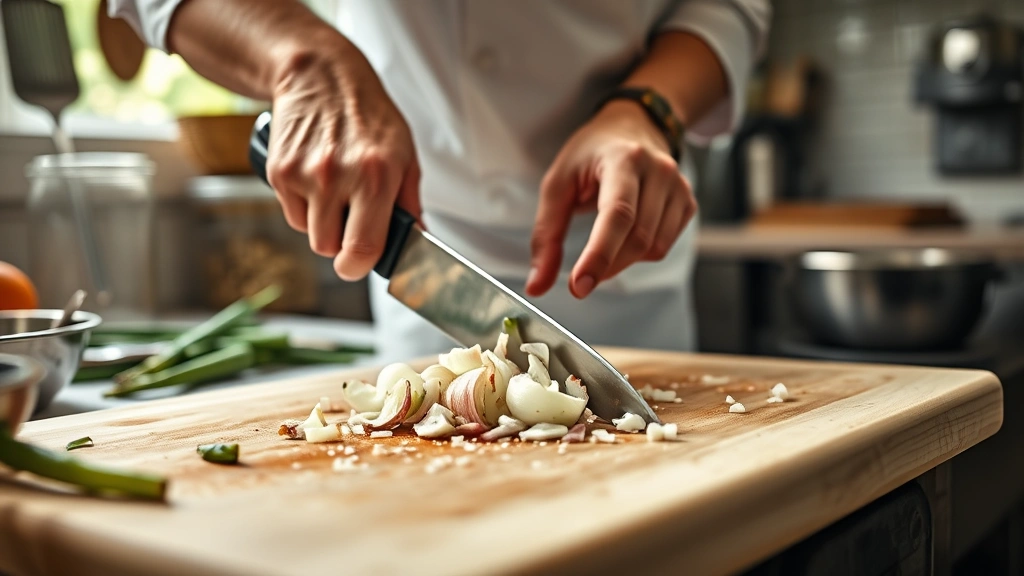
Before you turn on any heat, get your mise en place locked down. Dice your onion, mince your garlic, measure your spices into a small bowl. This isn’t extra work—it’s the difference between controlled cooking and scrambling. Have your broth measured, your beans drained and rinsed, your rice measured. When you’re moving fast, preparation prevents panic.
Set up two pots—one for beans, one for rice. They’re running simultaneously, so you need the real estate.
Cooking the Beans
Heat your olive oil in a medium pot over medium heat. Once it’s shimmering (about 30 seconds), add your diced onion. Cook for 3-4 minutes until it softens and starts to turn translucent. You’re not browning it hard—just taking the raw edge off.
Add your minced garlic and cook for another minute. The kitchen should smell seriously good right now. This is where flavor gets built.
Drop in your cumin, paprika, and cayenne. Stir constantly for about 30 seconds. This blooms the spices and wakes them up. If you skip this step, your spices taste flat and dusty.
Pour in your drained beans and the broth. Add the bay leaf. Bring everything to a simmer and let it bubble gently for 10-12 minutes. The beans should be heated through and the liquid should reduce slightly. Stir occasionally. Finish with lime juice, salt, and pepper to taste. The lime is critical—it brightens everything.
Rice Technique Matters
This is where people mess up. Rice isn’t complicated, but it demands respect for the water-to-rice ratio. For long-grain white rice, you want a 2:1 water-to-rice ratio (3 cups water to 1½ cups rice).
Heat your oil in a separate pot over medium-high heat. Add your rice and toast it for 1-2 minutes, stirring constantly. This sounds like a small detail, but it prevents mushy rice. The heat opens up the grain structure.
Add your water or broth and salt. Bring it to a rolling boil, then immediately reduce to the lowest heat setting. Cover with a tight-fitting lid. Cook for 15 minutes without lifting the lid. When the timer goes off, the liquid should be completely absorbed and the rice should be tender with distinct grains.
Remove from heat and let it sit covered for 5 minutes. This is called resting, and it lets the steam redistribute evenly. Then fluff with a fork.
Seasoning Strategy
Season as you go, not all at the end. Taste the beans at the 10-minute mark. They should be warm, flavorful, and balanced. If they taste flat, add more salt. If they taste one-dimensional, you probably need more lime juice or a pinch more cayenne. The rice gets its salt upfront in the cooking liquid—don’t undersalt it.
Remember: you can always add more salt, but you can’t take it out. Start conservative.
Assembly Method
This isn’t complicated, but presentation matters. Put your fluffy rice on the plate or in the bowl as your base. Spoon the black beans and their liquid over the top. The beans should be saucy, not dry. If your beans look too thick, thin them with a splash of broth or water.
Finish with fresh cilantro, a squeeze of lime, and whatever toppings you’re using. A dollop of sour cream and some cotija cheese turn this from weeknight dinner into something special.
Troubleshooting Guide
Beans taste bland: You undercooked the onion and garlic. These are your flavor foundation. Next time, give them more time to develop.
Rice is mushy: You either used too much water or cooked it too long. Measure precisely and don’t peek under the lid. Brown rice needs about 45 minutes instead of 15.
Rice is crunchy: Not enough water. Add ¼ cup more water next time and extend cooking by 3 minutes.
Beans are too thick/soupy: Simmer uncovered for the last few minutes to evaporate excess liquid, or add more broth if they’re too thick.
Everything tastes one-note: You’re missing acid. Lime juice is non-negotiable. If you don’t have fresh lime, use lime juice from a bottle—it’s better than nothing.
Variations & Upgrades
Once you nail the basic black beans and rice recipe, you can build on it. Add diced bell peppers with the onion for sweetness. Throw in a jalapeño if you want heat. Some people add a splash of hot sauce or sriracha at the end. You could also mix in corn, black olives, or diced tomatoes.
If you want to make this more substantial, top it with a fried egg, grilled chicken, or sautéed shrimp. It’s a blank canvas. The foundation is solid enough to support whatever you want to add.
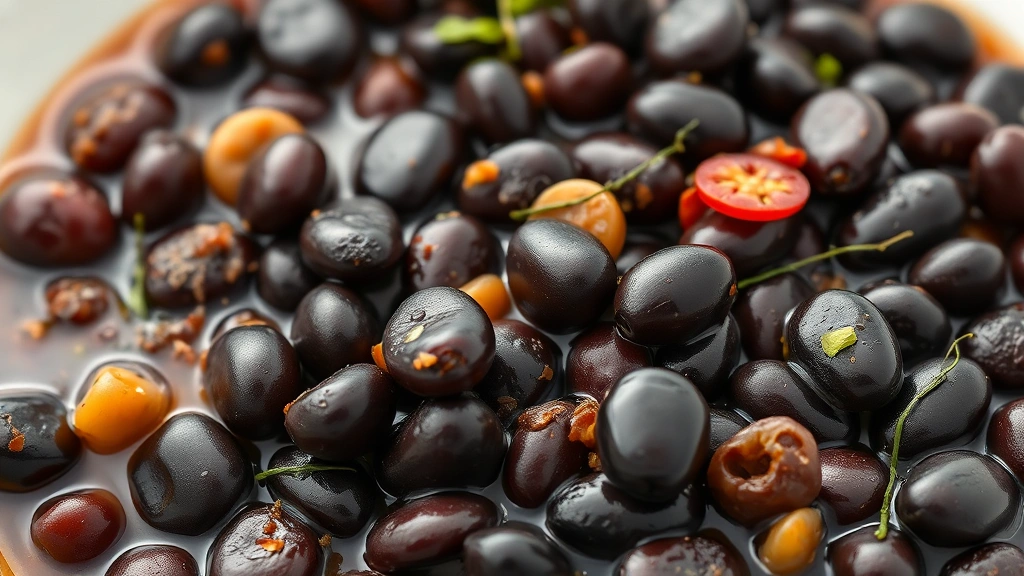
For a deeper bean flavor, try making this with dried beans. Soak them overnight, then simmer for about 90 minutes until tender. The texture is better and the flavor is more complex, but you’re adding 2+ hours to your timeline.
Storage & Make-Ahead
This dish keeps beautifully in the refrigerator for 4-5 days. Store the beans and rice separately if you can—it prevents the rice from absorbing too much liquid and getting mushy. Reheat gently on the stovetop with a splash of water or broth.
You can also freeze the beans for up to 3 months. Rice doesn’t freeze as well, so make that fresh when you’re ready to eat. Thaw the beans overnight in the fridge and reheat before serving.
For meal prep, this is a winner. Make a double batch on Sunday and you’ve got lunch sorted for most of the week.
Frequently Asked Questions
Can I use brown rice instead of white rice?
Absolutely. Brown rice takes about 45 minutes instead of 15, and you’ll need to adjust your water ratio slightly (use 2.5 cups water per 1 cup brown rice). The flavor is nuttier and the texture is chewier—many people prefer it.
What if I only have dried beans?
Soak them overnight in plenty of cold water. Drain, then simmer in fresh water for 90 minutes to 2 hours until they’re tender. This adds significant time to your recipe, but the flavor payoff is real. You can also use a pressure cooker to get dried beans done in about 30 minutes.
Is this recipe vegetarian?
Yes, as written. If you use vegetable broth instead of chicken broth, it’s completely plant-based. You can also add a splash of soy sauce or miso paste for umami depth without using meat.
Can I make this in a rice cooker?
The rice part, yes. Cook your rice in the rice cooker using the standard water ratio while you make the beans on the stovetop. The beans need more hands-on attention anyway.
How do I make this spicier?
Add more cayenne, use fresh jalapeños, or finish with hot sauce. Start with small additions—cayenne gets hot fast. You can always add more heat, but you can’t take it back.
What’s the best way to reheat leftovers?
Stovetop is best. Put the beans in a pot over medium-low heat with a splash of water or broth. Stir occasionally until heated through (about 5 minutes). You can microwave it, but you’ll lose some texture quality. Never use high heat—you’ll scorch the bottom.
Conclusion: This black beans and rice recipe is a no-nonsense approach to real food that actually tastes good. It’s fast enough for a weeknight, flexible enough for experimentation, and solid enough to feed people without apology. Once you’ve made it a couple times, you won’t need to look at the recipe anymore. You’ll just know how it goes. That’s when cooking stops being work and starts being second nature.


