
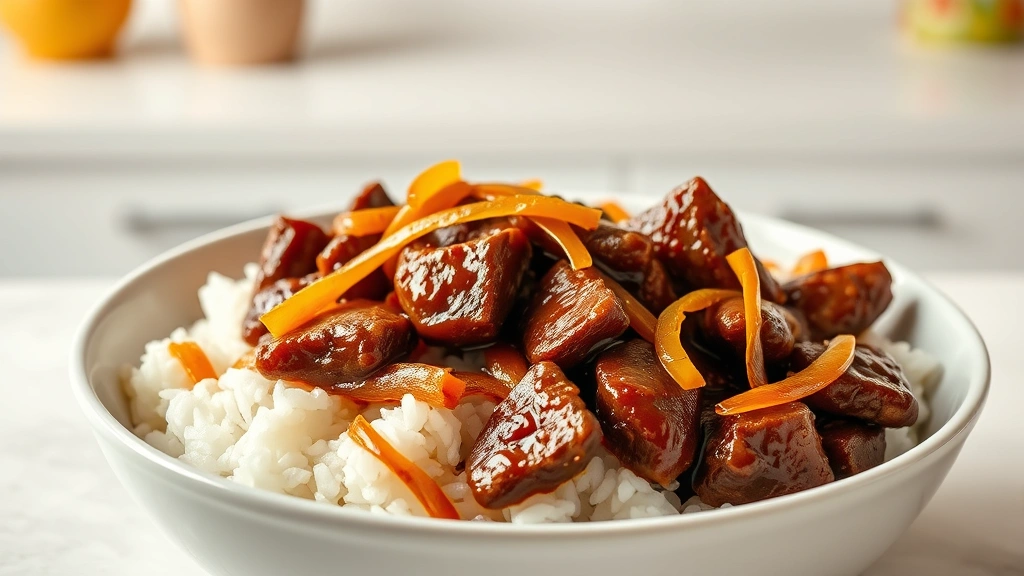
A bistek recipe is your ticket to authentic Filipino comfort food that tastes like it simmered for hours but comes together in just 30 minutes. This isn’t your typical steakhouse fare—bistek is a humble, flavorful dish of thinly sliced beef braised in a savory soy-citrus sauce with caramelized onions that’ll have your family asking for seconds before the first plate hits the table.
Table of Contents
What Is Bistek Exactly?
Bistek is a Filipino beef steak dish that borrows its name from the English word “beefsteak” but goes its own direction entirely. Instead of thick-cut steaks seared rare, bistek uses thin slices of beef—usually sirloin or round steak—that get braised low and slow in a tangy, savory sauce built on soy sauce, calamansi (or lime), and tons of caramelized onions. The result is tender, fall-apart meat that tastes nothing like what you’d get at a steakhouse, and that’s exactly the point.
This dish is comfort food at its core. It’s the kind of meal Filipinos grew up eating, the kind you make when you want something hearty but don’t want to spend all day in the kitchen. The beauty of bistek is that it doesn’t demand expensive cuts of meat or fancy techniques—just good timing and patience while the flavors meld together.
Essential Ingredients You Need
Here’s what goes into a solid bistek recipe: you’ll need 2 pounds of beef sirloin or round steak, sliced thin (about ¼-inch thick). That’s your star. Then grab 6-8 medium onions—seriously, don’t skimp here because caramelized onions are half the dish’s character. You’ll need ½ cup soy sauce, ¼ cup calamansi juice (or fresh lime juice if you can’t find calamansi), 4 cloves of minced garlic, 2 tablespoons of cooking oil, 1 teaspoon of black pepper, and 1 cup of beef broth or water.
Some cooks add a splash of brown sugar to balance the salty-sour profile, and that’s not a bad call. A pinch of salt rounds things out, though the soy sauce carries most of the sodium load. The ingredient list is short on purpose—bistek isn’t about complexity, it’s about letting each component shine through.
Prep Work Matters Most
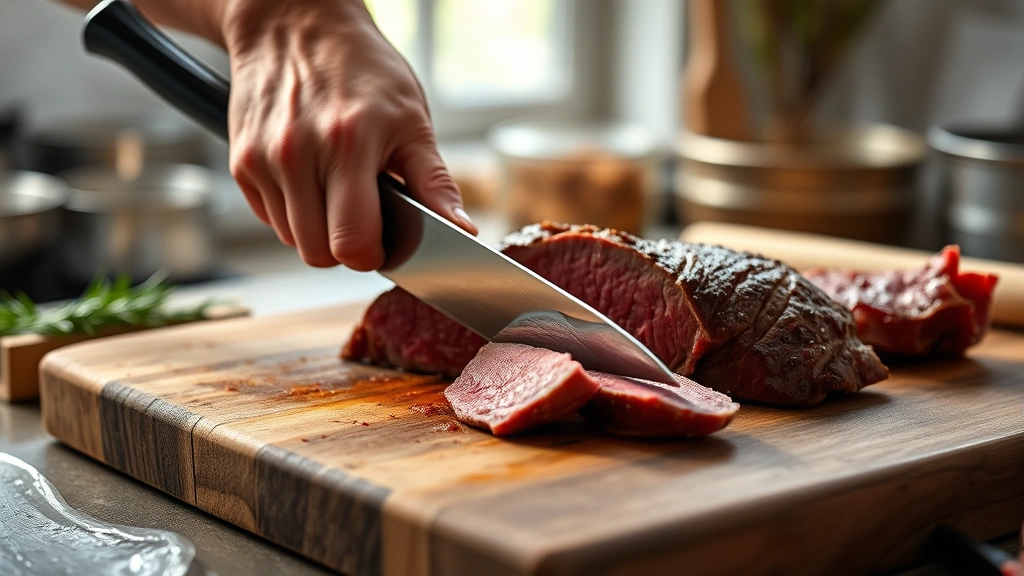
This is where most home cooks either nail it or fumble. Slice your beef thin—and I mean thin. If your butcher counter can do it, ask them to slice the sirloin for you on their meat slicer. If you’re doing it yourself, pop the beef in the freezer for 30-45 minutes first to firm it up, then use a sharp knife and slice against the grain. Thin slices cook faster and absorb the sauce better, which is the whole point.
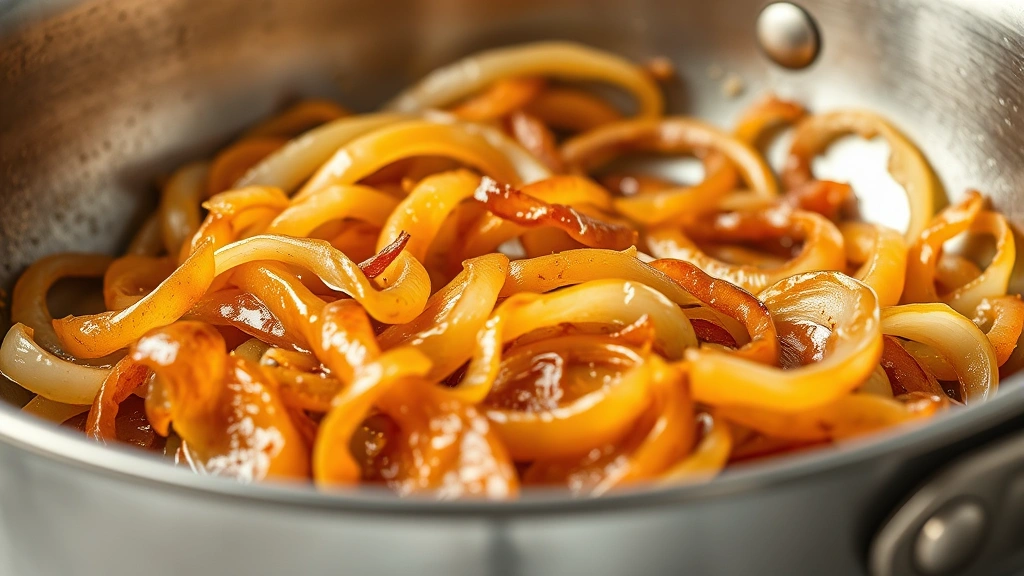
Now tackle those onions. Slice them into half-moons, about ¼-inch thick. Don’t rush this step. Caramelizing onions takes time—about 15-20 minutes of patient cooking—and that’s where the dish’s sweetness and depth come from. Mince your garlic fine and have your soy sauce and citrus juice measured out before you hit the heat. Having everything prepped means you can focus on the actual cooking without scrambling.
Cooking the Beef Right
Heat 2 tablespoons of oil in a large skillet or wok over medium-high heat. Once it shimmers, work in batches—don’t crowd the pan. Brown the beef slices for about 1-2 minutes per side. You’re not cooking it through; you’re just getting color on the surface. This takes maybe 8-10 minutes total depending on your batch size. Set the browned beef aside on a plate.
In the same skillet (don’t wash it—those browned bits are flavor gold), reduce heat to medium and add your sliced onions. This is the long game. Stir them occasionally, letting them soften and turn golden brown. This takes 15-20 minutes, and yes, it’s worth every minute. You’ll see them transform from raw and sharp to sweet and caramelized. This is what separates a decent bistek from an unforgettable one.
The Sauce Magic Happens
Once your onions hit that golden-brown sweet spot, add your minced garlic and cook for 30 seconds until fragrant. Then pour in your soy sauce, citrus juice, and beef broth. Stir everything together, scraping up those browned bits from the bottom of the pan. That’s concentrated flavor right there. Add the black pepper and a pinch of salt if needed.
Return the beef to the skillet, nestling it into the sauce and onions. If you want to pair this with something like arroz con pollo recipes, now’s the time to think about your sides. The sauce should cover most of the meat. If it doesn’t, add a bit more broth. Bring everything to a gentle simmer, reduce heat to medium-low, and let it cook for 8-10 minutes. The sauce will reduce slightly, becoming more concentrated and glossy.
Timing Is Everything
The total cooking time for a bistek recipe is genuinely about 30 minutes, but that’s only if you’ve got your prep dialed in beforehand. The beef itself only needs 10 minutes total (5 minutes browning, 5 minutes finishing in sauce). The onions are the time commitment, and they’re worth every second. Don’t try to rush the onion caramelization by cranking the heat—you’ll end up with burnt onions and a bitter sauce instead of sweet, jammy ones.
If you’re short on time, slice thinner onions and they’ll cook faster. If you want deeper flavor, let the whole thing simmer for another 5-10 minutes after the beef goes back in. The beef won’t overcook because it’s thin and braising in liquid, not dry-cooking. Just keep the heat low and gentle.
Serving Suggestions That Work
Bistek is traditionally served over steamed white rice—jasmine or regular long-grain both work great. The rice soaks up all that savory, tangy sauce like a sponge. Some families serve it with a side of simple pickled vegetables or a fresh green salad to cut through the richness. If you’re thinking about expanding your Filipino dinner spread, check out auju recipe options to round out the meal.
Plate it by spooning the beef and onions over the rice, then drizzle that gorgeous sauce over everything. A squeeze of fresh lime or calamansi right before eating brightens it up even more. Some cooks garnish with fresh parsley or cilantro, though that’s not traditional—it’s just a nice touch if you’ve got it on hand.
Storage and Leftovers
Bistek actually gets better the next day as the flavors continue to meld. Store it in an airtight container in the fridge for up to 3 days. Reheat gently on the stovetop over medium-low heat, adding a splash of water if the sauce has thickened too much. You can also freeze bistek for up to 3 months—just thaw it overnight in the fridge before reheating.
Leftover bistek makes excellent lunch. Reheat it, serve it over rice, and you’ve got a restaurant-quality meal in minutes. Some cooks even chop up leftover bistek and use it as a filling for sandwiches or lumpia (Filipino spring rolls), though that’s getting creative beyond the traditional route.
Frequently Asked Questions
What cut of beef works best for bistek?
Sirloin tip, round steak, or flank steak all work great. You want a leaner cut that you can slice thin. Avoid tenderloin or ribeye—they’re too expensive for a dish that doesn’t demand premium cuts, and thinner slices work better anyway.
Can I use calamansi juice or does it have to be lime?
Calamansi is traditional and gives a brighter, slightly different flavor than lime. If you can find bottled calamansi juice at an Asian market, grab it. Lime juice works fine as a substitute and is easier to find, though the flavor will be slightly different—a bit more mellow and less sharp.
How thin should I slice the beef?
Aim for about ¼-inch thick slices. Thinner than that and the beef can get tough; thicker and it won’t cook through quickly enough or absorb the sauce properly. If you’re unsure, ask your butcher to slice it for you on their meat slicer.
Can I make bistek in a slow cooker?
You can, but it changes the dish. Brown the beef and caramelize the onions on the stovetop first (this step is crucial), then transfer everything to a slow cooker on low for 4-6 hours. The long, slow cooking will make the beef very tender but the sauce will be more diluted. Stick with the stovetop method if you want authentic results.
What if my sauce is too salty?
Add a splash of water or beef broth to dilute it. You can also add a teaspoon of brown sugar to balance the saltiness with sweetness. Taste as you go and adjust—soy sauce varies in saltiness between brands, so your seasoning needs might differ.
Is bistek supposed to be saucy or dry?
Bistek should have a good amount of sauce—not soupy, but definitely glossy and coating the beef and onions. The sauce is part of the dish’s appeal. If yours is too dry, add more broth and let it simmer a bit longer. If it’s too thin, simmer it uncovered for another 5-10 minutes to reduce and concentrate.
Can I double this recipe?
Absolutely. Double everything and cook in two batches or in a larger skillet. The timing stays roughly the same—you might need an extra 5 minutes for the onions to caramelize if you’re cooking a bigger volume, but that’s it.
What sides pair well with bistek?
White rice is the traditional pairing. If you want to get fancy, try it alongside smoked meats like how long it takes to smoke a pork butt for a Filipino-American fusion dinner. A simple green salad, pickled vegetables, or steamed bok choy all work great to balance the richness.
The Bottom Line
A solid bistek recipe isn’t complicated—it’s just about respecting the process. Slice your beef thin, take time with the onions, build your sauce with soy and citrus, and let everything come together in a gentle simmer. Thirty minutes from start to finish, and you’ve got a dish that tastes like it took all afternoon. That’s the magic of Filipino cooking: simple ingredients, smart technique, and food that feeds both your stomach and your soul.
Start with this basic recipe, make it a few times, and then start playing with it. Some families add a touch of pineapple juice, others throw in a bay leaf or two. The foundation is solid—what you build on top is up to you. Get that beef sliced, start caramelizing those onions, and get ready for a meal that’ll become a weeknight regular in your kitchen.


