
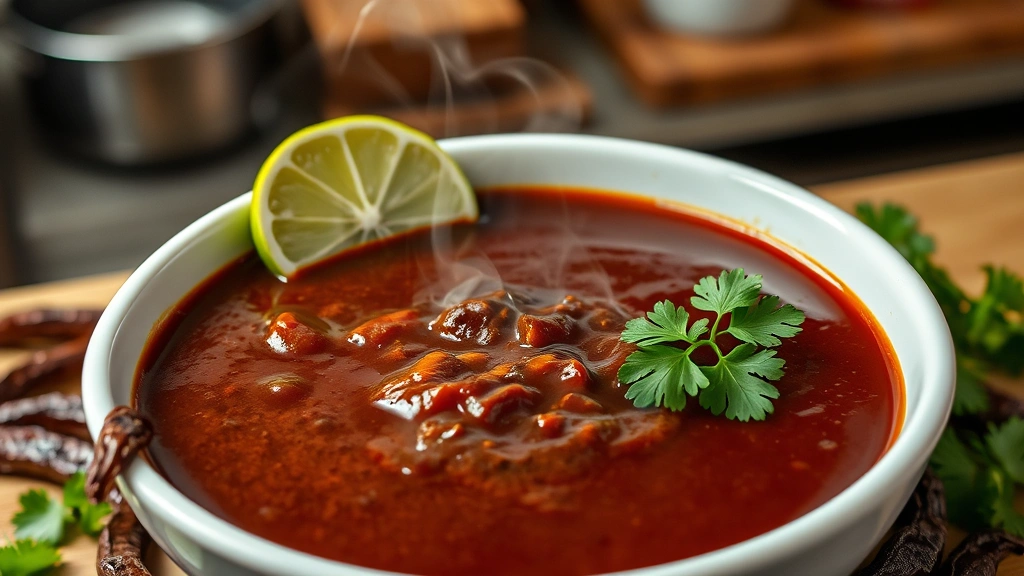
A birria sauce recipe is your ticket to creating restaurant-quality Mexican comfort food at home, and I’m going to walk you through every step like we’re standing in the kitchen together. This isn’t some fancy culinary mystery—it’s a straightforward, deeply flavorful sauce that transforms humble ingredients into something truly special.
Table of Contents
What Is Birria Sauce?
Birria sauce is a rich, complex Mexican stew sauce that originated in Jalisco. Think of it as a concentrated flavor bomb—deep, savory, with layers of chile heat and spice that build as you taste it. The sauce traditionally comes from slow-cooking meat with dried chiles, vinegar, and spices until everything melds into something almost silky.
What makes birria special is that it’s not just a sauce you pour on food—it’s the star of the show. Whether you’re dipping crispy tortillas into it or soaking meat in it for tacos, this sauce carries the whole meal. The beauty is in the balance: heat from chiles, tang from vinegar, warmth from cumin and cinnamon, and richness from the broth.
Essential Ingredients Breakdown
Let me break down what actually goes into a solid birria sauce recipe, because understanding your ingredients is half the battle.
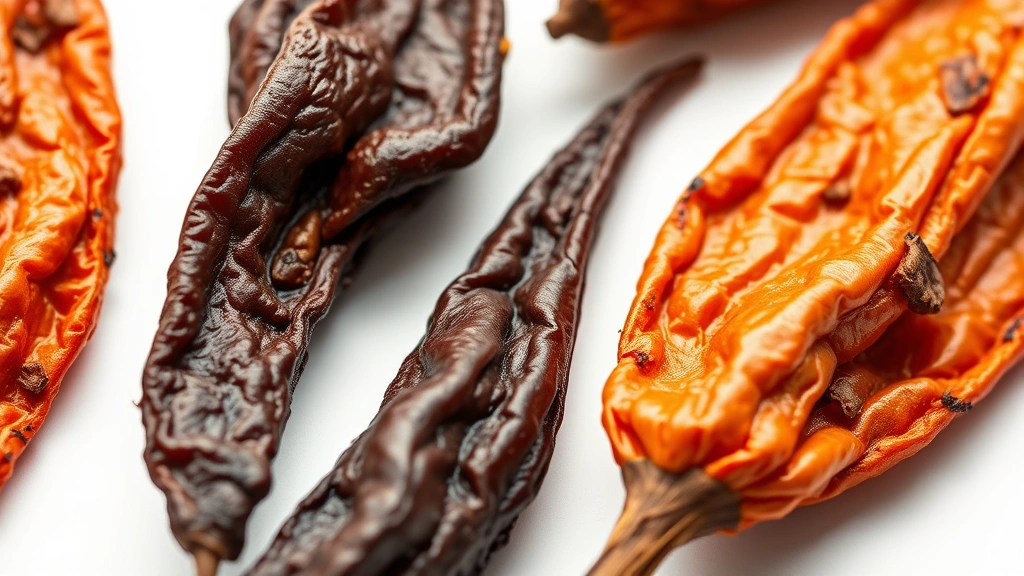
Dried Chiles: You’ll need a mix—typically guajillo chiles (mild, fruity), ancho chiles (sweet, deep), and a few chile de árbol (spicy kick). Don’t skip this step. Fresh chiles won’t give you the concentrated flavor you need. Aim for about 8-10 dried chiles total, depending on your heat tolerance.
Vinegar: White vinegar or apple cider vinegar adds brightness and cuts through the richness. You’ll use roughly ¼ cup, and it’s non-negotiable for authentic flavor.
Spices: Cumin (2 teaspoons), cinnamon (1 stick or ½ teaspoon ground), cloves (3-4), bay leaves (2-3), and oregano (1 teaspoon). These aren’t random—they’re the backbone of the flavor profile.
Garlic and Onion: About 6 garlic cloves and half a large onion. These get blended into the sauce, so they dissolve completely.
Broth: Beef broth works best (4-6 cups), though chicken broth is acceptable. This is where your sauce gets its body.
Salt and pepper: Start with 1 teaspoon of salt and adjust as you go. You can always add more, but you can’t take it out.
Choosing Your Chiles Right
This is where most home cooks stumble. You need to source quality dried chiles, and honestly, your local Mexican market will have better options than the grocery store. Look for chiles that are pliable, not brittle—that means they’re fresher.
Here’s my approach: I use 4 guajillo chiles (they’re mild and provide the base flavor), 3 ancho chiles (sweet and earthy), and 2 chile de árbol (for heat). Remove the stems and most of the seeds before toasting—you want some seeds for depth, but too many will make it unbearably hot.
Toast your chiles lightly in a dry skillet for about 30 seconds per side. You’ll smell the difference immediately—it’s toasted, aromatic, not burnt. This step concentrates the flavors significantly.
Step-by-Step Cooking Method
Step 1: Toast and Soak Toast your prepared chiles in a dry skillet over medium heat for 30 seconds per side. Transfer to a bowl and cover with hot water. Let them soak for 10-15 minutes until they’re soft enough to blend easily.
Step 2: Prepare Your Base While chiles soak, heat 2 tablespoons of oil in a large pot over medium heat. Add your halved onion and let it get some color—about 5 minutes. Add garlic cloves and cook for another minute until fragrant.
Step 3: Toast the Spices Add your cumin, cinnamon stick, cloves, and oregano to the pot. Toast for about 30 seconds—this releases the essential oils and prevents that raw spice taste. You’ll know it’s right when you smell it clearly.
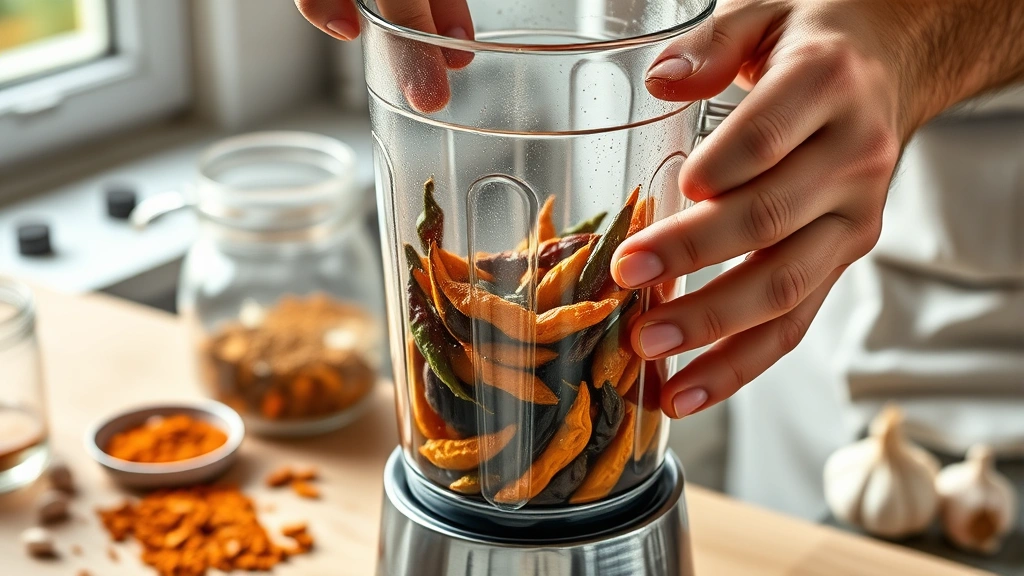
Step 4: Blend the Chiles Drain your soaked chiles (save the soaking water) and add them to a blender with the garlic, onion, spices, and about 1 cup of that soaking water. Blend until completely smooth—this takes a good 2-3 minutes. You want zero chile chunks.
Step 5: Strain for Smoothness Pour the chile mixture through a fine-mesh strainer into your pot, pressing with the back of a spoon to get all the liquid through. This step removes any remaining chile skin particles and gives you that silky texture.
Step 6: Simmer and Season Add your beef broth and vinegar. Bring to a simmer and let it cook for 20-30 minutes. This allows all the flavors to marry. Taste as you go and adjust salt, vinegar, or spices. The sauce should taste bold and complex—not shy.
Customizing Flavors Your Way
Here’s where you make this recipe yours. If you want more heat, add extra chile de árbol or a pinch of cayenne. If it’s too spicy, add more broth and a touch of honey to balance.
Like things sweeter? A tablespoon of brown sugar or piloncillo rounds out the flavors beautifully. Too acidic? Add a bit more broth. Too bland? Add more salt gradually—it’s the easiest way to amplify everything else.
Some cooks add a splash of beer (usually a Mexican lager) or tomato paste for depth. I’ve done both, and they work, but they’re not traditional. Stick with the classic approach first, then experiment once you understand the base.
Storage and Make-Ahead Tips
This is one of those sauces that actually gets better after a day or two in the fridge. The flavors continue to develop and mellow slightly. Store it in an airtight container for up to 5 days, or freeze it for up to 3 months.
For freezing, I use ice cube trays first—freeze the sauce in cubes, then transfer to a freezer bag. This way you can thaw exactly the amount you need without defrosting the whole batch.
The sauce will thicken as it cools. When you reheat it, add a splash of broth to get it back to the right consistency. It should coat a spoon but still flow easily.
Best Serving Suggestions
Birria sauce shines with crispy tortillas—corn tortillas fried until they’re golden and slightly charred work best. Dip them directly into the warm sauce. You can also use this sauce for birria tacos by shredding slow-cooked beef, warming it in the sauce, and serving it on those crispy tortillas with onion and cilantro.
Some folks use it as a braising liquid for beef chuck roast or short ribs. Cook the meat low and slow in the sauce for 3-4 hours, and you’ve got incredibly tender, flavorful meat that falls apart. Pair this with baby red potato recipes for a complete meal.
You can also serve it as a soup—just add extra broth and serve in bowls with shredded meat, lime, onion, and cilantro. It’s comfort food at its finest. For something different, try dipping almond flour tortillas for a low-carb twist.
Troubleshooting Common Issues
Too Thin: Simmer uncovered for another 15-20 minutes to reduce and concentrate. Or make a slurry with cornstarch and water and stir it in gradually.
Too Thick: Add broth a splash at a time until you reach the right consistency. It should coat the back of a spoon without being pasty.
Grainy or Chunky: This means your chiles weren’t blended completely or strained properly. Run it through the strainer again, pressing harder.
Tastes Flat: Add salt gradually—even ¼ teaspoon can wake up the whole sauce. If it’s still flat, add a touch more vinegar or a pinch of cumin.
Too Spicy: Add broth and a touch of honey or sugar to balance. You can’t remove heat, but you can dilute and balance it.
Frequently Asked Questions
Can I use fresh chiles instead of dried?
You can, but you won’t get the same concentrated, complex flavor. Dried chiles have been concentrating their sugars and flavors for weeks. If you must use fresh, use about three times as many and reduce them down significantly. It’s not ideal, but it works in a pinch.
How long does birria sauce keep?
In the refrigerator, it’ll stay good for 5 days in an airtight container. Frozen, it lasts about 3 months. The flavor actually improves for the first 2-3 days as the spices continue to develop.
What’s the difference between birria and mole?
Birria is a stew sauce that’s typically used for dipping or braising meat. Mole is usually thicker, often includes chocolate, and has a different spice profile. Birria is more vinegar-forward and lighter than most moles.
Can I make this vegetarian?
Absolutely. Use vegetable broth instead of beef broth and add extra depth with mushroom powder or miso paste. The sauce will be slightly different, but still delicious. You could serve it with roasted vegetables or use it as a dipping sauce for air fryer vegetable recipes.
Do I need a strainer for smooth sauce?
Technically no, but you’ll get a grainier texture without it. If you don’t have a fine-mesh strainer, cheesecloth works. The smoother sauce is worth the extra step.
What meat works best in birria?
Chuck roast, short ribs, or beef shank are traditional. They have enough fat and connective tissue to become incredibly tender after hours in the sauce. Chicken works too, though it’s less traditional—similar to how air fryer tilapia recipe offers a lighter protein option.
Can I adjust the spice level?
Completely. Use fewer chile de árbol for less heat, or add more for serious kick. You can also add a pinch of cayenne or fresh jalapeño. Start conservative and build up—you can always add heat, but you can’t take it away.
Final Thoughts
Making a birria sauce recipe from scratch isn’t complicated, but it does require patience and attention. The magic happens when you toast your spices, properly blend your chiles, and let everything simmer together. This isn’t a 15-minute sauce—it’s a 45-minute commitment that pays dividends.
Start with the classic recipe I’ve outlined, taste as you go, and adjust to your preferences. After the first time, you’ll understand the sauce’s personality and can tweak it confidently. Whether you’re dipping crispy tortillas, braising meat, or serving it as a soup base, this sauce will become a regular in your kitchen. It’s the kind of recipe that gets better every time you make it.


