
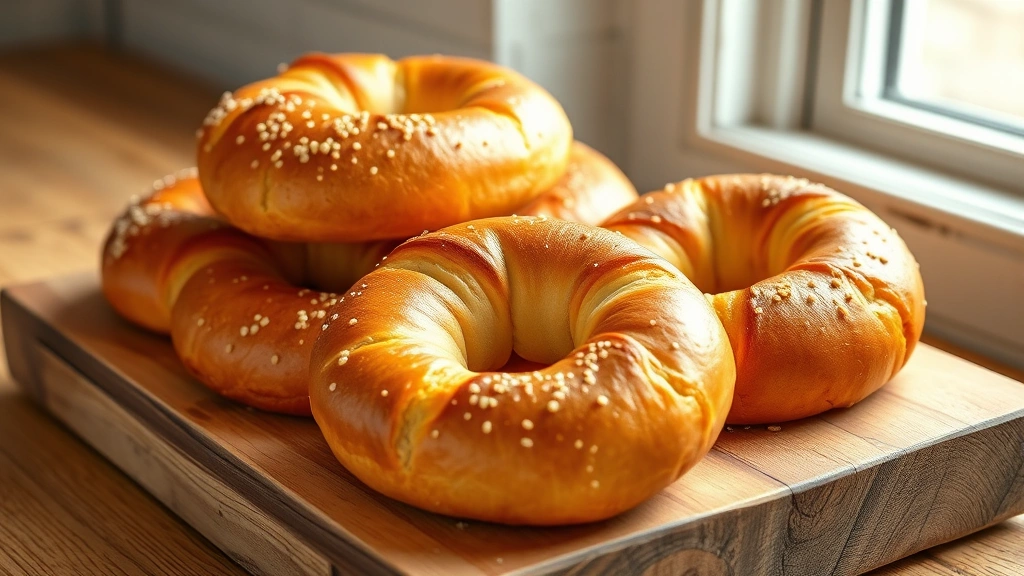
A bierocks recipe is your ticket to making authentic German-style stuffed bread that’ll have your family asking for seconds. These handheld pockets of savory goodness—also called runzas—combine soft, pillowy dough with a hearty meat and cabbage filling that’s been feeding families for generations. Whether you’re a seasoned baker or someone who’s intimidated by yeast dough, this guide walks you through every step to create restaurant-quality bierocks right in your own kitchen.
Table of Contents
Building Your Dough Foundation
The foundation of any solid bierocks recipe starts with understanding your dough. You’re looking for a soft, slightly enriched bread dough that’s forgiving enough for beginners but sophisticated enough for experienced bakers. The key is balancing hydration—too dry and your bierocks become dense; too wet and they’re impossible to handle.
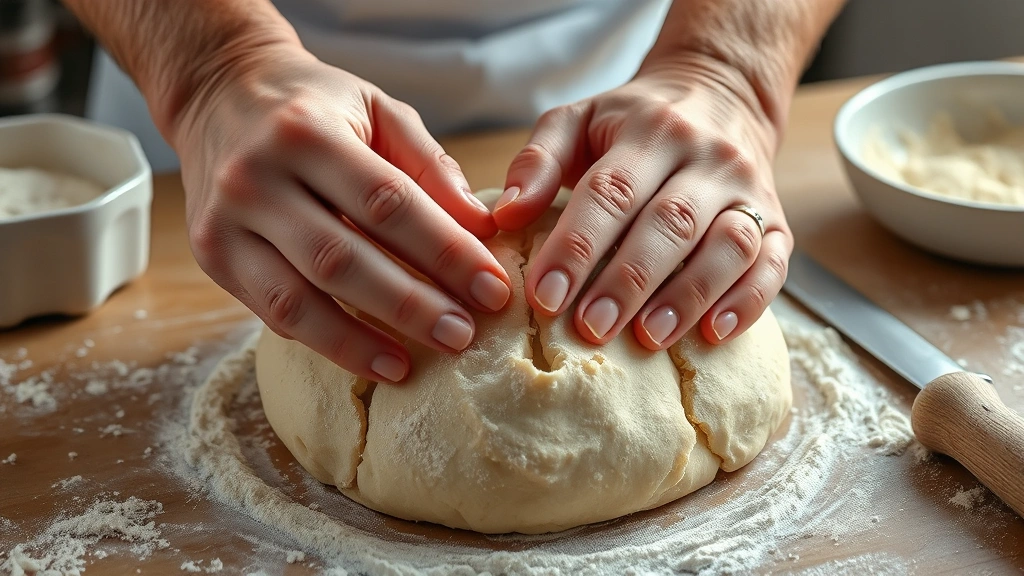
Start with warm water (around 110°F) and dissolve your yeast with a pinch of sugar. Let it sit for five minutes until it’s foamy and active. This bloom proves your yeast is alive and ready to work. In a large bowl, combine your flour, salt, and a tablespoon of sugar. Add the yeast mixture along with an egg and a couple tablespoons of softened butter. Mix until shaggy, then knead for eight to ten minutes until smooth and elastic. The dough should be tacky but not sticky—you should be able to handle it without it sticking to your hands constantly.
Let your dough rise in a greased bowl covered with a damp towel for about 90 minutes until doubled. This first rise develops flavor and builds strength in the gluten network, which you’ll need for shaping and holding your filling.
Preparing the Savory Filling
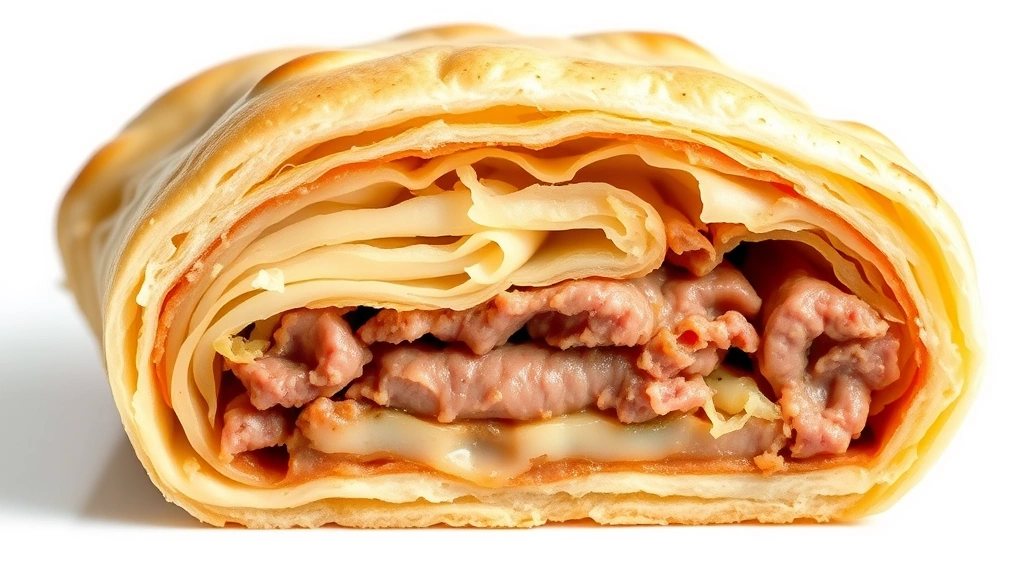
The filling is where bierocks really shine. Traditional recipes use ground beef or a combination of beef and pork, but the real magic happens when you add cabbage. Finely shred about a pound of green cabbage—a food processor makes this task painless. Brown a pound of ground meat in a large skillet over medium-high heat, breaking it into small pieces as it cooks. This usually takes five to seven minutes.
Once your meat is cooked through, add your shredded cabbage along with diced onion (about half a large onion). Season generously with salt, pepper, and a teaspoon of caraway seeds if you want authentic flavor. Some recipes add a dash of garlic powder or paprika. Cook this mixture for about ten minutes, stirring occasionally, until the cabbage softens and releases its moisture. You want the mixture to be fairly dry—if there’s excess liquid pooling in the pan, cook it down further. Wet filling will make your dough soggy and ruin your bierocks.
Taste and adjust seasoning before you let the filling cool completely. This is crucial because you can’t seal dough around hot filling without it tearing or cooking unevenly.
Assembly Technique Matters
Once your dough has risen and your filling is cool, it’s time to shape. Divide your dough into eight to twelve equal pieces—the size depends on how large you want your bierocks. Roll each piece into a ball, then use a rolling pin to flatten it into a thin oval about 6 inches long and 4 inches wide.
Place about three tablespoons of filling slightly off-center on your dough oval. Fold the dough in half over the filling, then seal the edges firmly by pressing with your fingers or using a fork to crimp. This isn’t just for looks—a tight seal prevents filling from leaking during baking and keeps your bierocks intact when you bite into them.
Place each sealed bierock seam-side down on a parchment-lined baking sheet. Space them about two inches apart because they’ll expand during proofing and baking. If you’re making a larger batch, you can freeze them at this point for up to three months. Just bake from frozen, adding five to ten minutes to your baking time.
Proofing and Rising
After shaping, your bierocks need a second rise. Cover them loosely with plastic wrap or a damp towel and let them proof at room temperature for about 45 minutes to an hour. They should puff up noticeably but not double completely—you want them pillowy but still structured enough to hold their shape in the oven.
While they’re proofing, preheat your oven to 375°F. This temperature is the sweet spot for bierocks—hot enough to create a golden crust and cook the filling through, but not so hot that the outside burns before the inside cooks.
Just before baking, brush each bierock with an egg wash (one beaten egg mixed with a tablespoon of water). This creates that beautiful golden-brown color and gives them a professional bakery appearance. Some people sprinkle coarse salt on top for extra flavor and texture, which is completely optional but recommended.
Baking to Golden Perfection
Bake your bierocks for 20 to 25 minutes until they’re deep golden brown on top and the bottoms are also golden when you lift one to check. The internal temperature should reach 165°F if you have a meat thermometer. If your bierocks are browning too quickly but still seem underdone inside, tent them loosely with foil and reduce your oven temperature to 350°F for the remaining time.
Remove them from the oven and let them cool on the baking sheet for five minutes before transferring to a wire rack. This cooling period allows the crust to set properly. Serve them warm with mustard, ketchup, or a simple sour cream dip. They’re substantial enough to be a complete meal on their own, but you could pair them with steamed broccoli in the microwave or steamed asparagus for a more balanced plate.
Storage and Make-Ahead Tips
One of the best things about bierocks is their versatility with timing. Baked bierocks keep in an airtight container in the refrigerator for up to four days. Reheat them gently in a 325°F oven for about ten minutes until warmed through. They also freeze beautifully for up to three months—wrap them individually in plastic wrap, then place them in a freezer bag.
If you want to freeze them unbaked, shape them completely, place them on a baking sheet in the freezer until solid, then transfer to freezer bags. Bake directly from frozen, adding about ten minutes to your baking time. This makes them perfect for meal prep—you can have fresh bierocks ready whenever you want them without starting from scratch.
You can also prepare your filling a day ahead and store it in the refrigerator. Just make sure it’s completely cool before you assemble your bierocks, and use it within two days for best quality.
Variations and Creative Twists
While the classic bierocks recipe is hard to beat, there’s plenty of room for creativity. Some German families add sauerkraut to their filling for extra tang and authenticity. Others include diced potatoes or even cheese. If you want something similar but different, check out our bear claw recipe, which uses a similar pastry-based approach with different fillings.
For a lighter version, you can use ground turkey or chicken instead of beef, though the flavor won’t be quite as rich. Add extra vegetables like diced bell peppers or mushrooms to bulk up your filling without adding more meat. Some people make mini bierocks using golf-ball-sized dough portions—these work great for appetizers or lunch boxes.
You can also experiment with different seasonings. A pinch of dill, some smoked paprika, or even a touch of hot sauce can transform the flavor profile while keeping the traditional structure intact. The beauty of homemade cooking is you get to decide what tastes right to you.
Troubleshooting Common Issues
If your bierocks are coming out dense and heavy, your dough likely didn’t rise enough or your yeast wasn’t active. Always check that your yeast foams when you bloom it—if it doesn’t, it’s dead and won’t work. Also make sure your rising environment is warm enough. If your kitchen is cold, try rising your dough in an oven with just the light on, or in a proofing box if you have one.
Leaking filling during baking usually means one of two things: either your filling was too wet, or your seals weren’t tight enough. Make sure you cook your cabbage mixture until it’s fairly dry, and press those seams firmly when sealing. Some people like to use a fork to crimp all the way around the edges for extra security.
If your crust is too thick or tough, you might be using too much flour or kneading too hard. Use the minimum flour needed to handle your dough, and stop kneading once it’s smooth and elastic—you don’t need to knead it for 15 minutes. If your bierocks are browning too fast, your oven might run hot. Consider using an oven thermometer to verify your actual temperature.
Frequently Asked Questions
What’s the difference between bierocks and runzas?
Bierocks and runzas are essentially the same thing—the word “runza” comes from the German word “bierock.” They’re both stuffed bread pockets with meat and cabbage filling. The terms are used interchangeably, though regional variations exist in different parts of the country.
Can I use store-bought dough for this bierocks recipe?
Technically yes, but homemade dough really does make a difference in texture and flavor. That said, if you’re short on time, thawed frozen bread dough works reasonably well. Just skip the rising steps and proceed directly to filling and shaping, then give them a 30-minute proof before baking.
How do I know when my bierocks are fully cooked?
The outside should be deep golden brown, and the internal temperature should reach 165°F. You can also cut one open to check that the meat is fully cooked through and the dough isn’t doughy in the center. The bottom should be golden and firm, not pale or soft.
What should I serve with bierocks?
Bierocks are hearty enough to be a complete meal on their own, but they pair well with simple sides. A tangy mustard or ketchup is traditional. You could also serve them with steamed broccoli or a simple green salad to balance the richness of the filling.
Can I make bierocks ahead of time?
Absolutely. You can prepare them completely and freeze them either baked or unbaked. Baked bierocks keep in the refrigerator for four days and freeze for three months. Unbaked bierocks can go straight from freezer to oven, just add about ten minutes to your baking time.
Why is my filling soggy?
Cabbage releases moisture as it cooks. Make sure you’re cooking your filling mixture until most of that liquid has evaporated. You want it moist but not wet. Also, let your filling cool completely before assembling—warm filling steams the dough and makes it soggy.
Final Thoughts on Homemade Bierocks
Making a bierocks recipe from scratch is more approachable than most people think, and the payoff is absolutely worth it. These German-style runzas represent comfort food at its finest—simple ingredients transformed through technique and care into something truly special. Your first batch might not be perfect, and that’s okay. Each time you make them, you’ll develop better intuition for dough consistency, filling texture, and sealing technique.
The beauty of bierocks is that they’re forgiving. Even if your seals aren’t perfect or your shaping is a bit rough, they still taste delicious. And once you master the basic technique, you can experiment with fillings and flavors to make them your own. Whether you’re cooking for your family on a weeknight or preparing a batch for the freezer, bierocks deliver homemade goodness that beats anything you can buy.
Start with quality ingredients, pay attention to the details in your process, and don’t rush the rising times. Before you know it, you’ll be making bierocks that rival anything from a German bakery. Your kitchen will smell amazing, and your family will be asking when you’re making them again.


