
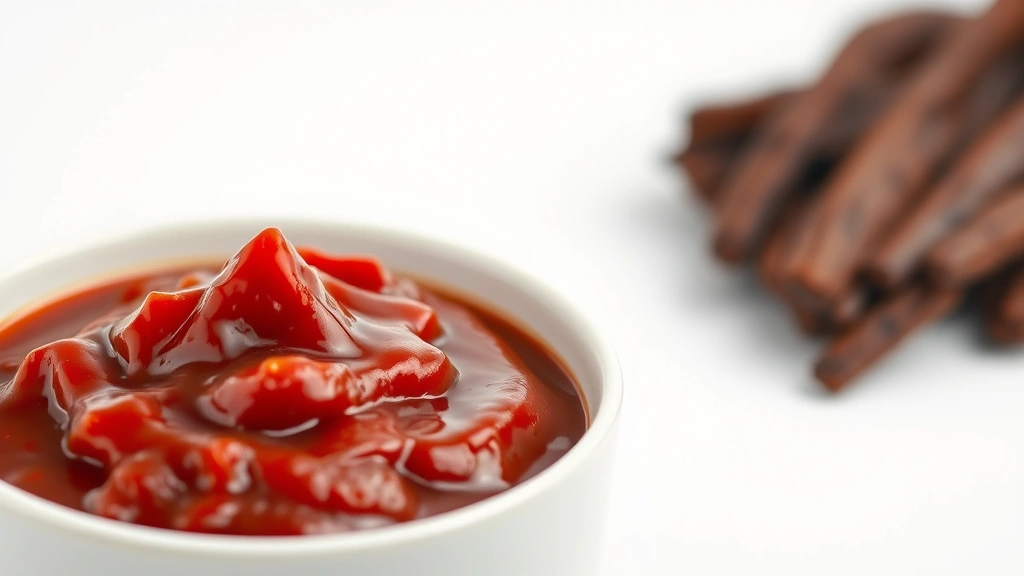
A proper bibimbap sauce recipe is the soul of this iconic Korean rice bowl, and honestly, you can nail it in about five minutes flat with just a handful of ingredients. I’ve made this sauce hundreds of times in my kitchen, and the magic isn’t some secret technique—it’s understanding what each ingredient does and how they balance together.
Table of Contents
What Is Bibimbap Sauce?
Bibimbap sauce is a spicy-sweet-savory condiment that ties together all the components of a bibimbap bowl. The name literally means “mixed rice” in Korean, and the sauce is what makes everything stick together—both literally and flavor-wise. Unlike ketchup or mayo, this sauce has depth. It’s got heat from gochujang (Korean red chili paste), umami from sesame, sweetness from sugar, and savory notes from garlic and soy sauce.
What makes this sauce special is how it coats your rice and vegetables without being runny or too thick. When you mix it all together at the table (that’s the whole point of bibimbap), the sauce distributes evenly and creates this incredible harmony of flavors in every bite.
Core Ingredients You Need
Let’s talk about what goes into this thing. You don’t need a pantry full of obscure items—just six core ingredients:
- Gochujang (3 tablespoons): The foundation. This fermented chili paste brings heat and complexity.
- Sesame oil (2 tablespoons): Adds nutty richness and aroma. Don’t skip this or use regular oil.
- Rice vinegar (1 tablespoon): Cuts through the richness and brightens everything up.
- Sugar (1 tablespoon): Balances heat with gentle sweetness.
- Garlic (2 cloves, minced): Provides pungent, savory backbone.
- Water (2-3 tablespoons): Adjusts consistency so it’s spreadable, not pasty.
That’s it. Six ingredients, and you’ve got an authentic sauce that’ll make your bibimbap sing. Some people add a pinch of salt or a teaspoon of soy sauce, but honestly, gochujang already has salt built in, so taste before you add more.
Choosing the Right Gochujang
This is where most people mess up. Not all gochujang is created equal. You want gochujang, not gochugaru (chili flakes) or other substitutes. Look for a jar labeled “gochujang” at any Korean grocery store or online—brands like Maeil, CJ, or Sempio are reliable.
Check the ingredient list. Good gochujang has soybeans, chili peppers, salt, and fermented ingredients. Avoid versions loaded with corn syrup or weird additives. The color should be deep red-brown, almost mahogany-looking. If it’s bright red, it’s probably got food coloring.
Store your gochujang in the fridge after opening. It’ll last months, even years, because the salt and fermentation preserve it naturally. I’ve got jars that are two years old and still perfect.
Step-by-Step Recipe
Prep time: 5 minutes | Yield: About ½ cup (enough for 4 bowls)
Step 1: Mince Your Garlic
Get two cloves of fresh garlic and mince them fine. This takes 30 seconds with a knife. Don’t use jarred garlic—it’s got a weird metallic taste. Fresh garlic has this sharp, clean bite that balances the sauce perfectly.
Step 2: Combine Gochujang and Sesame Oil
Put 3 tablespoons of gochujang into a small bowl. Add 2 tablespoons of sesame oil. Stir these together until they’re well combined. The sesame oil will thin out the gochujang slightly and create a smoother base. This should take about 30 seconds of stirring.
Step 3: Add the Flavor Elements
Now add your minced garlic, 1 tablespoon of rice vinegar, and 1 tablespoon of sugar. Mix thoroughly. You’re looking for a consistent, slightly thick paste at this point. No lumps, no streaks of unmixed gochujang.
Step 4: Adjust Consistency
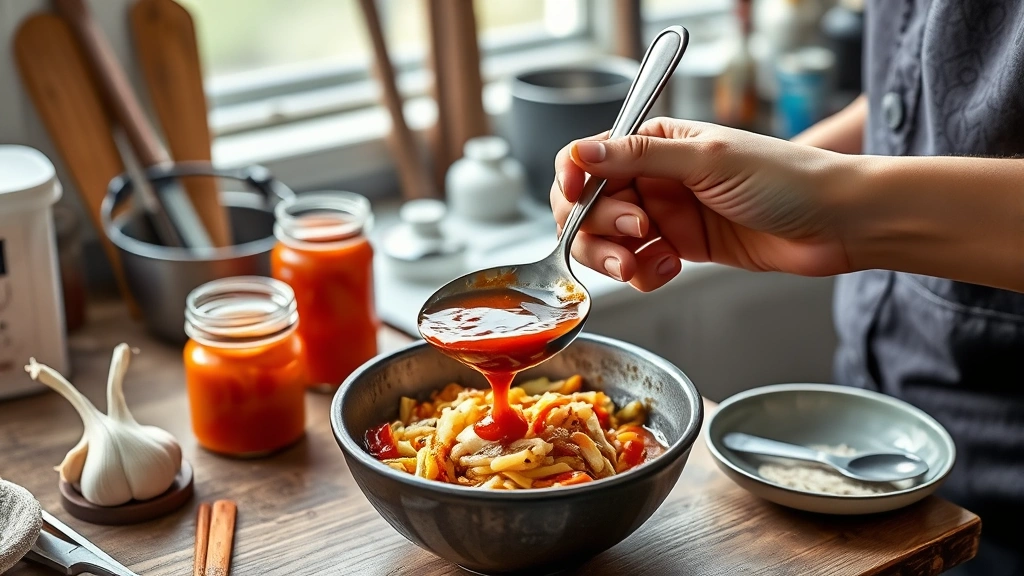
Add water, one tablespoon at a time. You want the sauce to be thick enough to coat a spoon but loose enough to spread easily. Think of the consistency of peanut butter or thick sour cream. Usually 2-3 tablespoons of water does the job, but it depends on how wet your gochujang is to begin with.
Step 5: Taste and Tweak
This is crucial. Taste it on a spoon. Is it spicy enough? Add a pinch more gochujang. Too sweet? Add a splash more vinegar. Too thick? Water. Too thin? A bit more gochujang. You’re the boss here—make it match your preferences.
The Mixing Technique Matters
Here’s something most recipes don’t tell you: how you mix this sauce actually affects the final flavor. When you’re combining gochujang and sesame oil, use a circular motion, not aggressive stirring. You want to incorporate air slightly, which helps the flavors meld rather than just getting mushed together.
When you add the wet ingredients (vinegar, water), fold them in gently first, then stir. This prevents the sauce from becoming too thin in spots. Think of it like folding egg whites into a batter—controlled and deliberate.
If you’re making this in a food processor (for larger batches), pulse it instead of running it continuously. The heat from friction can slightly cook the garlic and change the flavor profile.
Adjusting Flavors to Taste
Everyone’s palate is different. Here’s how to dial in your sauce:
Too Spicy? Add more sesame oil or sugar. Both mellow the heat without removing it. A tiny splash of soy sauce also helps.
Not Spicy Enough? Add more gochujang, a quarter teaspoon at a time. Or add a pinch of gochugaru (chili flakes) for extra heat.
Flat or Boring? You need more garlic or a splash more vinegar. Acid wakes up flavors.
Too Thick? Water is your friend. Add it slowly.
Too Thin? Let it sit in the fridge for 30 minutes—it’ll thicken as it cools. Or stir in a bit more gochujang.
Storage and Shelf Life
This sauce keeps for about two weeks in an airtight container in the fridge. The gochujang’s natural fermentation keeps it stable longer than you’d think. I usually make a batch and use it throughout the week on bibimbap, in marinades, or even mixed into mayo for sandwiches.
You can also freeze it in ice cube trays. Pop out a cube whenever you need a single serving’s worth. It thaws quickly and tastes just as good. I’ve frozen batches for up to three months without any quality loss.
Don’t leave it at room temperature for more than a few hours, especially if you’ve added fresh garlic. The garlic can ferment or develop off-flavors if left warm.
Sauce Variations and Twists
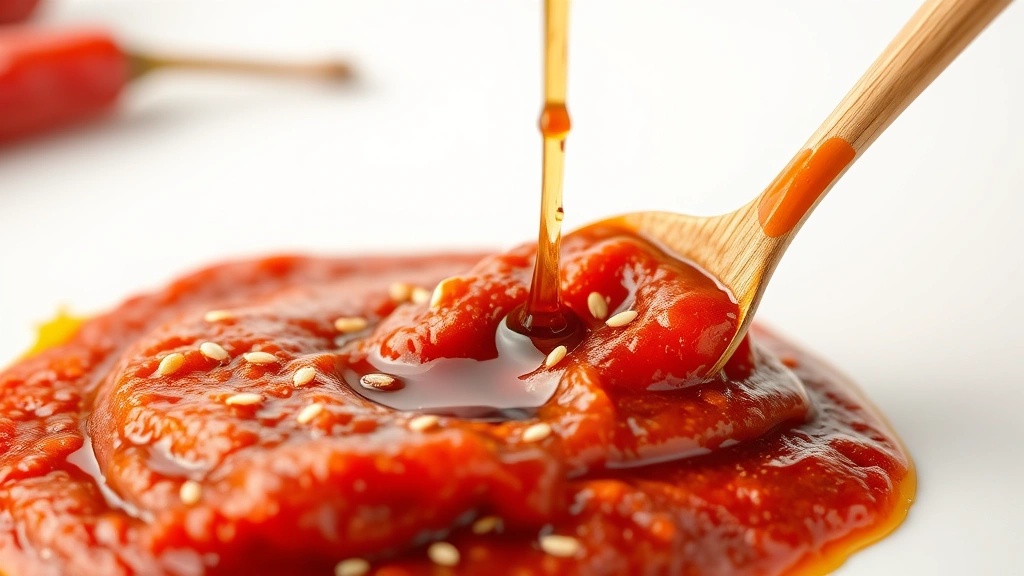
Once you’ve got the basic recipe down, you can experiment. Add a teaspoon of toasted sesame seeds for texture. Mix in a tablespoon of miso paste for extra umami depth. Some people add a tiny bit of pear juice or apple juice for sweetness instead of sugar—it’s more subtle.
If you want a spicier version, add a teaspoon of gochugaru or a minced Thai chili. For a milder sauce, reduce the gochujang to 2 tablespoons and increase sesame oil slightly.
Try adding a teaspoon of honey instead of sugar for a rounder sweetness. Or a splash of lime juice instead of rice vinegar for brightness. The foundation stays the same, but you’ve got room to play.
Serving With Your Bowl
The traditional way to serve bibimbap is to put the sauce in the center of your rice bowl, surrounded by vegetables, protein, and a fried egg. You let everyone mix it themselves at the table—that’s where the magic happens. The sauce coats everything as you stir, creating a unified dish.
If you’re making bibimbap for a crowd, you can serve the sauce on the side in a small bowl, letting people control how much they use. Some folks like it heavy; others prefer just a drizzle.
This sauce also works as a dipping sauce for Korean pancakes (pajeon), a marinade for beef, or a condiment for grilled vegetables. Don’t limit yourself to just bibimbap.
Frequently Asked Questions
Can I make this sauce without gochujang?
Technically, yes, but you won’t have authentic bibimbap sauce. You could make a spicy mayo with sriracha or sambal oelek, but it won’t taste the same. Gochujang’s fermented complexity is irreplaceable. It’s worth hunting down at a Korean market or ordering online.
Is this sauce spicy?
Yes, but it’s a manageable spicy. Gochujang has heat, but it’s not a face-melting burn. It’s more of a warm, lingering spice that builds as you eat. If you’re heat-sensitive, reduce the gochujang and increase sesame oil.
What’s the difference between this and gochujang straight from the jar?
Straight gochujang is thick and concentrated. This recipe dilutes it with sesame oil and water, making it spreadable and balanced with sweetness, acid, and aromatic garlic. It’s more refined and easier to distribute throughout your bowl.
Can I use a blender to make this?
You can, but it’s overkill for such a small batch. A bowl and spoon work fine. If you’re making a large quantity, a food processor on pulse setting works, but don’t overwork it.
How much sauce per bowl?
About a tablespoon to a tablespoon and a half per serving. You want enough to flavor the rice and vegetables, but not so much that it drowns everything. You can always add more when you’re mixing.
Does this sauce work for other Korean dishes?
Absolutely. Use it on Korean fried chicken, as a dipping sauce for dumplings, mixed into rice bowls, or as a marinade for grilled meats. It’s versatile beyond just bibimbap.
Final Thoughts
Making your own bibimbap sauce takes five minutes and costs a fraction of what you’d pay at a restaurant. The flavor is brighter, fresher, and completely customizable to your taste. Once you’ve made it a few times, you’ll do it on autopilot, and you’ll wonder why anyone would buy pre-made versions.
The key is quality ingredients—especially good gochujang and fresh garlic—and understanding that balance is everything. Too much of anything throws it off. Start with the recipe as written, taste, and adjust from there. Your palate is the final authority.
Keep a batch in your fridge, and you’ve got the foundation for incredible Korean meals all week long.


