
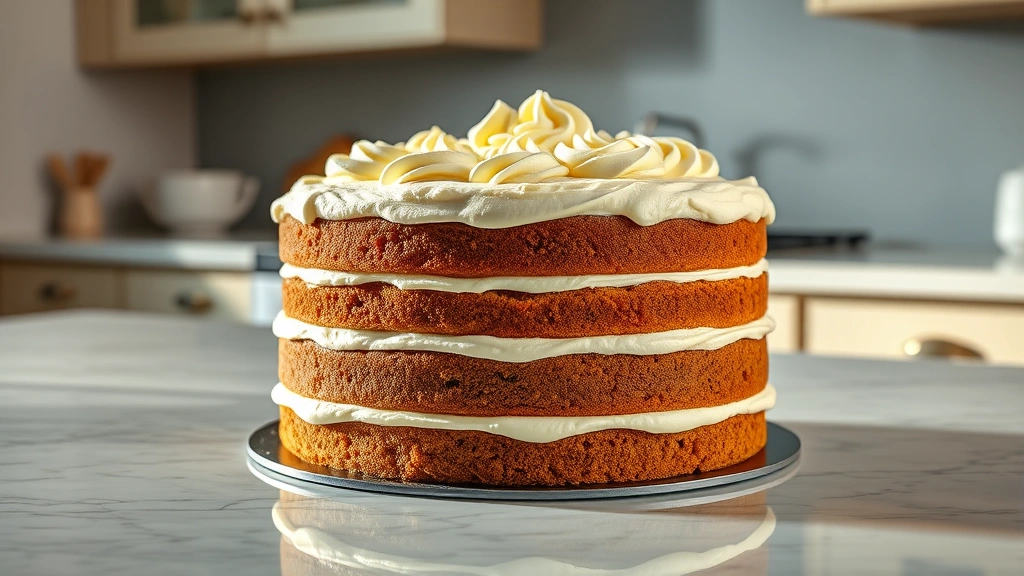
Betty Crocker recipes have been a kitchen staple for generations, and for good reason—they’re reliable, tested, and designed to work for home cooks of all skill levels. Whether you’re baking a classic cake or whipping up a weeknight dinner, mastering a few key techniques will transform your results from decent to downright impressive. Let me walk you through the tricks that’ll make you look like a seasoned baker or cook, even if you’re just getting started.
Table of Contents
Ingredient Prep Matters Most
Before you even crack an egg or preheat the oven, read through your entire Betty Crocker recipe. Seriously. Gather every ingredient and lay it out on your counter—bakers call this “mise en place,” and it’s a game-changer. When you have everything ready, you won’t scramble mid-recipe or forget that vanilla extract. This simple habit prevents mistakes and keeps your workflow smooth.
For baked goods especially, sift your dry ingredients if the recipe calls for it. Even if it seems tedious, sifting aerates flour and removes lumps, which directly impacts how your cake or cookies rise. When making banana bars recipe variations, proper ingredient prep ensures even distribution of flavors throughout.
Room Temperature Is Non-Negotiable
This is where many home cooks stumble. Betty Crocker recipes often specify “room temperature” ingredients, and there’s solid chemistry behind it. Cold butter doesn’t cream properly with sugar, cold eggs don’t emulsify as well, and cold milk doesn’t blend smoothly into batters. Room temperature ingredients (around 70°F) mix more uniformly, creating better texture and rise in baked goods.
Pull your butter, eggs, and milk from the fridge 30 minutes before baking. If you’re in a rush, place eggs in warm water for five minutes or cut butter into smaller pieces so it warms faster. This one adjustment alone will improve your results noticeably.
Measuring Accurately Changes Everything
Baking is chemistry, and chemistry requires precision. Use a kitchen scale if you have one—weight measurements are more accurate than volume. If you’re using measuring cups, spoon flour into the cup and level it off with a knife. Don’t scoop directly from the bag; this compacts the flour and throws off your ratio.
For liquids, use liquid measuring cups (the kind with a spout) and read at eye level. For dry ingredients, use dry measuring cups. This distinction matters more than you’d think. When following Betty Crocker recipes for best Dutch oven recipes, accurate measurements ensure your dish cooks evenly and tastes balanced.
Know Your Oven’s Personality
Every oven is different. Some run hot, some run cold, and some have hot spots. Invest in an oven thermometer—they’re cheap and invaluable. Place it in the center of your oven and preheat for 20 minutes, then check the actual temperature against what your oven dial says. If there’s a gap, adjust accordingly.
Rotate pans halfway through baking if your oven has hot spots. Betty Crocker recipes give you timing ranges for a reason—use them as a starting point, but trust your eyes and nose. A cake should smell fragrant and golden, not burned.
Timing Tests Beat the Clock
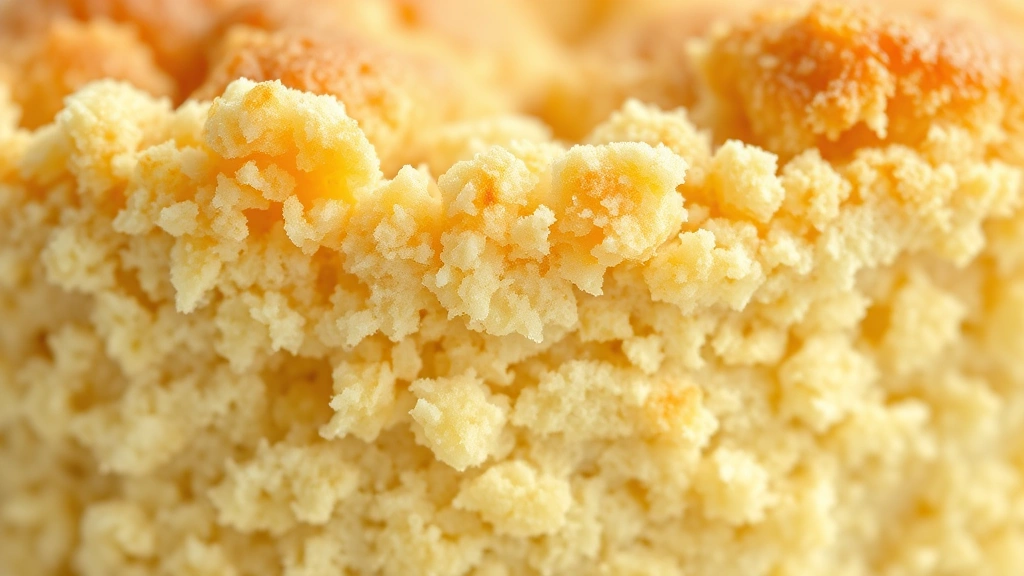
Don’t rely solely on the timer. For cakes and brownies, use the toothpick test: insert a toothpick into the center; it should come out with a few moist crumbs (not wet batter, not completely dry). For cookies, pull them out when the edges look set but the centers still look slightly underbaked—they’ll continue cooking on the hot pan.
For savory dishes like authentic Mexican refried beans recipe, taste as you go. Seasonings can always be adjusted, but you can’t undo oversalting. Visual cues and taste tests are your best friends.
Mixing Technique Determines Texture
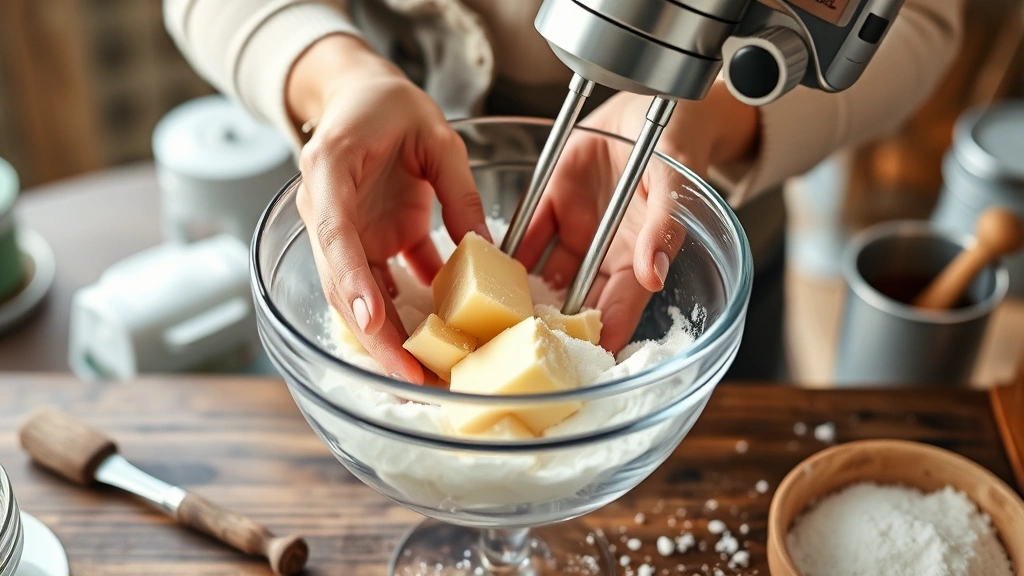
The way you combine ingredients dramatically affects your final product. When a Betty Crocker recipe says “cream butter and sugar,” use an electric mixer on medium speed for about 2-3 minutes until the mixture is pale and fluffy. This incorporates air, which helps baked goods rise.
When folding in delicate ingredients (like whipped egg whites or chocolate chips), use a spatula and fold gently—don’t stir aggressively. Overmixing develops gluten in flour, which can make cakes tough and cookies dense. Mix just until combined; a few streaks of flour are fine.
Smart Ingredient Substitutions Work
Betty Crocker recipes are flexible if you know the rules. Can’t find buttermilk? Mix regular milk with a tablespoon of lemon juice or vinegar and let it sit five minutes. Need an egg substitute in baking? Use applesauce or mashed banana (¼ cup per egg), though this affects texture slightly.
For savory applications, you can often swap vegetables or proteins. If a recipe calls for one vegetable and you prefer another, go for it—just keep the volume similar. When making 4 ingredient guacamole recipe alongside your main dish, remember that fresh ingredients often outperform exact substitutions anyway.
Storage Success Extends Freshness
A perfectly baked cake goes stale fast if stored wrong. Most Betty Crocker baked goods keep best in airtight containers at room temperature. Cakes can be frosted and stored in the fridge for up to five days. Cookies last about a week in an airtight container.
For savory dishes like baby red potato recipes or beet hummus recipe, refrigerate in glass containers and consume within 3-4 days. Label everything with the date—it’s easy to forget when you made something.
Frequently Asked Questions
Why do my Betty Crocker cakes always come out dry?
Dry cakes usually result from overbaking or too much flour. Check your oven temperature with a thermometer, and don’t pack flour into measuring cups. Also, avoid opening the oven door repeatedly during baking—this causes temperature fluctuations. Use the toothpick test and pull the cake out when a few moist crumbs still cling to it.
Can I make Betty Crocker recipes ahead of time?
Most baked goods can be made a day or two ahead and stored properly. Cakes actually taste better the next day as flavors develop. Cookies keep for a week. For savory dishes, prepare components ahead and assemble closer to serving time for best texture and flavor.
What’s the difference between creaming and mixing?
Creaming (beating butter and sugar together) incorporates air and creates a light, fluffy base—essential for cakes and cookies. Regular mixing just combines ingredients without aeration. Betty Crocker recipes specify which technique to use because each produces different results.
How do I know if my oven temperature is accurate?
Buy an oven thermometer (around $10) and place it in the center of your oven. Preheat for 20 minutes, then check. Most ovens drift by 25-50°F, so knowing your oven’s personality is crucial for consistent results with Betty Crocker recipes.
Should I use salted or unsalted butter?
Use unsalted butter so you can control the salt level in your recipe. Salted butter varies by brand, which throws off seasoning. If you only have salted butter, reduce added salt slightly.
Master These Tricks, Master the Recipe
Betty Crocker recipes are your foundation, but these five tricks are what separate good results from great ones. Prep your ingredients, respect room temperature, measure accurately, know your oven, and time by feel rather than just the clock. These habits work for any recipe you tackle, not just Betty Crocker classics. Start with one trick this week, add another next week, and before long you’ll be confidently creating restaurant-quality dishes at home. The beauty of Betty Crocker recipes is that they’re designed to work—you just need to give them the respect they deserve.


