
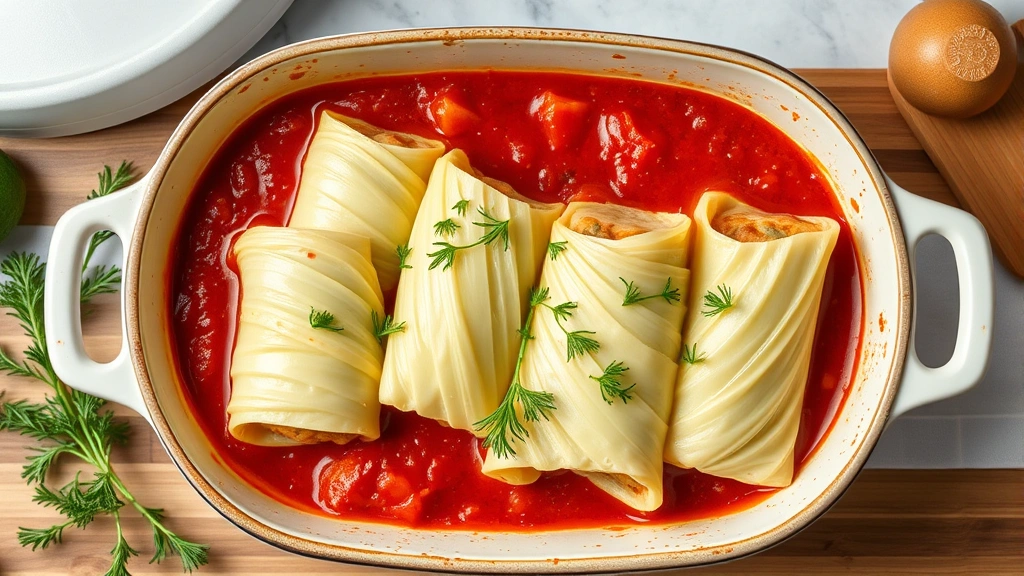
The best stuffed cabbage recipe is one that brings together tender cabbage leaves, savory filling, and rich sauce into a comforting dish that tastes like it took hours but actually comes together in under an hour. Whether you’re cooking for family dinner or meal prepping for the week, stuffed cabbage rolls deliver that homestyle comfort food vibe without the fuss. This isn’t fancy restaurant cooking—it’s real-world kitchen work that produces restaurant-quality results.
Table of Contents
Choosing Your Perfect Cabbage
Start with a solid green or savoy cabbage—these are your workhorses in the kitchen. Green cabbage has tight, sturdy leaves that hold up to cooking without falling apart. Savoy cabbage offers slightly more tender leaves with a delicate texture. Skip the red cabbage unless you want to make a statement dish; it’s tougher and requires longer cooking times. Pick a head that feels dense and heavy for its size, with no soft spots or browning. A medium head (about 2 pounds) gives you roughly 12-15 usable leaves, perfect for a standard batch.
Preparing Cabbage Leaves Right
This step separates amateur cooks from people who actually know what they’re doing. Cut the core out of your cabbage with a sharp knife, going about 2 inches deep in a circular motion. Place the whole head in a large pot of boiling salted water. Let it sit for 8-10 minutes—the heat softens the leaves and makes them pliable. You don’t need to cook it completely; you’re just making the leaves workable. Carefully peel away the softened outer leaves and set them on a clean towel to cool. If you need more leaves, return the cabbage to the water for another few minutes. Once cooled, trim the thick central vein from each leaf with a paring knife—this makes rolling much easier and prevents cracking.
Building Your Filling Mixture
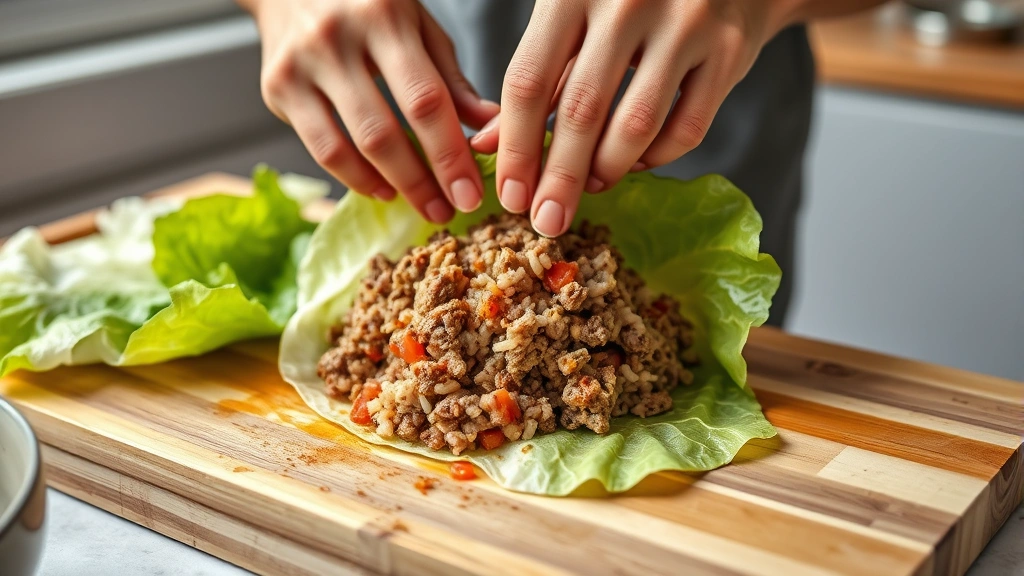
The filling is where your best stuffed cabbage recipe gets its personality. Start with one pound of ground meat—beef, pork, or a combination works beautifully. Brown it in a skillet over medium-high heat, breaking it up as it cooks. Add one diced onion and let it soften for 3-4 minutes. Stir in one cup of cooked rice (white or brown), two minced garlic cloves, and your seasonings: one teaspoon salt, half teaspoon black pepper, and half teaspoon paprika. Some cooks add a beaten egg to bind everything together—this is optional but gives you more cohesive rolls. Mix everything thoroughly and let it cool slightly before rolling. The filling should be moist but not wet; if it’s too loose, your rolls fall apart during cooking.
Rolling Technique That Works
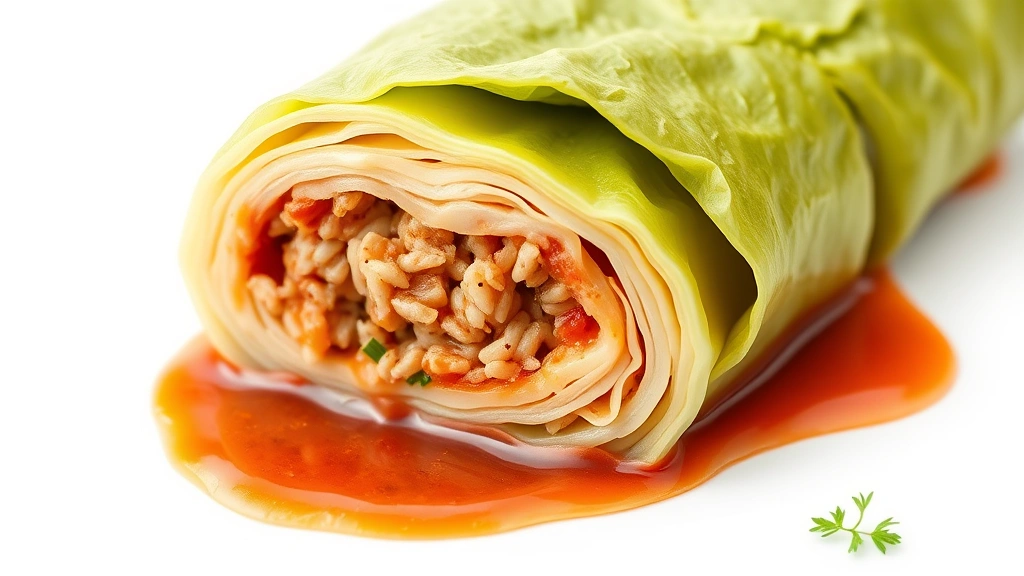
Lay a cabbage leaf flat on your work surface with the vein side up. Place about 3 tablespoons of filling near the base of the leaf. Fold the base up and over the filling, then fold in the sides like you’re wrapping a burrito. Roll tightly toward the tip, keeping the sides tucked in as you go. Place each roll seam-side down in your baking dish. The seam-side-down position keeps everything sealed during cooking. Don’t pack them too tightly—they need a little room to breathe and for sauce to circulate. Arrange them in a single layer if possible, though two layers work fine if you’re making a big batch.
Sauce Options & Flavors
The sauce transforms your rolls from good to unforgettable. The classic approach uses one 28-ounce can of crushed tomatoes, one tablespoon of tomato paste, one tablespoon of brown sugar, one tablespoon of vinegar, one teaspoon salt, and half teaspoon caraway seeds (optional but traditional). Mix these together and pour over your rolls. The sugar balances the acidity while the vinegar adds complexity. Some families swear by a sour cream sauce instead: mix one cup sour cream with one can tomato soup and half cup water. Others prefer a simple beef broth base with tomato sauce. The beauty here is flexibility—use what tastes right to your family. You can also add steamed vegetables to create a lighter variation if you want more nutrition in your dish.
Cooking Methods Compared
Oven baking is the gold standard for even cooking and hands-off convenience. Cover your dish with foil and bake at 350°F for 45 minutes, then uncover and bake another 15 minutes. The foil traps steam and keeps the rolls moist; removing it at the end lets the sauce reduce slightly and develop deeper flavor. Stovetop simmering works too—bring your sauce to a gentle simmer, cover, and let it bubble away for 40-50 minutes on medium-low heat. Check occasionally to ensure the sauce isn’t reducing too much. Slow cooker method takes 6-8 hours on low or 3-4 hours on high, perfect if you’re working all day. The extended cooking time makes everything incredibly tender, though the rolls are more delicate at the end. Instant Pot pressure cooking does the job in 12 minutes under high pressure with a quick release, though the sauce won’t reduce as much.
Seasoning Strategy Matters
Season your filling and your sauce separately—this gives you layered flavor instead of one-note seasoning. The filling needs salt and pepper to taste good on its own. The sauce needs its own seasoning balance because it cooks separately and dilutes into the dish. Taste as you go. After the rolls finish cooking, taste the sauce and adjust: add more salt if it tastes flat, more sugar if acidity dominates, more vinegar if it needs brightness. Fresh herbs like dill or parsley stirred in at the end add freshness that complements the cooked flavors beautifully. Caraway seeds are traditional in Eastern European versions and add an earthy, slightly licorice-like note that shouldn’t be overlooked.
Storage & Reheating Guide
Stuffed cabbage rolls actually improve after a day or two as flavors meld together. Store them in an airtight container in the refrigerator for up to 4 days. Freezing works great too—let them cool completely, transfer to a freezer-safe container, and freeze for up to 3 months. Don’t freeze the assembled but uncooked rolls; the cabbage texture suffers. Reheat in a 350°F oven covered with foil for 20-25 minutes until heated through, or microwave individual portions for 2-3 minutes. If you’re in a rush and need to cancel dinner plans, you can always order out, but honestly, having these in your freezer means you never need to. Reheated rolls taste almost as good as fresh because the sauce keeps everything moist.
Frequently Asked Questions
Can I make stuffed cabbage rolls ahead of time?
Absolutely. Assemble them completely, cover with plastic wrap, and refrigerate for up to 24 hours before cooking. The flavors actually develop better this way. You can also cook them fully, cool completely, and freeze for up to 3 months.
What if my cabbage leaves tear while I’m preparing them?
Use the torn pieces to patch other leaves or layer them on the bottom of your baking dish. Small tears don’t matter once everything is in sauce and cooking. The sauce holds everything together.
How do I know when stuffed cabbage rolls are done cooking?
The filling should reach 160°F if you’re using ground meat. The cabbage should be tender but not falling apart—you want some texture remaining. The sauce should bubble gently at the edges.
Can I use ground turkey or chicken instead of beef?
Yes, though you’ll need to add a bit more fat since poultry is leaner. Use 90/10 ground beef mixed with ground turkey, or add a tablespoon of olive oil to ground chicken filling to keep it moist.
What vegetables can I add to the filling?
Diced mushrooms, bell peppers, zucchini, or carrots all work well. Sauté them with the onions before mixing with the meat and rice. This adds nutrition and flavor without changing the basic technique.
Is caraway seed really necessary?
It’s traditional in Eastern European recipes but not essential. If you don’t like the flavor, skip it entirely. The rolls taste great without it, just slightly different from authentic versions.
Final Thoughts
The best stuffed cabbage recipe isn’t about following rules—it’s about understanding the fundamentals and making them work for your kitchen and your taste buds. You’ve got tender cabbage leaves, flavorful filling, and sauce that brings everything together. The cooking method matters less than the quality of your ingredients and the care you take in assembly. Start with this approach, make it once or twice, then adjust based on what your family loves. Add more garlic if you want punch, use vinegar-forward sauce if you like tang, or keep it simple with just tomato and beef broth. This is real-world cooking where you build confidence by doing it, tasting it, and making it better next time. Once you master this technique, you’ll have a go-to dish that works for weeknight dinners, meal prep, and even impressing guests. The investment of 30 minutes of actual hands-on work pays dividends in comfort, flavor, and the satisfaction of knowing you made something genuinely delicious from scratch. Keep your tools sharp, your workspace organized, and your sauce simmering—that’s the real secret to kitchen success.
Note: For information on maintaining your kitchen equipment and tools, check out our guide on keeping tools in top condition. And if you’re curious about cooking times for other vegetables, we have detailed timing guides for various cooking methods.


