

The best sourdough discard recipes transform what would’ve been kitchen waste into delicious baked goods and breakfast staples. If you’re maintaining a sourdough starter, you already know that feeding it regularly means discarding a good portion of that bubbly culture. Instead of watching those discards go down the drain, let’s put them to work in pancakes, waffles, crackers, and more.
Table of Contents
Why Save Your Starter Discard
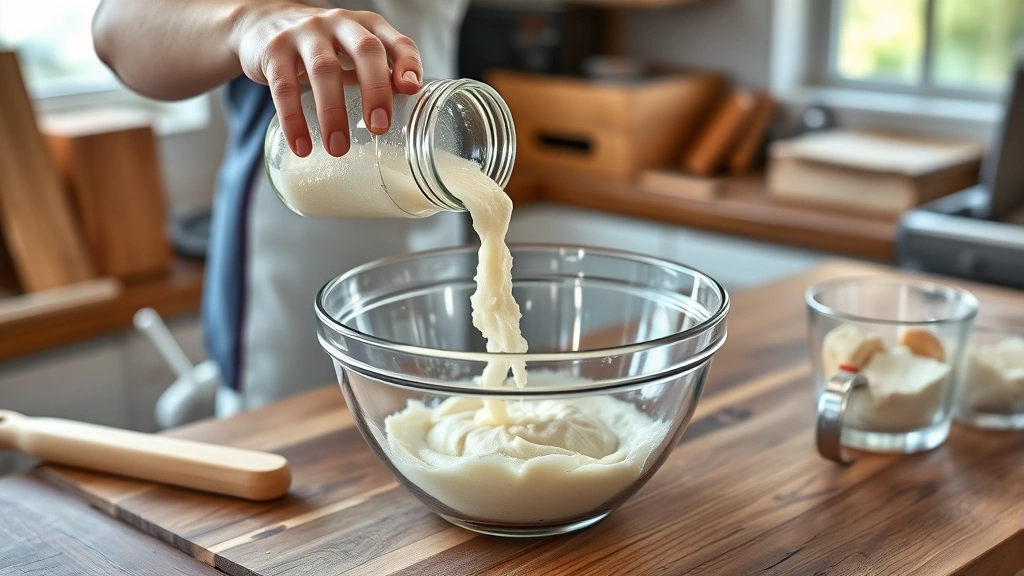
Every time you feed your sourdough starter, you’re creating the perfect opportunity to use that discard. That active, bubbly culture has serious leavening power. Unlike using your mature starter for bread baking, discard recipes don’t demand perfectly timed fermentation. They’re forgiving, flexible, and honestly, they taste fantastic.
The real magic here is that sourdough discard already contains wild yeast and bacteria. This gives your pancakes, muffins, and crackers subtle tang and better digestibility than conventional recipes. You’re also reducing food waste, saving money on leavening agents, and creating products with better flavor complexity. It’s a win across the board.
Classic Sourdough Pancakes
This is the gateway recipe for most sourdough bakers. Mix 1 cup of discard with 1 cup of flour, 1 cup of milk, 2 tablespoons of sugar, 1 teaspoon of vanilla, and 1 egg. Let it sit overnight on the counter—this rest period develops flavor and helps the batter rise naturally. In the morning, add a pinch of salt and ½ teaspoon of baking soda, then cook on a griddle until golden.
The overnight rest is crucial. It allows the wild yeast to work its magic, creating a lighter, fluffier pancake than you’d get from a standard recipe. You’ll notice a subtle tang that pairs beautifully with maple syrup or fresh berries. Many bakers swear these pancakes stay tender longer than conventional versions.
Crispy Belgian Waffles
Belgian waffles made with sourdough discard have a distinctive crispy exterior and tender interior. Use 1 cup of discard, ½ cup of melted butter, 2 eggs, 1 tablespoon of sugar, and ½ teaspoon of salt. Mix everything together and let it rest for 30 minutes. Right before cooking, add ½ teaspoon of baking soda to activate the rise.
The key to crispiness is using a hot waffle iron and not opening it too early. The sourdough discard creates steam pockets that develop into crispy edges while keeping the inside tender. These waffles freeze beautifully—just pop them in the toaster to reheat.
Savory Sourdough Crackers
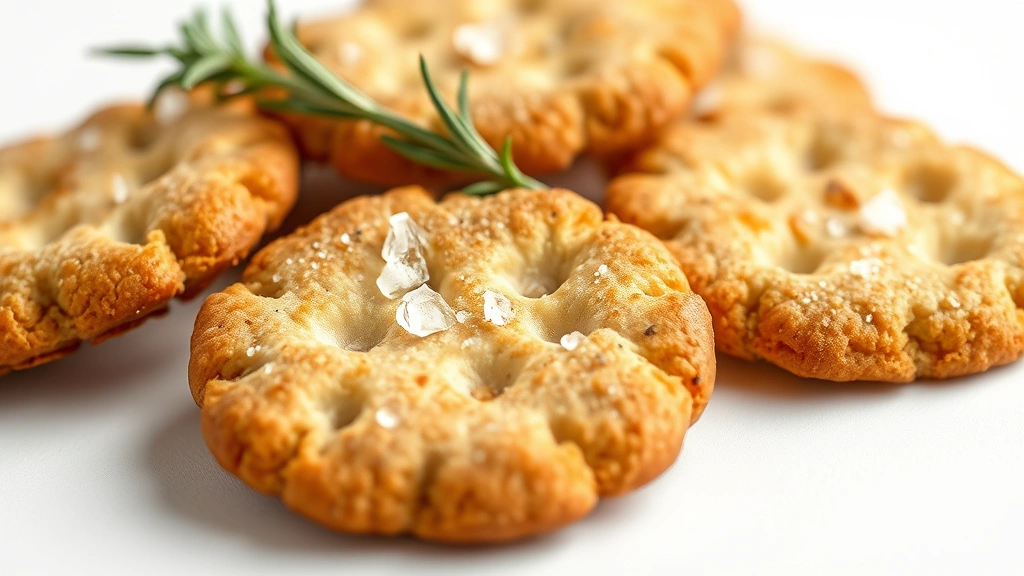
Crackers are where sourdough discard truly shines. Mix 1 cup of discard with ½ cup of water, 1½ cups of flour, 1 teaspoon of salt, and 2 tablespoons of olive oil. Knead until smooth, then let it rise for 2-4 hours. Roll thin between parchment paper, cut into squares, brush with oil and your favorite seasonings (rosemary, everything bagel seasoning, sea salt), then bake at 375°F for 12-15 minutes until crispy.
The fermentation time develops complex flavors that store-bought crackers can’t match. These crackers stay crispy for a week in an airtight container and pair perfectly with cheese, dips, or soup. The sourdough tang makes them sophisticated enough for entertaining.
Muffins & Quick Breads
Sourdough discard works beautifully in quick breads like banana bread, zucchini bread, and blueberry muffins. Replace about 1 cup of your usual wet ingredients with sourdough discard, then reduce other liquids slightly. The discard adds moisture, tang, and helps keep baked goods tender longer.
For blueberry muffins specifically: combine 1 cup of discard, ½ cup of oil, 2 eggs, ¾ cup of sugar, 1½ cups of flour, 1½ teaspoons of baking powder, ½ teaspoon of salt, and fold in 1 cup of blueberries. The muffins bake at 375°F for 20-25 minutes. You’ll notice they stay moist for days, thanks to the sourdough’s natural moisture retention.
Biscuits & Scones
Biscuits made with sourdough discard have a tender crumb and subtle tang. Mix 1 cup of discard with 1½ cups of flour, 1 tablespoon of sugar, 1½ teaspoons of baking powder, ½ teaspoon of salt, and 4 tablespoons of cold butter cut into small pieces. Work the butter in with your fingertips until the mixture resembles coarse sand, then add just enough milk to bring it together.
Pat the dough to ½-inch thickness, cut with a biscuit cutter, and bake at 400°F for 12-15 minutes. The sourdough discard replaces some of the buttermilk you’d normally use, creating a more complex flavor profile. These biscuits are perfect alongside breakfast or with dinner.
Pizza & Focaccia Dough
This is where you can really use larger quantities of discard. A basic pizza dough uses 1 cup of discard, 2 cups of flour, 1 teaspoon of salt, ½ teaspoon of instant yeast, and 2 tablespoons of olive oil. Mix and let rise for 4-8 hours at room temperature. The dough develops incredible flavor and digestibility from the long fermentation.
For focaccia, use the same dough but press it into an oiled pan, dimple it with your fingertips, brush with olive oil, and top with coarse salt and rosemary before baking at 425°F for 20-25 minutes. The sourdough fermentation creates a complex, slightly tangy base that makes focaccia taste like it came from an Italian bakery.
Storage & Prep Tips
Keep your sourdough discard in a jar in the refrigerator. It’ll stay fresh for up to two weeks, though you can use it straight from the fridge in most recipes. If you’re not baking regularly, you can freeze discard in ice cube trays—each cube is roughly 2 tablespoons, making portioning easy for future recipes.
Plan ahead by collecting discard for a few days if a recipe calls for more than 1 cup. Many bakers keep a dedicated container for this. Label it with the date so you know how old it is. Cold discard actually works fine in most recipes; just let your batter or dough sit a bit longer to rise. You can also bring discard to room temperature for faster fermentation if you’re in a hurry.
When measuring discard, use the same technique as flour: spoon it into your measuring cup and level it off. Packed versus loose discard can vary by 20-30% in weight, so consistency matters for reliable results.
Frequently Asked Questions
Can I use discard straight from the fridge?
Absolutely. Cold discard works in most recipes; it just needs a bit more time to rise. For pancakes and waffles, letting the batter sit overnight at room temperature develops better flavor anyway. For crackers and pizza dough, cold discard just means a longer fermentation window.
How much discard can I use in one recipe?
Most recipes can handle 1-2 cups of discard without major adjustments. If you’re using more than that, you might need to reduce other liquids slightly. The discard is already wet, so too much can make your dough or batter sticky.
Does sourdough discard add a strong sour taste?
Not really. Discard is younger than a mature starter and hasn’t developed as much acidity. You’ll notice a subtle tang that adds complexity without overpowering. If you want more sourness, let your discard sit at room temperature for a few hours before baking.
Can I use unfed discard?
Yes. Unfed discard actually works great in recipes where you want less yeast activity. For crackers and quick breads, unfed discard is perfect. For pancakes and waffles where you want more rise, use discard from shortly after feeding your starter.
What if my discard has liquid on top?
That’s hooch—concentrated alcohol and yeast byproducts. You can stir it back in for more sour flavor, or pour it off if you prefer milder tang. Either way, it’s totally safe and actually indicates your starter is hungry and active.
How do I know if my discard is still good?
If it smells pleasantly sour and yeasty, it’s good. If it smells like nail polish or acetone, that’s just hooch—still fine. If it smells rotten or moldy, toss it. Discard kept in the fridge stays viable for two weeks easily, sometimes longer.
Putting Discard to Work
The best sourdough discard recipes are the ones you’ll actually make. Start with pancakes if you want something foolproof and delicious. Move to crackers if you want to impress people with snacks. Try pizza dough if you want to use larger quantities and develop serious flavor.
The beauty of sourdough discard recipes is their flexibility. You’re not dealing with finicky timing or precise fermentation windows like you are with bread baking. You’re working with forgiving recipes that reward experimentation. Keep your discard in the fridge, grab a cup whenever you’re planning to bake, and transform what would’ve been waste into something genuinely delicious.
For more food preservation ideas, check out our guide on how to prevent apples from browning and how to keep apple slices from turning brown for other ways to reduce kitchen waste. You might also find our article on how long to steam green beans helpful for meal prep strategies.
Once you start using discard regularly, you’ll wonder why anyone ever throws it away. These recipes prove that sourdough maintenance waste is actually valuable ingredient gold.


