
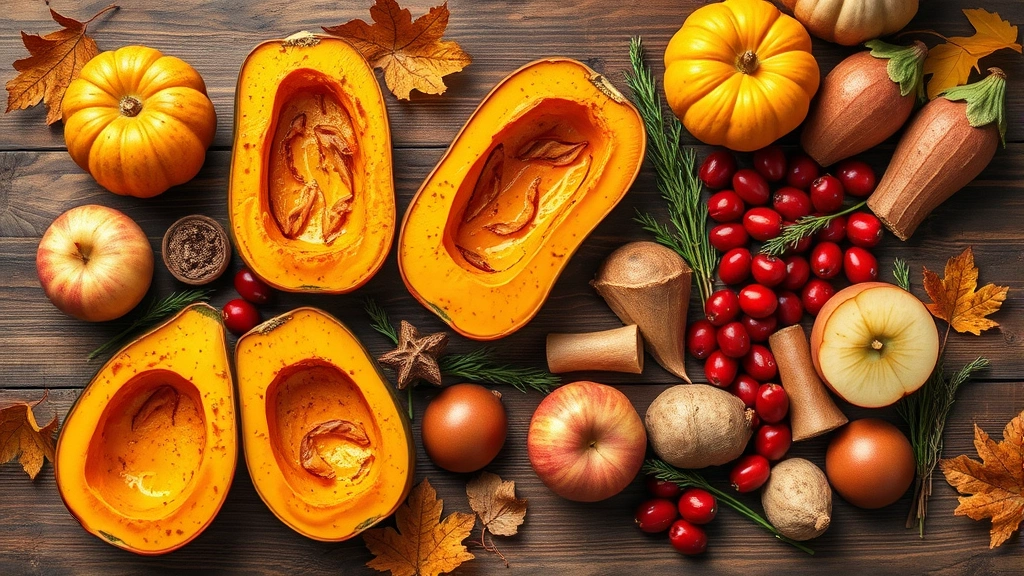
The best fall recipes are all about capturing those crisp autumn flavors—think roasted squash, cinnamon-spiced everything, and hearty comfort food that makes your kitchen smell incredible. Whether you’re hosting Thanksgiving or just craving that cozy-season vibe, mastering these 10 essential dishes will have you cooking like a seasoned pro by November.
Table of Contents
Roasted Butternut Squash Basics
Let’s start with the MVP of fall cooking: butternut squash. This veggie is forgiving, versatile, and absolutely delicious when roasted properly. Cut your squash in half lengthwise, scoop out the seeds, and brush the flesh with olive oil, salt, and pepper. Roast cut-side down at 400°F for about 45 minutes until the flesh is fork-tender and caramelized at the edges.
The key is patience—don’t rush the roasting. That caramelization is where the magic happens. Once it’s done, you can scoop out the flesh for soups, mash it into sides, or eat it straight from the skin. If you’re growing your own produce, knowing how deep to plant garlic will help you prep your garden for next season’s harvest.
Classic Apple Pie Technique
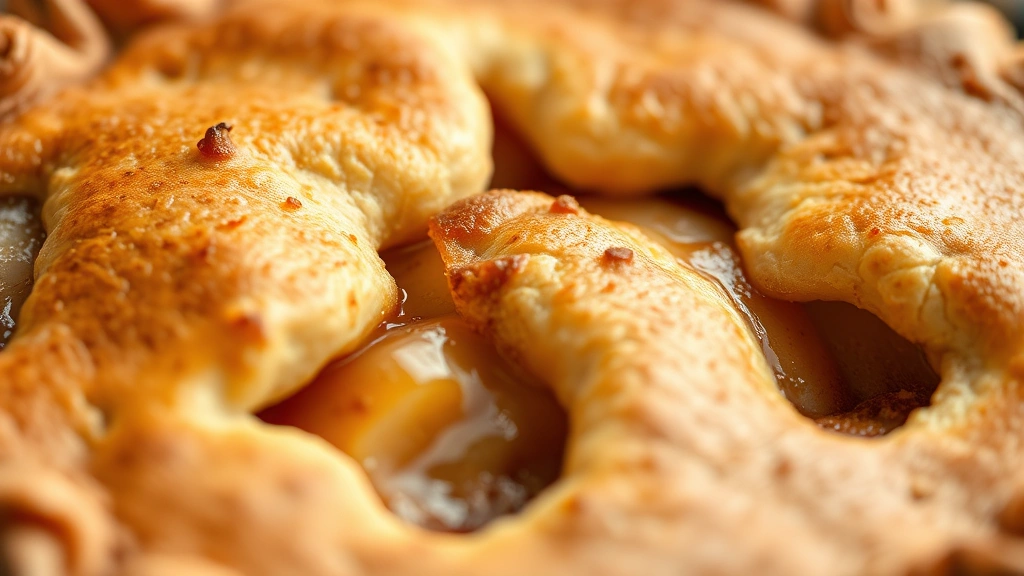
Apple pie isn’t just dessert—it’s a fall tradition that separates the casual cooks from the confident ones. Start with a solid pie crust (store-bought is fine; homemade is better). For the filling, use a mix of tart and sweet apples—Granny Smith and Honeycrisp work beautifully together.
Slice your apples thin and uniform, toss with cinnamon, nutmeg, a pinch of salt, and just enough flour or cornstarch to thicken the filling without making it gummy. The filling should be slightly loose before baking; it’ll firm up in the oven. Bake at 375°F for about 50-60 minutes, covering the crust with foil if it browns too quickly. Let it cool for at least 30 minutes before slicing—this isn’t just for looks; it lets the filling set properly.
Creamy Pumpkin Soup
Pumpkin soup is the definition of cozy, and it’s simpler than you’d think. Roast fresh pumpkin (or use canned—no shame here) and blend it with sautéed onions, garlic, and vegetable broth. The creaminess comes from heavy cream or coconut milk, depending on your preference. Season aggressively: nutmeg, cinnamon, a touch of cayenne, salt, and black pepper.
The trick is balancing sweetness with savory depth. A splash of apple cider vinegar at the end brightens everything up and prevents the soup from tasting one-dimensional. Simmer for about 20 minutes, letting flavors meld together. Serve with crusty bread and a drizzle of sage-infused oil for that restaurant-quality finish.
Herb-Roasted Turkey Mastery
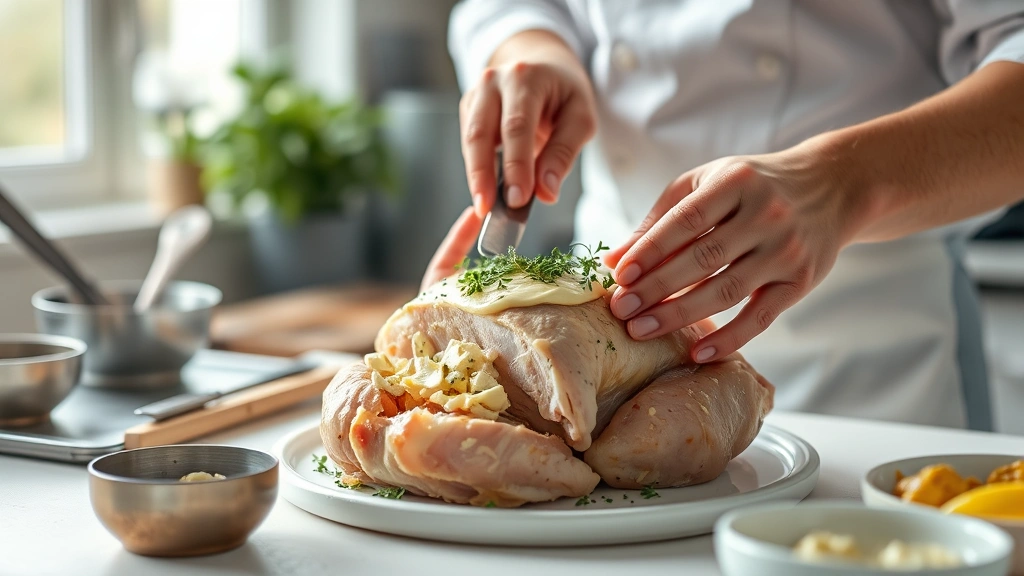
Turkey gets a bad rap, but that’s usually because it’s cooked wrong. The secret is brining and butter—yes, actual butter under the skin. Mix softened butter with fresh herbs (sage, thyme, rosemary), and work it under the skin of your bird. This keeps the meat moist and infuses flavor from the inside out.
Brine your turkey for 12-24 hours in a saltwater solution (about 1 cup salt per gallon of water). Pat it dry before roasting, and roast at 325°F, basting every 45 minutes with pan juices. Use a meat thermometer—the thickest part of the thigh should hit 165°F. Let it rest for 20 minutes before carving; this is non-negotiable. Resting allows the juices to redistribute, making every bite tender and juicy.
Homemade Cranberry Sauce
Forget the canned stuff. Real cranberry sauce takes maybe 15 minutes and tastes infinitely better. Combine fresh cranberries, sugar, and a splash of water in a saucepan. Bring to a boil, then simmer until the berries burst and the mixture thickens, about 10-12 minutes.
Add depth with a cinnamon stick, orange zest, or a touch of ginger. Some people swear by a splash of bourbon or port wine. The sauce will thicken more as it cools, so don’t worry if it seems loose off the heat. Make it a day or two ahead; the flavors actually improve with time. Store in the fridge until you’re ready to serve.
Stuffing & Dressing Secrets
Stuffing is all about texture contrast: you want some pieces soft and custardy, others still with a bit of bite. The foundation is day-old bread (not fresh), cut into cubes and allowed to dry out for a few hours. Sauté your aromatics—onions, celery, and garlic—until they’re soft and fragrant.
Combine bread cubes with the aromatics, fresh herbs, and enough broth to moisten everything without making it soggy. The ratio should be about 1 cup broth per 4 cups of bread cubes. Bake covered at 350°F for 30 minutes, then uncovered for another 20-30 minutes until the top is golden. If you want crispy edges, increase the heat to 400°F for the last 10 minutes. The best part? You can prep the entire mixture the night before and bake it fresh on the day.
Roasted Root Vegetables
Fall root vegetables—carrots, parsnips, Brussels sprouts, beets—become sweet and caramelized when roasted. The technique is straightforward: cut everything into uniform pieces (about 1-inch chunks), toss with olive oil, salt, and pepper, and spread on a baking sheet in a single layer.
Roast at 425°F for 30-40 minutes, stirring halfway through. Don’t overcrowd the pan; the vegetables need space to caramelize, not steam. If you’re incorporating green vegetables, consider how long to steam green beans as an alternative cooking method that preserves their bright color. Finish with fresh herbs, a squeeze of lemon, or a drizzle of balsamic vinegar. These roasted veggies are perfect as a side dish or mixed into grain bowls.
Spiced Fall Desserts
Beyond apple pie, fall desserts thrive on warm spices. Pumpkin bread, spiced cookies, and pecan pie all benefit from the same flavor profile: cinnamon, nutmeg, ginger, and cloves. The key is using fresh spices—old spices taste dusty and flat. Toast whole spices in a dry pan for 30 seconds to wake them up, then grind them yourself if you have a grinder.
For cookies, brownies, or quick breads, don’t be shy with the spices. A teaspoon of cinnamon in a batch of 24 cookies might seem like nothing, but it makes all the difference. Brown sugar adds moisture and depth that white sugar can’t match. If you’re experimenting with fun texture and flavor combinations, you might explore how to make popping boba for creative dessert toppings that add an unexpected element to your fall treats.
Timing Strategy
The real challenge of fall cooking isn’t the recipes themselves—it’s timing everything so it all comes together hot and ready. Start with a timeline: work backward from when you want to eat. Turkey takes the longest, so it’s your anchor point. Plan side dishes that can be made ahead and reheated, or ones that cook at the same temperature as your turkey.
Make sauces and desserts the day before. Prep vegetables the morning of. Set timers for everything. According to Family Handyman, organization is key to any successful project, whether it’s home improvement or holiday cooking. The same principle applies: preparation prevents poor performance.
Flavor Foundations
What ties all these recipes together? Warm spices, caramelization, and balance. Fall cooking isn’t about being fancy; it’s about respecting ingredients and not over-complicating things. Butter, cream, and good salt are your friends. Fresh herbs—especially sage and thyme—are non-negotiable.
Taste as you go. Seasoning is cumulative, and what tastes perfect at room temperature might taste bland when hot. Don’t be afraid to adjust. Add acid (lemon, vinegar) to brighten rich dishes. Add sweetness (maple syrup, brown sugar) to balance savory elements. This Old House teaches us that mastery comes from understanding fundamentals, and the same is true in the kitchen.
Make-Ahead Tips
Most fall recipes improve with time. Soups taste better the next day. Sauces develop deeper flavor when they sit. Baked goods stay moist longer than you’d expect. Make your life easier by doing what you can in advance.
Pie dough can be made and frozen for weeks. Stuffing mixture can be assembled and refrigerated overnight. Cranberry sauce actually tastes better made 2-3 days ahead. Turkey can be brined in the fridge for up to 24 hours. The only things you want fresh are roasted vegetables and anything with a crust that needs to be crispy.
Frequently Asked Questions
Can I make these recipes ahead of time?
Absolutely. Most fall recipes actually taste better when made a day or two ahead. Soups, sauces, and baked goods all benefit from time. Roasted vegetables are best served fresh, but can be reheated gently. Turkey should be cooked the day you’re serving it, but can be brined the night before.
What’s the best way to reheat fall dishes?
Low and slow is your friend. Reheat soups and sauces on the stovetop over medium heat, stirring occasionally. Baked goods warm nicely covered with foil in a 300°F oven for 10-15 minutes. Roasted vegetables can go back in a 350°F oven for 10 minutes. Never microwave turkey or it’ll dry out.
How do I know when my turkey is done?
Use a meat thermometer. The thickest part of the thigh (not touching bone) should reach 165°F. This is the only reliable way. Don’t trust the pop-up timer or the color of the juices.
Can I substitute ingredients in these recipes?
Most substitutions work fine. Use any winter squash instead of butternut. Mix apple varieties. Substitute vegetable broth for chicken broth in soups. The only place I wouldn’t compromise is on butter and cream—they’re not just flavor, they’re texture.
What if something goes wrong?
Burned the bottom of your pie? Trim it off or cover it with whipped cream. Oversalted the soup? Add more broth and adjust other seasonings. Dry turkey? Slice it and serve with extra gravy. Most mistakes are fixable, and your guests will be too busy eating to notice.
Wrapping It Up
The best fall recipes aren’t complicated—they’re just good food made with attention and care. Master these 10 dishes and you’ll have the confidence to handle any autumn gathering. Start with what appeals to you most, practice it once or twice, and you’ll find your rhythm. Fall cooking is forgiving; it rewards patience and punishes rushing. Take your time, taste as you go, and enjoy the process. Your kitchen will smell incredible, and your table will be full of happy people. That’s what fall cooking is really about.


