
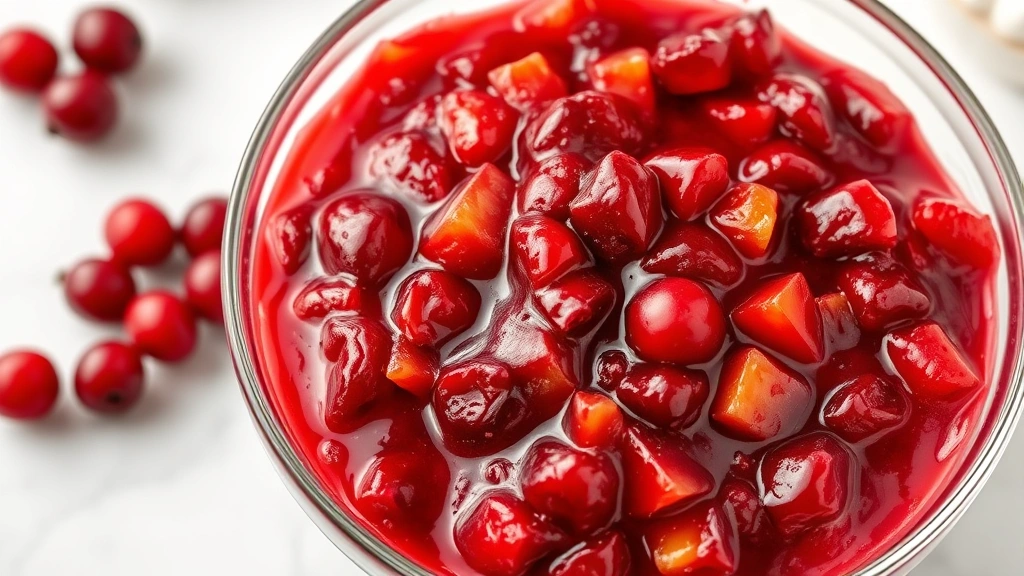
Making the best cranberry relish recipe doesn’t require culinary school or fancy equipment—just fresh cranberries, a food processor, and about ten minutes of your time. This is the kind of recipe that shows up on holiday tables because it’s foolproof, tastes incredible, and actually impresses people without making you sweat in the kitchen.
Table of Contents
Why Homemade Cranberry Relish
Store-bought cranberry sauce tastes like it came from a can because, well, it did. The homemade version hits different. You control the texture, the sweetness, and the overall flavor profile. Plus, when you make it yourself, you get that fresh, bright tartness that makes people ask for your recipe before they even finish their first bite.
The magic happens because you’re starting with whole cranberries at peak freshness. Unlike canned versions that sit on shelves for months, your relish goes from berry to table in minutes. That’s where the real difference lives. Fresh cranberries have a complexity that processed versions simply can’t match.
Ingredients You Need
Here’s what goes into the best cranberry relish recipe:
- 12 oz fresh cranberries (one standard bag)
- 1 cup granulated sugar (adjust to taste)
- 1 orange, peeled and roughly chopped
- ½ cup walnuts or pecans (optional but recommended)
- Pinch of sea salt
- Optional: ¼ teaspoon ground ginger or cinnamon
That’s it. Five to seven ingredients depending on whether you’re feeling adventurous. The beauty of this recipe is its simplicity—nothing competes for attention, everything complements.
Prep Work Matters
Rinse your cranberries under cold water and pick through them quickly. You’re looking for any that are mushy or discolored—toss those. Most bags are pretty clean, so this takes maybe two minutes tops.
For the orange, wash it first, then peel away just the colored part (the zest). You want minimal white pith because that tastes bitter. Cut the peeled orange into chunks—roughly quarter-inch pieces work perfectly. If you’re using nuts, roughly chop them so they stay somewhat chunky in the final relish.
Pro tip: If your cranberries are frozen (which is totally fine), let them thaw slightly for about five minutes before processing. This helps them break down more evenly and gives you better texture control.
Blending Technique
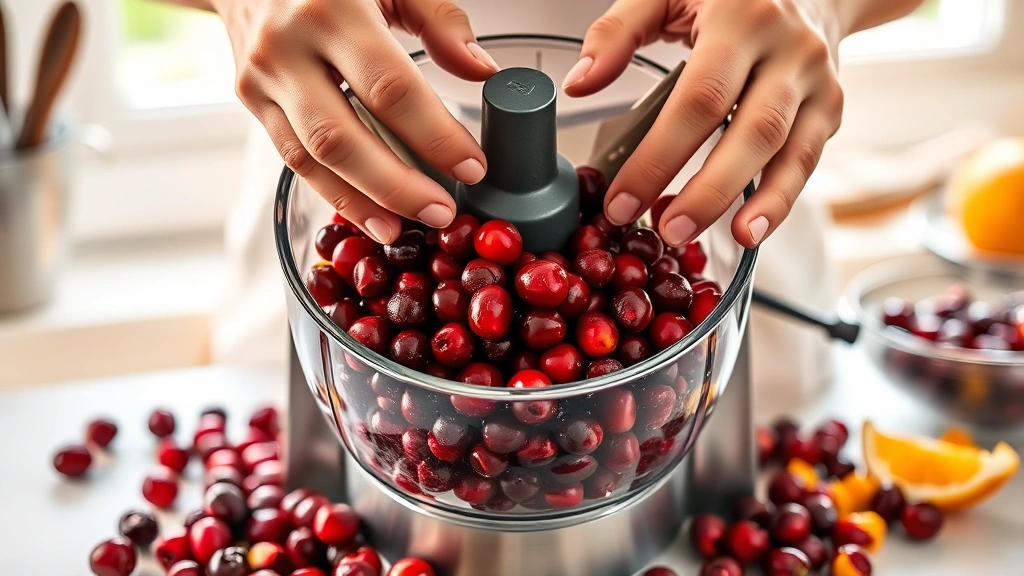
This is where technique actually matters. You’re not making cranberry sauce—you want relish, which means texture. Add your cranberries, orange chunks, sugar, and salt to a food processor. Pulse, don’t blend continuously. Hit the pulse button five to eight times, then check your progress.
You want a chunky texture with some berry pieces still visible. If you go full-on blend mode, you’ll end up with sauce instead of relish. The chunks are what make this sing. Some people like it chunkier, some prefer it smoother—that’s your call. Just remember: you can always pulse more, but you can’t un-blend.
Add nuts in the last pulse or two if using them. This keeps them from turning into nut butter and maintains their texture.
Sweetness Balance
Start with one cup of sugar. Taste a small spoonful after blending—the mixture will taste quite tart at first, which is correct. The sugar needs time to dissolve and mellow the sharpness. Let it sit for five minutes, then taste again.
If it’s still aggressively tart, add more sugar a tablespoon at a time. Some people prefer their relish on the tangy side; others want it sweeter. Neither is wrong. The orange already provides natural sweetness, so you might need less sugar than you think.
Here’s a trick: if you’ve made it too sweet, add the juice of half a lemon to brighten it back up. Acid and sugar are dance partners—balance them right and everything works.
Storage Tips
Transfer your finished relish to a clean glass container. It’ll keep in the refrigerator for up to two weeks, though it rarely lasts that long. The flavors actually deepen after a day or two, so making it ahead is smart planning.
Want to make it further ahead? Freeze it in ice cube trays, then pop the cubes into freezer bags. Each cube is roughly two tablespoons—perfect for portioning. Frozen relish keeps for three months and thaws quickly when you need it. This is especially useful if you make a big batch in November and want fresh relish throughout the season.
Don’t use plastic containers for long-term storage if you can help it. Cranberry’s natural acidity can leach flavor into plastic. Glass is your friend here.
Variations and Twists
Once you’ve mastered the basic best cranberry relish recipe, you can start playing. Add a splash of bourbon or brandy for depth. Include fresh ginger for warmth and spice. Some people swear by adding a tablespoon of fresh rosemary (pulse it fine so it doesn’t overpower).
For a holiday twist, try adding pomegranate seeds or dried cranberries for texture contrast. A teaspoon of vanilla extract adds subtle complexity without announcing itself. Even a pinch of star anise can transform the flavor profile if you’re feeling experimental.
The key with variations is restraint. This relish is already balanced—each addition should enhance, not compete. Start small and taste as you go.
Serving Suggestions
Cranberry relish isn’t just for turkey day. Serve it alongside roasted pork, duck, or ham. It cuts through rich meats beautifully because of its tartness. Spoon it over cream cheese and serve with crackers for an easy appetizer. Some folks even use it in yogurt parfaits or alongside vanilla ice cream for dessert.
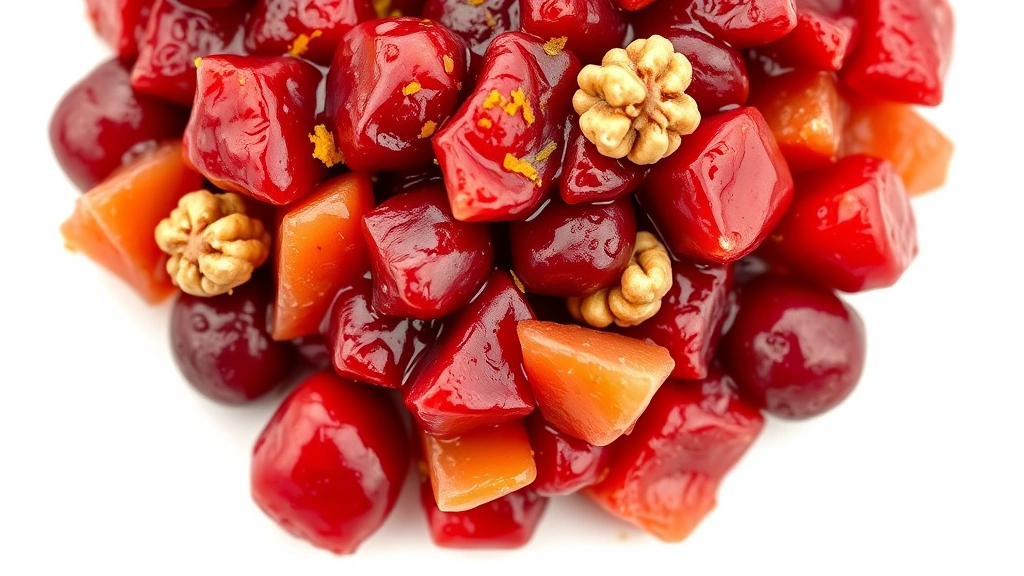
For the candy apples crowd, a small dollop of cranberry relish alongside adds sophistication to dessert presentations. It also works as a condiment for outdoor entertaining setups where you’re serving multiple proteins.
Temperature-wise, serve it cold or at room temperature. Cold is traditional and looks beautiful in a glass bowl. Room temperature brings out more of the flavor nuances—your choice depends on the occasion.
Frequently Asked Questions
Can I use frozen cranberries?
Absolutely. Frozen cranberries work perfectly for this recipe. They’re picked at peak ripeness and frozen immediately, so flavor is locked in. Let them thaw for five minutes before processing. You might need slightly less sugar since frozen berries sometimes have added sugar already, so taste as you go.
How long does cranberry relish last?
Refrigerated in a glass container, it stays fresh for up to two weeks. The flavors actually improve after a day or two as everything melds together. Frozen in ice cube trays, it keeps for three months. Once thawed, use within a few days.
What if I don’t have a food processor?
You can use a blender, though you’ll need to work in batches and be more careful about texture. Hand-chopping everything is also possible—it’s more work but totally doable. The relish won’t be quite as uniform, but homemade charm often beats perfection anyway.
Can I make this recipe less tart?
Yes. Add more sugar gradually, tasting as you go. You can also add a tablespoon of honey or maple syrup for sweetness plus depth. Some people add a splash of orange juice concentrate for sweetness without extra sugar. Just remember that cranberries are naturally tart—that’s their identity.
Is this recipe suitable for canning?
This fresh version isn’t shelf-stable without proper canning procedures. For long-term storage, freeze it instead. If you want to can it, you’d need to follow official USDA canning guidelines, which involve different sugar ratios and processing methods. For most home cooks, freezing is simpler and safer.
What’s the difference between relish and sauce?
Texture, mainly. Relish has chunks and texture; sauce is smooth. This recipe uses pulsing instead of continuous blending to maintain that chunky character. If you want sauce, just blend longer until you reach your desired smoothness.
Can I substitute the orange?
Sure. Lemon works great and makes it tangier. Apple adds sweetness and different flavor notes. Some people use fresh ginger instead of citrus. Experiment, but remember that citrus brightness is part of what makes this recipe sing.
The best cranberry relish recipe succeeds because it respects the cranberry while getting out of its way. Fresh ingredients, simple technique, and about ten minutes of your time create something that tastes like you spent hours in the kitchen. That’s the real magic here—making impressive food without the impressive effort. Your holiday table (or Tuesday night dinner) will be better for it.


