
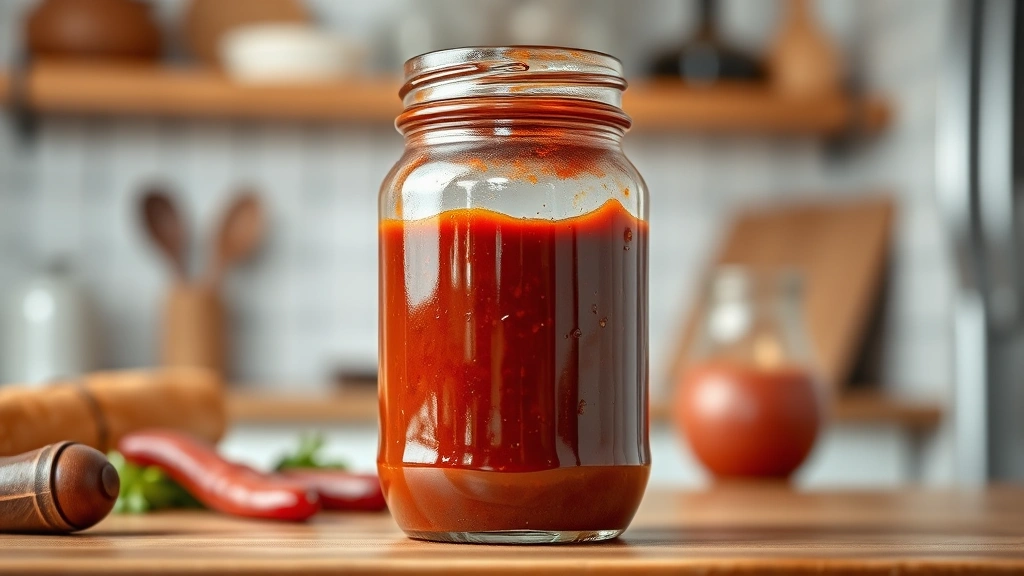
A killer bbq sauce recipe is the backbone of any backyard cookout, and honestly, store-bought bottles just don’t cut it once you’ve tasted the real deal. I’ve spent years tinkering with ratios, heat levels, and flavor combinations, and I’m here to walk you through exactly how to build a sauce that’ll make your neighbors jealous and your meat sing.
Table of Contents
Gather Your Core Ingredients
Before you start mixing, you need the right building blocks. The foundation of any solid bbq sauce recipe starts with a tomato base—ketchup works great because it’s already seasoned and concentrated, or you can use tomato paste mixed with a little water if you want more control. You’ll also need brown sugar for sweetness and depth, apple cider vinegar for tang and preservation, and Worcestershire sauce for that umami punch that makes people wonder what your secret is.
Beyond the basics, grab mustard powder, garlic powder, onion powder, and black pepper. These aren’t just flavor fillers; they’re the architecture that holds everything together. If you’re feeling adventurous, consider adding smoked paprika for depth or cayenne for heat. The beauty of making your own sauce is that you control every element—no high-fructose corn syrup, no mystery ingredients, just real food.
Understand the Flavor Balance
Here’s where most homemade bbq sauce recipes fail: people don’t understand the interplay between sweet, salty, sour, and savory. Think of it like tuning an instrument. You need enough sweetness to balance the vinegar’s acidity, enough salt to amplify flavors without making it inedible, and enough acid to cut through the richness of meat. The savory elements—garlic, onion, Worcestershire—tie it all together and prevent the sauce from tasting one-dimensional.
The ratio I’ve landed on after countless batches is roughly 2 parts sweet, 1 part acidic, and 1 part savory-umami. That’s not a hard rule, but it’s a solid starting point. Taste as you go, and don’t be afraid to adjust. Add a pinch more sugar if it’s too sharp, another splash of vinegar if it’s cloying, or a dash of salt if it tastes flat.
Build Your Base Sauce
Start with one 15-ounce can of tomato sauce or ketchup as your foundation. In a medium saucepan, combine this with ½ cup of brown sugar, ¼ cup of apple cider vinegar, and 2 tablespoons of Worcestershire sauce. If you’re using tomato paste instead of ketchup, start with 6 tablespoons of paste and add ½ cup of water to thin it out.
Stir everything together over medium heat until the sugar dissolves completely. This takes about 2-3 minutes. Don’t skip this step—undissolved sugar creates gritty spots and uneven sweetness. Once it’s smooth, add your dry seasonings: 1 tablespoon of garlic powder, 1 tablespoon of onion powder, 2 teaspoons of smoked paprika, 1 teaspoon of mustard powder, and ½ teaspoon of black pepper. Stir well and let it bubble gently for about 5 minutes so the spices bloom and infuse into the liquid.
Layer in the Complexity
This is where your bbq sauce recipe transforms from basic to memorable. After the initial 5-minute simmer, add 1 tablespoon of molasses for depth and a subtle bitterness that balances sweetness. Then add 1 teaspoon of liquid smoke—this is crucial if you’re not grilling over actual wood smoke. It gives the sauce that authentic barbecue backbone.
Now taste it. Does it need more heat? Add a pinch of cayenne or a few dashes of hot sauce. Does it taste flat? A squeeze of fresh lemon juice or another tablespoon of vinegar will brighten it right up. Does it need more savory punch? A teaspoon of soy sauce or additional Worcestershire will deepen the umami. This is your workshop moment—experiment, taste, adjust. Everyone’s palate is different, and your sauce should reflect what you actually like eating.
Simmer to Perfect Consistency
Once you’re happy with the flavor, reduce heat to low and let the sauce simmer uncovered for 15-20 minutes. This is where the magic happens—the mixture reduces, flavors concentrate, and the sauce develops body. Stir occasionally to prevent sticking on the bottom.
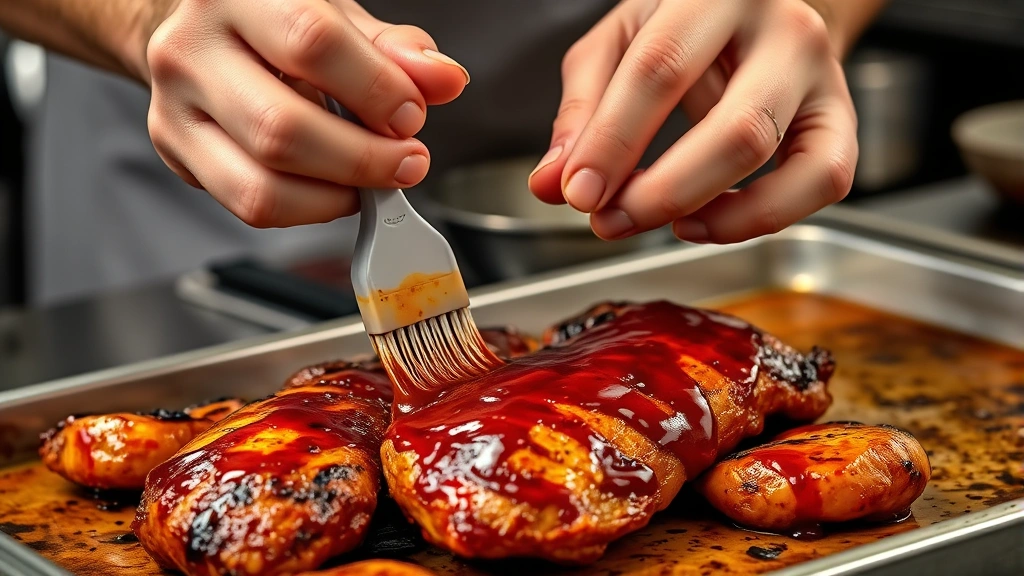
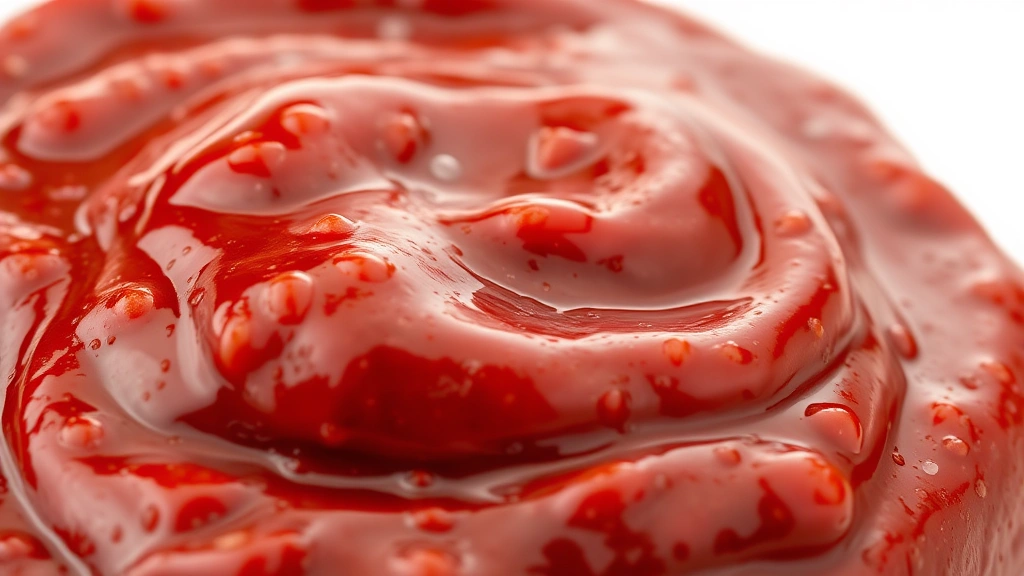
The consistency you’re aiming for is like a thick ketchup: it should coat the back of a spoon but still flow easily off a brush. If it’s too thin after 20 minutes, let it keep simmering—every stove is different, and thickening takes time. If it gets too thick before you’re satisfied with the flavor concentration, add a tablespoon of water or vinegar and keep going. You’re not racing the clock here; you’re building something worth eating.
Customize for Regional Styles
Once you’ve mastered the basic bbq sauce recipe, you can branch out into regional variations. For a Carolina-style vinegar sauce, reduce the tomato base and increase the vinegar to a 1:1 ratio—it’ll be thinner and sharper. For a Kansas City thick and sweet style, add another ¼ cup of brown sugar and let it simmer longer until it’s almost glaze-like. For a mustard-based sauce (South Carolina), swap out half the ketchup for yellow mustard and adjust the sugar accordingly.
The fun part is that once you understand the foundation, you can pull inspiration from anywhere. Add a tablespoon of pineapple juice for tropical notes, a teaspoon of chipotle powder for smoky heat, or a splash of bourbon for complexity. This is where your personal style emerges.
Storage and Shelf Life
Let your finished sauce cool to room temperature before storing. It’ll keep in an airtight container in the refrigerator for up to 3 weeks. The acidity from the vinegar acts as a natural preservative, so homemade sauce lasts longer than you’d think. If you want to extend shelf life even further, you can process it in a water bath canner following USDA guidelines—this is similar to how you’d preserve how to make apple sauce, using proper canning techniques for food safety.
You can also freeze portions in ice cube trays, then pop them into freezer bags. This way you’ve got single servings ready to thaw whenever you’re firing up the grill. Frozen sauce keeps for up to 3 months with no quality loss.
Troubleshooting Common Issues
Too thin? Keep simmering. Seriously, low and slow will get you there. Too thick? Thin with vinegar, not water—it adds flavor while adjusting consistency. Too sweet? Add more vinegar or a pinch of salt. Too sour? Add a bit more brown sugar or molasses. Tastes flat? You probably need more salt or a hit of Worcestershire sauce. Burned on the bottom? Transfer to a new pan immediately and keep heat lower next time.
The most common mistake I see is people getting impatient and cranking the heat. High heat burns the bottom, creates hot spots, and prevents proper flavor development. Medium to medium-low is your friend. Also, don’t skip tasting throughout the process. Your palate is your best tool here.
Frequently Asked Questions
Can I make bbq sauce recipe without Worcestershire sauce?
Yes, but you’ll lose some umami depth. Substitute with soy sauce, tamari, or additional molasses. You might need to add an extra teaspoon of salt to compensate for the savory punch you’re losing.
What’s the difference between bbq sauce and barbecue glaze?
Glaze is thicker and stickier—it’s meant to coat and caramelize on meat. Sauce is thinner and better for dipping or spreading. Make your sauce thicker by simmering longer, or add a tablespoon of cornstarch mixed with water to thicken instantly.
How spicy should my bbq sauce recipe be?
That’s entirely up to you. Start with ¼ teaspoon of cayenne and taste. Add more in small increments. Heat builds as the sauce sits, so go conservative on day one and adjust next time if needed.
Can I use fresh tomatoes instead of canned?
You can, but you’ll need to simmer much longer—fresh tomatoes have more water content. Start with 2 pounds of fresh tomatoes, cook them down for 30-40 minutes, then strain out seeds and skins. It’s more work but absolutely doable if you’ve got garden tomatoes.
Should I use apple cider vinegar or white vinegar?
Apple cider vinegar is warmer and more complex—it’s my choice. White vinegar is sharper and more assertive. Start with apple cider; if you want more brightness, switch to white on your next batch.
How do I know when my sauce is done simmering?
When it coats a spoon and runs slowly off, you’re there. It should be noticeably thicker than when you started but still pourable. If you’re using it as a glaze, go thicker. If you’re using it for dipping, go thinner.
Making your own bbq sauce recipe is honestly one of those skills that pays dividends every single time you grill. You’ll save money, control the ingredients, and end up with something that tastes infinitely better than anything in a bottle. Start with the basic formula I’ve given you, taste constantly, and don’t be afraid to make it your own. That’s the whole point—creating something that reflects your taste and your style. Now get in that kitchen and start mixing.


