
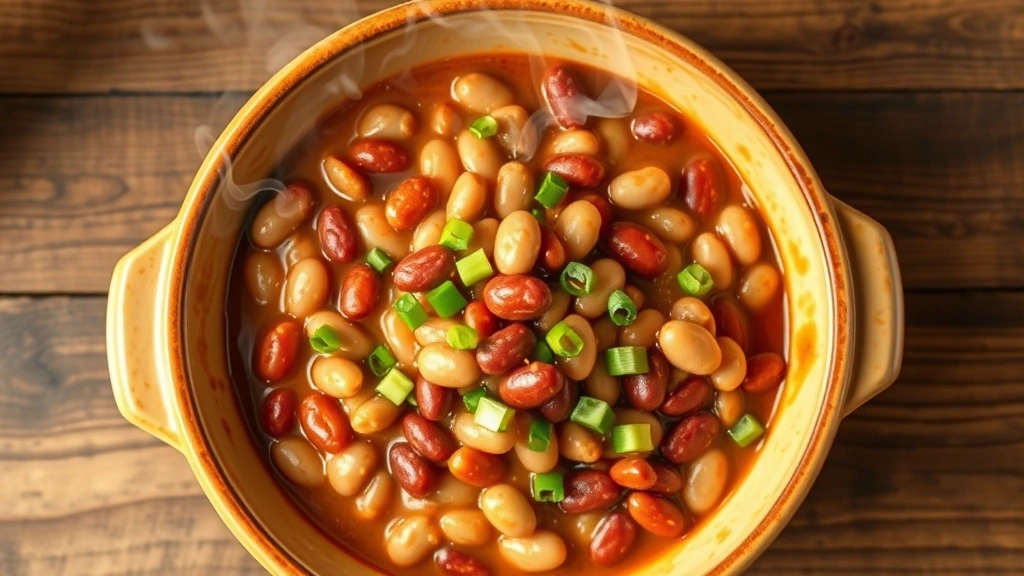
A solid bbq beans recipe is the backbone of any backyard barbecue worth its salt. Whether you’re feeding a crowd or just your crew, these slow-cooked, smoky beans transform from simple pantry staples into the kind of side dish people actually remember. I’ve spent years perfecting this in my own kitchen, testing everything from bean varieties to cooking times, and I’m here to share exactly what works.
Table of Contents
Choosing Your Bean Base
Start with the right beans, and you’re halfway there. I typically use a combination of pinto and navy beans—pintos give you earthiness, navy beans add creaminess. Some folks swear by kidney beans, and that’s fine, but avoid black beans if you want that traditional BBQ look. Dried beans cost pennies and deliver better texture than canned, though canned works in a pinch. If you go dried, soak them overnight. If you’re in a hurry, the quick-soak method works: boil beans for two minutes, let them sit for an hour, then drain and proceed. This step matters because it reduces cooking time and helps beans cook evenly.
Essential Ingredients Guide
Beyond beans, your bbq beans recipe needs backbone. Brown sugar and molasses are non-negotiable—they create that deep sweetness and help build caramelization. Bacon is essential; I use about six slices chopped fine. Onions and garlic form your aromatic base. For the BBQ element, you need good barbecue sauce (homemade is better, but quality store-bought works), Worcestershire sauce, mustard, and apple cider vinegar. Salt, black pepper, and a pinch of cayenne round things out. Some people add coffee or a splash of bourbon—both deepen the flavor considerably. Don’t skip the vinegar; it cuts through richness and keeps the dish from tasting one-note.
Prep Work That Matters
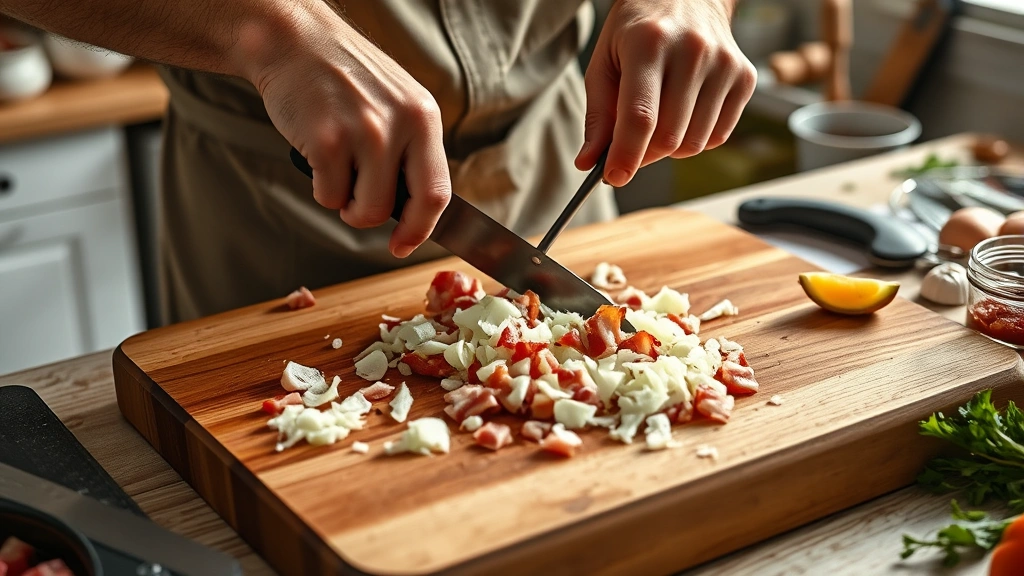
Dice your onions into quarter-inch pieces and mince your garlic. Chop bacon into small bits—you want it distributed throughout, not in chunks. If using dried beans, soak them as mentioned. Measure out your liquids and seasonings before you start cooking. This prep work takes fifteen minutes and prevents scrambling later. When you’re cooking for a crowd, having everything ready means you can focus on timing rather than chopping at the last minute. It’s workshop discipline applied to the kitchen.
Cooking Methods Explained
You have three solid options: stovetop, oven, or slow cooker. The stovetop method takes about two hours for soaked dried beans. Heat a large pot, render the bacon first, then sauté onions and garlic in that fat. Add your drained beans, cover with broth or water, bring to a boil, then reduce heat and simmer. The oven method (325°F for 3-4 hours) gives you hands-off cooking and even heat distribution. The slow cooker is the set-it-and-forget-it approach—eight hours on low or four on high. I prefer the oven for the deepest flavor development, but the slow cooker is practical for weeknight entertaining. Each method works; choose based on your schedule and equipment.
Building Deep Flavor
This is where your bbq beans recipe separates from mediocre versions. Layer your flavors. Start with rendered bacon fat as your cooking base. Add onions and garlic, let them caramelize slightly. When you add beans, they’re already sitting in an aromatic foundation. Then comes the sweet-savory layer: brown sugar, molasses, and barbecue sauce. Add your Worcestershire, mustard, and vinegar. If you want complexity, add a tablespoon of instant coffee or a shot of bourbon. The key is restraint—you’re building depth, not competing flavors. Taste as you go. Start with less seasoning and adjust upward. You can always add more salt; you can’t remove it.
Timing and Temperature
Soaked dried beans need 2-3 hours depending on age and variety. Older beans take longer. Test doneness by pressing a bean between your fingers—it should mash easily but not fall apart. For oven cooking, maintain 325°F throughout. If beans are drying out, add more broth. The final dish should be creamy but not soupy—there should be sauce clinging to the beans, not pooling at the bottom. For slow cookers, eight hours on low is standard; check after six hours to avoid overcooking. Timing varies by cooker, so know your equipment. Plan to have everything done at least thirty minutes before serving—beans actually improve if they rest and cool slightly, allowing flavors to meld.
Storage and Make-Ahead Tips
This is one of the best dishes for advance preparation. Cook your beans completely, let them cool to room temperature, then refrigerate in an airtight container for up to five days. They actually taste better the next day as flavors continue developing. Freeze them for up to three months. To reheat, warm gently on the stovetop over medium-low heat, stirring occasionally and adding a splash of water if they’ve thickened too much. Don’t microwave—uneven heating can make beans mushy on the edges. If you’re bringing beans to a potluck, cook them at home, transport in a slow cooker on warm setting, or reheat on-site. This approach also takes pressure off day-of cooking when you’re managing a grill.
Recipe Variations
Once you master the basic bbq beans recipe, variations open up. For a spicy version, add jalapeños and increase cayenne. For smokiness without a smoker, add liquid smoke (go easy—a teaspoon is plenty). Vegetarian? Skip bacon, render olive oil instead, and use vegetable broth. Some people add ground beef or pulled pork directly into the beans, which transforms them into more of a main dish. Try adding diced pineapple for Hawaiian flair, or a tablespoon of fish sauce for umami depth. The framework stays the same; you’re just adjusting seasonings and proteins. If you’re serving alongside grilled fish like tilapia, keep the beans less sweet and more savory. For heavier meats, lean into the molasses and smoke.
Frequently Asked Questions
Can I use canned beans to save time?
Absolutely. Drain and rinse two 15-ounce cans per pound of dried beans. Start them in your pot with the bacon and aromatics, then reduce cooking time to 45 minutes to an hour. You’ll lose some of the depth that comes from cooking beans from scratch, but you’ll still get delicious results. The flavor-building steps remain the same.
What if my beans are too thick or too thin?
If they’re too thick, add broth or water a quarter-cup at a time and simmer for ten minutes. If they’re too thin, leave the lid off and simmer to reduce the liquid. You’re aiming for a creamy consistency where beans are suspended in sauce, not swimming in it. This usually takes fifteen to twenty minutes of uncovered simmering.
Should I stir the beans while cooking?
Stir occasionally—every thirty minutes or so—but not constantly. Excessive stirring breaks down beans and makes them mushy. You want them intact but tender. If using an oven or slow cooker, one or two stirs during cooking is plenty.
Can I make this without bacon?
Yes, use olive oil or butter instead. You’ll lose some smokiness, so compensate with liquid smoke or smoked paprika. Vegetarian versions work fine; just adjust your fat and seasoning accordingly.
How do I know when beans are done?
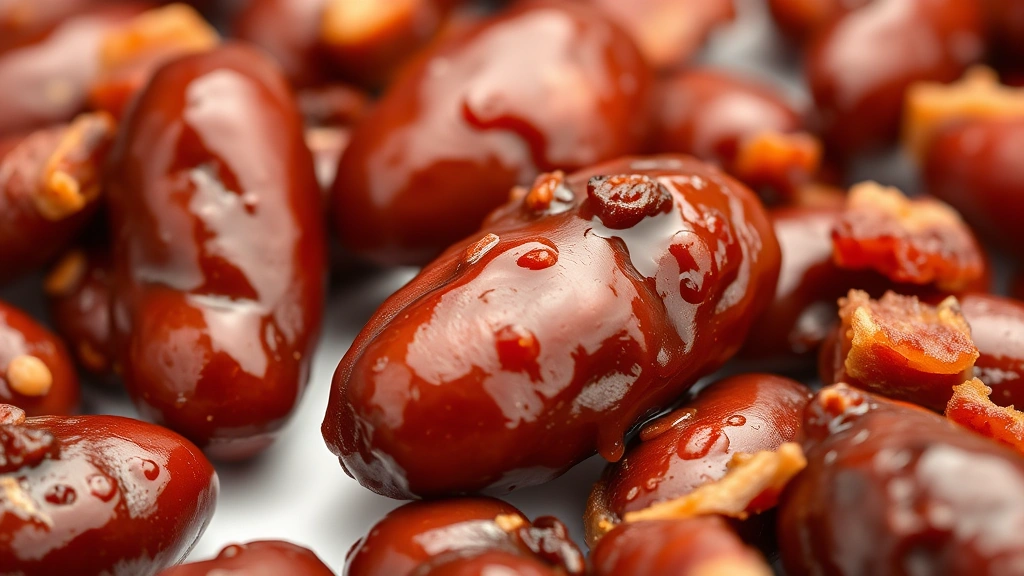
Beans should be tender enough to mash between your fingers but still hold their shape. If they’re falling apart, they’re overcooked. If they still have a hard center, they need more time. This usually happens around the 2-3 hour mark for soaked dried beans, depending on variety and altitude.
What’s the best barbecue sauce to use?
Use whatever you enjoy eating. Vinegar-based sauces from the Carolinas are lighter and tangier. Tomato-based Kansas City styles are sweeter and thicker. Texas styles are often spicier. There’s no wrong choice—pick one that matches your taste preferences and the main proteins you’re serving. If you’re uncertain, a balanced sauce with both sweetness and tang works universally.
Can I double this recipe?
Easily. Double everything except liquid—add only 50% more liquid when doubling, since there’s less evaporation with a larger volume. Cooking time stays roughly the same. This makes beans perfect for feeding a crowd, whether you’re doing a potluck spread or full barbecue.
Final Thoughts
A great bbq beans recipe isn’t complicated, but it does require attention to a few key principles: quality ingredients, proper bean preparation, layered flavor building, and patience. The difference between forgettable beans and ones people ask for the recipe is usually just time and care. Start with dried beans if you can, build your aromatics properly, and don’t rush the cooking process. These beans pair beautifully with any grilled protein, from simple burgers to smoked brisket. They’re the kind of side dish that makes people think you spent all day cooking when you actually just planned ahead and let time do the work. That’s the real craft of good barbecue—knowing when to step back and let the process work. Make a batch this weekend, and you’ll understand why these beans have been a staple at American barbecues for generations.
For cleanup after your barbecue feast, check out our guide on how to clean a rug if beans or sauce end up on your indoor spaces.


