
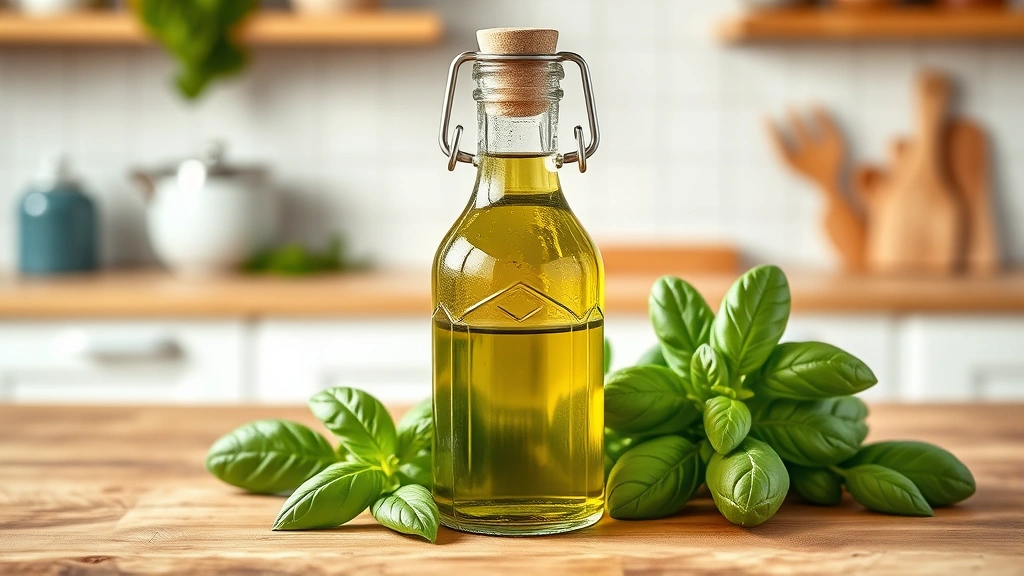
A basil oil recipe is one of the easiest infusions you can make at home, transforming fresh basil into a versatile culinary powerhouse that’ll elevate everything from salads to pasta to grilled fish. Whether you’re a seasoned cook or just starting to explore flavor-building in your kitchen, this guide walks you through creating restaurant-quality basil oil in just five straightforward steps. No fancy equipment needed—just fresh basil, quality oil, and a little patience.
Table of Contents
Choosing Your Fresh Basil
Start with the best basil you can find. Look for vibrant green leaves without browning or wilting—this is non-negotiable if you want that bright, fresh flavor in your final basil oil recipe. Sweet basil is the standard choice, though Thai basil and purple basil bring different character to the table. Hit your farmers market if possible; the quality difference between grocery store basil and farm-fresh is genuinely noticeable.
Grab about two cups of packed basil leaves for a standard batch. Strip the leaves from the stems—you want leaves only, no woody bits. Rinse them gently and pat completely dry with paper towels. Any excess moisture will dilute your oil and can introduce unwanted water content that promotes spoilage.
Selecting the Right Oil
This matters more than people think. Extra-virgin olive oil is the classic choice and works beautifully, delivering that fruity Mediterranean character. However, some folks prefer a neutral oil like grapeseed or light avocado oil if they want the basil flavor to shine without the oil’s personality competing. You’ll need about one and a half to two cups of oil for a proper infusion.
Quality counts here too. Use oil you’d actually want to eat straight from a spoon. Cheap, rancid-tasting oil won’t improve once you infuse basil into it—it’ll just make your basil oil recipe taste mediocre. Store-brand extra-virgin olive oil works fine; you don’t need the $40 bottle, but don’t grab the industrial bulk stuff either.
Prep Work and Blanching
Here’s where most home cooks skip a critical step: blanching. Bring a pot of salted water to a rolling boil and drop in your basil leaves for exactly 10-15 seconds. This stops enzyme action that causes browning and off-flavors, keeping your basil oil recipe vibrant green and fresh-tasting for weeks longer. Immediately transfer the basil to an ice bath to stop the cooking process.
After the ice bath, squeeze the basil dry—and I mean really dry. Wrap it in clean kitchen towels and press firmly to remove every drop of water. This step prevents bacterial growth and ensures your oil stays stable. Some recipes skip blanching and go straight to blending, but you’ll notice the color fade faster and the flavor turn slightly musty within days. The extra five minutes of blanching is genuinely worth it.
The Infusion Process
Combine your blanched, dried basil with your chosen oil in a blender. Blend on high speed for 60-90 seconds until the mixture is completely smooth and the basil is fully broken down into tiny particles. This creates maximum surface area for flavor extraction and gives you that gorgeous green color.
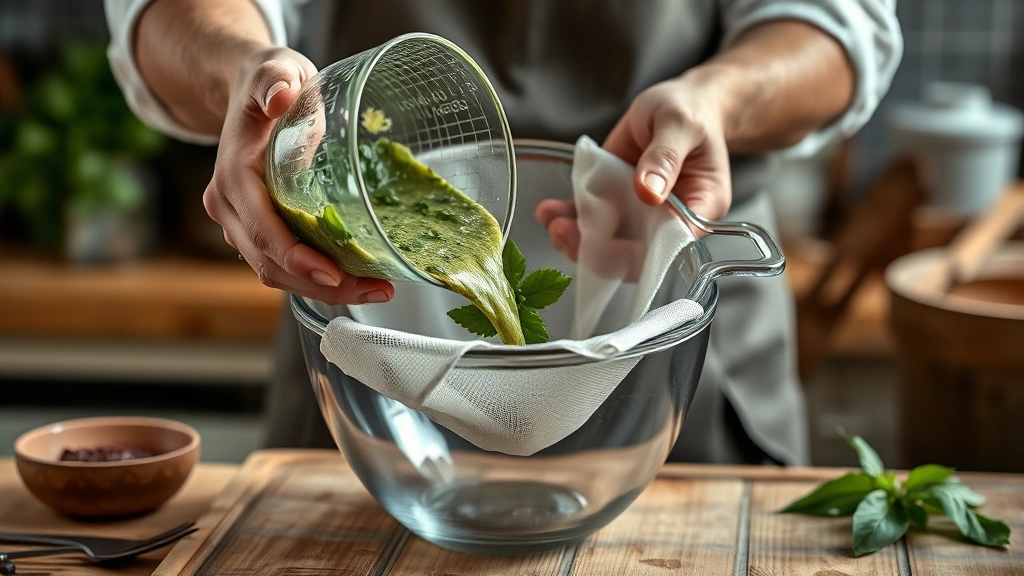
Pour the blended mixture through a fine-mesh strainer lined with cheesecloth, letting gravity do the work. Don’t squeeze or press the solids—this forces bitter compounds and water into your oil. Let it drip for 30 minutes to an hour until most liquid has passed through. For crystal-clear basil oil recipe results, strain it again through a coffee filter, though this takes longer and isn’t strictly necessary.
The result should be a vivid green oil that smells unmistakably of fresh basil. If it looks murky or brown, something went wrong in the blanching or drying phase. Toss it and start over—it’s not worth the food safety risk.
Storage and Shelf Life
Transfer your finished basil oil recipe into clean glass bottles with tight-fitting lids. Store it in the refrigerator, where it’ll keep for about two weeks before the flavor starts fading. The oil may solidify slightly when cold—this is completely normal and doesn’t indicate spoilage. Just let it sit at room temperature for a few minutes before using.
For longer storage, freeze your basil oil in ice cube trays, then pop the frozen cubes into freezer bags. This gives you perfect portions that last three to four months. It’s brilliant for winter cooking when fresh basil is scarce and expensive. Label everything with the date—it’s easy to forget when you made something once it’s in the freezer.
Never store basil oil at room temperature for extended periods. The combination of herbs and oil creates a low-acid environment where botulism can theoretically develop. Keep it cold, keep it clean, and you’re safe.
Creative Flavor Variations
Once you’ve mastered the basic basil oil recipe, branch out. Add a handful of pine nuts or toasted walnuts before blending for a pesto-adjacent oil. Throw in a few cloves of garlic, a squeeze of lemon juice, or some grated Parmesan for dimension. A pinch of red pepper flakes adds heat without overpowering the basil.
Try mixing basil with other fresh herbs—parsley, oregano, or mint all play nicely together. The technique stays identical; only the flavor profile changes. Some cooks add a small amount of honey or balsamic vinegar for complexity, though this slightly reduces shelf life. Experiment with small batches until you find combinations you love, then scale up.
Using Your Basil Oil
Drizzle finished basil oil over tomato soup, fresh mozzarella, or grilled vegetables. Use it to finish pasta dishes instead of stirring in fresh basil at the end. Brush it on grilled fish or chicken right before serving for a flavor boost that looks professional. It’s phenomenal as a dipping oil for crusty bread—pair it with steamed vegetables for a simple appetizer.
Whisk basil oil into vinaigrettes for salads, or use it as a finishing drizzle on soups and risotto. It’s not ideal for high-heat cooking since the delicate basil flavor burns away, so save it for raw applications or last-minute additions. Think of it as a flavor accent, not a cooking medium.
Professional chefs use basil oil to plate dishes with visual impact. A few drops around the plate add color and flavor simultaneously. Your homemade version costs a fraction of the bottled stuff and tastes noticeably fresher.
Common Mistakes to Avoid
Skipping the blanching step leads to discoloration and off-flavors—don’t do it, even though it feels like extra work. Using wet basil introduces water that promotes spoilage and dilutes your oil’s flavor. Not straining thoroughly enough leaves sediment that settles and can encourage bacterial growth.
Storing at room temperature is a food safety gamble. Keep your basil oil recipe in the fridge, period. Using low-quality oil wastes good basil—you’ll taste the mediocre oil, not the fresh herb. Blending for too short a time leaves visible basil particles that settle and look unappealing; blend until it’s completely smooth.
Don’t add water-based ingredients like vinegar or lemon juice unless you’re using them immediately. Water and oil don’t mix, and that boundary is where bacteria love to party. If you want acid in your oil, use preserved lemon or add the acid only when you’re ready to use the oil.
Frequently Asked Questions
How long does homemade basil oil last?
Refrigerated basil oil stays fresh for two to three weeks. Frozen in ice cube trays, it lasts three to four months. The flavor gradually fades over time, so use it sooner rather than later for the brightest taste.
Can I use dried basil instead of fresh?
Not really. Dried basil is already concentrated and lacks the fresh, bright character that makes this basil oil recipe special. The whole point is capturing that fresh-picked flavor. Stick with fresh basil for the best results.
Why does my basil oil turn brown?
Skipped or insufficient blanching allows enzymes to oxidize the chlorophyll, turning it brown. Make sure you blanch for exactly 10-15 seconds and immediately ice-bath. Also, improper storage temperature accelerates this process.
Is it safe to make garlic-infused basil oil?
Yes, but use it quickly—within a few days. Garlic in oil without proper preservation creates a botulism risk if stored long-term. Treat garlic-basil oil as a fresh condiment, not a shelf-stable product.
Can I use a food processor instead of a blender?
A food processor works but produces slightly less smooth results. You might need to strain more carefully or run it longer to break down the basil completely. A blender gives more consistent texture.
What’s the difference between basil oil and basil pesto?
Basil oil is just basil and oil, creating a pure flavor concentrate. Pesto adds nuts, cheese, and garlic, making it thicker and more of a finished sauce. They’re different products with different uses.
Final Thoughts
Making a basil oil recipe at home is genuinely simple once you understand the why behind each step. Blanch to preserve color and flavor. Dry thoroughly to prevent spoilage. Blend completely for smooth texture. Strain patiently for clarity. Store cold for safety and longevity. Follow these principles and you’ll create something that tastes noticeably better than anything you can buy.
Start with a single batch using the basic method. Once you nail the technique, explore variations. Add garlic, mix in other herbs, experiment with different oils. The skills you learn making basil oil apply to infusing other herbs too—think cilantro oil, oregano oil, or parsley oil. You’re not just making a condiment; you’re building a toolkit for elevating everyday cooking.
Keep your finished basil oil recipe visible in the fridge as a reminder to use it. Drizzle it generously. Share bottles with friends. Use it as a starting point for creative cooking projects. The effort you invest in making this oil pays dividends every time you cook, transforming simple dishes into something with restaurant-quality polish. That’s the whole point of learning to make things at home—not just saving money, but creating something genuinely better than the alternative.


