
If you’ve had bariatric surgery or are considering it, bariatric recipes are your secret weapon for staying on track and actually enjoying what you eat. Most people think post-surgery eating means bland chicken and steamed vegetables forever—but that’s just not true. I’ve spent years helping folks navigate their weight loss journey, and the ones who succeed are the ones who learn to cook smart, tasty meals that fit their new lifestyle. Let’s dig into practical, delicious recipes that’ll keep you satisfied without derailing your progress.
Table of Contents
Why Bariatric Recipes Matter
Here’s the reality: after bariatric surgery, your stomach is smaller—sometimes dramatically smaller. You can’t just eat regular portions and call it a day. Your body needs nutrient-dense foods that pack a punch in small amounts. That’s where solid bariatric recipes come in. They’re designed to maximize protein intake, minimize empty calories, and keep you from getting bored.
The difference between random eating and following proper recipes is the difference between someone who keeps the weight off and someone who struggles. Good bariatric recipes account for protein-to-calorie ratios, texture (because your new stomach can be picky), and nutrition density. They’re not punishment—they’re tools that make your journey easier.
Protein-Packed Breakfast Ideas
Breakfast sets the tone for your entire day. You need something that’ll keep you full and focused without overdoing portion sizes. Here are three solid options:
Greek Yogurt Parfait: Mix a half-cup of non-fat Greek yogurt with a quarter-cup of berries and a tablespoon of almonds. That’s about 15 grams of protein in a small bowl. The texture is smooth, easy to digest, and the natural sweetness from berries means you’re not craving sugar by mid-morning.
Egg Scramble with Veggies: Two eggs scrambled with spinach, tomatoes, and a slice of low-fat cheese gives you roughly 18 grams of protein. Cook it on a properly maintained Blackstone or non-stick pan so you’re not adding extra oil. The vegetables add volume without calories, which tricks your brain into feeling fuller.
Protein Smoothie: Blend one scoop of whey protein powder, half a banana, and a quarter-cup of unsweetened almond milk. You can prevent fruit from oxidizing by blending right before drinking. This is your grab-and-go option when time’s tight.
Satisfying Lunch Options
Lunch is where a lot of people stumble because they’re tempted by convenience foods. Fight that urge with these bariatric-friendly options:
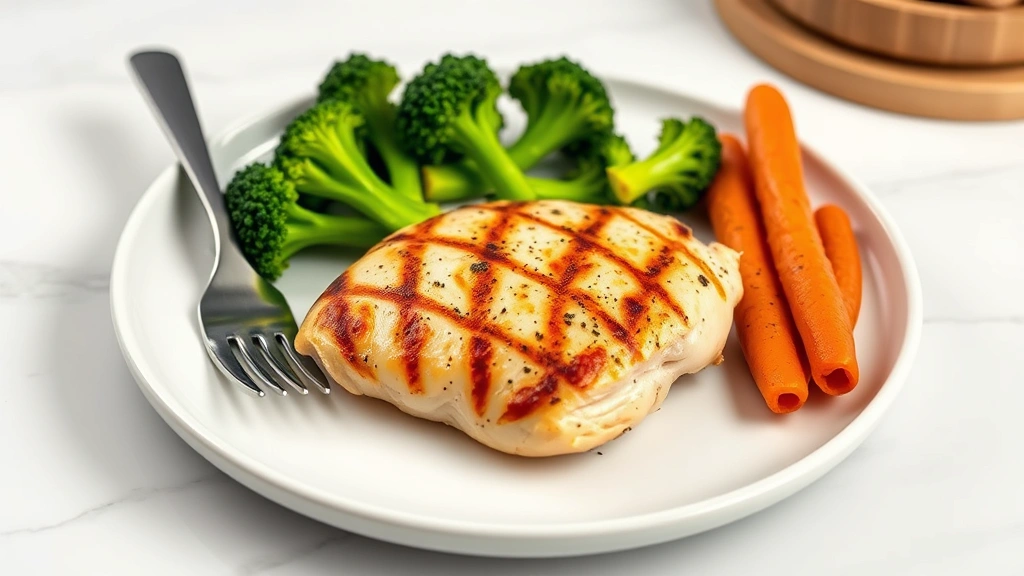
Grilled Chicken with Steamed Broccoli: A three-ounce chicken breast (about the size of a deck of cards) with a half-cup of steamed broccoli. Learn how to steam broccoli in your microwave for a quick, nutrient-packed side. This meal is portable, protein-rich, and costs almost nothing.
Turkey and Vegetable Wrap: Use a whole-wheat tortilla (small size), add three ounces of sliced turkey, lettuce, tomato, and mustard. Skip the mayo—it’s calorie-dense and adds nothing nutritionally. Roll it up and you’ve got a balanced meal that’s easy to eat slowly.
Tuna Salad (Modified): Mix three ounces of canned tuna with a tablespoon of light mayo, celery, and onion. Serve over a bed of spinach. The tuna provides omega-3 fatty acids and protein, while the spinach adds volume and micronutrients. You’re looking at about 20 grams of protein here.
Dinner Meals That Stick
Dinner is your chance to eat something that feels a bit more special. These recipes prove you’re not condemned to boring food:
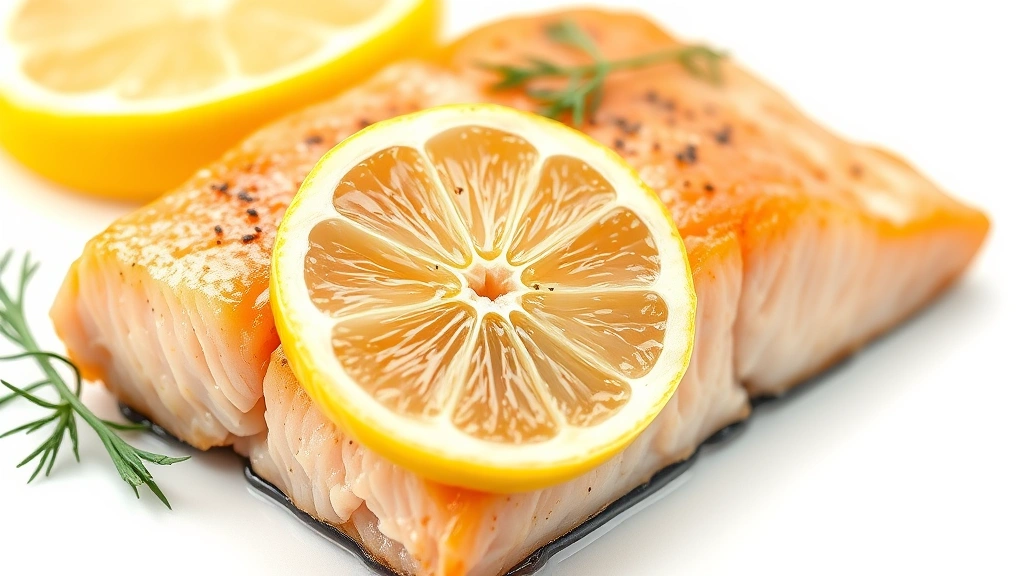
Baked Salmon with Roasted Vegetables: A three-ounce salmon fillet (rich in protein and healthy fats) with a quarter-cup of roasted carrots and zucchini. Season with lemon and herbs—flavor costs nothing. Salmon is easier to digest than red meat and keeps you satisfied longer.
Lean Ground Turkey Tacos: Brown three ounces of 93/7 ground turkey with taco seasoning, serve in a small corn tortilla with salsa and a tablespoon of Greek yogurt instead of sour cream. You get the taco experience without the calorie overload. Corn tortillas are often easier on smaller stomachs than flour.
Slow-Cooked Pork with Vegetables: If you’re curious about low-and-slow cooking, understanding how long it takes to smoke a pork butt helps you plan ahead. For bariatric purposes, stick with three ounces of tender, shredded pork. The slow-cooking process breaks down the meat, making it easier to eat in small portions.
Smart Snacking Strategies
Snacking after bariatric surgery is tricky. Your goal is protein without excess calories. Here’s what works:
Cheese and Nuts: One ounce of low-fat cheese with 10-12 almonds. This combo gives you protein, fat for satiety, and takes time to eat. Don’t mindlessly munch—portion it out first.
Cottage Cheese: A quarter-cup of low-fat cottage cheese with a few berries. It’s creamy, protein-packed, and satisfying. Some people find it easier to digest than other dairy.
Protein Bar: Choose one with at least 15 grams of protein and less than 150 calories. These are lifesavers when you’re out and about, though whole foods should be your primary snack.
Avoid the temptation to snack on caramel popcorn or other sugary treats—they’re calorie-dense and provide zero nutrition for your new reality.
Cooking Techniques for Success
How you cook matters as much as what you cook. After bariatric surgery, your digestion is more sensitive. Here’s what I recommend:
Grilling and Baking: These methods add flavor without extra fat. A grill gives you those nice char marks and taste without oil. Baking in the oven is foolproof—set it and forget it.
Steaming: Vegetables steamed rather than boiled retain more nutrients. You’re not leaching vitamins into water. Plus, steamed veggies have better texture—not mushy.
Slow Cooking: This breaks down meat fibers, making it tender and easier to digest. It’s perfect for batch cooking on weekends.
Avoid Deep Frying: Fried foods are calorie-dense and harder on your digestive system. Your new stomach will thank you for skipping them.
Common Mistakes to Avoid
I’ve seen people sabotage themselves with these habits. Don’t be that person:
Eating Too Fast: Your brain takes 20 minutes to register fullness. Slow down. Chew thoroughly. This is non-negotiable. Eating too fast causes dumping syndrome and discomfort.
Drinking with Meals: Liquid fills your small pouch quickly, leaving no room for protein. Drink water 30 minutes before or after eating, not during.
Choosing Low-Fat Everything: You need some fat for absorption of vitamins and satiety. Low-fat is often high-sugar. Choose full-fat Greek yogurt and real cheese in moderation.
Skipping Protein: This is the biggest mistake. Protein preserves muscle during weight loss. If you’re not hitting 60-80 grams daily, you’re doing it wrong.
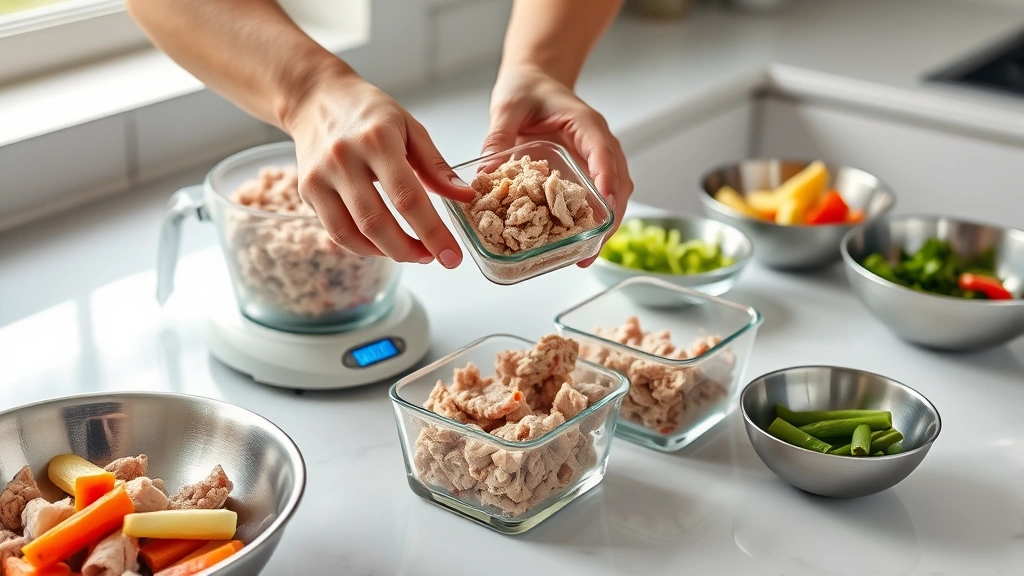
Not Tracking Intake: You can’t manage what you don’t measure. Use a food scale and app for the first few months until portions become intuitive.
Meal Prep Like a Pro
Sunday meal prep is your best friend. Here’s how to do it efficiently:
Cook Proteins in Bulk: Grill four or five chicken breasts, brown a pound of ground turkey, bake salmon fillets. Portion them into small containers. You’ll grab them throughout the week without thinking.
Prep Vegetables: Cut up broccoli, carrots, and bell peppers. Store them in containers with a damp paper towel to keep them fresh. When you’re hungry, you’re not tempted by junk because healthy food is right there.
Make Egg Muffins: Mix eggs with diced vegetables, pour into muffin tins, and bake. You’ve got grab-and-go breakfasts for five days. They freeze beautifully.
Portion Snacks: Put almonds, cheese, and berries into small containers. Pre-portioning eliminates the “just a handful” mentality that derails progress.
The goal is making the healthy choice the easy choice. When protein is ready to go, you eat protein. When junk requires effort, you skip it.
Frequently Asked Questions
How soon after surgery can I start eating bariatric recipes?
Your surgeon will give you a timeline, typically progressing from liquids (days 1-7) to pureed foods (weeks 2-4) to soft foods (weeks 5-8) before regular foods. Don’t rush this process. Your surgical site needs time to heal, and your body needs to adjust. Follow your surgeon’s guidelines exactly.
Can I use these recipes if I haven’t had surgery?
Absolutely. These recipes focus on high protein, reasonable portions, and nutrient density—principles that work for anyone wanting to lose weight or eat healthier. You might just need to adjust portion sizes upward. The fundamentals are solid regardless of your situation.
What about cravings for sweets and carbs?
They happen. Instead of fighting them, work with them. A small serving of sugar-free pudding, a few berries, or a protein bar can satisfy cravings without derailing progress. If you’re using semaglutide to suppress appetite, cravings often diminish naturally over time anyway.
How much should I eat at each meal?
Most bariatric patients start with three to four ounces per meal and work up to five to six ounces as tolerated. This varies by individual and surgery type. Your nutritionist will give you specific guidance. Use a food scale until you can eyeball portions accurately.
Are there foods I should never eat again?
Not “never,” but certainly “rarely.” High-sugar foods, fried foods, and calorie-dense items with minimal nutrition are problematic. They can cause dumping syndrome, provide empty calories, and trigger cravings. Focus on what you can eat rather than what you can’t.
Can I eat out with bariatric recipes in mind?
Yes, but you need a strategy. Order grilled proteins, ask for vegetables instead of sides, and request sauces on the side. Eat slowly and stop when satisfied—not when your plate is empty. Most restaurants will accommodate reasonable requests.
What if I’m not losing weight despite following recipes?
First, verify you’re actually following portion sizes—many people underestimate intake. Second, check your protein and water intake. Third, consider whether stress, sleep, or hormones are affecting progress. Finally, talk to your surgeon or nutritionist. Sometimes adjustments are needed.
Wrapping It Up
Success with bariatric recipes isn’t about restriction—it’s about strategy. You’re learning to eat in a way that supports your new body and your goals. The recipes I’ve shared here are tested, practical, and actually enjoyable. They prove you can lose weight without suffering through bland, boring meals.
Start with one or two recipes you genuinely like. Master them. Then expand. Build a rotation of meals you actually want to eat. When eating well becomes routine rather than a chore, that’s when lasting change happens. You’ve got this—now get in that kitchen and start cooking.


