
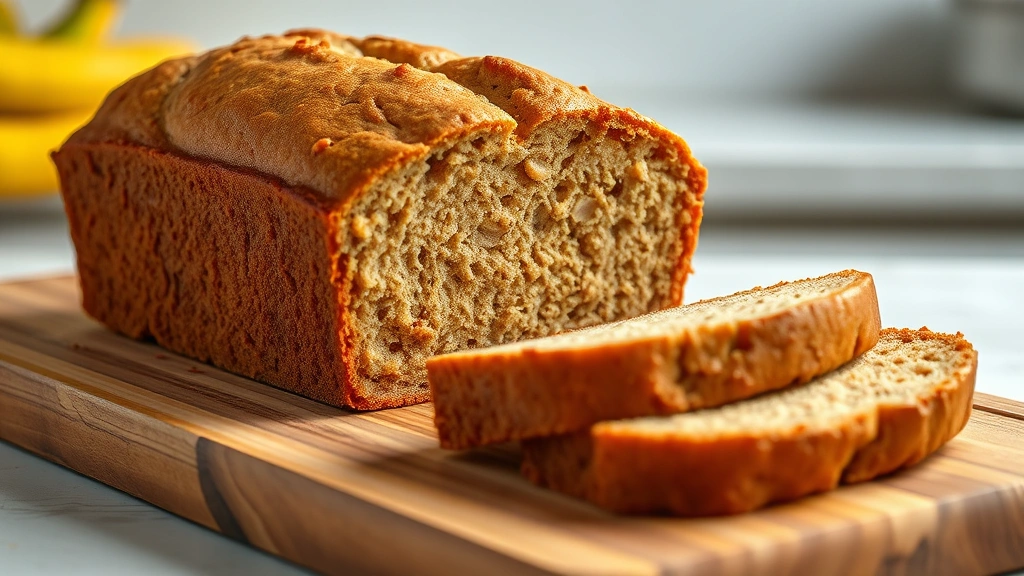
A banana bread recipe is one of those kitchen staples that separates the “I can actually cook” folks from the takeout-dependent crowd. If you’ve got overripe bananas sitting on your counter and you’re tired of throwing them away, this is your moment. I’m going to walk you through making a banana bread recipe that comes out moist, flavorful, and honestly foolproof—no fancy equipment or baking degree required.
Table of Contents
Why Banana Bread Works
Banana bread is basically the gateway drug to home baking. Unlike cookies or cakes that demand precision, banana bread is forgiving. The natural sugars and moisture in bananas do most of the heavy lifting for you. That’s why this banana bread recipe has become a household favorite—it’s nearly impossible to mess up if you follow a few basic rules.
The magic happens because bananas contain pectin, a natural thickener that keeps your loaf tender. They also provide natural sweetness, so you’re not dumping in excessive sugar. Plus, overripe bananas (the ones you’d normally toss) are actually what you want here. They’re sweeter and more flavorful than firm ones.
Choosing the Right Bananas
This is the make-or-break step for your banana bread recipe. You want bananas that look like they’ve seen better days—brown spots all over, slightly soft when you squeeze them gently. That’s peak ripeness for baking. The starches have converted to sugars, and the fruit breaks down easier when mixed into batter.
If your bananas are still yellow and firm, they’ll work, but your bread won’t be as flavorful or moist. Conversely, if they’re black and mushy, you’ve hit the jackpot for sweetness. One pro tip: if you’re not ready to bake yet, peel those ripe bananas, slice them, and freeze them in a bag. They’ll keep for weeks and work perfectly in this banana bread recipe when you’re ready.
Ingredients You’ll Actually Use
Let’s keep this simple. For one standard loaf, you need:
- 3-4 overripe bananas (about 1 cup mashed)
- 1/3 cup melted butter or oil
- 3/4 cup sugar
- 1 egg, beaten
- 1 teaspoon vanilla extract
- 1 teaspoon baking soda
- 1/4 teaspoon salt
- 1 1/2 cups all-purpose flour
- Optional: 1/2 cup chopped nuts, 1/2 cup chocolate chips
That’s it. No fancy ingredients. No almond flour or coconut oil unless you want to get creative. This banana bread recipe works with what’s already in your pantry. If you’re concerned about moisture, you can also add a tablespoon of applesauce or similar fruit puree to boost the wet ingredients without adding more sugar.
The Wet & Dry Method
This is where most home bakers go wrong. They dump everything together and wonder why their banana bread recipe comes out dense or dry. The secret is separating your wet and dry ingredients, then combining them gently.
Wet ingredients: Mash your bananas in a bowl until mostly smooth (a few small lumps are fine—they add texture). Stir in melted butter, sugar, beaten egg, and vanilla. Mix until combined but don’t overwork it.
Dry ingredients: In a separate bowl, whisk together flour, baking soda, and salt. This distributes the leavening agent evenly, which is crucial for even rise.
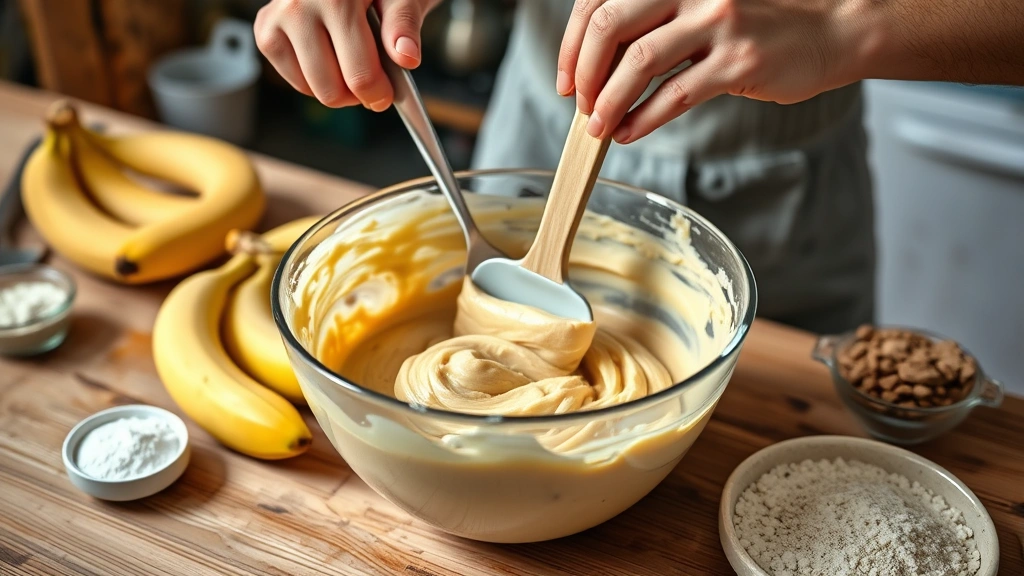
Combining: Pour the wet mixture into the dry ingredients. Fold gently with a spatula or wooden spoon until just combined. You want some lumps visible. Overmixing develops gluten, which makes banana bread tough and dense. This is the opposite of what you want.
Mixing Without the Mess
Use a rubber spatula or wooden spoon, not an electric mixer. Seriously. A mixer will overwork the batter and ruin your banana bread recipe’s texture. Fold the wet into the dry with about 10-15 gentle strokes. If you see dry flour streaks, do a few more folds. The moment you don’t see flour, stop.
If you’re adding nuts or chocolate chips, fold those in last. They distribute more evenly when the batter is mostly mixed. This technique takes 90 seconds and makes a huge difference in your final loaf.
Baking & Timing
Preheat your oven to 350°F (175°C). Grease a standard loaf pan (9×5 inches) with butter or cooking spray. Pour your batter in and smooth the top slightly with a spatula.
Bake for 55-65 minutes. Every oven runs hot or cool, so start checking at 55 minutes. Insert a toothpick into the center—it should come out with a few moist crumbs, not completely clean (that means overbaked) and not wet (that means underbaked). The top should be golden brown.
Let the bread cool in the pan for 10 minutes, then turn it out onto a wire rack to cool completely. This prevents the bottom from getting soggy. If you don’t have a wire rack, just set it on a plate or cutting board—anything that lets air circulate underneath.
Secrets to Staying Moist
The difference between dry, crumbly banana bread and moist, tender banana bread comes down to three things:
First, don’t overbake. That toothpick test is your friend. Even five minutes too long dries things out.
Second, use enough fat. Butter and oil keep baked goods moist. Don’t try to cut corners here. If you’re using oil instead of butter, use the same amount—it actually hydrates the crumb better than butter.
Third, store it right. Once cooled, wrap your banana bread recipe loaf in plastic wrap or aluminum foil. Store it at room temperature for 2-3 days. The bread actually continues to set and become more moist as it sits. If you want to keep it longer, freeze it wrapped tightly for up to three months.
Common Mistakes & Fixes
Loaf is dense and heavy: You overmixed the batter. Fold gently next time. Also check that your baking soda hasn’t expired—old leavening agents won’t give you proper rise.
Top cracks deeply: This happens with banana bread and isn’t a failure. It’s actually a sign of proper baking. If you hate the look, cover the pan loosely with foil for the first 20 minutes of baking.
Loaf is dry throughout: You either overbaked it or didn’t use enough wet ingredients. Make sure your bananas are truly overripe and that you’re not substituting ingredients without adjusting ratios. Some bakers add a tablespoon of sour cream or yogurt for extra moisture.
Loaf didn’t rise much: Your baking soda is dead. Check the expiration date. Also, make sure you’re not opening the oven door constantly—banana bread needs stable heat to rise properly.
Uneven baking: Your oven has hot spots. Rotate the pan halfway through baking. If one side always burns, that’s where your oven runs hot.
Banana Bread Recipe Variations
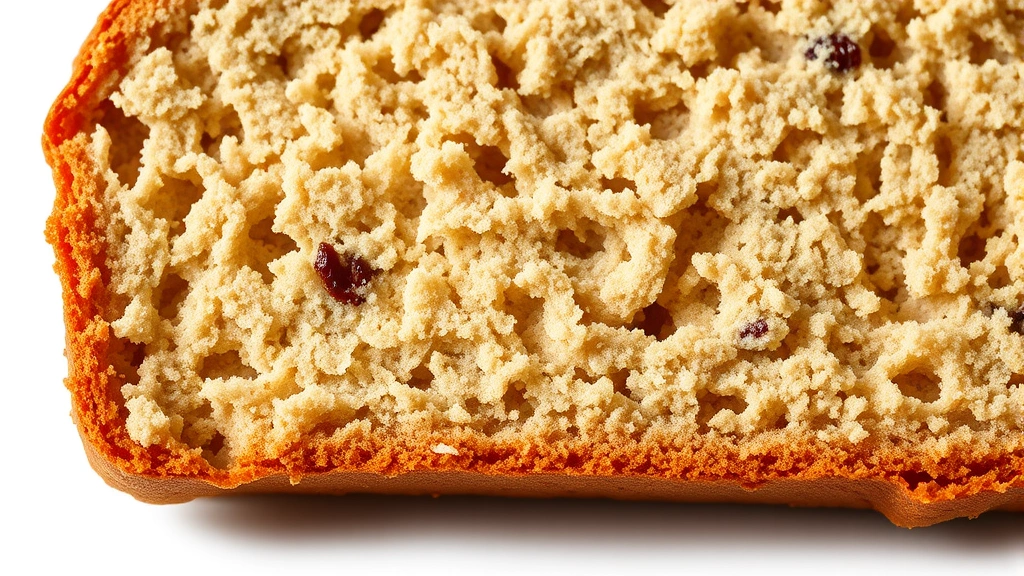
Once you nail the basic recipe, experiment. Add a tablespoon of cinnamon or nutmeg to the dry ingredients for spiced banana bread. Swap half the flour for whole wheat flour for a nuttier flavor. Add chocolate chips, walnuts, or pecans. Some people even add a handful of raisins or dried cranberries.
The beauty of this banana bread recipe is its flexibility. The basic structure stays the same—wet ingredients, dry ingredients, gentle folding—but the flavor variations are endless. You could even experiment with tropical additions like dried pineapple if you’re feeling adventurous.
Frequently Asked Questions
Can I use frozen bananas for this banana bread recipe?
Absolutely. Thaw them completely and drain any excess liquid. Frozen bananas actually work great because they’re often softer and sweeter than fresh ones. Just make sure to squeeze out the water—too much liquid throws off your ratios.
What if I don’t have a loaf pan?
Use a round cake pan, muffin tin, or even a bread-shaped baking dish. Adjust baking time accordingly. Muffins bake in 18-22 minutes, while a larger pan might take 70 minutes. Check with your toothpick test.
Can I make banana bread without eggs?
Yes. Replace one egg with 1/4 cup applesauce, one mashed banana, or a commercial egg replacer. Your bread might be slightly less fluffy but still delicious.
How long does banana bread last?
Room temperature: 2-3 days wrapped. Refrigerator: up to a week. Freezer: up to three months. The bread actually tastes better the next day as flavors settle.
Why is my banana bread gummy inside?
You underbaked it. The toothpick should come out with moist crumbs, not wet batter. Also make sure your oven temperature is accurate—use an oven thermometer if you suspect it’s off.
Can I double this banana bread recipe?
Yes, but bake in two pans. Don’t try to fit double batter in one pan—it won’t bake through properly. Two loaves bake simultaneously at 350°F for the same time as one.
Final Thoughts
A solid banana bread recipe is one of those kitchen skills that pays dividends. You’ll use it constantly—when you’ve got overripe bananas, when you need to bring something to a potluck, when you want a homemade breakfast without much effort. The technique is dead simple: separate wet and dry, fold gently, bake until a toothpick test says you’re done.
Start with this basic banana bread recipe, master it, then make it your own. Add spices, nuts, chocolate—whatever makes you happy. The foundation is solid, and once you understand why each step matters, you’ll be confidently making banana bread without even thinking about it.


