
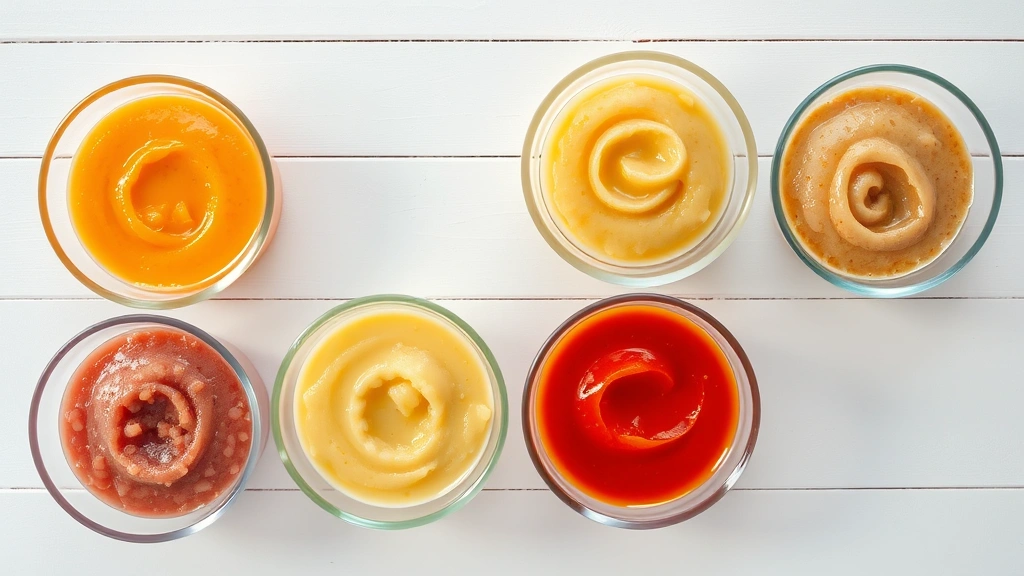
Learning to make baby puree recipes at home is one of the smartest moves you can make as a parent—it saves money, gives you complete control over ingredients, and honestly, it’s easier than most folks think. Whether you’re starting solids at six months or introducing new flavors, homemade purees beat store-bought options every single time. No weird additives, no mystery ingredients, just real food blended smooth for your little one’s developing palate.
Table of Contents
Why Homemade Purees Matter
There’s something genuinely satisfying about watching your baby discover food for the first time, and knowing exactly what went into that bowl makes the experience even better. Commercial baby food works fine for convenience, but when you’re making baby puree recipes at home, you’re building a foundation for healthy eating habits right from the start.
Homemade purees cost about a third of what jarred versions run, and you’ll get fresher nutrients. Store-bought options sit on shelves; yours goes from your blender to your baby’s mouth within hours. Plus, you control the texture progression—from silky-smooth for first tastes to slightly chunky as your baby develops.
Essential Equipment You’ll Need
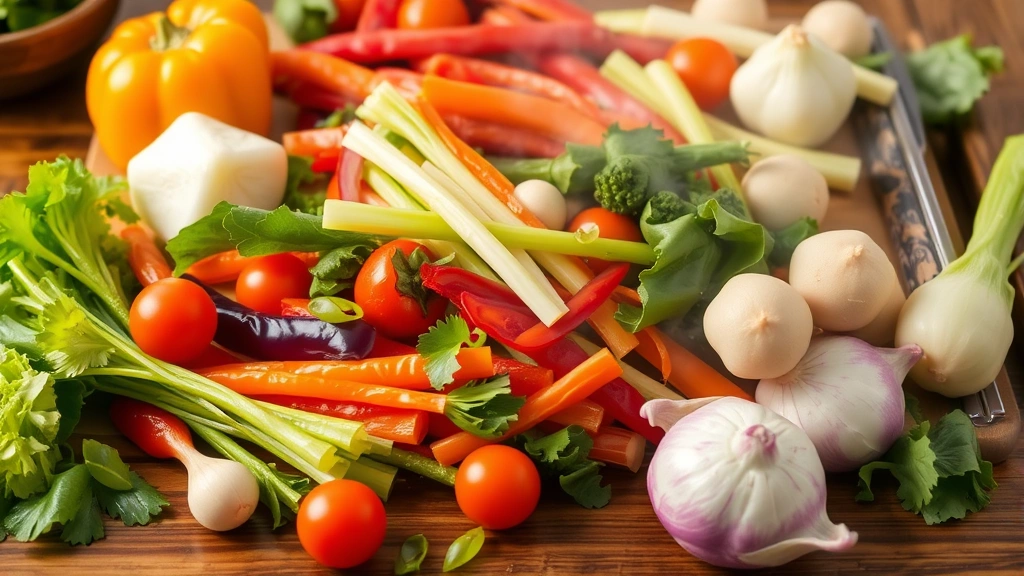
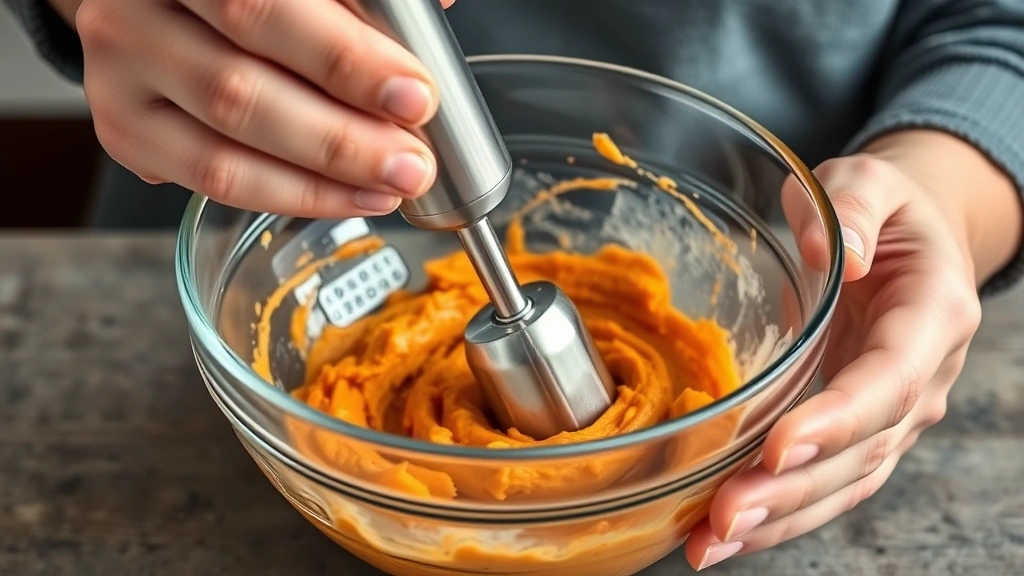
You don’t need fancy gadgets, but a few key tools make the job infinitely easier. A basic blender or food processor handles 90% of the work. An immersion blender works great for smaller batches and requires less cleanup. A fine mesh strainer removes any stubborn lumps that babies shouldn’t encounter.
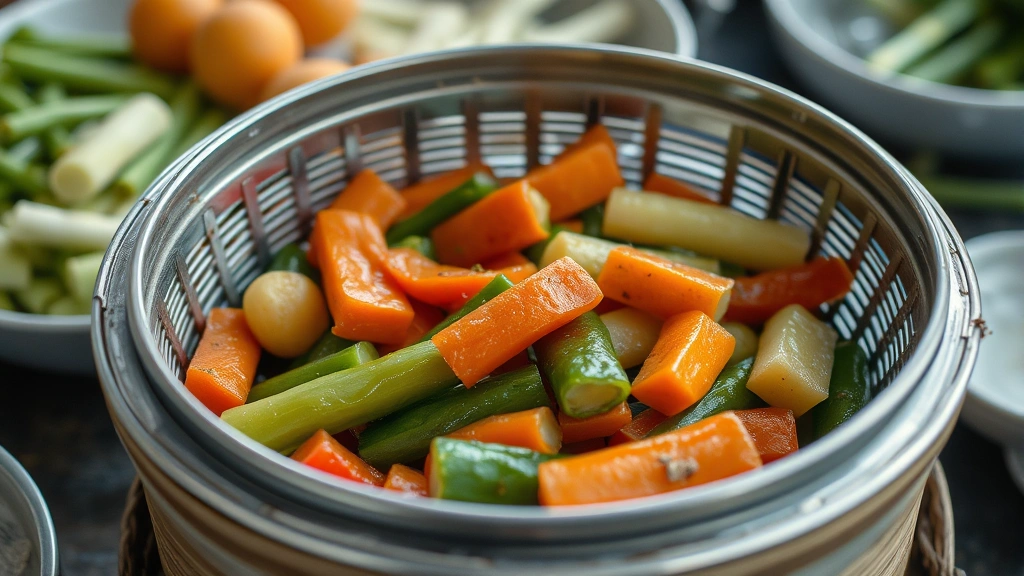
Ice cube trays become your secret weapon—freeze puree in individual portions, pop them out, and store in freezer bags. You’ll want a steamer basket or small pot for cooking vegetables gently without losing nutrients. Silicone molds designed for baby food portions are nice but optional; ice cube trays do the job perfectly.

Single-Ingredient Starter Blends
Start simple. Introduce one new food at a time so you can spot any reactions or allergies. Steam a single vegetable or fruit until soft, blend with a splash of cooking water or breast milk, and you’ve got your first baby puree recipe.
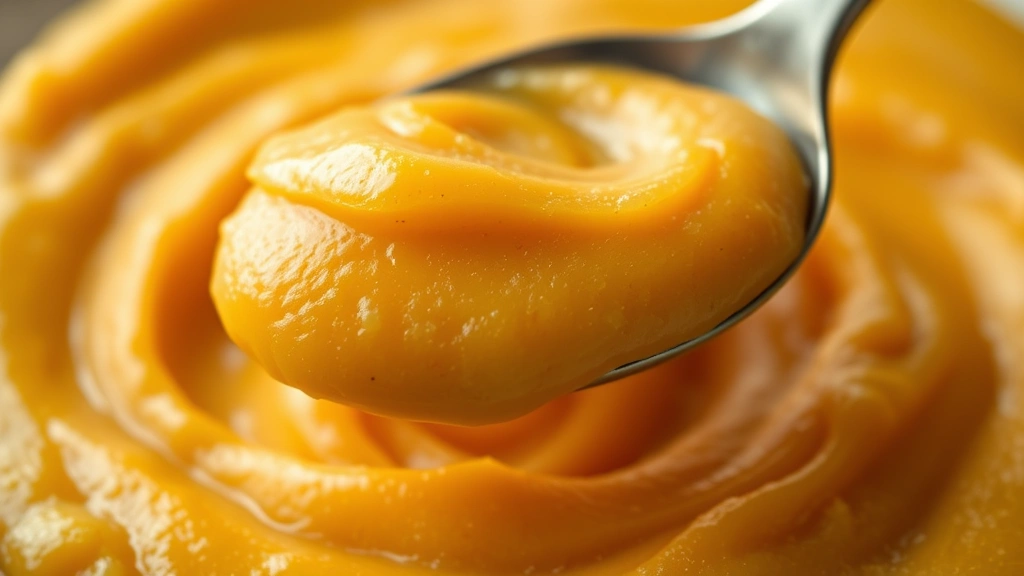
Sweet Potato: Roast or steam until completely tender, blend smooth. The natural sweetness makes this a universal favorite. Add a tablespoon of cooking water if needed.
Carrots: Steam thoroughly until a fork slides through easily. Blend with reserved steaming water. Carrots are packed with beta-carotene and have that mild sweetness babies love.
Peas: Fresh or frozen work equally well. Steam for 5 minutes, blend until completely smooth. Peas offer protein early on, which helps with development.

Avocado: Skip cooking—just scoop ripe avocado flesh, mash or blend with a tiny bit of breast milk. Raw avocado is nutrient-dense and requires zero cooking time.
Apples: Peel, core, and steam until soft. Blend with a splash of water. Apples introduce natural sweetness and fiber gently.

Prunes: Steam dried prunes or use fresh ones. Blend into a thick paste. These help with digestion naturally without forcing anything.
Flavor Combination Recipes
Once your baby tolerates individual foods, combinations introduce complexity and keep things interesting. These blend familiar tastes in new ways.

Sweet Potato & Apple Blend: Roast sweet potato, steam apple, combine equal parts. The tartness of apple balances sweet potato’s richness. Blend until silky smooth.
Carrot, Parsnip & Pear: Steam carrots and parsnips together, add steamed pear. The parsnip adds earthiness while pear provides gentle sweetness and fiber. This teaches your baby that vegetables and fruit pair naturally.
Pea, Spinach & Potato: Steam all three until tender, blend together. Spinach adds iron and minerals without overpowering the mild flavors of peas and potato. The potato creates a creamy texture without dairy.
Banana, Avocado & Breast Milk: No cooking needed. Mash ripe banana and avocado together, thin with expressed breast milk to desired consistency. This is pure nutrition in minutes.
Prune, Pear & Cinnamon: Steam prunes and pear, add a pinch of cinnamon. The spice introduces flavor complexity early. Cinnamon has zero sugar and adds warmth.
Butternut Squash & Sage: Roast squash, add a single tiny leaf of fresh sage while blending. Herbs introduced early expand your baby’s palate significantly. Use sage sparingly—it’s potent.
Storage and Safety Guidelines
Proper storage prevents waste and keeps your baby safe. Refrigerated purees last 48 hours maximum—no exceptions. Frozen purees stay good for three months in airtight containers.
Use ice cube trays for portion control. Once frozen solid (usually 24 hours), pop cubes into labeled freezer bags with the date and contents written clearly. Each cube typically equals one serving, making feeding simple.

Never refreeze thawed puree. Thaw overnight in the refrigerator, use within 24 hours. When serving, warm gently in a bowl of warm water—never microwave, which creates hot spots that burn tiny mouths.
Sterilize all equipment before your baby’s first foods. After that, hot soapy water suffices. Keep your work area clean, wash hands before preparing food, and use clean utensils throughout.

Transitioning to Thicker Textures
Around seven to eight months, start introducing slightly thicker purees. Instead of completely smooth, leave tiny soft lumps. This teaches your baby to chew and develops oral motor skills.
Gradually reduce liquid when blending. Instead of puree plus water, use less water. Mash some foods with a fork instead of blending completely. Add finely minced soft foods to smooth purees.

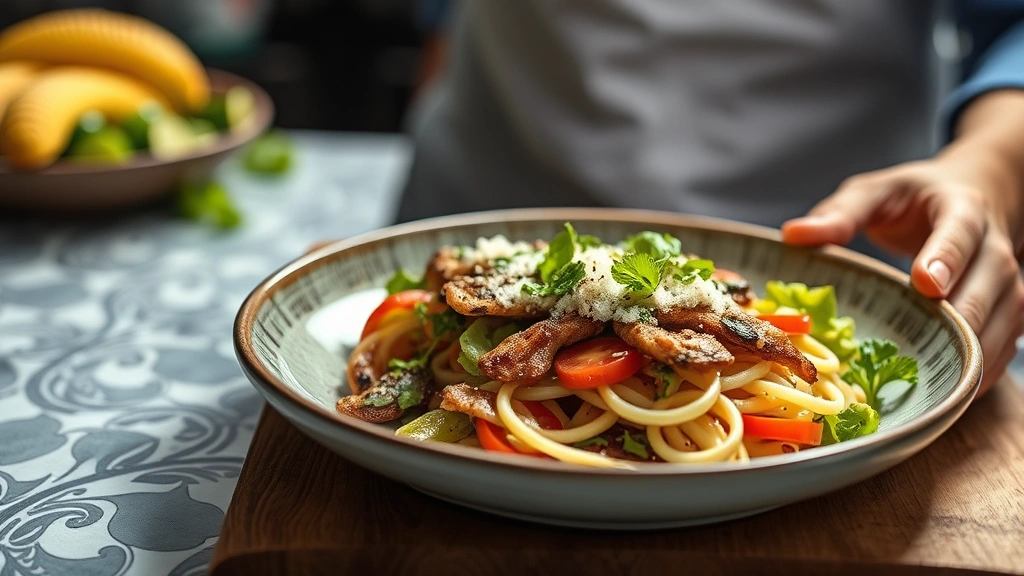
By nine to ten months, many babies handle mashed foods with visible texture. Soft pasta, tiny pieces of cooked vegetable, and flaked fish become options. Your baby’s readiness signals when to progress—watch for interest in grabbing food and attempting to self-feed.
Common Mistakes to Avoid
The biggest mistake is introducing too many foods simultaneously. Stick to one new food every three to five days. This prevents confusion about what caused any reaction.

Don’t add salt, sugar, or honey to purees. Babies’ kidneys can’t handle excess salt, added sugar creates preference for sweetness, and honey carries botulism risk under one year. Let natural flavors shine.
Avoid over-blending. Some parents blend until purees are thinner than necessary. Babies need slightly thicker consistency to develop swallowing skills properly. If it looks like water, it’s too thin.
Don’t skip the steaming step for vegetables. Raw blended vegetables are harder to digest and lack the softness babies need. Proper cooking breaks down cell walls, making nutrients available.
Never leave prepared puree at room temperature more than two hours. Bacteria multiply rapidly in the danger zone between 40°F and 140°F. Refrigerate or freeze immediately after cooking.

Batch Cooking Strategy
Set aside a few hours monthly for batch cooking. Prepare five to ten vegetables and fruits at once, blend everything, and freeze. This approach cuts weekly prep time dramatically.
Roast several sweet potatoes, carrots, and parsnips simultaneously. Steam broccoli, cauliflower, and green beans in batches. Cook grains like rice or quinoa in larger quantities. Blend each food individually, then create combinations.
Label everything clearly with contents and date. Use a permanent marker on freezer bags. Rotate stock—use oldest purees first. This system ensures you always have options ready without daily cooking.
For more detailed food preservation guidance, check out our article on how to store dry ice, which covers temperature maintenance principles applicable to frozen baby food storage.

Frequently Asked Questions
When should I start introducing baby purees?
Most babies show readiness around six months old. Signs include sitting upright with minimal support, losing the tongue-thrust reflex that pushes food out, and showing interest in food. Always consult your pediatrician before starting solids.
Can I use frozen vegetables for baby puree recipes?
Absolutely. Frozen vegetables are picked at peak ripeness and frozen immediately, preserving nutrients. They’re often fresher than fresh produce that’s traveled long distances. Thaw before cooking or cook from frozen—both work fine.

How do I know if my baby is ready for thicker purees?
Watch for your baby managing smooth purees without gagging, showing interest in grabbing food, and attempting to self-feed. These signals indicate readiness for progression. Never rush texture changes—let your baby lead.
Are organic vegetables necessary for baby purees?
Organic is ideal but not mandatory. If budget is tight, focus on organic for the “dirty dozen”—produce with highest pesticide residues like strawberries, spinach, and apples. Conventional produce that’s thoroughly washed is safe.

Can I add spices to baby purees?
Yes, introduce mild spices early. Cinnamon, mild curry powder, and herbs like sage expand your baby’s palate. Avoid salt, excess sugar, and very hot spices. Start with tiny amounts and watch for reactions.
How long does homemade baby puree last frozen?
Properly frozen purees last three months. Use airtight containers or freezer bags, removing excess air. Label with date and contents. After three months, quality degrades—the puree is still safe but loses nutrients and flavor.
What if my baby refuses a puree?
Don’t force it. Babies have preferences just like adults. Try again in a few days—tastes develop over time. Mix refused foods with accepted ones. Sometimes presentation matters—try different temperatures or textures.
Can I make baby puree recipes with meat?
Definitely. Cook lean meat thoroughly, blend until completely smooth, and thin with broth if needed. Chicken, turkey, and beef offer protein and iron. Start with single-ingredient meat purees before combining with vegetables.
Conclusion
Making baby puree recipes at home transforms feeding time from a chore into an opportunity. You’re not just feeding your baby—you’re introducing flavors, teaching about real food, and building healthy eating foundations that last a lifetime. Start simple with single ingredients, progress to combinations as your baby develops, and adjust textures based on readiness.
The investment in time pays dividends. Your baby gets fresh, nutrient-dense food without additives. You know exactly what’s going into every bite. And honestly, the satisfaction of watching your little one discover new flavors makes every batch worth the effort. Keep it simple, stay consistent, and trust that you’re doing this right.


