
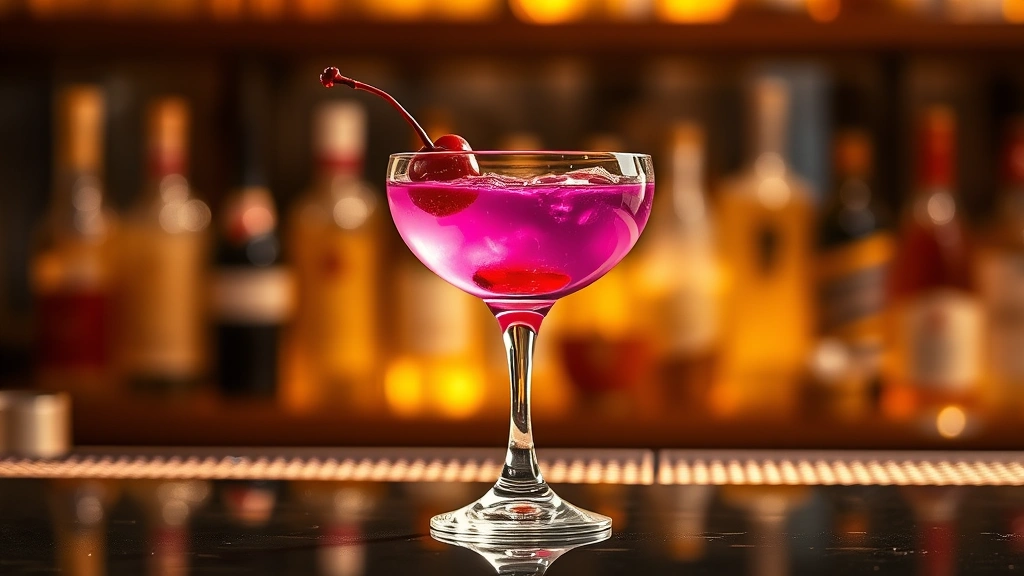
An aviation cocktail recipe is one of those classic drinks that looks fancy but takes just five minutes to master—no bartender degree required. This gin-based beauty with its delicate floral notes and smooth finish has been turning heads since the 1920s, and once you nail the technique, you’ll understand why it’s still a favorite among serious cocktail enthusiasts.
Table of Contents
What Is an Aviation Cocktail?
The aviation cocktail recipe is a pre-Prohibition classic that showcases gin as its star ingredient. Think of it as the sophisticated cousin of a martini—it’s got depth, complexity, and a whisper of floral elegance that makes people pause mid-sip and ask, “What is that?” The drink combines gin with maraschino liqueur, crème de violette, and fresh lemon juice to create something that’s both tart and smooth, with subtle floral undertones that dance across your palate.
This drink isn’t just about taste—it’s about understanding how different ingredients play together. The beauty of mastering an aviation cocktail recipe is that it teaches you fundamental bartending principles you can apply to countless other drinks. Once you understand the balance here, you’re on your way to becoming someone who can craft excellent cocktails.
Ingredients You Need
Here’s what goes into a proper aviation cocktail recipe:
- 2 oz gin (London Dry style works best)
- 0.5 oz maraschino liqueur (like Luxardo)
- 0.25 oz crème de violette (the secret ingredient)
- 0.75 oz fresh lemon juice (never use bottled)
- Ice (fresh, quality ice matters)
- Cherry for garnish (optional but traditional)
The ingredient quality here is non-negotiable. You’re working with small amounts, so every element matters. Cheap gin will taste cheap, bottled lemon juice will taste flat, and low-quality maraschino will make your drink taste artificial. Think of it like cooking—you wouldn’t use stale flour for a cake, and you shouldn’t use mediocre spirits for cocktails.
The Technique Matters
Unlike just pouring drinks together, an aviation cocktail recipe demands proper technique. This isn’t snobbery—it’s physics. You need to chill the drink properly, integrate the ingredients smoothly, and dilute it just enough with ice melt to balance the flavors. The technique separates a “pretty good” aviation from an absolutely stunning one.
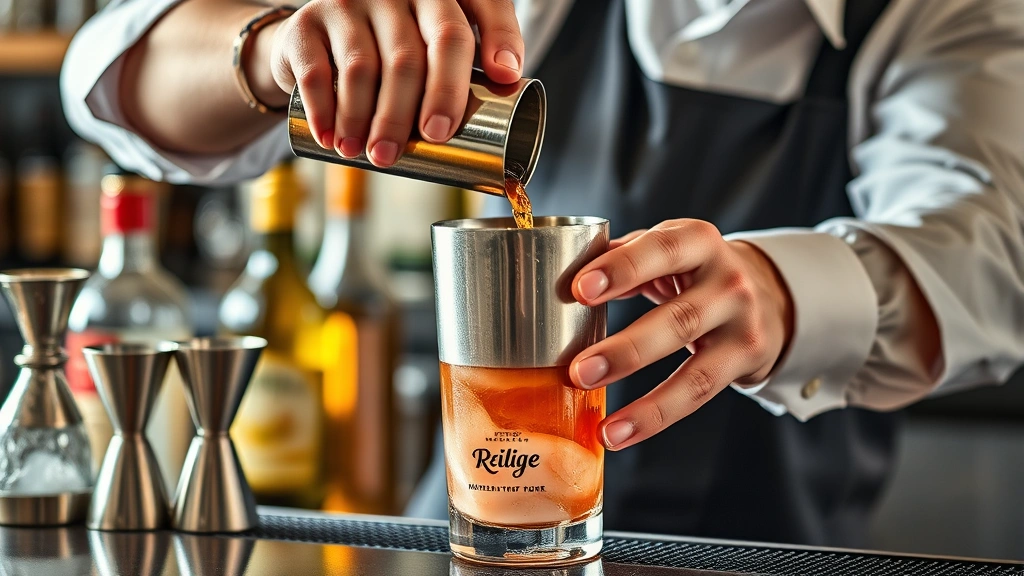
The method is simple: shake everything with ice, strain into a coupe glass, and serve immediately. But the details matter. How you shake, what kind of ice you use, how long you shake, and the temperature of your glass all affect the final product. This is where your five-minute mastery comes in—once you understand these mechanics, you can execute it flawlessly every time.
Measuring and Proportions
Cocktails are chemistry, not cooking. You can’t eyeball an aviation cocktail recipe and expect consistency. Use a jigger—those double-sided measuring cups bartenders use. The standard aviation proportions are:
- Gin: 2 oz (60 ml)
- Maraschino: 0.5 oz (15 ml)
- Crème de violette: 0.25 oz (7.5 ml)
- Lemon juice: 0.75 oz (22.5 ml)
Some bartenders adjust these slightly based on their gin choice or lemon juice acidity, but these ratios are the gold standard. The 2:0.5:0.25:0.75 ratio creates a drink that’s spirit-forward but balanced—the gin shines without overwhelming the delicate floral notes. The lemon juice provides acidity that brightens everything without making it sour.
Choosing Your Crème de Violette
Crème de violette is the ingredient that makes people wonder what’s in your glass. It’s a violet-flavored liqueur that adds color, aroma, and a subtle floral sweetness. The challenge? It’s harder to find than other ingredients, and quality varies dramatically.
Crème Yvette is the classic choice, though it’s pricey and sometimes hard to locate. Rothman & Winter Crème de Violette is more widely available and excellent. Some bartenders use Bombay Sapphire gin (which has botanicals including violet) as a substitute if they can’t find the liqueur, though this changes the drink’s character slightly. Don’t skip this ingredient—it’s what makes an aviation an aviation, not just another gin sour.
Shaking Like a Pro
Here’s your step-by-step for executing the aviation cocktail recipe:
- Chill your glass: Fill a coupe or cocktail glass with ice water while you prepare. This takes 30 seconds and makes a real difference.
- Fill your shaker: Add fresh ice to a cocktail shaker—fill it about three-quarters full.
- Measure and pour: Using your jigger, measure gin, maraschino, crème de violette, and fresh lemon juice into the shaker. Don’t free-pour.
- Shake hard: Close the shaker and shake vigorously for 10-15 seconds. You want to hear the ice rattling loudly and feel the shaker getting cold in your hands.
- Strain immediately: Discard the ice water from your glass, then strain the cocktail into it using a Hawthorne strainer.
- Garnish: Add a cherry or lemon twist if desired.
- Serve immediately: Don’t let it sit—drink it right away while it’s properly chilled.
The vigorous shaking serves multiple purposes: it chills the drink to the right temperature, properly dilutes it with ice melt (which is essential for balance), and aerates the ingredients so they integrate smoothly. This is why you can’t just stir an aviation cocktail recipe—the lemon juice needs that agitation.
Garnish and Presentation
Presentation matters because you eat (and drink) with your eyes first. The traditional aviation garnish is a cherry, preferably a luxardo cherry, which has a complex flavor that complements the drink. Some bartenders add a lemon twist for brightness and aroma.
Serve in a coupe glass—that elegant, shallow bowl-shaped glass that screams “classic cocktail.” It’s not just for looks; the wide rim allows you to enjoy the aroma while sipping, and the shallow bowl means the drink stays cold longer than it would in a tall glass. If you don’t have a coupe, a Nick and Nora glass (slightly smaller and more rounded) works beautifully too.
Avoiding Common Mistakes
Even though an aviation cocktail recipe is simple, there are pitfalls:
- Using bottled lemon juice: This is the most common mistake. Bottled juice tastes flat and metallic. Squeeze fresh lemons every time.
- Not chilling the glass: A warm glass will melt your ice faster and warm the drink. Thirty seconds of prep prevents this.
- Skipping the crème de violette: Some bartenders omit it because it’s expensive or hard to find. Don’t do this—it’s essential to the drink’s identity.
- Under-shaking: Shake for a full 10-15 seconds. A wimpy shake won’t properly chill or dilute the drink.
- Using old ice: Ice absorbs odors from your freezer. Use fresh ice that doesn’t smell funky.
- Letting it sit: Make it and serve it immediately. Cocktails don’t improve with time.
Creative Variations
Once you’ve mastered the classic aviation cocktail recipe, you can experiment. Some variations worth trying:
- The Last Word: Equal parts gin, green chartreuse, maraschino, and lime juice. It’s herbaceous and complex.
- The Improved Aviation: Add a dash of Angostura bitters to the classic recipe for depth.
- Violet Gin Sour: Skip the maraschino and increase crème de violette to 0.5 oz for a more floral drink.
- The Aviation Martini: Use 2.5 oz gin, 0.5 oz dry vermouth, and 0.25 oz crème de violette, stirred with ice and strained.
These variations teach you how small changes affect the overall balance. Increasing one ingredient means you might need to adjust another. This is how you develop real cocktail skills.
Frequently Asked Questions
Can I make an aviation cocktail recipe without crème de violette?
Technically yes, but you shouldn’t. It won’t be an aviation—it’ll be a gin sour. Crème de violette is the signature ingredient that defines the drink. If you can’t find it, order it online or wait until you can. It’s worth the effort.

What gin should I use for an aviation cocktail recipe?
London Dry style gins work best—Tanqueray, Beefeater, or Bombay Sapphire are excellent choices. These gins have a balanced botanical profile that doesn’t overpower the delicate floral notes. Avoid heavily botanical gins like Hendrick’s or overly juniper-forward options.
Can I batch an aviation cocktail recipe for parties?
You can pre-measure ingredients into bottles, but shake each drink individually just before serving. Cocktails don’t keep well once shaken—they get watery and lose their bright character. Batching saves time on measuring, not on shaking.
Why does my aviation cocktail recipe taste bitter?
Likely causes: old or low-quality gin, over-shaking (which can extract bitter compounds from ice), or using too much crème de violette. Check your ingredients and shake for exactly 10-15 seconds, no longer.
What’s the difference between maraschino liqueur and maraschino cherry juice?
They’re completely different. Maraschino liqueur (like Luxardo) is a sophisticated spirit made from marasca cherries. Cherry juice is just that—juice. Always use the liqueur in your aviation cocktail recipe.
Can I make an aviation cocktail recipe with vodka instead of gin?
You can, but it won’t be an aviation anymore. Gin’s botanicals are essential to the drink’s character. Using vodka removes the complexity that makes this cocktail special.
Mastering Your Aviation Cocktail Recipe
Five minutes is all you need to make an excellent aviation cocktail recipe once you understand the fundamentals. The real mastery comes from understanding why each step matters: fresh lemon juice for brightness, proper shaking for temperature and dilution, quality spirits for flavor, and immediate serving for optimal taste.
This isn’t just about making one drink—it’s about developing skills that transfer to every cocktail you make. Learn to measure precisely, shake with purpose, and respect your ingredients, and you’ll become someone who makes genuinely excellent drinks. Start with the classic recipe, nail it until you can make it perfectly every time, then experiment with variations.
The aviation cocktail recipe has survived a century because it’s genuinely delicious and beautifully balanced. Respect that legacy by making it properly, and you’ll understand why bartenders and cocktail enthusiasts still order it today. Now grab your shaker, measure carefully, and get mixing—you’ve got this.


