
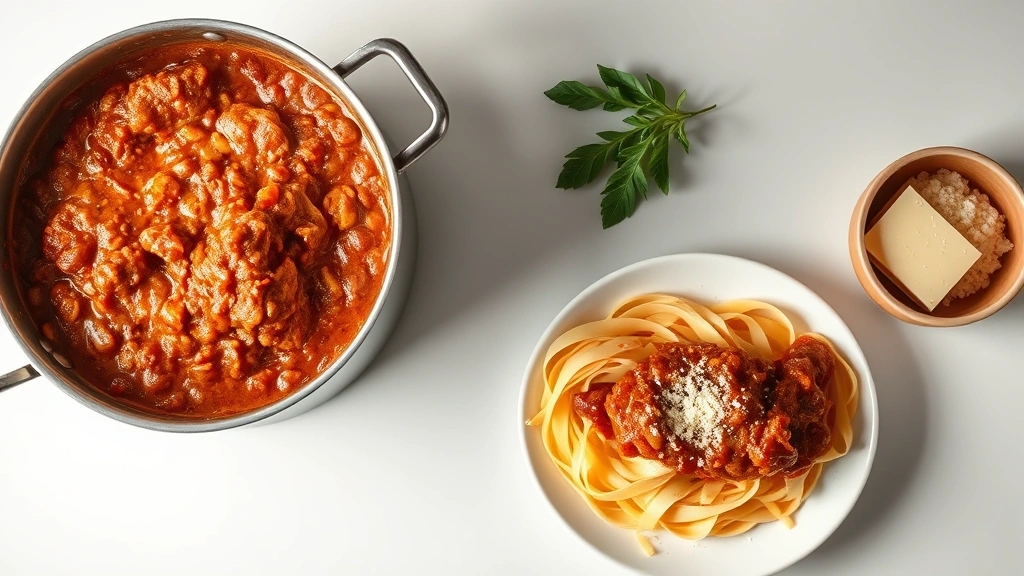
An authentic bolognese recipe is the foundation of Italian home cooking, a slow-simmered masterpiece that transforms humble ingredients into liquid gold. This isn’t the quick red sauce you’ve been making—it’s the real deal, the way they’ve been doing it in Bologna for centuries. We’re talking about ragù alla bolognese, a meat-based sauce that requires patience, proper technique, and respect for tradition.
Table of Contents
What Makes It Authentic
The difference between a real bolognese and what most people call “meat sauce” comes down to technique and ingredients. An authentic bolognese recipe contains ground meat (usually beef and pork), but here’s the kicker—it also includes milk or cream, which sounds weird until you taste it. The dairy softens the acidity of the tomatoes and creates this velvety texture that makes you wonder why you ever settled for jarred sauce.
The Italians in Bologna don’t rush this. They understand that good food takes time. We’re looking at 3-4 hours minimum, but honestly, the longer it simmers, the better it gets. Some recipes go 6+ hours. This isn’t about convenience; it’s about letting flavors marry and develop complexity that quick cooking simply can’t achieve.
Essential Ingredients Matter
Let’s talk about what actually goes into this sauce. You need ground beef and ground pork—don’t use just beef. The pork adds richness and prevents the sauce from tasting one-dimensional. Fresh soffritto (that’s the holy trinity of onions, celery, and carrots) is non-negotiable. Some recipes skip this step, but you’d be missing the entire flavor foundation.
Tomato paste is your secret weapon here. It concentrates the tomato flavor and adds depth that fresh tomatoes alone can’t provide. You’ll also need whole peeled tomatoes (San Marzano if you can find them), whole milk or heavy cream, dry white wine, and good olive oil. Salt and pepper matter too—don’t skimp on quality.
Check out how to make gravy from drippings if you want to understand how pan drippings build flavor—the same principle applies to building your bolognese base.
Prep Work Sets Foundation
Before you touch the stove, get your mise en place together. Dice your onions into small, uniform pieces—not minced, but small enough to cook down completely. Do the same with celery and carrots. This isn’t being fussy; uniform sizes mean even cooking and balanced flavor distribution.
Have your tomato paste measured out, your wine opened, your milk measured. Get your meat out of the fridge 15 minutes before you start cooking. Cold meat won’t brown properly, and browning is where the magic happens. You want to develop that fond on the bottom of the pan—that’s pure flavor waiting to be scraped up.
Building Flavor Layers
Start by heating olive oil in a large, heavy-bottomed pot over medium heat. Add your soffritto (onions, celery, carrots) and let it cook slowly for about 10 minutes. You’re not trying to brown it; you’re coaxing out the natural sweetness. This is where patience pays dividends.
Once the vegetables are soft and fragrant, add your ground meat. Break it up with a wooden spoon and let it cook until it loses its pink color. Don’t rush this—give it 8-10 minutes. You want the meat to brown, not steam. This browning creates hundreds of new flavor compounds through the Maillard reaction.
Add your tomato paste and stir it into the meat, coating everything. Let it cook for 2-3 minutes—this caramelizes the paste slightly and intensifies the tomato flavor. Then deglaze with your white wine, scraping up all those flavorful bits stuck to the bottom of the pot. Let the wine reduce by about half.
The Long Simmer Process
Now add your tomatoes (crushed by hand if whole) and reduce heat to low. This is where the authentic bolognese recipe transforms from ingredients into sauce. You want a gentle simmer, not a rolling boil. Cover the pot partially—you want some evaporation to concentrate flavors, but not so much that it dries out.
Stir occasionally, every 20-30 minutes or so. After about 2 hours, add your milk or cream. This seems counterintuitive—adding dairy to a tomato sauce—but it’s the secret that separates authentic bolognese from everything else. The milk adds richness and mellows the acidity. Let it simmer for at least another hour, ideally two.
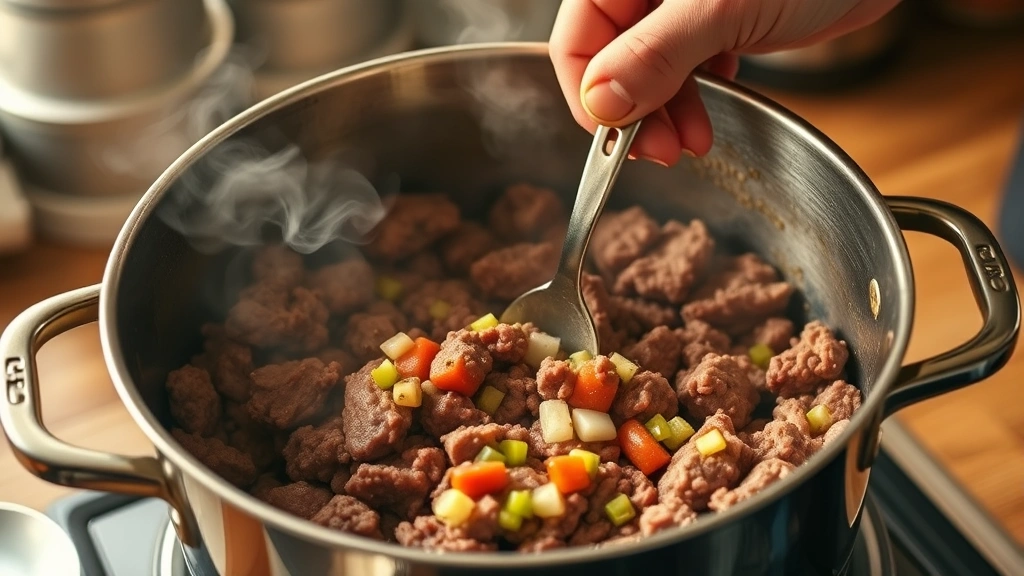
The sauce should reduce by about half its original volume and become thick enough that a spoon dragged through it leaves a trail. The meat should be completely integrated into the sauce, not chunky and separate. Taste and adjust seasoning with salt and pepper.
Meat Selection Guide
The meat you choose makes or breaks this dish. Use freshly ground meat from the butcher counter, not the pre-packaged stuff that’s been sitting under lights. Ask your butcher to grind beef chuck and pork shoulder together, or buy them separately and combine them yourself.
The ratio matters: 3 parts beef to 1 part pork works beautifully. Beef provides structure and savory depth, while pork adds fat and richness. Some traditional recipes use veal, which is wonderful if you can source it, but beef and pork is the practical, delicious standard.
Avoid ultra-lean meat. You want some fat content—it carries flavor and keeps the sauce from becoming dense and heavy. Ground meat that’s 80/20 (80% lean, 20% fat) is ideal.
Common Mistakes to Avoid
The biggest mistake people make is rushing the simmer. You can’t make an authentic bolognese recipe in 30 minutes. It won’t work. The flavors need time to develop and meld. If you’re in a hurry, make something else.
Don’t use a high heat. High heat causes the sauce to break, the meat to become tough, and flavors to become harsh. Low and slow is the mantra. Also, don’t skip browning the meat properly. That step creates flavor compounds that can’t be replicated any other way.
Another common error: adding too much tomato. Yes, this is a tomato-based sauce, but it’s primarily a meat sauce. The tomato should complement, not dominate. The authentic recipe uses tomato paste and whole tomatoes in measured amounts, not gallons of sauce.
Serving Traditions Matter
In Bologna, authentic bolognese recipe is traditionally served with fresh egg pasta—tagliatelle specifically. The wide ribbons catch and hold the sauce beautifully. You can also use pappardelle or fettuccine. Some regions use it with tortellini, but tagliatelle is the classic pairing.
Don’t drown the pasta in sauce. Use enough to coat it generously, but the pasta should still shine through. Top with freshly grated Parmigiano-Reggiano—real stuff from the wedge, not the green can. A little freshly cracked black pepper and maybe a drizzle of good olive oil finishes it perfectly.
For complementary dishes, consider preparing air fried cauliflower as a side vegetable, or almond flour bread for a lower-carb option if you’re going that direction.
Storage and Make-Ahead Tips
One of the best things about bolognese is that it improves with time. Make it a day or two ahead. The flavors deepen and meld overnight. Store it in an airtight container in the refrigerator for up to 5 days, or freeze it for up to 3 months.
To reheat, thaw if frozen and warm gently over low heat, stirring occasionally. Add a splash of water or stock if it’s gotten too thick. Never microwave bolognese if you can help it—the gentle heat of stovetop reheating preserves the sauce’s silky texture.
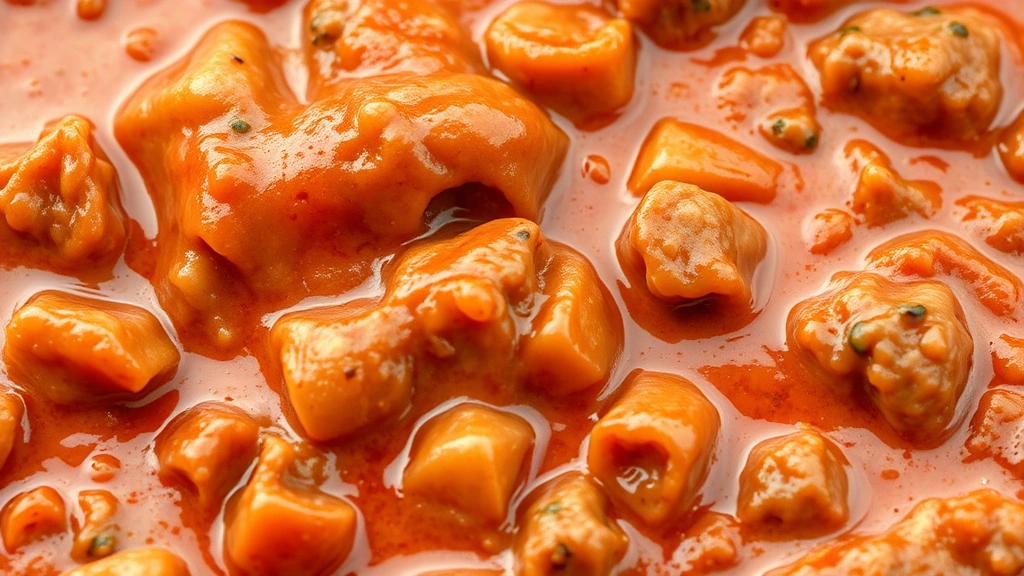
You can also portion it into ice cube trays once cooled, then transfer to freezer bags. This gives you single-serving portions ready to go whenever you want pasta. It’s like having homemade sauce on demand.
Frequently Asked Questions
Can I use ground turkey instead of beef and pork?
Technically yes, but you’ll lose the richness that makes bolognese special. Turkey is lean and can result in a sauce that tastes thin and one-dimensional. If you must use poultry, use ground chicken thighs (not breast) mixed with pork, and add a bit of pancetta for fat and flavor.
Why does my bolognese taste acidic?
Too much tomato or not enough cooking time. The milk or cream should mellow the acidity significantly. If you’re still getting sharpness, add a pinch of sugar (just a pinch—don’t make it sweet) and let it simmer longer. Also, ensure you’re using good quality tomatoes; cheap ones are often more acidic.
Can I make this in a slow cooker?
You can, but you’ll miss the browning step, which is crucial for flavor development. If using a slow cooker, brown the meat and soffritto on the stovetop first, then transfer everything to the slow cooker on low for 6-8 hours. It won’t be quite as good as stovetop cooking, but it’s better than not making it at all.
What wine should I use?
A dry white wine—Pinot Grigio, Sauvignon Blanc, or even a basic dry white works perfectly. Avoid anything sweet or overly oaky. The wine should be something you’d drink, not cooking wine from the grocery store. The quality matters because the wine reduces and concentrates its flavors.
Is pancetta necessary?
Traditional recipes sometimes include pancetta, but it’s not essential. If you want to add it, dice it finely and cook it first until the fat renders, then add your soffritto. It adds depth, but a proper ratio of beef to pork gives you enough richness without it.
Can I use fresh tomatoes instead of canned?
You can, but you’ll need about 2 pounds of fresh tomatoes (blanched, peeled, and seeded) plus tomato paste. Canned tomatoes are actually better for this application because they’re picked at peak ripeness and processed immediately. Fresh tomatoes in winter are often mealy and flavorless. If using fresh, do it in summer when they’re in season and actually taste like something.
How do I know when it’s done?
The sauce should be thick enough that a spoon dragged through it leaves a trail that doesn’t immediately fill back in. The meat should be completely integrated—you shouldn’t see distinct chunks. The color should be a rich, deep brown-red. When you taste it, the flavors should be complex and balanced, with no single ingredient dominating.
Final Thoughts
Making an authentic bolognese recipe is an exercise in patience and respect for tradition. It’s not complicated—there are only a handful of ingredients—but it requires time and attention. This isn’t fast food; it’s real food made the right way.
The payoff is worth every minute. A proper bolognese tastes like nothing else you’ve made before. It’s rich, complex, deeply satisfying, and absolutely worth the investment of time. Once you’ve made it this way, you’ll never go back to shortcuts.
Start with this recipe, follow the technique, and don’t rush it. You’ll end up with sauce that tastes like it came from a trattoria in Bologna, because you’ve followed the same method they’ve been using for generations. That’s what authentic means—doing it right, the way it’s supposed to be done.
For other recipes that showcase technique and patience, check out ahi tuna recipe for another protein-focused dish that rewards proper preparation, or how to make edible cookie dough if you want to explore other kitchen fundamentals.


