
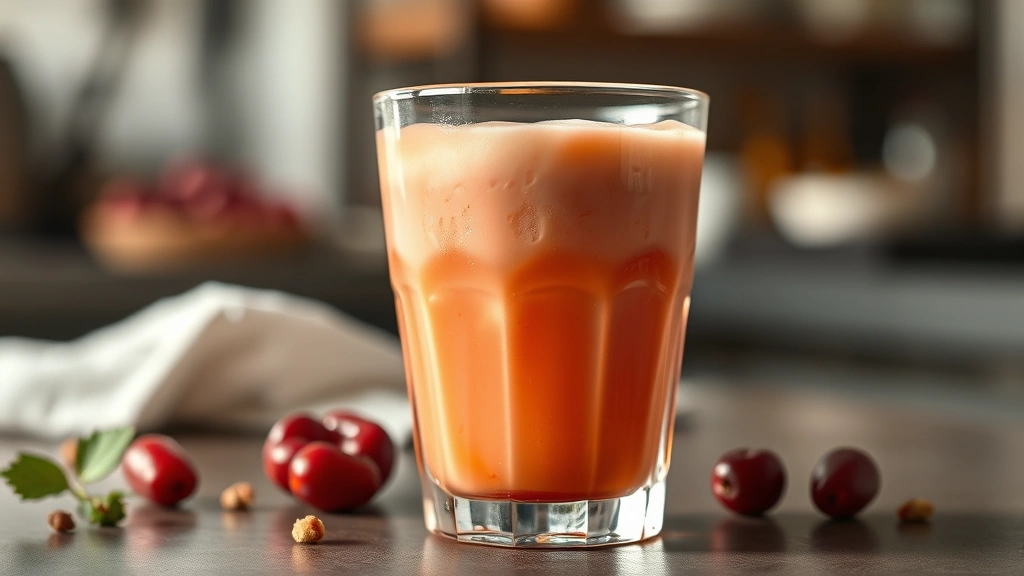
An auju recipe is your ticket to mastering this beloved Asian dessert drink that combines silky texture with delicate sweetness. Whether you’re craving authentic flavors or want to impress friends with homemade versions, this guide walks you through everything from ingredient selection to serving techniques.
Table of Contents
What Exactly Is Auju?
Auju is a traditional Asian dessert that sits somewhere between a pudding and a drink. The name itself comes from Cantonese origins, and it’s become wildly popular across bubble tea shops and Asian dessert spots worldwide. Think of it as a silky, smooth beverage that coats your mouth with subtle flavors and a delicate texture that feels almost creamy without any dairy involved.
The magic of auju lies in its simplicity. It typically features a base of gelling agents combined with flavorful liquids—whether that’s fruit juices, herbal infusions, or sweet syrups. What makes homemade versions stand out from commercial options is the control you have over sweetness levels, ingredient quality, and those perfect textural notes that make people go back for another spoonful.
Unlike popping boba that requires specific spherification techniques, auju relies on straightforward gelling methods that home cooks can master with basic kitchen equipment.
Essential Ingredients You’ll Need
The foundation of any solid auju recipe starts with understanding your ingredient options. You’ve got flexibility here, which is what makes this dessert so adaptable to different tastes and dietary preferences.
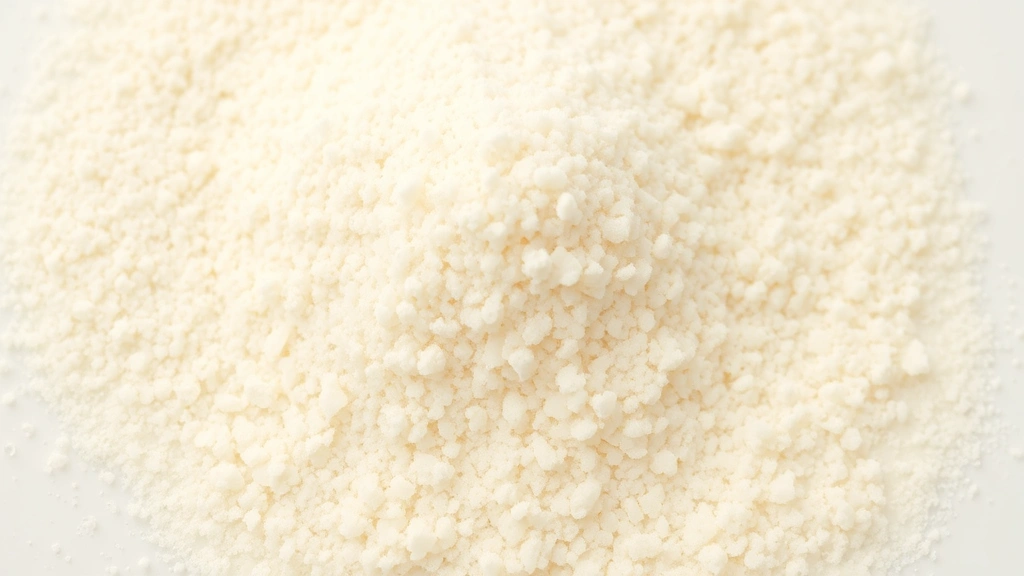
Gelling Agents: This is your backbone ingredient. Agar-agar powder (also called agar) is the traditional choice—it’s derived from seaweed and creates that signature silky texture. You’ll typically need about 1-2 teaspoons per cup of liquid, depending on how firm you want your final product. Gelatin works as an alternative if you can’t source agar, though it produces a slightly different mouthfeel. Some home cooks experiment with tapioca starch or cornstarch for a lighter texture.
Liquid Base: Here’s where personalization kicks in. Fruit juices (mango, passion fruit, lychee, or pineapple work beautifully), herbal teas, coconut milk, or even floral infusions like osmanthus or rose create your flavor profile. The best auju recipes use a combination—maybe 60% juice and 40% herbal tea, for example.
Sweetener: White sugar, rock sugar, honey, or even agave nectar all work depending on your preference. Rock sugar is traditional and dissolves cleanly, creating a refined sweetness. Plan for about 2-4 tablespoons per cup of liquid, adjusting to taste.
Flavor Boosters: Vanilla extract, a splash of lime juice, or a pinch of salt can elevate your base recipe significantly. These small additions prevent the dessert from tasting one-dimensional.
Prep Work Matters Most
Here’s where most home cooks skip steps and end up frustrated. Proper preparation makes the difference between silky auju and grainy, clumpy disasters.
Start by measuring out your liquid base. If you’re using agar-agar, you absolutely must bloom it first—this means sprinkling the powder into a small amount of cold water and letting it sit for 5-10 minutes. This step prevents clumping when you add heat. Skipping this creates lumps that won’t dissolve no matter how much you stir.
If you’re using fresh fruit juice, strain it through a fine-mesh sieve to remove any pulp. This ensures a crystal-clear final product with that professional appearance. For herbal infusions, brew your tea or botanical ingredients separately, then strain thoroughly before combining with other liquids.
Measure your sweetener and have it ready near your cooking station. Room-temperature ingredients mix more smoothly than cold ones, so let everything sit out for 15 minutes before you start cooking.
Step-by-Step Cooking Process
Now we’re cooking. This is where technique matters, and rushing leads to disappointing results.
Step One—Combine and Heat: Pour your prepared liquid base into a medium saucepan. Add your bloomed agar-agar to the liquid and stir constantly over medium heat. You’re not looking for a rolling boil—just steady, consistent heat. This usually takes 5-7 minutes. Keep stirring to ensure the agar dissolves completely. You’ll notice the mixture becoming slightly thicker as it heats.
Step Two—Add Sweetener: Once your agar is fully dissolved (test by rubbing a small amount between your fingers—it should feel smooth with no grit), add your sweetener. Stir until completely dissolved. This is the moment to taste and adjust sweetness. Remember, the mixture will taste slightly less sweet once it cools, so don’t overdo it.
Step Three—Final Flavoring: Add any vanilla extract, citrus juice, or other flavor boosters. A tiny pinch of sea salt can enhance sweetness perception without making the auju taste salty. Stir well.
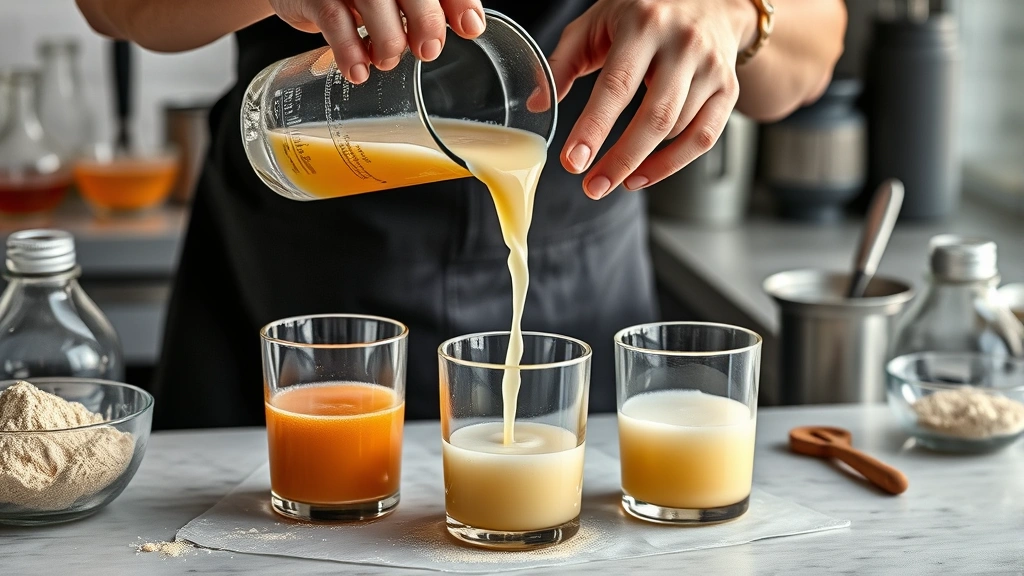
Step Four—Cooling Phase: Remove from heat and let cool for 2-3 minutes. You want it to cool slightly but remain pourable. Pour the mixture into your serving containers or a shallow baking dish if you’re making larger batches. Pour slowly and steadily to avoid trapping air bubbles.
Step Five—Setting Time: This is where patience becomes your best friend. Let your auju sit at room temperature for 30 minutes, then transfer to the refrigerator for at least 2 hours, ideally overnight. The longer it sets, the more silky and refined the texture becomes.
Achieving Texture Perfection
The texture is everything in an auju recipe. You’re aiming for something that’s not quite solid, not quite liquid—somewhere between a thick pudding and a drinkable smoothie.
The agar-agar concentration is your control knob here. Use 1 teaspoon per cup for a looser, more drinkable consistency. Use 2 teaspoons per cup for something firmer that you’d eat with a spoon. Most home cooks find 1.5 teaspoons per cup hits the sweet spot. If you’re unhappy with your first batch, simply reheat it, adjust your agar content, and reset.
Temperature matters too. Auju tastes best when served chilled but not ice-cold. Straight from the fridge is perfect. If you over-chill it or let it sit in freezing temperatures, the texture becomes rubbery and less pleasant.
One pro tip: if your auju turns out too firm, you can reheat it gently with a splash of additional liquid to loosen the texture. This is much easier than trying to add more agar to something that’s already set.
Flavor Variations to Explore
Once you’ve mastered the basic auju recipe, experimentation becomes fun. Here are variations that work beautifully:
Mango Auju: Use 1 cup fresh mango juice combined with 1 cup coconut milk. Add a tiny squeeze of lime juice. This creates a tropical, luxurious version that tastes like vacation.
Osmanthus Floral: Brew dried osmanthus flowers in hot water for 10 minutes, strain, then use this as your base liquid combined with rock sugar. This is the most traditional preparation and tastes subtly floral without being perfume-like.
Lychee Passion Fruit: Mix equal parts lychee juice and passion fruit juice with a splash of herbal tea. The tartness of passion fruit against the sweetness of lychee creates complexity.
Matcha Green Tea: Whisk matcha powder into hot water, strain, then combine with honey and milk (dairy or plant-based). This creates an earthy, slightly bitter-sweet version that pairs beautifully with desserts.
Rose and Pomegranate: Use rose water (just 1/4 teaspoon—it’s potent), pomegranate juice, and a touch of honey. This version looks stunning with a deep pink hue.
Serving and Storage Guide
Proper serving elevates your homemade auju from good to restaurant-quality.
Serve in clear glasses so people can see that beautiful color and translucent texture. You can eat it with a spoon, sip it through a wide bubble tea straw, or drink it straight from the glass—it’s your call. Some people prefer it slightly warmed on cold days, which is totally acceptable. Just reheat gently in a saucepan or microwave without letting it get too hot.
Storage is straightforward. Keep finished auju in an airtight container in the refrigerator for up to 5 days. The texture remains perfect throughout this window. Don’t freeze auju—the freezing process damages the gel structure and creates an unpleasant grainy texture when thawed.
If you want to prep ahead, you can store the cooled liquid (before it sets) in the fridge for up to 2 days, then reheat and set it fresh when you’re ready to serve. This is helpful for entertaining.
Troubleshooting Common Issues
Problem: Grainy or Clumpy Texture — This usually means your agar-agar wasn’t bloomed properly or didn’t dissolve completely. Solution: Always bloom agar in cold water first, and stir constantly during heating. If you end up with clumps, strain the mixture through a fine-mesh sieve before pouring.
Problem: Too Thick or Rubbery — You used too much agar-agar. Solution: Reheat the mixture and add more liquid (juice or tea) to thin it out. Then reset. Next time, reduce your agar by 1/4 teaspoon per cup.
Problem: Won’t Set at All — Either your agar wasn’t bloomed, or your liquid was too hot when you added it (which can break down the agar). Solution: Reheat the mixture to a gentle simmer, ensure your agar is fully dissolved, and try again.
Problem: Tastes Too Sweet or Too Bland — Sweetness perception changes as things cool. Solution: Taste while warm and adjust accordingly. Remember that it will taste slightly less sweet when chilled. For bland flavors, add a pinch of salt or a squeeze of citrus juice to brighten things up.
Problem: Separated into Layers — This sometimes happens with coconut milk-based recipes. Solution: Stir well before serving, or blend the mixture briefly with an immersion blender before it fully sets.
Pairing With Beverages
Auju is delicious on its own, but pairing it with complementary drinks elevates the experience. Serve alongside hot jasmine tea for contrast, or pair with cold milk tea for a dessert-drink combo. Some people enjoy sipping auju between bites of light pastries or cookies.
If you’re making ramune or other Asian beverages, auju makes an excellent pairing. The dessert’s silky sweetness balances the carbonation and refreshment of cold drinks beautifully.
For a complete dessert experience, consider serving your auju alongside light Asian pastries, mochi, or fresh fruit. The combination creates a balanced, sophisticated dessert course that feels intentional and well-planned.
Frequently Asked Questions
Can I make auju without agar-agar?
Yes, though the texture differs. Gelatin works but creates a bouncier, less silky mouthfeel. Tapioca starch creates a lighter texture but requires more careful cooking to avoid lumps. Agar-agar remains the gold standard for that signature auju experience.
Is auju vegan?
Auju made with agar-agar is naturally vegan, as agar comes from seaweed. If you use gelatin, it’s not vegan. Check all your liquid ingredients too—some commercial juices contain animal-derived additives, though most don’t.
How long does homemade auju last?
Properly stored in an airtight container in the refrigerator, auju lasts 5 days. The texture remains perfect throughout this window. Don’t freeze it—this ruins the gel structure.
Can I make auju in advance for parties?
Absolutely. Make it 1-2 days ahead and store in the refrigerator. You can also prepare the liquid base ahead and set it fresh on the day of your event. This gives you flexibility without sacrificing quality.
What’s the difference between auju and jelly?
Auju typically has a softer, silkier texture than traditional jelly, which is firmer and more bouncy. Auju also emphasizes flavor more prominently, while jelly is often more about texture and visual appeal. The gelling agent concentration and type create these differences.
Why is my auju cloudy instead of clear?
Cloudiness usually comes from undissolved agar particles or pulp in your juice. Solution: Strain your finished liquid through cheesecloth before setting, or use filtered/clarified juices from the start.
Conclusion
Mastering an auju recipe opens up a world of homemade Asian desserts that rival anything you’ll find in commercial shops. The technique is straightforward, the ingredients are accessible, and the results are genuinely impressive. Start with a basic recipe, nail your technique, then experiment with flavors that speak to you. Whether you’re making mango auju for summer gatherings or osmanthus auju for quiet afternoons, this silky dessert drink delivers sophistication with minimal fuss. Your friends will absolutely ask for your secret—now you’ve got the complete guide to share.


