
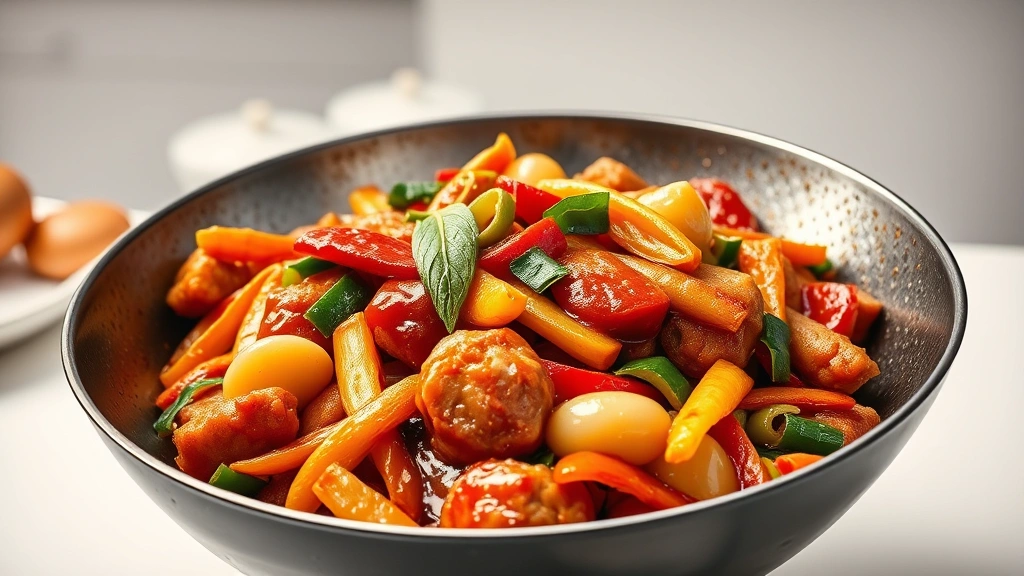
Learning asian recipes doesn’t mean you need a culinary degree or a restaurant kitchen. The truth is, mastering a handful of core techniques will unlock hundreds of dishes across Chinese, Thai, Vietnamese, Japanese, and Korean cuisines. Once you nail the fundamentals, you’ll build confidence and start improvising like a pro. This guide breaks down five game-changing techniques that form the backbone of authentic Asian cooking, so you can recreate restaurant-quality meals in your own kitchen.
Table of Contents
Wok Cooking Fundamentals
The wok is your best friend when tackling asian recipes. Unlike Western cookware, a wok’s curved bottom and sloped sides are engineered for rapid, high-heat cooking. The magic happens when you get the wok screaming hot—we’re talking until it just barely starts smoking. This isn’t a mistake; it’s intentional.
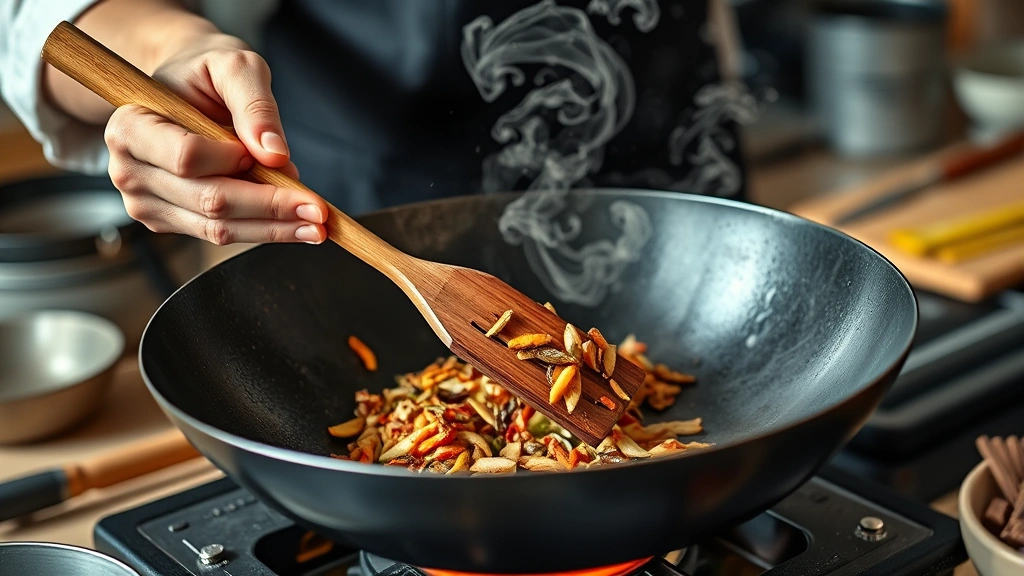
Start by preheating your wok for 2-3 minutes over high heat. Add oil with a high smoke point (peanut or vegetable oil work great). Once the oil shimmers and moves like liquid mercury, you’re ready. The key is keeping ingredients moving constantly. Use a wok spatula or wooden spoon to push food from the center up the sides, then back down. This continuous motion prevents sticking and ensures even cooking. Most dishes finish in 5-7 minutes total, which is why prep work is non-negotiable.
One common mistake is overcrowding. If you dump too much food in at once, the temperature drops and you’ll steam instead of sear. Work in batches if needed. Your patience now pays off in crispy, flavorful results later.
Steaming Mastery
Steaming is the unsung hero of asian recipes. It’s gentle, healthy, and produces incredibly tender results. Whether you’re making dumplings, fish, or vegetables, steaming relies on one principle: hot steam circulating around food in an enclosed space.
You don’t need fancy equipment. A simple bamboo steamer basket, a metal rack in a pot with a lid, or even a folded aluminum foil ball in a wok all work. Fill the base with water, bring it to a boil, then place your food above the water level (not touching it). The steam does the rest. For protein-based dishes, timing matters significantly. Delicate items like fish need 8-12 minutes, while thicker cuts might need 15-20.
One pro tip: if you’re steaming vegetables alongside protein, calculate the longest cooking time and start the quickest items later. You can also steam carrots and other root vegetables by adjusting your timing. For reference, steaming carrots typically takes 8-10 minutes, and asparagus needs about 5-7 minutes. The beauty of steaming is that you can’t really overcook—just check with a fork for tenderness.
Stir-Fry Timing and Heat
Stir-frying is where asian recipes really shine, but it’s also where timing separates amateurs from pros. The entire process moves fast. Everything is cooked in sequence, not all at once, and each component gets pulled out when it hits perfect doneness.
Here’s the workflow: Start with aromatics (garlic, ginger, onions) in screaming-hot oil for 30 seconds. They should smell incredible but not brown. Next, add your protein and cook until just barely done—it’ll keep cooking when you add other ingredients. Remove it. Then add vegetables, starting with the ones that take longest (carrots, broccoli) and finishing with quick-cooking items (leafy greens, mushrooms). Everything should have a slight bite to it, not mushy.
The secret sauce? Mise en place. Have everything prepped, measured, and within arm’s reach before you start cooking. Once the wok is hot, you won’t have time to chop an onion. Many home cooks rush and end up with overcooked vegetables and undercooked protein. Slow down your prep, speed up your cooking.
Sauce Balance and Seasoning
Authentic asian recipes rely on balanced sauces that hit four flavor notes: salty, sweet, sour, and spicy. This isn’t random—it’s the foundation of every great dish.
A basic framework: start with soy sauce (salty), add a sweetener like sugar or honey, include an acid like rice vinegar or lime juice, and finish with heat from chili paste or fresh chilies. The ratio varies by cuisine, but the principle stays constant. Chinese dishes might lean salty and slightly sweet. Thai dishes balance spicy and sour. Vietnamese cuisine emphasizes bright acidity.
The trick is tasting constantly and adjusting. If a sauce tastes flat, it probably needs acid. If it’s too sharp, a pinch of sugar rounds it out. If it’s too intense, a splash of water dilutes it. Write down what you do—seriously, grab a pen and note your adjustments. After a few tries, you’ll develop an intuition for balance.
Don’t underestimate fish sauce, soy sauce, and sesame oil. These three ingredients are workhorses in asian recipes. A small bottle of each lasts months and transforms basic ingredients into restaurant-quality food.
Essential Knife Skills
Knife skills matter more in Asian cooking than almost any other cuisine. Even-sized pieces cook evenly, and the way you cut affects texture and how sauce clings to food.
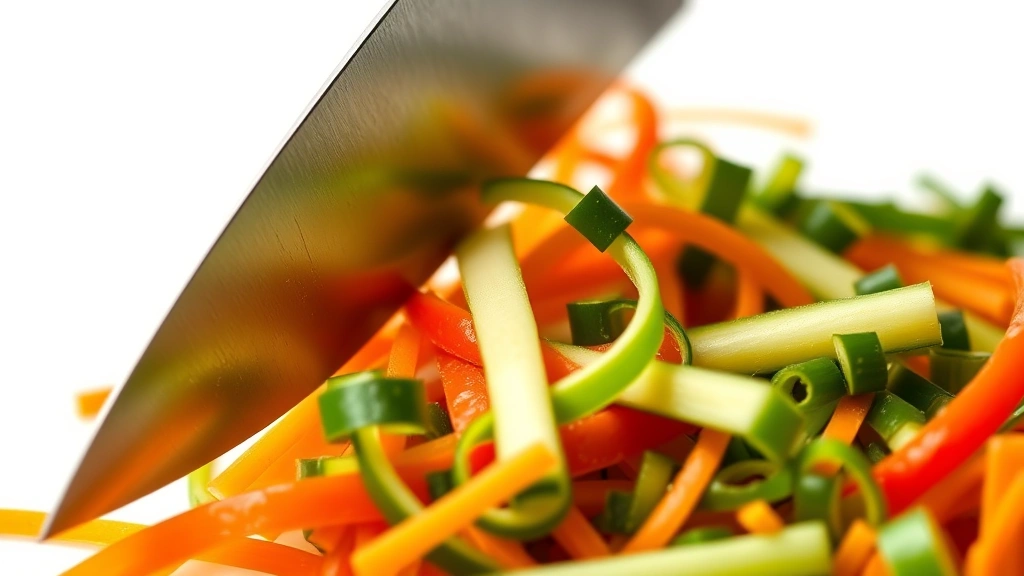
Learn these cuts: the julienne (thin matchsticks), the bias cut (diagonal slices that increase surface area), and the roll cut (rotating the vegetable as you cut to create angular pieces). Each cut serves a purpose. Matchsticks cook quickly and fit neatly in your mouth. Bias cuts look elegant and cook faster than straight cuts. Roll cuts are traditional for root vegetables.
Your knife should be sharp—dull knives are dangerous because they slip and require more pressure. A simple honing steel and an annual sharpening keep your blade ready. Grip the knife with your fingers curled under on the hand holding the food, creating a claw. Let the knife do the work; you’re just guiding it.
Fermentation Basics
Fermentation is ancient alchemy that shows up in countless asian recipes. Miso, soy sauce, kimchi, and tempeh all start with controlled fermentation, building complex flavors that fresh ingredients can’t match.
The simplest ferment to start with is kimchi. Chop vegetables (usually napa cabbage), salt them heavily, and let them sit. The salt draws out water, creating a brine. Mix in aromatics and chili paste, pack it in a jar, and let time do the work. After a few days, you’ve got tangy, spicy kimchi that lasts weeks in the fridge.
The science is straightforward: salt inhibits bad bacteria while beneficial lactobacillus thrives, creating lactic acid that preserves and flavors the food. You don’t need special equipment—a clean jar and a weight (even a smaller jar filled with water) keep everything submerged. Once you nail kimchi, explore miso paste, tempeh, or kombucha.
Ingredient Prep Strategy
Successful asian recipes depend on smart prep work. This means understanding which ingredients can be prepped ahead and which need to wait until the last minute.
Aromatics like garlic and ginger can be minced hours ahead and stored in the fridge. Vegetables can be cut the morning of cooking. Proteins should be prepped close to cooking time to maintain freshness. Sauces can be mixed completely and sit for days. What can’t wait? Leafy greens and delicate herbs should be prepped just before cooking.
Invest in good storage containers. Glass containers with tight lids keep prepped ingredients fresh and visible in your fridge. Label everything with the date. This system turns weeknight cooking from chaotic to calm—you open the fridge and everything is ready to go.
Kitchen Equipment Essentials
You don’t need a kitchen full of specialty tools, but a few pieces make asian recipes dramatically easier.
A 14-inch carbon steel wok is the foundation. Avoid non-stick woks; they can’t handle high heat. A bamboo steamer basket (they’re cheap and beautiful) handles most steaming jobs. A sharp 8-inch chef’s knife and a cutting board are non-negotiable. A mortar and pestle, preferably granite, crushes aromatics and spices better than any gadget. A rice cooker (even a basic one) removes guesswork from rice, which appears in nearly every meal.
Everything else is nice-to-have but not essential. A rice paddle, a wok spatula, and a spider strainer (that wire basket on a handle) are useful but can be substituted with regular kitchen tools if needed.
Frequently Asked Questions
What’s the best oil for wok cooking?
Peanut oil and vegetable oil are ideal because they have high smoke points (around 450°F). Avoid olive oil and butter—they burn at lower temperatures. Sesame oil has a low smoke point, so use it as a finishing oil for flavor, not for cooking.
Can I make Asian recipes without a wok?
Absolutely. A large skillet works fine, though you’ll have less surface area and slightly different results. The techniques matter more than the equipment. A stainless steel or cast iron skillet can handle the heat and produce great food.
How do I know when my wok is hot enough?
Hold your hand about 6 inches above the wok. If you can only hold it there for 1-2 seconds before the heat forces your hand away, you’re ready. Another test: a drop of water should sizzle and evaporate instantly, not sit and bubble.
What’s the difference between steaming and boiling?
Boiling means food sits directly in hot water. Steaming means food sits above water and cooks in the steam. Steaming is gentler, preserves more nutrients, and produces better texture for most asian recipes. Boiling is faster but can make delicate items mushy.
Can I prep ingredients the night before?
Most ingredients (except leafy greens and delicate herbs) keep fine overnight in airtight containers. Sauces actually improve after sitting—flavors meld together. The key is storing everything properly so nothing dries out or gets contaminated.
How do I balance flavors if I don’t have all the traditional ingredients?
The four-flavor principle (salty, sweet, sour, spicy) works with whatever you have. No soy sauce? Use salt and a splash of Worcestershire. No rice vinegar? Apple cider vinegar or lemon juice works. The technique matters more than exact ingredients.


