
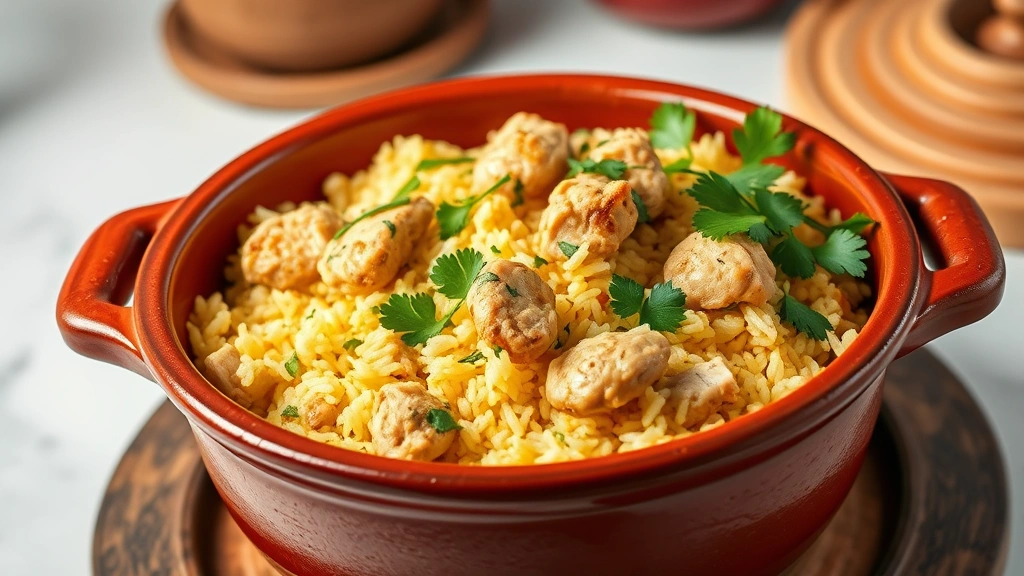
Arroz con pollo recipes are the backbone of Latin American home cooking—a one-pot wonder that brings families to the table with minimal fuss and maximum flavor. Whether you’re a seasoned cook or just starting out in the kitchen, mastering this iconic dish opens doors to countless variations and regional interpretations that’ll make you the hero of dinner night.
Table of Contents
What Is Arroz Con Pollo?
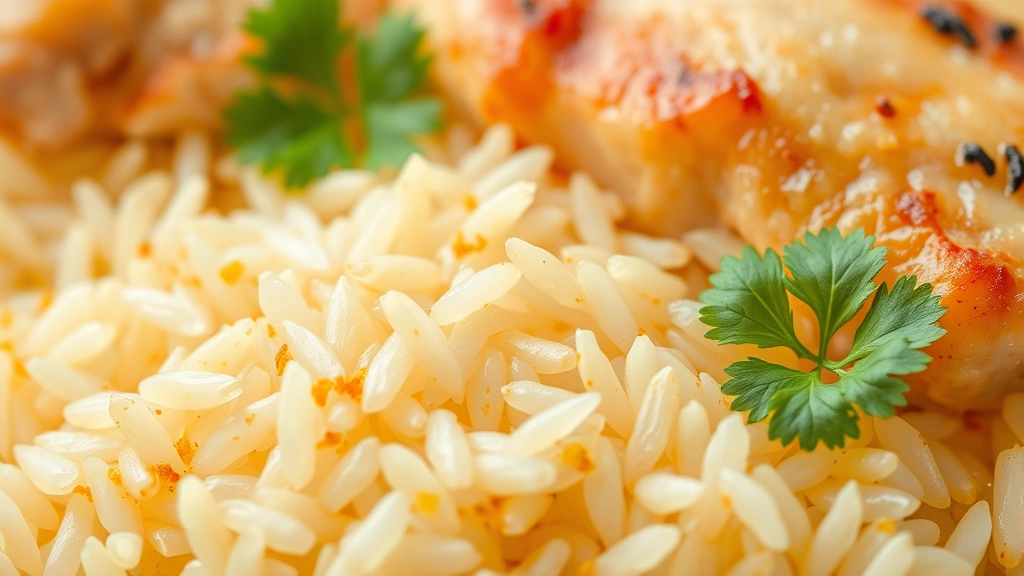
Arroz con pollo literally translates to “rice with chicken,” but that simple description doesn’t capture the soul of this dish. It’s a one-pot meal where chicken, rice, and aromatic vegetables cook together in a flavorful broth, absorbing every bit of seasoning along the way. The magic happens when the rice hits that perfect texture—tender but with a slight firmness that keeps each grain distinct.
This dish originated in Spain and traveled through Latin America, picking up local flavors and techniques in countries like Puerto Rico, Cuba, Mexico, and Colombia. Each region claims its own authentic version, which is part of what makes learning arroz con pollo recipes so rewarding. You’re not just cooking dinner; you’re connecting to cultural traditions that span generations.
Essential Ingredients Matter
The foundation of any great arroz con pollo starts with quality ingredients. You’ll need bone-in, skin-on chicken pieces—thighs and drumsticks work best because they stay moist during the longer cooking time. Avoid skinless breasts unless you’re watching them carefully, as they dry out fast.
Rice is equally critical. Short-grain varieties like Valencia or Bomba rice are traditional choices because they absorb liquid without turning mushy. If you can’t find these, medium-grain white rice works in a pinch. Never use instant rice—you’ll regret it immediately.
The holy trinity of aromatics—onions, garlic, and bell peppers—forms your flavor base. Add tomato paste for depth, good quality broth (chicken or vegetable), saffron or annatto for color, and a selection of spices like cumin and oregano. Fresh cilantro finishes the dish with brightness.
Classic Preparation Method
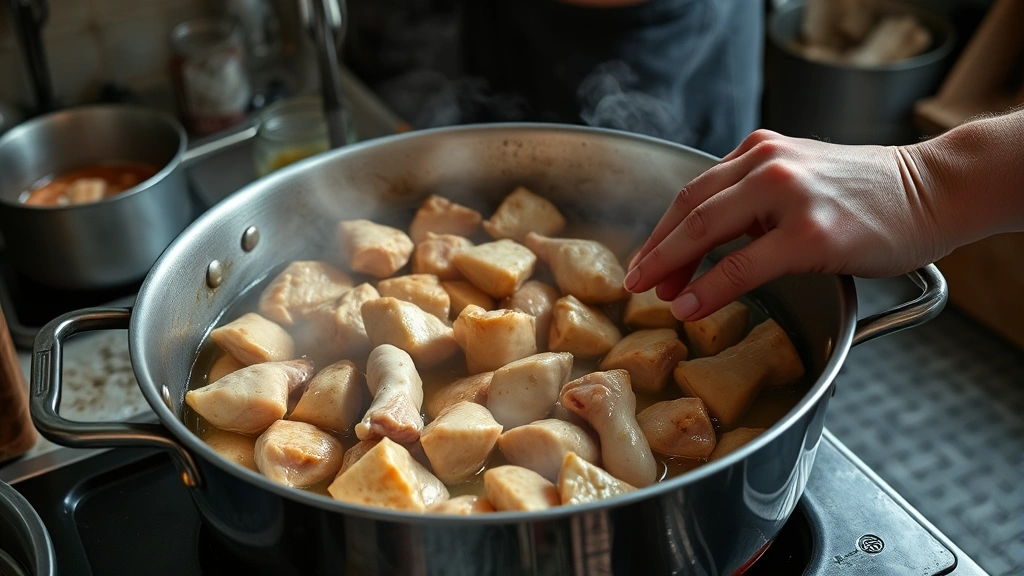
Start by seasoning your chicken pieces generously with salt and pepper. Heat oil in a large, heavy-bottomed pot or Dutch oven over medium-high heat. Working in batches, brown the chicken on all sides until golden—this takes about 8-10 minutes total and creates fond (those browned bits) that add serious flavor.
Remove the chicken and set aside. In the same pot, sauté your diced onions and peppers until they start softening, about 4 minutes. Add minced garlic and cook another minute until fragrant. Stir in tomato paste and let it caramelize slightly, which concentrates its flavor.
Add your rice and stir constantly for 2-3 minutes. This toasting step coats each grain with oil and prevents mushiness later. Pour in your broth, add the chicken back to the pot, season with spices, and bring everything to a simmer. Cover and cook for about 20-25 minutes until the rice is tender and has absorbed most of the liquid.
Regional Variations Explained
Puerto Rican arroz con pollo typically includes olives, capers, and sofrito (a paste of herbs and vegetables), giving it a distinctly different character from other versions. Cuban-style often features beer or tomato sauce and emphasizes the saffron color. Mexican versions might include corn, jalapeños, and chorizo for a spicier kick.
Colombian arroz con pollo leans toward simplicity with fewer vegetables but more emphasis on the rice-to-broth ratio. Spanish versions stay closest to the original, often using saffron threads and white wine. Dominican recipes sometimes incorporate coconut milk for richness.
The beauty of learning different arroz con pollo recipes is that you can adapt based on what’s in your pantry and what flavors call to you. Start with the classic method, then experiment with regional twists once you understand the fundamentals.
Seasoning & Flavor Building
Seasoning isn’t something you do once at the end—it’s a layered process. Season the chicken before browning. Add salt and spices to the rice as it toasts. Taste the broth before adding it and adjust seasoning there. This approach builds complexity that a single seasoning step can’t achieve.
Saffron is traditional but expensive; annatto (achiote) provides similar color with more affordable pricing. Cumin and oregano are non-negotiable—they’re the backbone of authentic flavor. A pinch of cayenne adds subtle heat without overpowering other flavors.
Don’t skip the fresh cilantro at the end. It brightens the entire dish and adds a freshness that makes people ask for your recipe. A squeeze of lime juice right before serving elevates everything, adding acidity that balances the richness of the chicken and oil.
Different Cooking Methods
The stovetop method gives you the most control and creates those slightly crispy rice bits at the bottom of the pot (called socarrat) that many people love. Keep the heat at a gentle simmer—too high and the bottom burns before the top cooks through.
Oven cooking at 350°F works beautifully if you brown the chicken and vegetables on the stovetop first, then transfer everything to a covered Dutch oven. This method distributes heat more evenly and reduces the chance of scorching. Add 5-10 minutes to your total cooking time.
Pressure cooker and instant pot methods cut cooking time dramatically—about 12-15 minutes under pressure after browning and sautéing. The trade-off is you won’t get that socarrat layer, but the rice stays perfectly tender. If using an instant pot, use the sauté function for browning, then switch to pressure cooking mode.
Perfect Side Dish Pairings
Arroz con pollo is a complete meal on its own, but a few simple sides elevate the experience. A fresh salad with lime vinaigrette cuts through the richness beautifully. Try pairing it with an easy 4 ingredient guacamole recipe for a creamy contrast.
Roasted vegetables like air fryer sweet potato add natural sweetness and nutrition. Pickled vegetables or a simple curtido (cabbage slaw) provide tangy brightness. If you’re feeling fancy, serve with a cold aviation cocktail recipe for an unexpectedly sophisticated pairing.
Corn tortillas or crusty bread work well for soaking up any remaining broth. A simple green salad with avocado keeps things light and balanced. The key is not overwhelming the main dish—let arroz con pollo be the star.
Common Mistakes & Fixes
Mushy rice is the most common complaint, usually caused by too much liquid or cooking too long. Use the ratio of 1 cup rice to 2 cups broth as your starting point, then adjust based on your specific rice variety and pot. Check at 20 minutes rather than waiting the full 25.
Dry rice means insufficient liquid or too-high heat causing evaporation. Add broth in small increments if you notice dryness before the rice is tender. If it’s already happened, cover and let it steam off the heat for 5 minutes—sometimes carryover cooking saves the day.
Unevenly cooked chicken usually comes from pieces of vastly different sizes. Cut everything to roughly the same thickness so it cooks evenly. Thighs naturally take longer than breasts, so consider cooking them separately if you’re using a mix.
Bland flavor typically means underseasoning or not building layers. Taste as you go and adjust seasoning at multiple stages. Don’t be shy with the spices—this dish can handle bold flavors. If it’s already bland, finish with fresh cilantro, lime juice, and a pinch of salt to brighten it up.
Storage & Reheating Guide
Arroz con pollo keeps beautifully in the refrigerator for 3-4 days in an airtight container. The flavors actually improve as it sits, making it perfect for meal prep. Freeze it for up to 3 months, though the rice texture becomes slightly softer upon thawing.
Reheat gently on the stovetop with a splash of broth to restore moisture. Low and slow beats high heat—you want to warm it through without drying it out further. Microwave works in a pinch; cover the container loosely and heat in 2-minute intervals, stirring between each.
For the best results, thaw frozen portions in the refrigerator overnight before reheating. This helps the rice reabsorb moisture more evenly. If it still seems dry after reheating, stir in a bit of chicken broth or even a splash of water to restore the original consistency.
Frequently Asked Questions
Can I use chicken breast instead of thighs?
Yes, but watch it closely. Chicken breast dries out faster than thighs, so consider removing it partway through cooking and adding it back near the end. Alternatively, pound breasts to even thickness and reduce overall cooking time by 5-10 minutes.
What’s the difference between annatto and saffron?
Saffron is more expensive and has a subtle floral flavor beyond just color. Annatto (achiote) is budget-friendly and provides the golden color without much flavor contribution. Both work; choose based on budget and preference. You can also use turmeric as a third option.
Do I need to brown the chicken first?
Browning isn’t absolutely necessary but it’s strongly recommended. It creates fond that deepens flavor and gives the chicken a better texture. If you’re short on time, you can skip it, but the dish won’t have the same complexity.
How do I know when the rice is done?
The rice is ready when it’s tender but still has a slight firmness to each grain—not mushy. Most of the liquid should be absorbed. A grain should be easy to bite through without resistance. This usually takes 20-25 minutes on the stovetop.
Can I make this in a slow cooker?
You can, but results are mixed. Brown the chicken and sauté vegetables on the stovetop first, then transfer to the slow cooker with rice and broth. Cook on low for 3-4 hours, but expect softer rice. The stovetop method gives better texture control.
What if I don’t have fresh cilantro?
Fresh cilantro is ideal, but parsley works as a substitute. Dried cilantro loses its brightness, so skip it if you don’t have fresh. Finish with a good squeeze of lime juice instead—it provides that final brightness the dish needs.
Final Thoughts
Mastering arroz con pollo recipes is about understanding the fundamentals and then making them your own. Start with the classic stovetop method, taste as you go, and don’t be afraid to adjust seasonings. Once you nail the basic technique, exploring regional variations becomes a delicious adventure.
This dish has fed families across Latin America for generations because it’s forgiving, flexible, and delivers serious flavor with minimal ingredients. Your version might look different from your neighbor’s, and that’s exactly how it should be. Cook it with intention, share it generously, and watch it become a regular on your dinner table.


