

An appletini recipe is one of the easiest cocktails you can make at home—seriously, if you can measure liquids and shake a bottle, you’re already halfway there. This crisp, refreshing apple martini takes just five minutes from start to sip, making it perfect for impressing guests or treating yourself after a long day. Whether you’re hosting a dinner party or just want to level up your home bar game, I’ll walk you through everything you need to know to nail this drink every single time.
Table of Contents
What Is an Appletini?
The appletini is a modern twist on the classic martini, swapping out the traditional dry vermouth for apple-flavored liqueur. You get a smooth, slightly sweet cocktail with a crisp apple finish that’s way more approachable than a traditional martini, especially if you’re not a fan of the herbal gin-and-vermouth combo. Think of it as the gateway cocktail—sophisticated enough to impress, easy enough that you won’t stress about making it.
The beauty of this drink is its simplicity. You’re working with just three core ingredients: vodka, apple liqueur, and a splash of fresh lemon juice. That’s it. No complicated techniques, no obscure ingredients you’ll never use again. It’s the kind of cocktail that proves you don’t need a 15-ingredient recipe to create something memorable.
Ingredients You Need
Here’s what you’ll gather before you start mixing:
- 2 oz vodka (the base spirit—use something you actually enjoy drinking)
- 1 oz apple liqueur (Pucker, DeKuyper, or Sour Apple Schnapps work great)
- 0.5 oz fresh lemon juice (never use bottled—fresh makes all the difference)
- Ice (lots of it—quality ice matters more than you’d think)
- Optional: 0.5 oz simple syrup (if you like it slightly sweeter)
- Garnish: thin apple slice or lemon twist
The vodka you choose actually impacts the final drink more than most people realize. Mid-range vodka works perfectly fine here—you don’t need top-shelf stuff, but avoid the cheapest option if you can. The apple liqueur is where you can experiment; different brands have slightly different flavor profiles, so feel free to try a couple and see what you prefer.
Step-by-Step Guide
Let’s make this happen. Here’s the exact process I use every time:
Step 1: Chill Your Glass
Fill a martini glass with ice and cold water while you prep everything else. This takes 30 seconds and makes a massive difference in the final temperature of your drink. You want that glass ice-cold.
Step 2: Fill Your Shaker
Add about a cup of ice to your cocktail shaker—enough to fill it about halfway. This gives you plenty of surface area to chill the liquid quickly.
Step 3: Pour Your Ingredients
Add 2 oz vodka, 1 oz apple liqueur, and 0.5 oz fresh lemon juice to the shaker. If you like it sweeter, add 0.5 oz simple syrup now. No need to be exact—within a quarter ounce either way won’t ruin anything.
Step 4: Shake Hard
Cap that shaker and shake vigorously for about 10-15 seconds. You want to hear the ice rattling around aggressively. This isn’t a gentle motion—put some energy into it. You’re chilling the liquid and aerating it slightly, which improves the mouthfeel.
Step 5: Strain and Serve
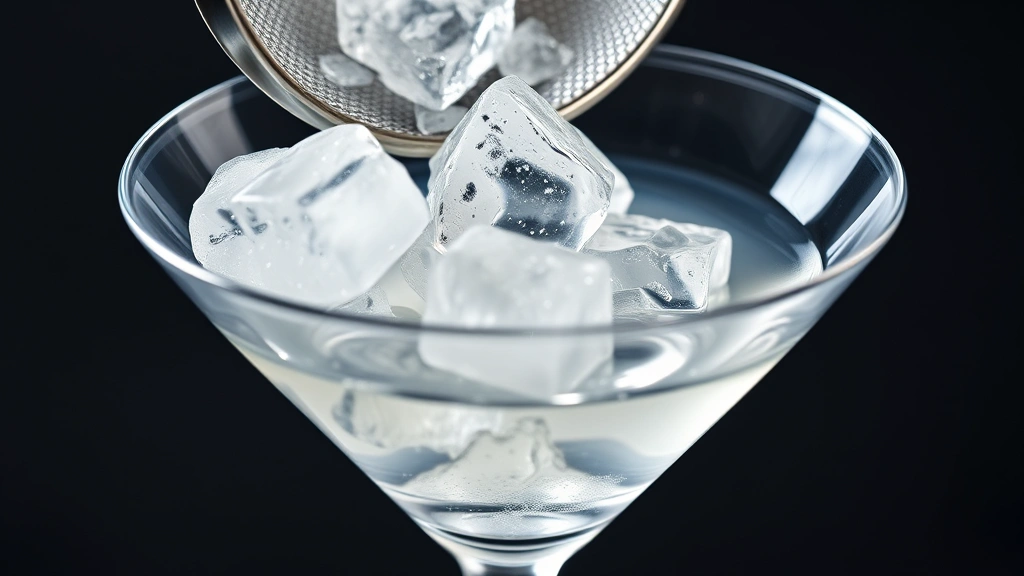
Empty the water from your chilled martini glass and strain the cocktail into it using a fine-mesh strainer. This catches any small ice chips or diluted liquid that you don’t want in the finished drink.
Step 6: Garnish
Drop in a thin apple slice or express a lemon twist over the top. The citrus oil adds a nice aroma and a professional touch.
Choosing Apple Liqueur
This is where you can really customize your drink. There are several apple liqueurs available, and each one brings a slightly different character to the party. Pucker Apple is sweet and straightforward—great if you want maximum apple flavor. DeKuyper Sour Apple Schnapps leans tart and green, perfect if you prefer something less sugary. Some bartenders swear by Berentzen Apple, which has a more complex, almost cidery quality.
My recommendation? Start with whatever you can find locally, make one drink, and take notes on whether you want it sweeter, tarter, or more complex next time. Then adjust your next batch accordingly. This is your home bar—make it taste like you want it to taste.
If you’re experimenting with flavors, you could also try mixing two different apple liqueurs in equal parts to create your own signature version. Just remember to adjust the other ingredients proportionally so you don’t end up with something too sweet.
Vodka Selection Matters
While vodka is technically a neutral spirit, different brands have different mouthfeels and subtle flavor profiles. Some are silky smooth, others are a bit harsh, and a few have slight grain or potato notes that you’ll definitely notice in a simple cocktail like this.
For an appletini, you want something clean and smooth that won’t compete with the apple flavors. Brands like Tito’s, Svedka, Smirnoff, or even store-brand vodka work beautifully. Avoid the bottom-shelf stuff that tastes like rubbing alcohol—your taste buds will thank you. You’re looking for something in the $20-$35 range that you’d actually enjoy sipping neat.
Here’s a pro tip: keep your vodka in the freezer. Cold vodka makes a better cocktail, and frozen vodka straight from the freezer needs less ice to chill properly, which means less dilution in your final drink.
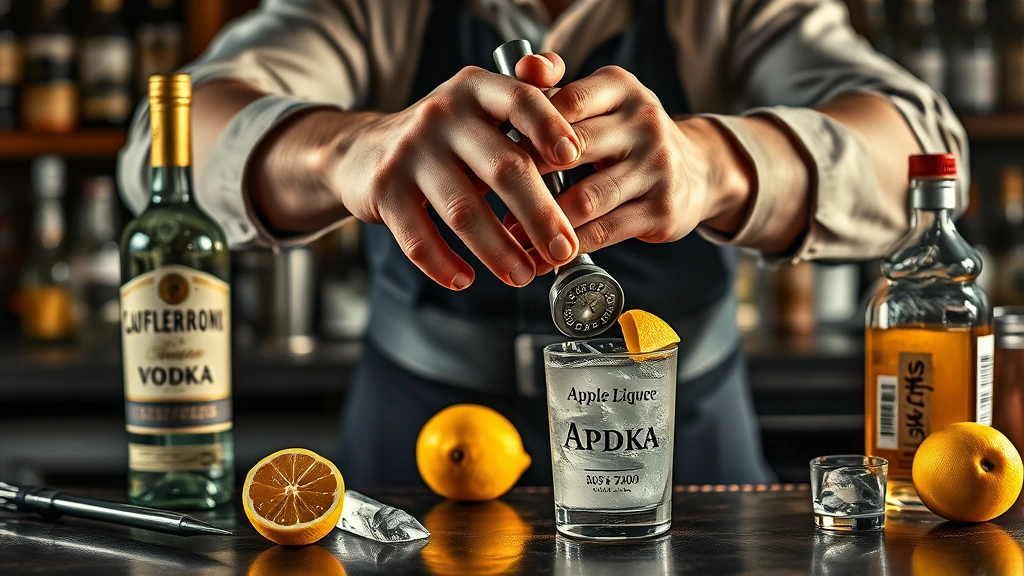
Shaking Technique
This is where a lot of home bartenders overthink things. Shaking isn’t complicated, but there are a few principles that matter:
Use the Right Shaker
A Boston shaker (two-part metal shaker) works best, but a cocktail shaker with a built-in strainer works fine too. Just avoid those tiny single-serve shakers—you need volume to shake effectively.
Shake with Confidence
Hold the shaker firmly with both hands, one on the top and one on the bottom. Shake vigorously—not gently. You’re going for speed and aggression here. The goal is to chill the liquid quickly and thoroughly. Aim for 10-15 seconds of hard shaking.
Listen for the Signal
After about 10 seconds, the outside of the shaker will frost over. That’s your signal that the liquid inside is properly chilled. You can stop shaking at that point.
Strain Properly
Use a fine-mesh strainer or Hawthorne strainer to catch ice and keep the drink smooth. A little dilution from melted ice is actually good—it opens up the flavors—but you don’t want chunks of ice in your finished drink.
Serving and Presentation
The appletini looks beautiful in a chilled martini glass, which is half the appeal. The presentation matters, even if you’re just making this for yourself. A few quick touches make it feel special:
Chill Everything
I can’t stress this enough. A warm martini glass ruins an otherwise perfect drink. Spend 30 seconds chilling your glass before you start mixing.
Use Fresh Garnishes
A thin apple slice looks way more professional than a random piece of fruit. If you’re using an apple, slice it thin, and consider dropping it in just before serving so it doesn’t oxidize and turn brown. A lemon twist (the oils expressed over the top) adds sophistication with minimal effort.
Serve Immediately
Make the drink and serve it right away. Don’t let it sit. The longer a cocktail sits after shaking, the more the ice melts and the more diluted it becomes.
If you’re making multiple drinks for guests, shake them in batches rather than all at once. It’s faster, easier, and the drinks stay at peak temperature.
Variations to Try
Once you’ve mastered the basic appletini recipe, here are some fun tweaks to keep things interesting:
The Spiced Apple
Add 0.25 oz cinnamon liqueur (like Fireball) and reduce the apple liqueur to 0.75 oz. This brings in warm spice notes that are perfect in fall.
The Green Apple
Use sour apple schnapps instead of regular apple liqueur for a tarter, more herbaceous drink. Add a tiny splash of lime juice instead of lemon.
The Apple Pie
Add 0.5 oz vanilla liqueur and a pinch of nutmeg. Garnish with a cinnamon stick. It’s like dessert in a glass—perfect after dinner.
The Caramel Apple
Add 0.5 oz salted caramel liqueur and top with a tiny drizzle of caramel sauce on the rim. Rich, sweet, and totally indulgent.
The beauty of cocktails is that they’re endlessly customizable. Once you understand the basic formula, you can play around with different liqueurs and ingredients. Just remember that balance is key—if you add something sweet, you might need a little more lemon juice to keep it from becoming cloying.
Common Mistakes to Avoid
Here’s what I see people mess up most often when making an appletini recipe:
Using Bottled Lemon Juice
This is the biggest culprit. Bottled lemon juice tastes stale and flat compared to fresh-squeezed. Spend two minutes squeezing a fresh lemon. Your drink will be noticeably better.
Not Chilling the Glass
A warm glass will melt the ice in your drink and dilute it within seconds. Always chill your glass first.
Shaking Too Gently
You need to shake hard and fast. A wimpy shake won’t chill the drink properly, and it’ll taste warm and watered-down.
Using Too Much Apple Liqueur
It’s easy to pour heavy and end up with something that tastes like liquid candy. Stick to the 1 oz measurement—it’s balanced for a reason.
Forgetting to Strain Properly
Ice chips in your martini glass are not sophisticated. Use a fine-mesh strainer to catch them.
Making It Too Sweet
If you’re adding simple syrup, start with 0.25 oz and taste before adding more. You can always add sweetness, but you can’t take it out.
If you’re interested in other easy-to-make drinks at home, you might enjoy learning how to make caramel popcorn for a cocktail party snack, or even how to make gravy from drippings if you’re planning a more elaborate entertaining situation.
Frequently Asked Questions
Can I make an appletini without a cocktail shaker?
Technically, yes. You can stir the ingredients vigorously in a glass with ice for about 30 seconds, but shaking is better because it chills the drink faster and creates a slightly better texture. If you don’t have a shaker, even a mason jar with a tight-fitting lid works in a pinch.
What’s the difference between an appletini and apple martini?
They’re the same drink—just different names. Some bartenders use “appletini” for the apple liqueur version and “apple martini” for versions made with apple juice, but there’s no strict rule. Make it however you like and call it whatever you want.
Can I make this drink in advance?
Not really. Cocktails are best fresh. If you’re making drinks for a party, you can prep your ingredients ahead of time (measure out your vodka and apple liqueur in advance, squeeze your lemon juice), but shake and serve each drink individually. It takes literally two minutes per drink, and your guests will appreciate the fresh, properly chilled result.
Is an appletini gluten-free?
Most vodka and apple liqueurs are gluten-free, but check the labels on your specific brands to be sure. Some schnapps can contain gluten, so verify before serving to anyone with celiac disease or gluten sensitivity.
What kind of ice should I use?
Larger, denser ice cubes are better than small ones because they melt more slowly. If you only have small ice cubes, use more of them and shake faster to chill the drink before too much melts. Avoid ice that smells or tastes stale—if your freezer smells like old food, your ice will too.
Can I make this with gin instead of vodka?
You can, but it changes the character of the drink significantly. Gin brings botanical flavors that compete with the apple liqueur. If you want to try it, use a lighter, more delicate gin and reduce the amount slightly. It’s a different drink, but not necessarily a worse one.
How much does it cost to make an appletini at home?
Once you’ve bought your bottles, each drink costs about $2-$3 in ingredients. Compare that to $12-$15 at a bar, and you’re looking at serious savings if you make these regularly. A bottle of vodka ($25-$35) makes about 12-15 drinks, and a bottle of apple liqueur ($15-$20) lasts even longer since you only use 1 oz per drink.
Final Thoughts
The appletini recipe is proof that you don’t need complicated techniques or rare ingredients to make a genuinely good cocktail. It’s approachable, delicious, and impressive enough to serve at a dinner party or casual enough to make for yourself on a Tuesday night. Master the basics—fresh lemon juice, proper shaking, a chilled glass—and you’ve got a drink that tastes like you know what you’re doing.
Start with the classic version, nail the technique, and then feel free to experiment with variations once you understand how the flavors work together. Your home bar doesn’t need to be complicated. It just needs to make drinks that taste good and make you happy. This one does both.


