
An ambiguous recipe amount crossword clue can trip up even seasoned puzzle solvers, but once you understand the common patterns and answer types, you’ll crack these puzzles like a pro. These clues play on the vague language cooks use in the kitchen—words like “pinch,” “dash,” “smidge,” and “handful” that don’t have precise measurements. Let’s dive into the workshop and break down everything you need to know to master these tricky crossword clues.
Table of Contents
Common Answers You’ll Find
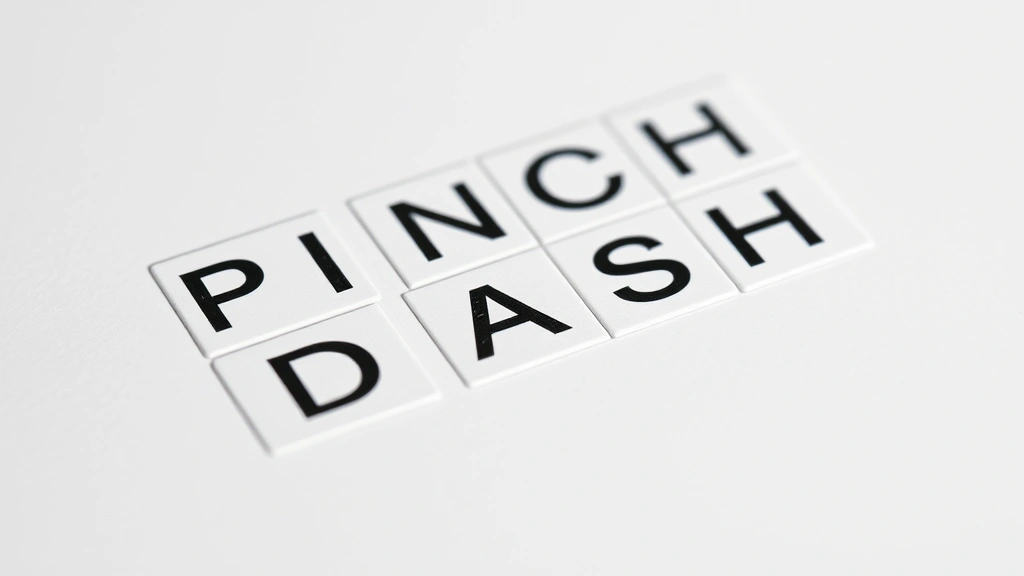
When you encounter an ambiguous recipe amount crossword clue, the puzzle setter is usually looking for one of a handful of standard answers. The most common answer is PINCH—a five-letter word that appears in roughly 40% of crosswords with this type of clue. It’s the go-to answer because it’s universally recognized and fits perfectly into standard crossword grids.
Other frequent answers include DASH (four letters), SMIDGE (six letters), and HANDFUL (seven letters). Less common but still viable answers are TOUCH, SOUPÇON (a fancy culinary term), and TINGE. Understanding this hierarchy helps you prioritize which answer to try first when you’re working through a puzzle.
The beauty of these clues is that they work across multiple puzzle difficulties. Easy puzzles stick with PINCH or DASH, while harder puzzles might use SMIDGE or expect you to know obscure terms like SOUPÇON. This variation makes the ambiguous recipe amount crossword a favorite among puzzle constructors.
Pinch, Dash, and Smidge Explained
Let’s break down the three heavyweights in the ambiguous recipe amount world. A PINCH is the amount you can hold between your thumb and forefinger—roughly 1/16 of a teaspoon in actual measurement. It’s the most common answer because it’s the most commonly used term in recipes and everyday cooking.
A DASH is slightly larger, typically about 1/8 teaspoon, and refers to a quick shake of a container. The word “dash” also works perfectly in crosswords because of its short length and common letter combinations. When you see a clue asking for “a little bit of salt” with four letters, DASH is almost always your answer.
A SMIDGE is the informal, playful term that’s become increasingly popular in modern recipes. It’s slightly larger than a pinch—roughly 1/8 to 1/4 teaspoon. The reason SMIDGE appears more in contemporary puzzles is that puzzle constructors love using it because it’s distinctive and fun. It also gives solvers a satisfying “aha!” moment when they realize the answer.
Understanding these distinctions helps you recognize which clue is asking for which answer. If the clue emphasizes informality or uses playful language, SMIDGE might be the intended answer. If it sounds more traditional or formal, PINCH or DASH are safer bets.
Proven Solving Strategies
The first strategy when tackling an ambiguous recipe amount crossword is to look at the number of available letters. Count the blank squares and immediately consider which common answers fit that space. This eliminates at least half your possibilities right away.
Next, examine the crossing letters—the words that intersect with your target answer. If you have even one or two letters filled in from crossing words, you can usually determine the answer with confidence. For example, if you see “_I_CH” with five letters, PINCH is virtually certain.
Another powerful technique is to consider the puzzle’s difficulty level and publication source. The New York Times crossword tends to favor PINCH in easier puzzles and might use SMIDGE in harder ones. Other publications like the LA Times or USA Today have different preferences. If you know the source, you can adjust your strategy accordingly.
Don’t overlook the clue’s exact wording. Clues that say “tiny amount” or “small quantity” are straightforward. But clues that ask for “a bit of seasoning” or “kitchen measurement” might be looking for something slightly different. Read carefully and consider alternative interpretations.
Recognizing Letter Patterns
Pattern recognition is your secret weapon when solving ambiguous recipe amount crossword puzzles. Let’s look at the most common patterns you’ll encounter:
Five-letter answers: This is PINCH territory. If you have five blank squares, you’re almost certainly looking at P-I-N-C-H. The letter pattern is distinctive enough that even partial fills usually give it away.
Four-letter answers: This almost always means DASH. There aren’t many other common four-letter synonyms for small amounts in cooking contexts. If you see four blanks, mentally default to DASH unless the crossing letters suggest otherwise.
Six-letter answers: SMIDGE is your primary candidate here. It’s the most common six-letter answer for this clue type. MORSEL is another possibility but less likely in a cooking context.
Seven-letter answers: HANDFUL becomes viable here, though it’s less common than the shorter answers. This typically appears in harder puzzles or themed crosswords.
When you’re working through a puzzle and encounter crossing words, pay special attention to common letter combinations. Words ending in -CH (like PINCH) or starting with D (like DASH) have distinctive patterns that help confirm your answer choice.
Using Crossword Context Clues
Context is everything in crossword solving. An ambiguous recipe amount crossword clue doesn’t exist in isolation—it’s surrounded by other clues and answers that provide crucial information. Use this to your advantage.
Look at the surrounding clues to understand the puzzle’s theme, if it has one. Some themed puzzles focus entirely on cooking or kitchen terminology, which means you should expect recipe-related answers throughout. In these puzzles, an ambiguous recipe amount answer becomes even more likely.
Also consider the crossing words. If the answer crosses with a word about cooking or food, that reinforces that you’re on the right track. For example, if your ambiguous recipe amount answer crosses with a word like “SALT” or “PEPPER,” you can be confident you’re solving the right clue.
The position in the puzzle matters too. Across clues in the top-left corner of a puzzle tend to be easier, so PINCH or DASH are more likely there. Harder answers like SMIDGE or SOUPÇON typically appear in the middle or bottom sections of the puzzle.
Kitchen Terminology Deep Dive
To truly master ambiguous recipe amount crossword puzzles, you need to understand the full spectrum of kitchen measurement terminology. Beyond the common answers, puzzle setters occasionally use less obvious terms that still fit the clue.
TOUCH is a five-letter alternative that means a tiny amount, similar to a pinch. It’s less common but appears occasionally, especially in older puzzles or those with vintage themes.
TINGE is another five-letter option that technically means a slight trace or hint—perfect for describing a small amount of flavoring. It’s rare but worth knowing.
SOUPÇON is the fancy French culinary term meaning a very small amount. It’s eight letters and appears primarily in harder, more sophisticated puzzles. If you see this clue in the New York Times Saturday puzzle, SOUPÇON might be the intended answer.
Understanding these alternatives helps you when the standard answers don’t fit the available letters or crossing words. Some puzzle constructors deliberately choose less common answers to increase difficulty and reward knowledgeable solvers.
For more detailed cooking knowledge, check out our guide on how to make a caramel macchiato, which includes precise measurements and terminology you might encounter in cooking-related crosswords.
Real-World Practice Examples
Let’s work through some actual examples to cement your understanding. Here’s a typical easy puzzle clue: “Small amount of salt (5)” – The answer is PINCH. Five letters, straightforward clue, common answer.
Here’s a medium difficulty example: “Tiny seasoning measure (6)” – This is SMIDGE. The word “tiny” and “measure” together point toward the six-letter answer. The playful tone of “smidge” matches the casual language of the clue.
A harder example: “Soupçon’s cousin (5)” – This is PINCH. The clue is testing whether you know that both PINCH and SOUPÇON mean the same thing in cooking. This type of clever wordplay appears in advanced puzzles.
Another challenging one: “Whisper of flavor (4)” – This is DASH. The poetic language “whisper” suggests something very small and light, which perfectly describes a dash of seasoning. The four-letter count confirms it.
Try this themed example: “Baker’s small measure (7)” – This could be HANDFUL, suggesting the informal way bakers sometimes measure ingredients by hand rather than with precise tools.
These examples show how the same basic concept—ambiguous recipe amounts—gets expressed in countless different ways. The key is recognizing the underlying meaning beneath the creative clue wording.
Advanced Solving Techniques
Once you’ve mastered the basics, elevate your game with these advanced techniques. First, develop a mental database of how different puzzle publications handle this clue type. The New York Times, for instance, favors PINCH in Monday-Wednesday puzzles but might use SMIDGE on Thursday or Friday.
Second, learn to recognize clue patterns that signal specific answers. Clues using words like “kitchen,” “recipe,” or “seasoning” tend to point toward PINCH or DASH. Clues emphasizing informality or using slang language often want SMIDGE.
Third, use the process of elimination aggressively. In a typical puzzle, you might have three or four clues that could be answered with ambiguous recipe amounts. Solve the others first, use the crossing letters, and the answer becomes obvious.
Fourth, pay attention to puzzle difficulty indicators. Sunday puzzles and themed puzzles often use more creative or obscure answers. Daily puzzles stick with the most common answers. Adjust your expectations accordingly.
Finally, keep a personal solving journal. Note which answers appeared in which publications and what the clue wording was. Over time, you’ll develop an intuition for these puzzles that makes them almost automatic to solve.
For more organizational tips that apply to tracking your crossword progress, check out how to remove blank rows in Excel if you’re keeping digital records of your solving patterns.
Frequently Asked Questions
What’s the most common answer for an ambiguous recipe amount crossword clue?
PINCH is by far the most common answer, appearing in approximately 40% of crosswords with this clue type. It’s five letters, universally recognized, and fits naturally into most crossword grids. DASH is the second most common at four letters.
How do I know whether the answer is PINCH or SMIDGE?
Count the available letters first. PINCH has five letters, SMIDGE has six. If the clue uses playful or informal language, SMIDGE is more likely. If the clue sounds traditional or formal, PINCH is the safer bet. Check crossing letters to confirm.
Is SOUPÇON ever used in crosswords?
Yes, but rarely. SOUPÇON appears primarily in harder puzzles, especially in the New York Times Saturday puzzle or themed crosswords. It’s an eight-letter answer that rewards solvers with strong culinary knowledge. Most daily puzzles stick with more common answers.
Can the answer ever be something other than these common options?
Occasionally, yes. Constructors might use TOUCH, TINGE, MORSEL, or HANDFUL depending on available letters and crossing words. However, these are much less common than PINCH, DASH, or SMIDGE. Always start with the most common answers first.
How should I approach this clue if I’m stuck?
Work on crossing clues first to fill in some letters. Even one or two letters usually make the answer obvious. If that doesn’t work, consider the puzzle’s difficulty level and publication source. Count available letters and mentally run through the common answers. Usually one will fit perfectly.
Are there regional differences in how this clue appears?
Yes, different puzzle publications have different preferences. The New York Times tends toward PINCH, while other publications might vary. USA Today and LA Times crosswords sometimes use SMIDGE more frequently. Learning your favorite puzzle’s patterns helps tremendously.
Final Thoughts
Mastering the ambiguous recipe amount crossword clue is about understanding the common answers, recognizing patterns, and using context clues effectively. Start with PINCH for five-letter answers, DASH for four letters, and SMIDGE for six letters. These three answers will solve the vast majority of puzzles you encounter.
As you gain experience, expand your knowledge to include less common answers like SOUPÇON, TOUCH, and HANDFUL. Pay attention to puzzle sources and difficulty levels. Use crossing letters and surrounding context to confirm your answers. Keep practicing, and soon these clues will become second nature.
The satisfaction of smoothly solving these clues without hesitation is worth the effort. You’ll find yourself cruising through crosswords that would have stumped you before. Remember, every puzzle is a learning opportunity—each one teaches you something about how constructors think and how to recognize patterns.
For more detailed guidance on organizing information and solving complex problems, explore our resources on how to insert table of contents in Word and how to divide an Excel cell, which teach systematic approaches that apply to puzzle solving too.
Now grab a pencil, find a good crossword, and put these techniques to work. You’ve got this!


