
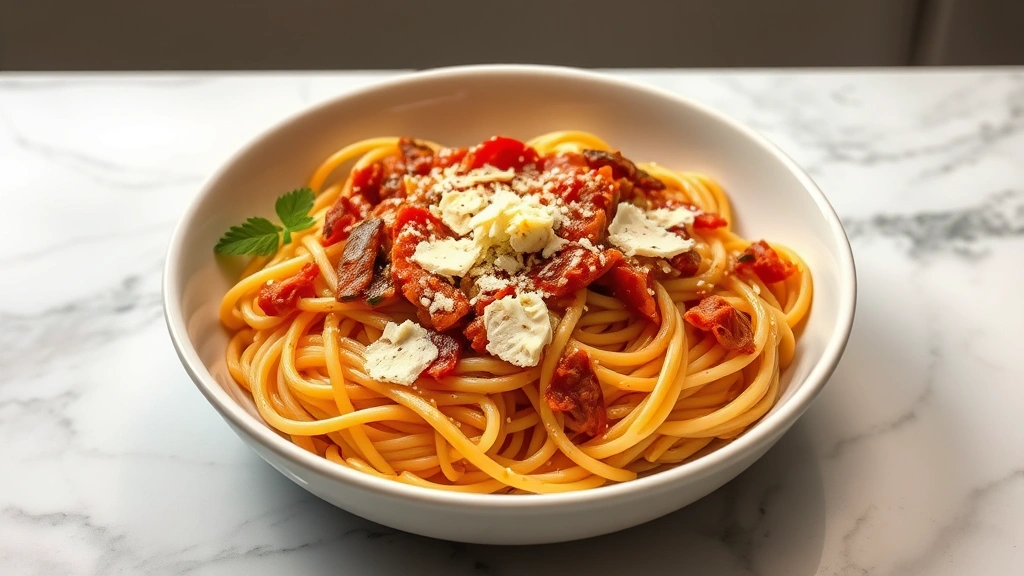
An amatriciana recipe is one of those Italian classics that tastes like you’ve been cooking for hours, but pulls together in just 30 minutes with a handful of quality ingredients. This Roman pasta dish—born in the small town of Amatrice in Lazio—delivers bold, savory flavors that’ll make your kitchen smell like a trattoria in Rome.
Table of Contents
What Is Amatriciana?
Amatriciana (also spelled alla matriciana) is a Roman pasta sauce that combines guanciale—cured pork jowl—with tomatoes, pecorino Romano cheese, and a whisper of heat from red chili pepper. It’s one of the four sacred Roman pasta sauces, sitting right alongside carbonara, cacio e pepe, and alla gricia. The beauty of this amatriciana recipe lies in its simplicity: you’re not drowning pasta in cream or spending hours simmering. Instead, you’re letting quality ingredients do the talking.
The dish gets its name from Amatrice, a mountain town in the Lazio region. Traditionally, it was made by shepherds and farmers who needed hearty, portable food. The guanciale provided fat for cooking and preservation, the tomatoes added acidity and body, and the cheese brought umami punch. Today, it remains a staple in Roman trattorias and home kitchens across Italy.
Ingredients You Need
Here’s the non-negotiable list for an authentic amatriciana recipe:
- Guanciale: 150 grams (5 oz) of quality cured pork jowl, diced into small cubes
- San Marzano tomatoes: One 28-oz can of whole peeled tomatoes (or 400g fresh if in season)
- Pecorino Romano cheese: 100 grams (3.5 oz), finely grated
- Red chili pepper: One small dried peperoncino or pinch of red pepper flakes
- Pasta: 400 grams (14 oz) of tonnarelli, bucatini, or spaghetti
- Salt: For pasta water and seasoning
- Black pepper: Freshly ground
Notice what’s NOT on this list: garlic, onion, cream, olive oil, or butter. This is deliberate. The guanciale’s rendered fat is your cooking medium, and the other ingredients stand on their own merit. Buy the best guanciale you can find—it should be properly aged and smell porky, not rancid.
Prep Your Guanciale
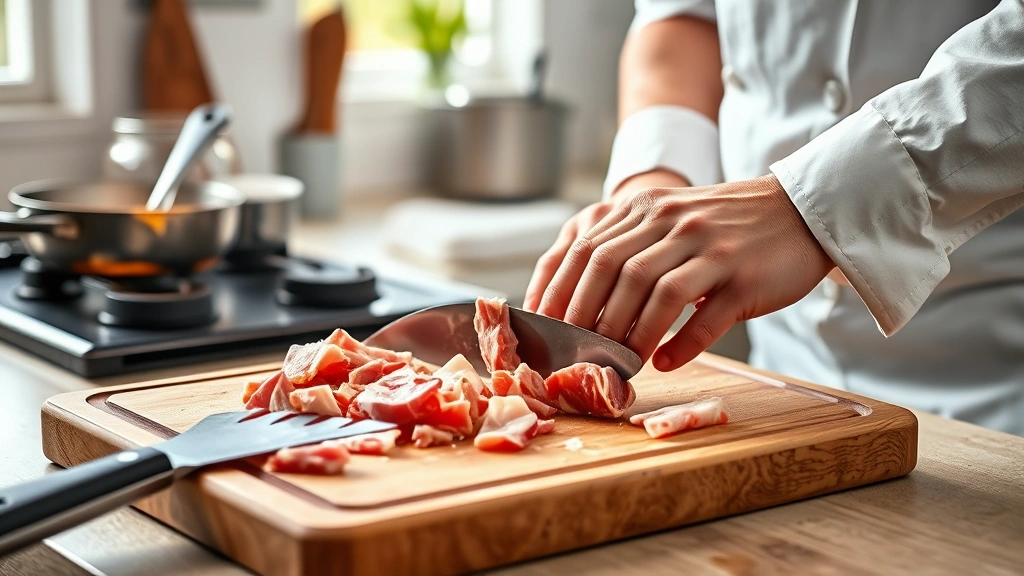
Start by removing your guanciale from the fridge 10 minutes before cooking. It’ll slice and dice more cleanly at room temperature. Cut away any hard exterior rind, then dice the meat into small cubes—roughly the size of a die. You want pieces small enough to render quickly but large enough to stay chewy.
Place your diced guanciale in a large, heavy-bottomed pan (cast iron or stainless steel work best) over medium-low heat. Don’t add any oil or water. The guanciale will release its own fat as it cooks. Stir occasionally for about 8-10 minutes until the meat is crispy at the edges and the fat is rendered into a golden pool. You should hear a gentle sizzle, not a roaring fry.
When the guanciale is done, you’ll have about 3-4 tablespoons of rendered fat in the pan. This is liquid gold for your sauce. If you’ve accidentally rendered too much fat (which is hard to do), you can drain a bit, but don’t discard it—save it for cooking eggs or roasting vegetables later.
Building the Sauce
With your guanciale and fat still in the pan, add your dried chili pepper (whole or crushed). Let it toast for 30 seconds—just enough to wake up the heat without burning it. If you’re using pepper flakes, add a small pinch now.
Pour in your canned tomatoes. If you’re using whole San Marzano tomatoes, crush them by hand as you add them to the pan. Stir well to combine with the fat and guanciale. The sauce should look rustic and chunky at this point, not smooth.
Bring the sauce to a gentle simmer over medium heat. You want small, occasional bubbles breaking the surface, not a rolling boil. Simmer for 10-12 minutes, stirring occasionally. The tomatoes will break down slightly, the flavors will meld, and the sauce will reduce just a bit. Taste and adjust salt carefully—guanciale is already salty, so go easy. Add freshly cracked black pepper to your liking.
The sauce should smell rich, savory, and complex. If it smells sharp or acidic, you might need to add a tiny pinch of sugar to balance the tomatoes, but this is rarely necessary with quality San Marzano.
Cooking the Pasta Right
While your sauce is simmering, bring a large pot of salted water to a rolling boil. Use about 4-5 liters of water and salt it generously—it should taste like the sea. Add your pasta and stir immediately to prevent sticking. Cook according to package directions, but aim for al dente (usually 8-10 minutes for dried pasta). You want the pasta to have a slight bite in the center, not soft or mushy.
Here’s a pro tip: reserve at least one cup of pasta water before draining. This starchy liquid is your secret weapon for bringing the sauce and pasta together. It helps the sauce cling to the pasta and creates a silky texture without any cream.
Finishing Touches Matter
This is where technique separates a good amatriciana recipe from a great one. Add your drained pasta directly to the pan with the sauce. Toss gently over medium heat for about 30-45 seconds, adding a splash of pasta water (about 2-3 tablespoons) as you toss. The starch from the water will emulsify with the rendered fat, creating a glossy, cohesive sauce that coats every strand of pasta.
Remove the pan from heat. Now add most of your grated pecorino Romano—reserve about 2 tablespoons for garnish. Toss quickly and gently. The residual heat will melt the cheese slightly, creating a creamy (but not cream-based) texture. Don’t overwork it; you want distinct pieces of guanciale and tomato, not a homogenized mush.
Divide into warm bowls immediately. Top each bowl with a pinch of the reserved pecorino Romano and a crack of fresh black pepper. Serve right away—this dish doesn’t wait.
Common Mistakes to Avoid
Using pancetta instead of guanciale is the biggest shortcut people take. Pancetta is belly meat, not jowl, and it has a different fat composition and flavor profile. If you absolutely can’t find guanciale, use a high-quality Spanish jamón ibérico in a pinch, but guanciale is worth hunting down.
Cooking the sauce too hot or too long will cause the tomatoes to break down completely and the fat to separate. Keep your heat gentle and your cooking time short. This isn’t a long-simmering ragù.
Adding garlic or onion is a common mistake. Traditional amatriciana lets the guanciale, tomato, and cheese shine. If you add aromatics, you’re making a different dish—which might be delicious, but it’s not authentic amatriciana.
Using pre-grated or aged pecorino Romano (the stuff in the green can) will disappoint you. Buy a wedge of fresh pecorino Romano and grate it yourself. The difference is night and day.
Scaling Up for a Batch
This recipe easily scales. For 6-8 servings, multiply all ingredients by 1.5 or 2. The cooking time stays roughly the same—the sauce won’t need longer to develop flavor. Just use a larger pan so the guanciale renders evenly and the sauce simmers gently.
If you’re cooking for a crowd, render the guanciale first, then add tomatoes and let them simmer while your guests arrive. Keep the pasta water hot in a separate pot. Cook pasta in batches if needed, or use multiple pots. Finish each batch individually with sauce and cheese for the best results.
Storage and Make-Ahead Tips
The sauce (without pasta) can be made up to 2 days ahead and stored in an airtight container in the fridge. Reheat gently over low heat, adding a splash of water if it’s too thick. The flavors actually improve slightly as they meld overnight.
Don’t cook the pasta until you’re ready to serve. Amatriciana is best fresh and hot. However, if you have leftovers, store the pasta and sauce separately in the fridge for up to 3 days. Reheat the sauce gently, then toss with fresh hot pasta or even warmed leftover pasta.
The rendered guanciale fat can be strained and stored in a jar in the fridge for up to 2 weeks. Use it for cooking eggs, roasting potatoes, or starting other sauces.
Frequently Asked Questions
Can I make amatriciana without guanciale?
Technically, yes, but you’ll lose the soul of the dish. Guanciale’s flavor and fat are irreplaceable. If it’s truly unavailable, high-quality pancetta or jamón ibérico are your best alternatives, though the result won’t be traditional amatriciana.
What pasta shape works best?
Tonnarelli (square spaghetti), bucatini (hollow spaghetti), or regular spaghetti are traditional. Any long, thin pasta works. Avoid short shapes like penne—they don’t hold the sauce the same way.
Is the red chili pepper optional?
It’s traditional, but if you don’t like heat, you can omit it. The dish will still be delicious, just less spicy. Start with a small amount and adjust to your taste.
Why does my sauce taste acidic?
San Marzano tomatoes are sometimes acidic depending on the harvest. A tiny pinch of sugar (less than 1/4 teaspoon) can balance this. Alternatively, simmer the sauce a bit longer to reduce acidity.
Can I use fresh tomatoes?
Yes, during tomato season. Use about 500 grams (1 lb) of ripe, flavorful tomatoes. Core them, crush them by hand, and add to the pan. Fresh tomatoes may need slightly longer cooking (12-15 minutes) to break down properly.
Do I really need pasta water in the sauce?
Yes. The starch in pasta water emulsifies the fat and creates a silky sauce that clings to the pasta. It’s a crucial step, not optional.
The Bottom Line
An authentic amatriciana recipe is proof that you don’t need complicated techniques or long ingredient lists to create restaurant-quality food. Five simple ingredients—guanciale, tomatoes, pecorino Romano, chili, and pasta—combine to make something greater than the sum of their parts. The key is respecting each ingredient and not rushing the process. Make this dish once, and you’ll understand why Romans have been eating it for generations.


