
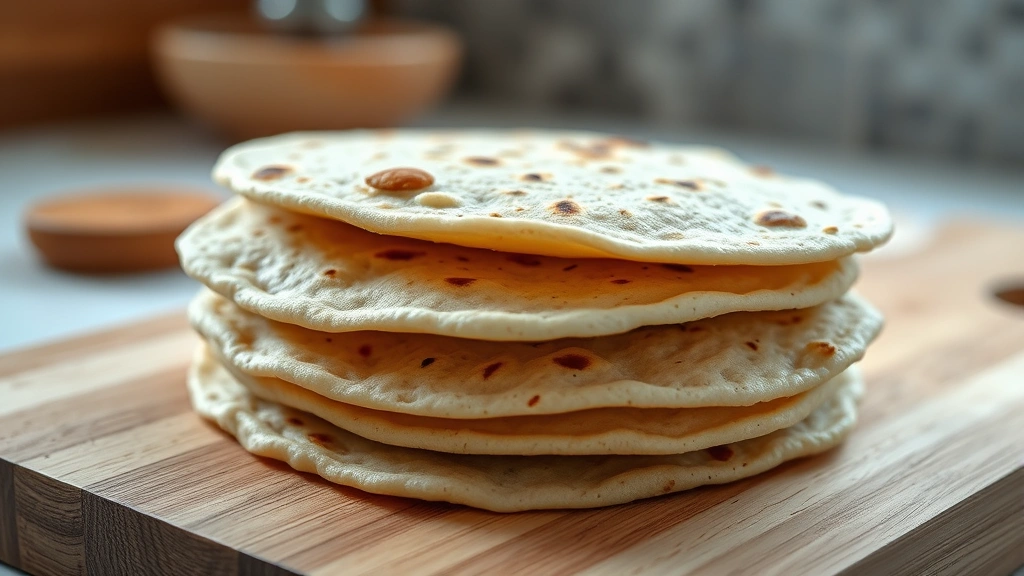
An almond flour tortilla recipe is your ticket to quick, delicious, low-carb wraps that actually taste like real food. I’ve spent years tinkering with this in my kitchen workshop, and honestly, once you nail the technique, you’ll never go back to store-bought. These soft, pliable tortillas come together in about five minutes, require minimal equipment, and taste incredible whether you’re filling them with breakfast scrambles, lunch wraps, or dinner fajitas.
Table of Contents
Why Almond Flour Works
Here’s the thing about almond flour tortillas—they’re nothing like the rubbery low-carb imposters you might’ve tried. Almond flour has natural fat and protein that creates a tender crumb structure. When you combine it with eggs and a binder, you get something that actually holds together and tastes genuinely good. I started experimenting with this back when I was trying to reduce carbs without sacrificing flavor, and the results surprised me. The texture is closer to a traditional flour tortilla than you’d expect, with just enough flexibility to wrap around fillings without tearing.
Ingredients You Need
Keep this simple—you don’t need a pantry full of specialty items. Here’s what works:
- 1 cup almond flour (blanched, finely ground)
- 4 large eggs
- 2 tablespoons melted butter or ghee
- 1/2 teaspoon sea salt
- 1/4 teaspoon black pepper
- 1/2 teaspoon garlic powder (optional but recommended)
- Pinch of xanthan gum or psyllium husk (optional, improves binding)
That’s it. The quality of your almond flour matters—grab the blanched, finely ground stuff. Coarse almond meal won’t give you the same texture. I source mine from the bulk section when possible, which keeps costs down and ensures freshness.
Equipment Setup
You need surprisingly little here. A mixing bowl, a whisk or fork, a non-stick skillet (cast iron works too), and a spatula. Some people use parchment paper between tortillas—I do this because it prevents sticking and makes storage easier. If you’re making a batch, parchment squares are your friend. A blender works if you want ultra-smooth batter, but honestly, hand-whisking is fine and gives you more control.
Step-by-Step Instructions
Mixing the batter: Crack your eggs into a bowl and whisk them until they’re fully combined—no streaks of white. Add melted butter, salt, pepper, and garlic powder. Whisk again until smooth. Now add your almond flour slowly, stirring as you go. If you’re using xanthan gum, sprinkle it in during this step. The batter should be thicker than pancake batter but thinner than cookie dough. It’ll look slightly grainy, which is normal.
Let it rest: This is the step people skip, and it makes a difference. Let the batter sit for two minutes. This gives the almond flour time to fully hydrate, and your tortillas will be more pliable. I use this time to heat my skillet.
Heat your pan: Medium heat is your sweet spot. Too hot and the outside burns before the inside cooks through. Too cool and they stay rubbery. I let my non-stick skillet heat for about two minutes, then test it with a drop of water—it should sizzle gently, not aggressively.
Cook the tortillas: Pour about 1/4 cup batter onto the center of your hot pan. Immediately tilt and rotate the pan in a circular motion to spread the batter thin—similar to making crepes. This is the technique that separates good tortillas from thick pancakes. The thinner you spread it, the more pliable it’ll be. Cook for about 60-90 seconds until the bottom is lightly golden and the top looks mostly set but still slightly wet.
Flip and finish: Use a spatula to flip carefully. Cook the other side for another 45-60 seconds until it’s set and has some light browning. The tortilla should be flexible at this point—if it’s still stiff, it needs a few more seconds.
Cooking Technique Matters
The difference between a great almond flour tortilla recipe and a mediocre one often comes down to technique rather than ingredients. The spreading motion is crucial—you want to work quickly before the batter sets. I’ve found that using a slight tilting motion while pouring helps create even thickness. Some people use an offset spatula to help spread the batter, which works well if you’re not confident with the pan-tilting method.
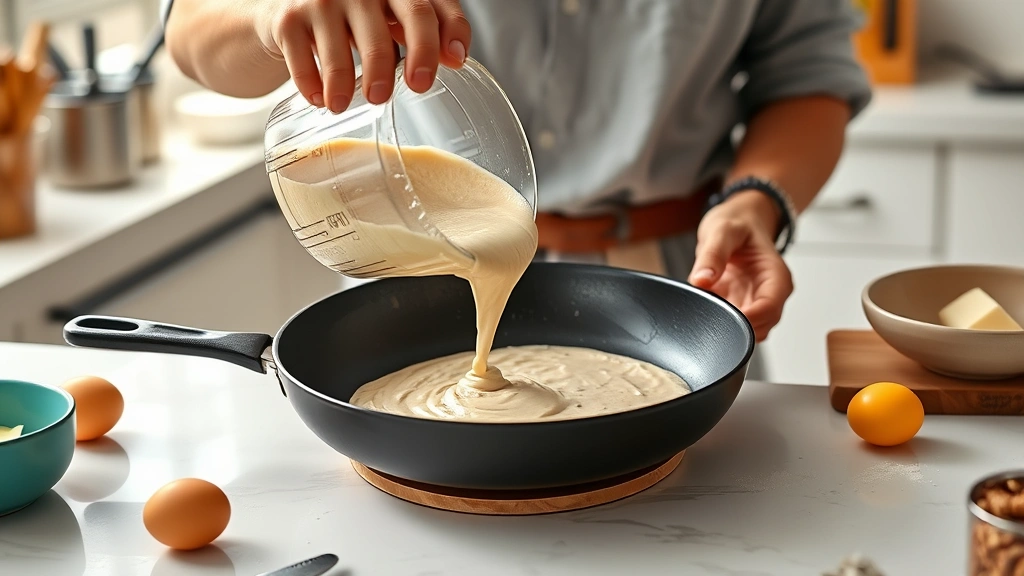
Temperature control is equally important. If your pan is too hot, the edges will brown before the center cooks, leaving you with a stiff, brittle tortilla. Too cool, and they’ll be dense and won’t develop that slight chew. Medium heat, tested with a water drop, works consistently for me across different skillet types.
Troubleshooting Common Issues
Tortillas are too thick: You’re not spreading the batter thin enough. Pour less batter (use 3 tablespoons instead of 1/4 cup) and tilt the pan more aggressively. Think crepe-thin, not pancake-thick.
They’re tearing when you flip: They might be underdone on the first side. Let them cook a full 90 seconds before flipping. Also, make sure your spatula is thin and slides under smoothly without catching.
Batter is too thick to spread: Add water, one tablespoon at a time, until you reach the right consistency. It should pour easily but not be runny.
They’re rubbery: You’re cooking them too long. Pull them off the heat when they’re still slightly underdone—they’ll firm up as they cool. Overcooked almond flour tortillas get tough fast.
Sticking to the pan: Use enough butter or oil in your pan. A light spray or brush of oil between tortillas helps. Non-stick pans are genuinely worth it here.
Storage & Make-Ahead
These tortillas are best fresh, but they store well. Let them cool completely, then stack them between parchment squares and refrigerate in an airtight container for up to five days. To reheat, warm them in a dry skillet for 30 seconds per side—they’ll regain their softness. Freezing works too: stack with parchment, seal in a freezer bag, and they’ll keep for two months. Thaw at room temperature before reheating.
I often make a double batch on Sunday and portion them out for the week. It’s genuinely faster than making them fresh each time, and having them ready makes weeknight dinners so much easier. Store them in the fridge if you’re using them within a few days.
Flavor Variations
Once you master the basic recipe, play with flavors. Add fresh cilantro (1/4 cup chopped) for Mexican-inspired wraps. Try Italian seasoning and sun-dried tomato powder for Mediterranean versions. Smoked paprika gives them a BBQ vibe. For breakfast tortillas, add cinnamon and a touch of vanilla extract. The base recipe is forgiving—most add-ins work as long as you keep the dry-to-wet ratio roughly the same.
I’ve also experimented with different fats. Ghee creates a richer flavor than butter. Coconut oil works but adds coconut taste, which some people love and others don’t. Olive oil is too heavy—stick with butter or ghee.
Nutritional Benefits
Each tortilla has roughly 8-10g of protein, less than 2g net carbs, and about 120 calories. Almond flour brings healthy fats and fiber, making these tortillas surprisingly satiating. They’re naturally gluten-free, which matters if you’re dealing with celiac or sensitivity issues. The egg content adds choline, which is great for brain health. Compare this to standard flour tortillas at 15-20g carbs each, and you’re looking at a significant difference if you’re tracking macros.
I don’t recommend these as a weight-loss miracle food—they’re still calorie-dense because of the almond flour and eggs. But for people managing blood sugar or following low-carb diets, they’re genuinely useful. They also keep you fuller longer than regular tortillas because of the protein and fat content.
Frequently Asked Questions
Can I make the batter ahead of time?
Yes, but use it within a few hours. The batter separates slightly as it sits, so give it a quick stir before cooking. I wouldn’t recommend making it the night before—the almond flour absorbs moisture and the texture changes.
What if I don’t have xanthan gum?
You don’t need it. Xanthan gum just improves binding slightly, making tortillas slightly more pliable. The recipe works fine without it. If you want better binding and don’t have xanthan gum, use 1/2 teaspoon of psyllium husk powder instead, or just add an extra egg.
Can I use almond meal instead of almond flour?
Not really. Almond meal is coarser and won’t give you the same smooth texture. Stick with blanched almond flour—it’s finely ground and creates the right consistency.
Why are mine coming out thick and pancake-like?
You’re using too much batter and not spreading it thin enough. This is the most common issue I see. Pour less batter and tilt the pan more aggressively. It takes practice, but once you get the motion down, it becomes automatic.
Do these taste like regular tortillas?
Not exactly, but they’re closer than you’d expect. They have a slightly nutty flavor from the almond flour and a different mouthfeel—more tender and less chewy than wheat tortillas. Most people prefer them once they adjust to the taste. If you’re expecting them to taste identical to flour tortillas, you’ll be disappointed. If you’re looking for a low-carb alternative that actually tastes good, you’ll be pleasantly surprised.
Can I use this recipe for dessert crepes?
Absolutely. Add 1 tablespoon honey and 1/2 teaspoon vanilla extract to the batter. Cook them the same way, and fill them with berries, whipped cream, or nut butter. They work great as a keto-friendly dessert option.


