
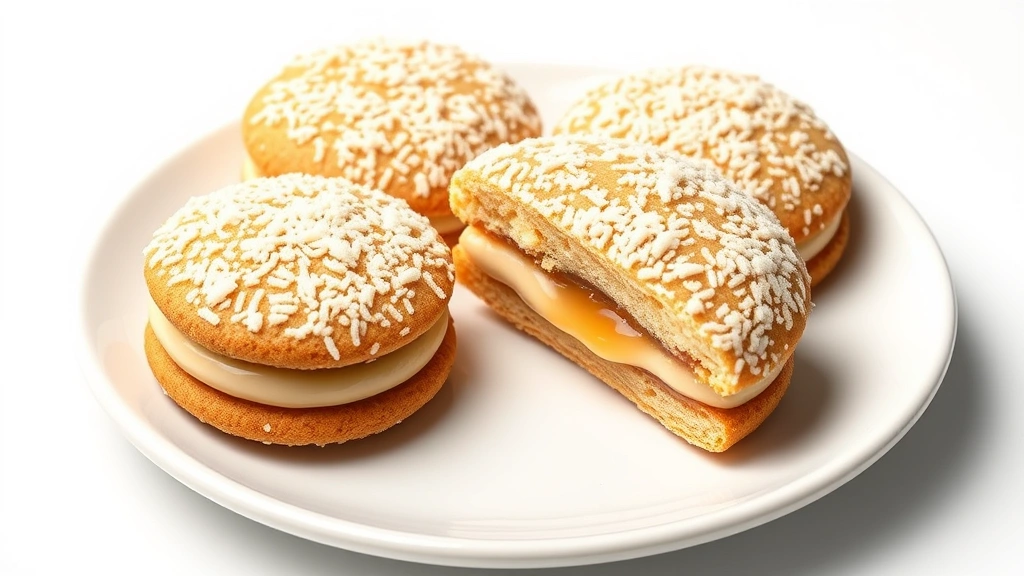
An alfajores recipe is your ticket to making those melt-in-your-mouth dulce de leche sandwich cookies that’ll have everyone asking for your secret. These aren’t just any cookies—they’re a South American treasure that combines buttery, tender shortbread with sweet, caramel-like filling, all dusted with coconut. The best part? You can make authentic alfajores in about 30 minutes, and I’m going to walk you through it like we’re building something in the workshop together.
Table of Contents
What Are Alfajores?
Alfajores are traditional Latin American cookies, particularly beloved in Argentina, Peru, and Uruguay. Think of them as the sophisticated cousin of a sandwich cookie—two tender, buttery shortbread rounds with dulce de leche (that rich, caramel-colored sweetened condensed milk) sandwiched between them, then rolled in shredded coconut. The texture is delicate, almost crumbly, and they literally melt on your tongue. Unlike store-bought versions that can be overly sweet or dry, homemade alfajores have that perfect balance of buttery cookie and creamy filling.
Gather Your Ingredients
Before you start mixing, get everything measured out. Here’s what you’ll need:
- 2 cups all-purpose flour
- 1 cup cornstarch (this is the secret to that tender texture)
- 1 teaspoon baking powder
- 1/2 teaspoon salt
- 1 cup (2 sticks) unsalted butter, softened
- 3/4 cup granulated sugar
- 2 egg yolks
- 1 teaspoon vanilla extract
- 1 jar (13.4 oz) dulce de leche
- 1 1/2 cups shredded unsweetened coconut
The cornstarch is non-negotiable here—it gives alfajores their signature tender, almost sandy texture. Don’t skip it or substitute it with more flour.
Make the Dough
Start by creaming your softened butter and sugar together in a bowl. Use an electric mixer or do it by hand with some elbow grease—you want the mixture light and fluffy, about 2-3 minutes of mixing. This incorporates air into the dough, which contributes to that delicate crumb structure.
Add your egg yolks one at a time, beating well after each addition. Then mix in the vanilla extract. In a separate bowl, whisk together the flour, cornstarch, baking powder, and salt. Gradually add these dry ingredients to your wet mixture, stirring until just combined. Don’t overmix—you’re not making bread. The dough should come together into a soft, slightly crumbly texture. If it seems too dry, add a tablespoon of water at a time until it holds together.
Shape and Bake
Line your baking sheets with parchment paper. Using a small cookie scoop or teaspoon, drop rounded portions of dough onto the sheet, spacing them about an inch apart. These cookies don’t spread much, but you want room to work. Gently flatten each one with the bottom of a glass or your fingertips—they should be about 1/4 inch thick.
Bake at 325°F for 12-15 minutes. You’re looking for them to be set and very lightly golden on the edges, but still pale in the center. They’ll continue to firm up as they cool. Remove them from the oven and let them cool on the baking sheet for 5 minutes, then transfer to a wire rack. This is important—don’t skip the cooling step, or they’ll break apart when you try to sandwich them.
Prepare the Filling
While your cookies cool, get your dulce de leche ready. If you’re using store-bought (which is totally fine and saves time), scoop it into a small bowl. Some people like to thin it slightly with a teaspoon of milk to make it easier to spread, but that’s optional. If you want to make your own dulce de leche from scratch, you can simmer sweetened condensed milk in a sealed can in boiling water for 2-3 hours, but honestly, the store-bought version works beautifully and keeps you on that 30-minute timeline.
Assemble Your Alfajores
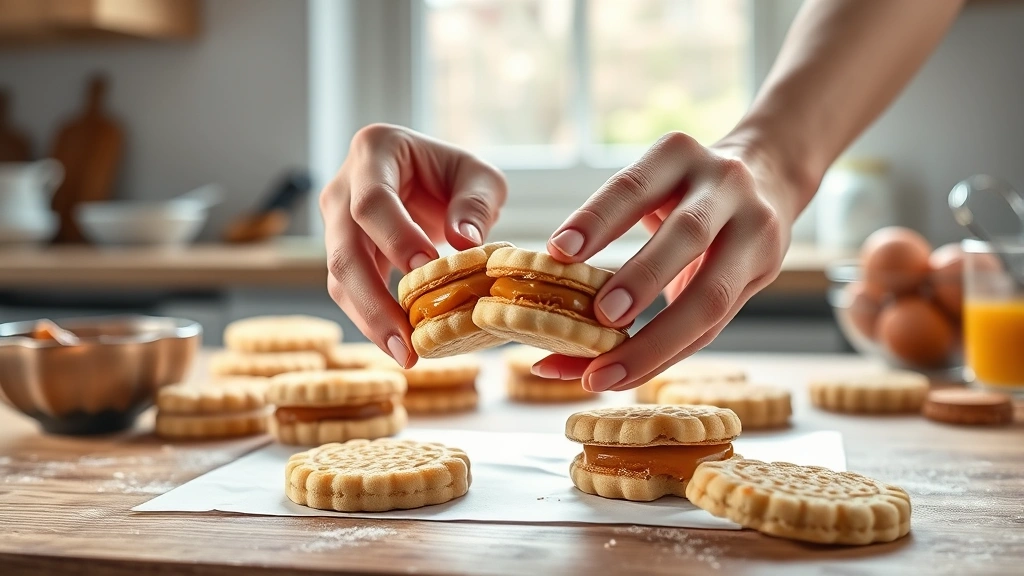
Once your cookies are completely cool, it’s assembly time. Grab two cookies of similar size and flip one over so the flat side is facing up. Spoon about a teaspoon of dulce de leche onto the flat side of that cookie, then press the second cookie on top, flat side down, to create a sandwich. Don’t go crazy with the filling—a little goes a long way, and too much will squeeze out the sides when you bite into it.
Work quickly but carefully here. The cookies are delicate, and if you press too hard, you might crack them. If a cookie does break, don’t sweat it—it still tastes amazing, and you can always crumble extras and use them for something else.
Coat with Coconut
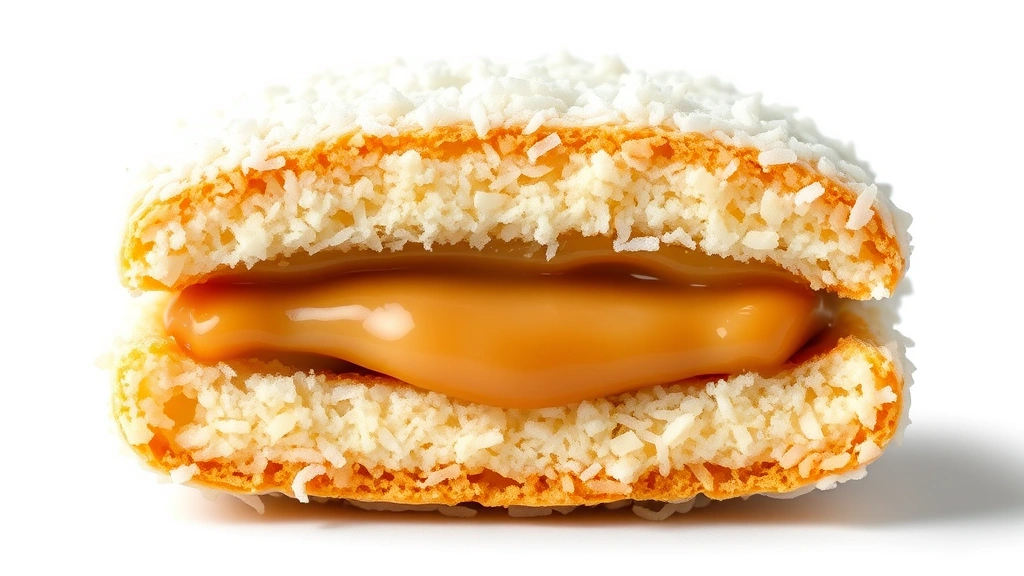
Pour your shredded coconut into a shallow bowl. Working with one alfajor at a time, roll the edges and sides in the coconut, pressing gently so it sticks to the dulce de leche. The coconut coating not only looks beautiful but also adds a subtle tropical flavor and texture contrast. If the dulce de leche is getting too warm and soft, pop your assembled cookies in the fridge for 10 minutes to firm up before coating.
Storage and Serving
Alfajores are best eaten within 2-3 days of making them, stored in an airtight container at room temperature. They can also be refrigerated for up to a week or frozen for up to a month. If you freeze them, let them come to room temperature before eating—the texture is better that way. These are perfect for bringing to a potluck, gifting to friends, or just keeping on hand for when you need something special with your afternoon coffee.
Pro Tips for Success
Here are some workshop-tested tips to level up your alfajores game:
- Don’t skip the cornstarch. This is what makes alfajores different from regular butter cookies. It creates that tender, almost sandy texture.
- Keep your butter soft. Cold butter won’t cream properly, and you’ll end up with dense cookies. Leave it on the counter for 30 minutes before you start.
- Use a cookie scoop. It ensures uniform size, which means even baking. Plus, it’s faster than measuring with spoons.
- Don’t overbake. These cookies continue to firm up as they cool. Pull them out when they’re still pale and slightly soft in the center.
- Chill the dough if needed. If your kitchen is warm or the dough seems too soft, refrigerate it for 15 minutes before scooping.
- Toast your coconut lightly. If you want deeper flavor, toast the shredded coconut in a dry skillet for 2-3 minutes before coating. It adds a nutty dimension.
- Make a dulce de leche hack. If you can’t find jarred dulce de leche, simmer an unopened can of sweetened condensed milk in boiling water for 2 hours, then cool completely before opening. This is the traditional method and tastes incredible.
Flavor Variations to Explore
Once you’ve mastered the basic alfajores recipe, you can start experimenting. Try adding a teaspoon of lemon zest to the dough for brightness, or a pinch of cinnamon for warmth. Some people dip the chocolate-coated edges in melted dark chocolate before the coconut sets—that’s absolutely delicious. You could also swap the coconut for finely chopped pistachios or almonds, or even crushed freeze-dried strawberries for a fruity twist. The foundation is solid; the variations are up to your creativity.
Frequently Asked Questions
Can I make alfajores ahead of time?
Absolutely. You can make the cookies up to 3 days ahead and store them in an airtight container. Assemble them with the filling and coconut coating the day you plan to serve them for the best texture. The dulce de leche keeps the cookies moist, so they actually improve slightly after sitting for a few hours.
What if I don’t have cornstarch?
Cornstarch is really the key ingredient that makes alfajores special—it’s not a direct substitute for flour. If you absolutely can’t find it, you could try using arrowroot powder, but the texture won’t be quite the same. Your best bet is to pick up a box; it’s inexpensive and keeps indefinitely in your pantry.
Can I use sweetened coconut instead of unsweetened?
You can, but the alfajores will be sweeter overall. Since the dulce de leche is already quite sweet, unsweetened coconut balances it better. If you only have sweetened coconut on hand, reduce the sugar in the dough by 2 tablespoons.
Why are my cookies cracking?
Cracking usually means you’re overbaking them or the dough is too dry. Make sure you’re pulling them out when they’re still pale and slightly soft in the center. They’ll firm up as they cool. Also, make sure your dough isn’t too dry—it should be slightly crumbly but hold together when pressed.
How long do alfajores last?
In an airtight container at room temperature, they’ll stay fresh for 2-3 days. Refrigerated, they’ll last up to a week. You can also freeze them for up to a month. The dulce de leche filling keeps them moist, so they don’t dry out quickly like some cookies do.
Can I make the dulce de leche from scratch?
Yes, though it takes longer than the 30-minute timeline. The traditional method is to boil an unopened can of sweetened condensed milk for 2-3 hours in a pot of water. Make sure the can stays covered with water the entire time. Cool it completely before opening. It’s delicious but requires patience and careful monitoring.
Making an alfajores recipe at home is one of those kitchen projects that feels fancy but is actually pretty straightforward. You’re working with simple ingredients—butter, sugar, eggs, flour—combined in a way that creates something genuinely special. The first time you bite into one of your homemade alfajores, with that buttery cookie melting into the creamy dulce de leche, you’ll understand why these have been beloved across South America for generations. Thirty minutes of work, and you’ve got cookies that taste like they came from a professional bakery. That’s a win in my book.
For more recipe ideas and cooking techniques, check out our guide on Air-Fried Cauliflower Recipe for healthy side dishes, or learn about selecting quality ingredients with our article on How to Tell if a Pineapple is Ripe. If you’re planning a full meal, our guide on How Long to Steam Crab Legs pairs beautifully with desserts like these. And for any recipe conversions you might need, our How to Convert Pounds to Kilograms guide has you covered.
Now get in that kitchen and make some alfajores. Your friends and family will thank you.


