
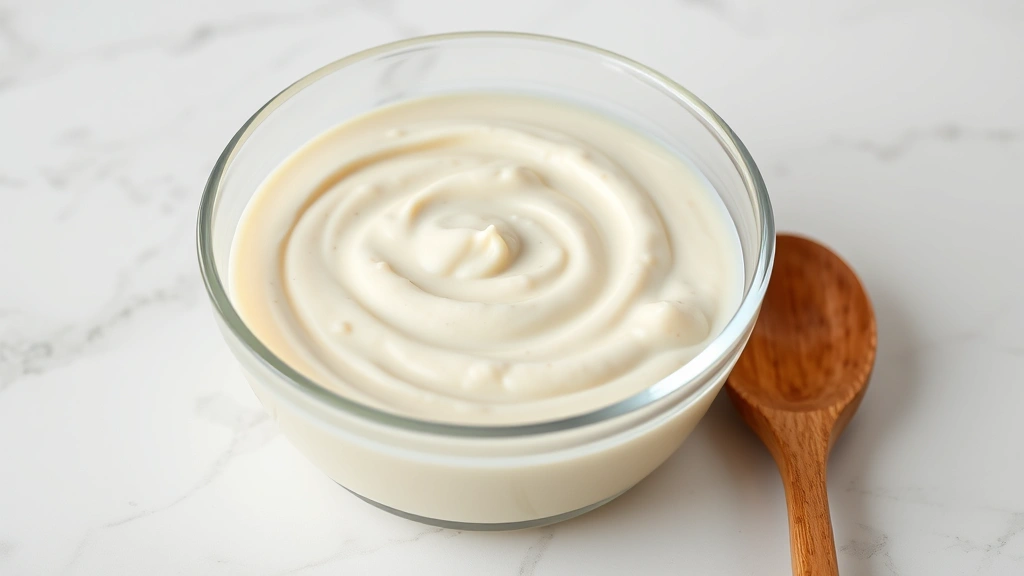
An alabama white sauce recipe is your ticket to creating one of the South’s most beloved condiments right in your own kitchen. This creamy, tangy masterpiece has been a staple at Alabama barbecue joints for decades, and once you taste it, you’ll understand why pitmasters guard their versions like family secrets. The good news? Making it at home is surprisingly simple, and I’m going to walk you through every step.
Table of Contents
What Is Alabama White Sauce?
Alabama white sauce is a creamy, mayo-based condiment that’s become the signature sauce of North Alabama barbecue culture. Unlike traditional red barbecue sauces, this tangy creation relies on mayonnaise as its foundation, combined with vinegar, spices, and a touch of heat. It’s got a smooth, pourable consistency that clings beautifully to chicken, pork, and even turkey.
The sauce emerged from the creative kitchens of Alabama pitmasters who wanted something different—something that would complement rather than mask the natural flavors of smoked meat. The result is a versatile condiment that works equally well as a marinade, a finishing sauce, or a dipping companion. You’ll find regional variations throughout the state, but the core formula remains consistent: creamy, acidic, and incredibly flavorful.
Core Ingredients Explained
Before you start mixing, let’s break down what makes this sauce tick. Understanding each ingredient will help you customize it to your taste and troubleshoot any issues that arise.
Mayonnaise: This is your base, typically accounting for about 60-70% of the sauce. Use a quality brand—the difference matters. Mayo provides the creamy texture and acts as an emulsifier, keeping everything smooth and cohesive.
Vinegar: Apple cider vinegar is traditional, though white vinegar works too. This adds the tang that cuts through the richness of the mayo and brightens the entire sauce. Don’t skip this step; it’s essential for balance.
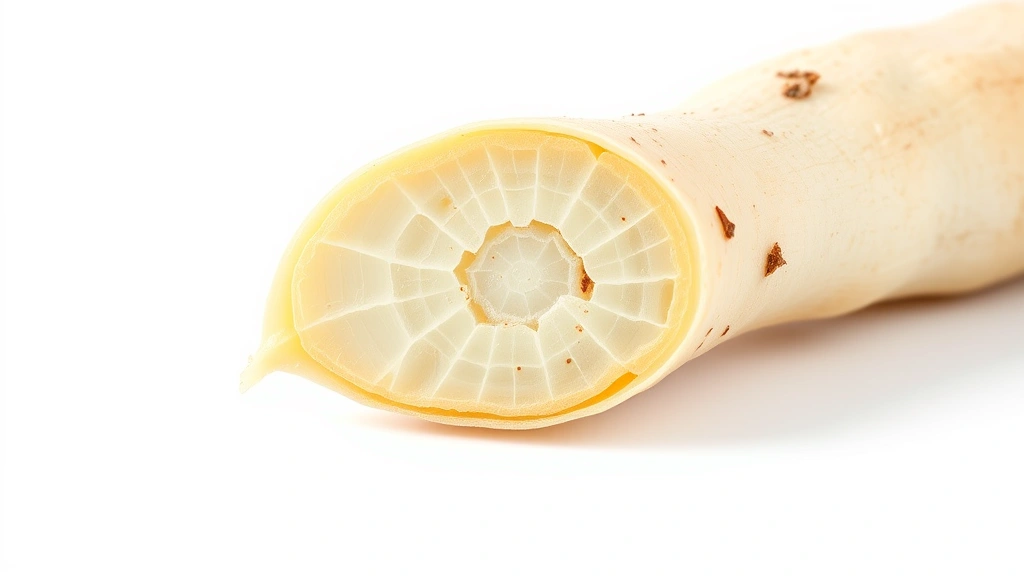
Horseradish: This is what gives Alabama white sauce its distinctive kick. Fresh or prepared horseradish brings a sharp, peppery heat that makes people sit up and take notice. Start conservatively if you’re sensitive to heat.
Worcestershire sauce: A few dashes add umami depth and complexity. This ingredient ties everything together and adds savory notes that make people wonder what your secret ingredient is.
Mustard: Yellow mustard adds tang and a subtle flavor layer. Some recipes use spicy brown mustard for extra bite.
Garlic and black pepper: These aromatics round out the flavor profile and add warmth without overwhelming the sauce.
Step-by-Step Recipe
Here’s the recipe that’ll have your family asking for seconds:
Ingredients:
- 1 cup mayonnaise (use quality brand)
- ¼ cup apple cider vinegar
- 2 tablespoons prepared horseradish (or 1 tablespoon fresh, grated)
- 1 tablespoon Worcestershire sauce
- 1 tablespoon yellow mustard
- ½ teaspoon cayenne pepper
- ½ teaspoon black pepper
- ½ teaspoon garlic powder
- ½ teaspoon salt
- ¼ teaspoon paprika (optional, for color)
Instructions:
Start by combining your mayo in a medium mixing bowl. Don’t use a tiny bowl—you need room to work. Pour in the apple cider vinegar slowly while whisking continuously. This gradual incorporation prevents the sauce from breaking and ensures smooth integration.
Next, add your prepared horseradish. If you’re using fresh horseradish, grate it finely and add it now. Stir thoroughly, making sure there are no lumps. The sauce should be starting to look creamy and slightly thickened.
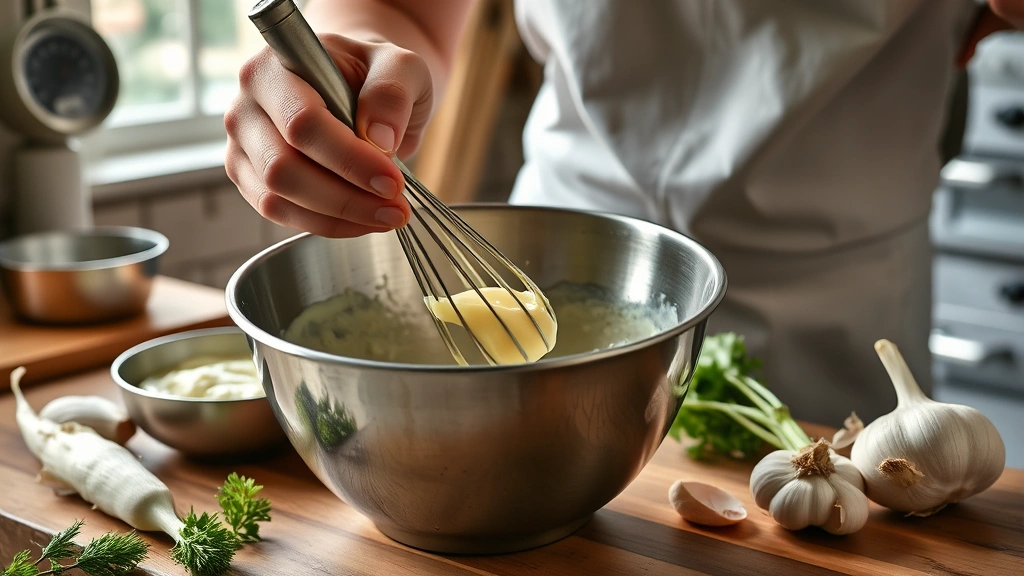
Pour in the Worcestershire sauce and mustard. These ingredients don’t need whisking—just fold them in gently with a spatula, stirring until the color is uniform. You’ll notice the sauce taking on a slightly tan hue.
Now for the seasonings: sprinkle in cayenne pepper, black pepper, garlic powder, and salt. Stir well, then taste. This is crucial—every palate is different, and you might want more heat or more tang. Adjust accordingly. If you want a hint of color, add a pinch of paprika.
Transfer your finished sauce to a clean jar or container. It’ll thicken slightly as it cools, and flavors will meld over the next few hours, so patience pays off.
Mixing Techniques Matter
The way you combine these ingredients affects your final result more than you’d think. Hand-whisking works perfectly fine and gives you control over the process. If you use an immersion blender, pulse gently—over-blending can make the sauce too thin and break the emulsion.
Temperature matters too. Work with ingredients at room temperature when possible. Cold mayo straight from the fridge can be stubborn and won’t incorporate as smoothly. Let it sit out for 15 minutes before you start.
If your sauce breaks (becomes grainy or separates), don’t panic. Start with a fresh cup of mayo in a clean bowl, then slowly whisk in your broken sauce. This often brings it back together. It’s the same principle used when rescuing broken hollandaise.
Flavor Variations to Try
Once you’ve mastered the classic version, experiment with these variations. Add 1-2 tablespoons of honey for sweetness that balances the heat. Try smoked paprika instead of regular paprika for a deeper, smokier profile. Some folks add a tablespoon of hot sauce for extra kick—Louisiana-style or habanero-based sauces work great.
For a tangier version, increase the vinegar to ⅓ cup and reduce the mayo slightly. Want more garlic punch? Use fresh minced garlic instead of powder—start with ½ teaspoon and adjust. You can even add a teaspoon of lemon juice for brightness.
If you’re making this for a crowd with mixed heat tolerances, make a base batch without the cayenne, then divide it and add heat to one portion. Everyone’s happy, and you’re not wasting sauce.
Storage and Shelf Life
Your alabama white sauce recipe will keep in the refrigerator for up to two weeks in an airtight container. The vinegar acts as a preservative, but mayo-based sauces are still perishable, so don’t leave them sitting out at room temperature for extended periods.
For longer storage, you can freeze it for up to three months. Pour it into ice cube trays, freeze solid, then transfer cubes to a freezer bag. When you need sauce, just thaw a cube or two. The texture might separate slightly after freezing, but a quick whisk will bring it back together.
Label your container with the date you made it. This might seem obvious, but it’s easy to forget when you’ve got multiple sauces in the fridge. I learned this the hard way.
Pairing With Your Meats
Alabama white sauce shines brightest on chicken—grilled, smoked, or fried. Brush it on during the last few minutes of cooking, or serve it alongside as a dipping sauce. The creaminess complements chicken’s mild flavor perfectly.
Pork is another natural pairing. Use it on pulled pork sandwiches, ribs, or pork shoulder. The tangy heat cuts through the richness of the meat beautifully. Turkey benefits from this sauce too—it’s fantastic on smoked turkey legs or as a condiment for turkey sandwiches.
You can even use it as a marinade. Mix it with a bit more vinegar to thin it slightly, then submerge your meat for 4-8 hours before cooking. The horseradish and vinegar will tenderize while the mayo creates a protective crust during cooking.
Troubleshooting Common Issues
If your sauce is too thick, thin it with a tablespoon of vinegar or water at a time. If it’s too thin, whisk in a bit more mayo. The consistency should be pourable but thick enough to coat a spoon.
Too much heat? Add more mayo to dilute the cayenne and horseradish. Too bland? Bump up the Worcestershire sauce and vinegar. Not tangy enough? Increase the vinegar by a tablespoon, but go slowly—you can always add more.
If the sauce tastes off but you can’t identify why, it’s often because the ingredients weren’t at room temperature when you mixed them. Temperature inconsistencies can throw off the flavor balance. Next time, let everything sit out for 15-20 minutes first.
Frequently Asked Questions
Can I make alabama white sauce without horseradish?
Technically yes, but you’ll lose the signature kick that defines this sauce. If you absolutely can’t find horseradish, wasabi paste in small amounts can provide similar heat, though the flavor profile changes. You’re better off ordering horseradish online if your local stores don’t carry it.
Is this sauce spicy?
It has a moderate kick from the horseradish and cayenne, but it’s not blazing hot. Most people find it pleasantly peppery rather than face-melting. If you’re sensitive to heat, reduce the cayenne to ¼ teaspoon or omit it entirely.
Can I use Miracle Whip instead of mayo?
You can, but the flavor will be noticeably different. Miracle Whip is sweeter and tangier than mayo, which will alter the sauce’s character. Stick with real mayonnaise for authenticity.
How do I know if my sauce has gone bad?
Trust your nose and eyes. If it smells off, looks discolored, or has mold, toss it. Mayo-based sauces are generally safe for two weeks in the fridge, but when in doubt, throw it out.
Can I double this recipe?
Absolutely. Scale all ingredients proportionally. The mixing process is identical; you might just need a larger bowl and a bit more elbow grease.
What’s the difference between alabama white sauce and other mayo-based sauces?
The horseradish is the key differentiator. You’ll find similar sauces called “white BBQ sauce” or “Alabama sauce,” but authentic versions always feature that distinctive horseradish bite. It’s what separates this from basic mayo-based condiments.
For more creative cooking techniques, check out our guide on how to make apple cider, which pairs beautifully with pork dishes you’d serve this sauce with. If you’re planning a barbecue spread, you might also appreciate learning how long to steam asparagus as a vegetable side. And if you’re prepping ingredients ahead, our article on how to keep apples from browning has useful tips for food prep.
Final Thoughts
Making an alabama white sauce recipe at home puts you in control of the flavor profile. You’re not stuck with whatever some restaurant decided was best—you get to build it exactly how you like it. Start with the classic version, then tweak it based on your preferences. Within a few batches, you’ll have perfected your own signature sauce that’ll have people asking for your recipe.
The beauty of this condiment is its versatility. It works as a marinade, a finishing sauce, a dipping companion, or a sandwich spread. Once you’ve got a jar in your fridge, you’ll find yourself reaching for it constantly. It’s that good.
Get your horseradish, grab some quality mayo, and get mixing. Your next barbecue is going to be legendary. For more home cooking guidance, check out Family Handyman’s kitchen tips and This Old House’s cooking resources.


