

An al pastor recipe is your ticket to bringing the vibrant, smoky flavors of Mexico City street food straight into your kitchen. This isn’t just another taco recipe—it’s a hands-on culinary project that transforms simple ingredients into something genuinely special. Whether you’re cooking for family dinner or impressing friends at a weekend gathering, mastering al pastor means understanding the balance of spices, the importance of proper marinating, and the technique that makes this dish unmistakably authentic.
Table of Contents
What Is Al Pastor?
Al pastor literally means “in the style of the pastor” in Spanish, and the dish has a fascinating origin story rooted in Lebanese immigration to Mexico. This cooking method combines Lebanese shawarma traditions with Mexican ingredients and techniques, creating something entirely unique. The dish traditionally features meat cooked on a vertical rotisserie called a trompo, though home cooks have developed equally delicious alternatives.
The beauty of this approach is that it’s not strictly about the equipment—it’s about the flavor profile. When you nail an al pastor recipe, you’re capturing that perfect balance of smoky, slightly sweet, and deeply savory notes that make these tacos absolutely crave-worthy. The pineapple plays a crucial role here, caramelizing during cooking and providing a subtle sweetness that complements the spiced meat.
Essential Ingredients You’ll Need
Let’s talk about what goes into making authentic al pastor. You’ll need about 3 pounds of pork shoulder or pork butt—this cut has enough fat to stay moist during cooking. Some cooks prefer a mixture of pork and chicken, which works fine if that’s your preference.
For the marinade base, gather dried guajillo chiles, dried ancho chiles, dried chipotle chiles, vinegar, and fresh pineapple. You’ll also need garlic, cumin, oregano, cloves, cinnamon, and black pepper. Don’t skip the white onion—it’s essential for layering flavors. Fresh cilantro and lime round out your ingredient list for serving.
The combination of these elements creates depth that you simply can’t achieve with a basic spice rub. This is where patience and proper technique separate good al pastor from exceptional al pastor.
Spice Blend Breakdown
The spice blend is the heart of any solid al pastor recipe. Start by toasting your dried chiles lightly in a dry skillet—about 30 seconds per side. This releases their essential oils and deepens their flavor without burning them. Remove the stems and seeds, then soak them in hot water for 10 minutes until they’re soft and pliable.
Blend the rehydrated chiles with vinegar, garlic, cumin, oregano, cloves, and cinnamon. This paste is your marinade foundation. The cloves and cinnamon might seem unusual if you’re used to standard taco seasoning, but they’re absolutely authentic and add warmth without being obvious. The vinegar provides acidity that helps tenderize the meat while adding complexity.
Don’t make the mistake of using pre-ground spices if you can help it. Whole spices toasted fresh deliver dramatically better results. If you’re serious about this project, invest in a small spice grinder or use a mortar and pestle.
The Marinating Process
This step separates committed cooks from casual ones. Slice your pork shoulder into thin pieces—about a quarter-inch thick. You can partially freeze the meat for 1-2 hours to make slicing easier and more uniform. Uniform thickness ensures even cooking.
Layer the pork in a large container or zip-top bag with the spice paste, alternating meat with sliced pineapple and white onion. The pineapple isn’t just a garnish—it’s an active ingredient that adds enzymes that help break down the meat fibers, tenderizing it naturally. Cover everything with the remaining spice paste.
Refrigerate for at least 8 hours, though 24 hours is ideal. This isn’t a shortcut situation. The longer you marinate, the more flavor penetrates the meat. If you’re in a time crunch, 4-6 hours works, but you’re sacrificing depth.
Cooking Methods Explained
Since most home kitchens lack a trompo, let’s explore practical alternatives. The skillet method works beautifully: heat a large cast-iron skillet or griddle over medium-high heat. Working in batches, cook the marinated meat until the edges are slightly charred and crispy—about 3-4 minutes per side. Don’t crowd the pan; you want good contact with the heat source.
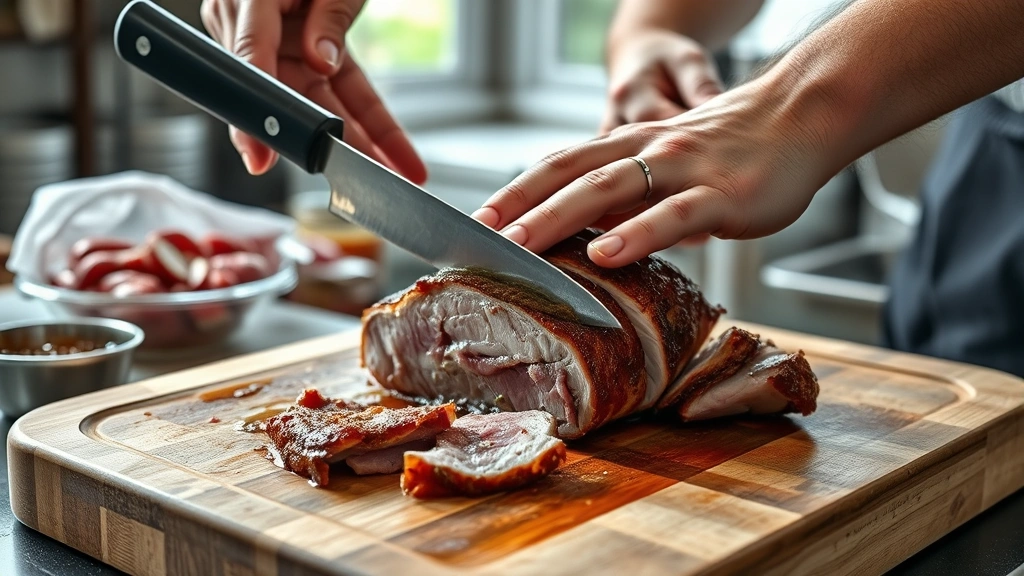
The oven method is another solid option. Arrange marinated meat on a rimmed baking sheet in a single layer and broil on high for 8-10 minutes, stirring halfway through. This gives you more caramelization with less hands-on attention.
Some home cooks use a slow cooker or instant pot for convenience, which works for the meat texture but won’t give you those crucial crispy, caramelized edges. If you go this route, finish the cooked meat under the broiler for 5 minutes to develop that char.
The key is achieving that combination of tender interior and crispy exterior. That contrast is what makes al pastor special. When you’re cooking, listen for the sizzle and watch for browning—these are your cues that everything’s working correctly.
Assembly and Serving
Warm your tortillas—corn or flour, depending on your preference. Corn is more traditional, but flour tortillas work if that’s what you have. Char them lightly over a gas flame or in a dry skillet for 10-15 seconds per side. This adds flavor and makes them pliable.
Build your tacos with a small amount of meat, then top with diced white onion, fresh cilantro, and a squeeze of lime. The simplicity here is intentional—the meat has enough flavor that it doesn’t need heavy toppings. Some people add a dollop of crema or avocado, which is fine, but keep it minimal so the meat shines.
Serve immediately while the meat is still warm and the tortillas are fresh. Have lime wedges and extra cilantro on the side so people can customize to their taste.
Pro Tips and Tricks
Here’s what separates home cooks from people who consistently nail this dish: temperature control matters enormously. If your heat is too high, the outside burns before the inside cooks through. Too low, and you won’t get that crucial crust. Medium-high is your sweet spot.
Save the pineapple pieces from your marinade and grill them separately. Charred pineapple on the side is a traditional accompaniment that adds another layer of flavor. It’s a small detail that shows you understand the complete picture of an al pastor recipe.
Consider making a pineapple salsa by combining grilled pineapple with diced jalapeño, cilantro, and lime juice. This becomes a topping option for guests who want extra brightness.
If you’re cooking for a crowd, prep your marinade the day before. You can even slice and marinate the meat in the morning, then cook everything in the evening. This approach makes entertaining much less stressful.
Storage and Leftovers
Cooked al pastor keeps in an airtight container in the refrigerator for up to 4 days. Reheat gently in a skillet over medium heat with a splash of water to prevent drying out. The meat actually tastes better the next day as flavors continue to meld.
You can also freeze cooked meat for up to 3 months. Thaw in the refrigerator overnight before reheating. Don’t freeze marinated raw meat for extended periods, as the spices can become overpowering.
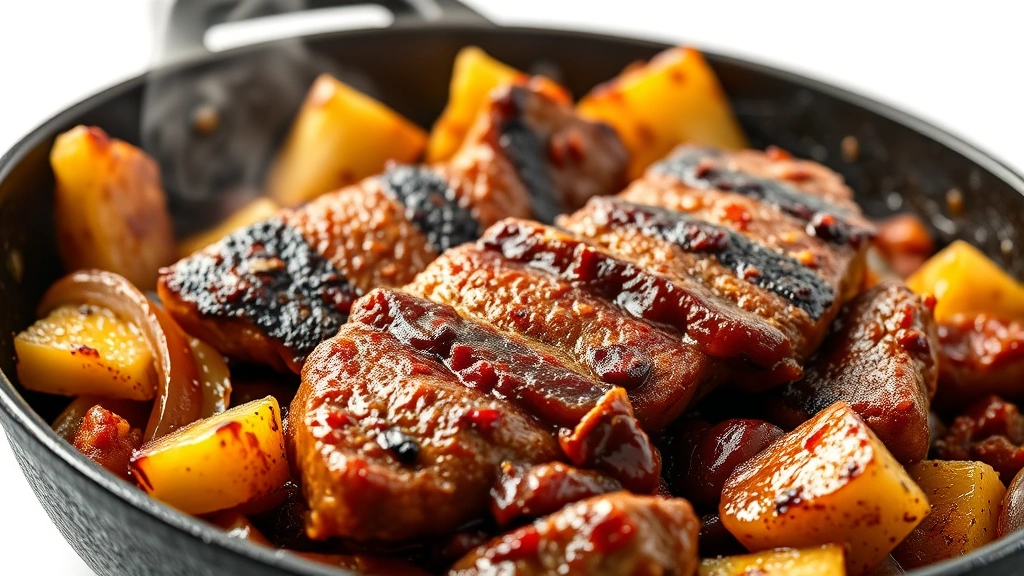
Leftover al pastor works brilliantly in other applications: nachos, quesadillas, rice bowls, or even breakfast burritos. It’s a versatile component once you’ve done the heavy lifting of proper preparation.
Frequently Asked Questions
Can I use chicken instead of pork?
Absolutely. Chicken breast or thighs work well with this marinade. Thighs are preferable because they stay moister. Reduce cooking time by about 2 minutes per side since chicken cooks faster than pork.
What if I don’t have dried chiles?
You can substitute with 3-4 tablespoons of good quality chili powder, though you’ll lose some authenticity. Add extra vinegar and garlic to compensate. Dried chile powder isn’t ideal but works in a pinch.
Is the pineapple essential?
Yes. The pineapple provides enzymatic tenderization and a subtle sweetness that’s fundamental to the flavor profile. Don’t skip it. If you’re allergic, use extra vinegar and a touch of honey instead.
How thin should the meat be sliced?
About quarter-inch thick is ideal. This thickness allows proper marinating while keeping the meat from becoming too thin and falling apart during cooking. A meat slicer makes this easier, but a sharp knife works fine too.
Can I make this without marinating overnight?
You can marinate for 4-6 hours minimum, but overnight is noticeably better. The extra time allows the spices to fully penetrate and the pineapple enzymes to work their magic on the meat fibers.
What’s the best pan for cooking?
Cast iron is ideal because it retains heat evenly and develops great browning. A stainless steel skillet works too. Avoid non-stick pans—they don’t develop the crust you’re after.
If you’re looking to expand your cooking repertoire, check out our guide on how to keep apples from browning for other food preservation techniques, or explore how to steam broccoli in microwave for quick vegetable side dishes to complement your tacos.
Final Thoughts
Mastering an al pastor recipe is about respecting tradition while adapting to your home kitchen reality. This isn’t complicated cooking—it’s methodical cooking. Take your time with the marinade, don’t rush the cooking process, and you’ll consistently produce tacos that rival what you’d get from a street vendor in Mexico City.
The beauty of this dish is that it rewards attention to detail without requiring fancy equipment. You’ve got the knowledge now. The next step is getting into the kitchen and building those flavors layer by layer. Your friends and family will absolutely notice the difference between this and standard taco night fare.
For more cooking inspiration and techniques, explore our articles on how long to steam broccoli and how to make squid game cookies to round out your culinary skills. And if you’re planning a complete meal, don’t forget about how to make candy apple in GAG for dessert options that’ll impress your guests just as much as your tacos.


